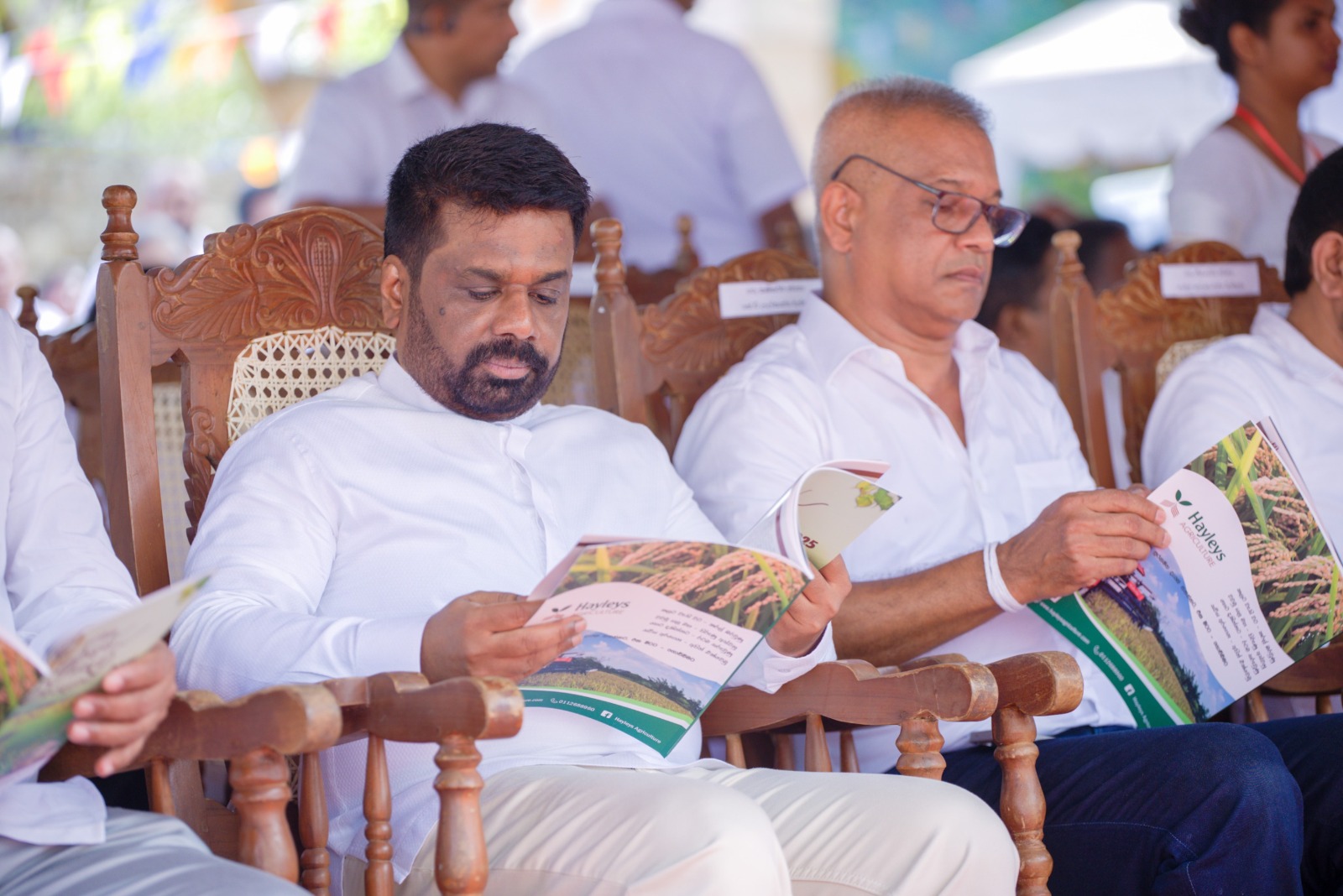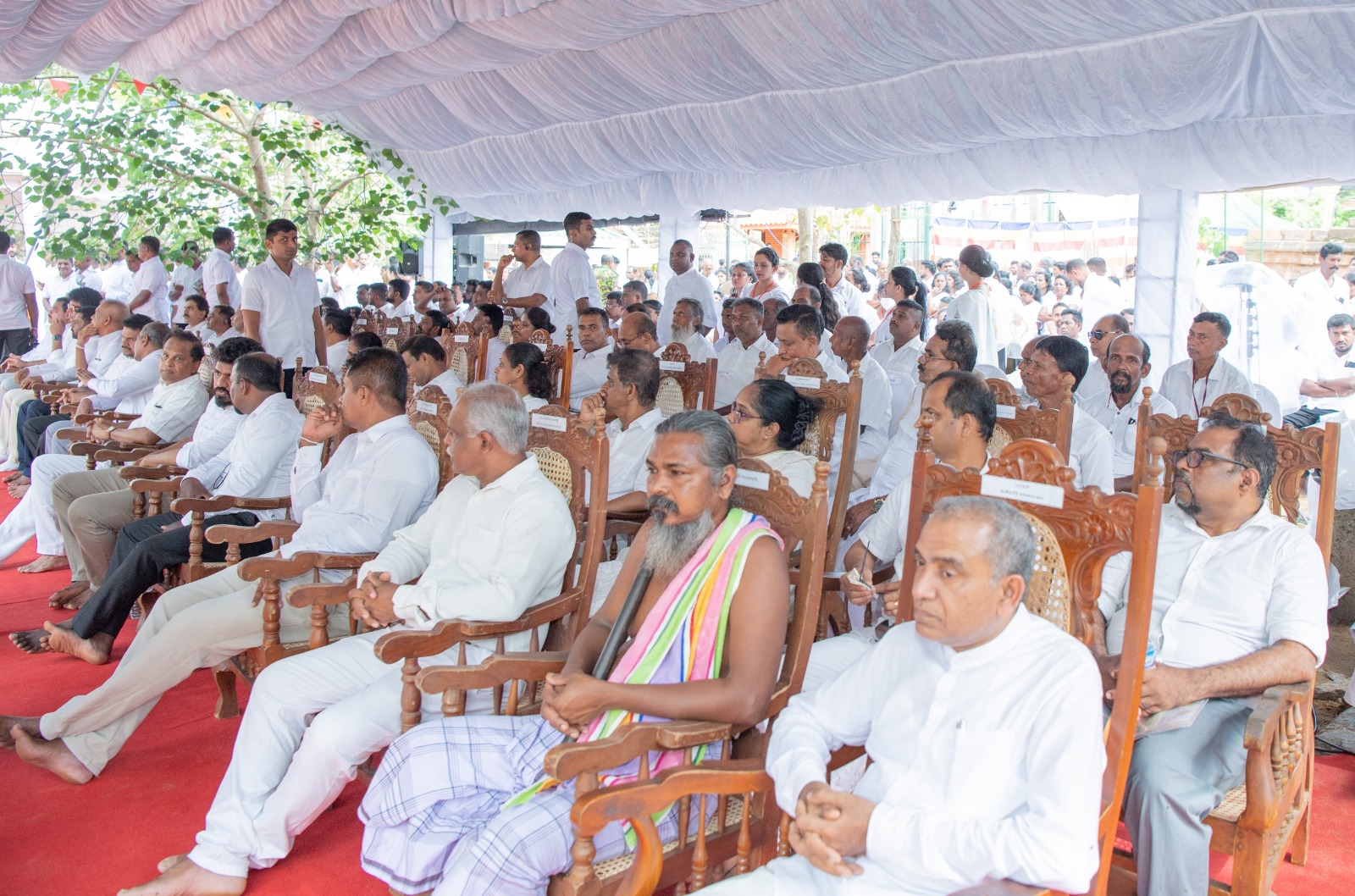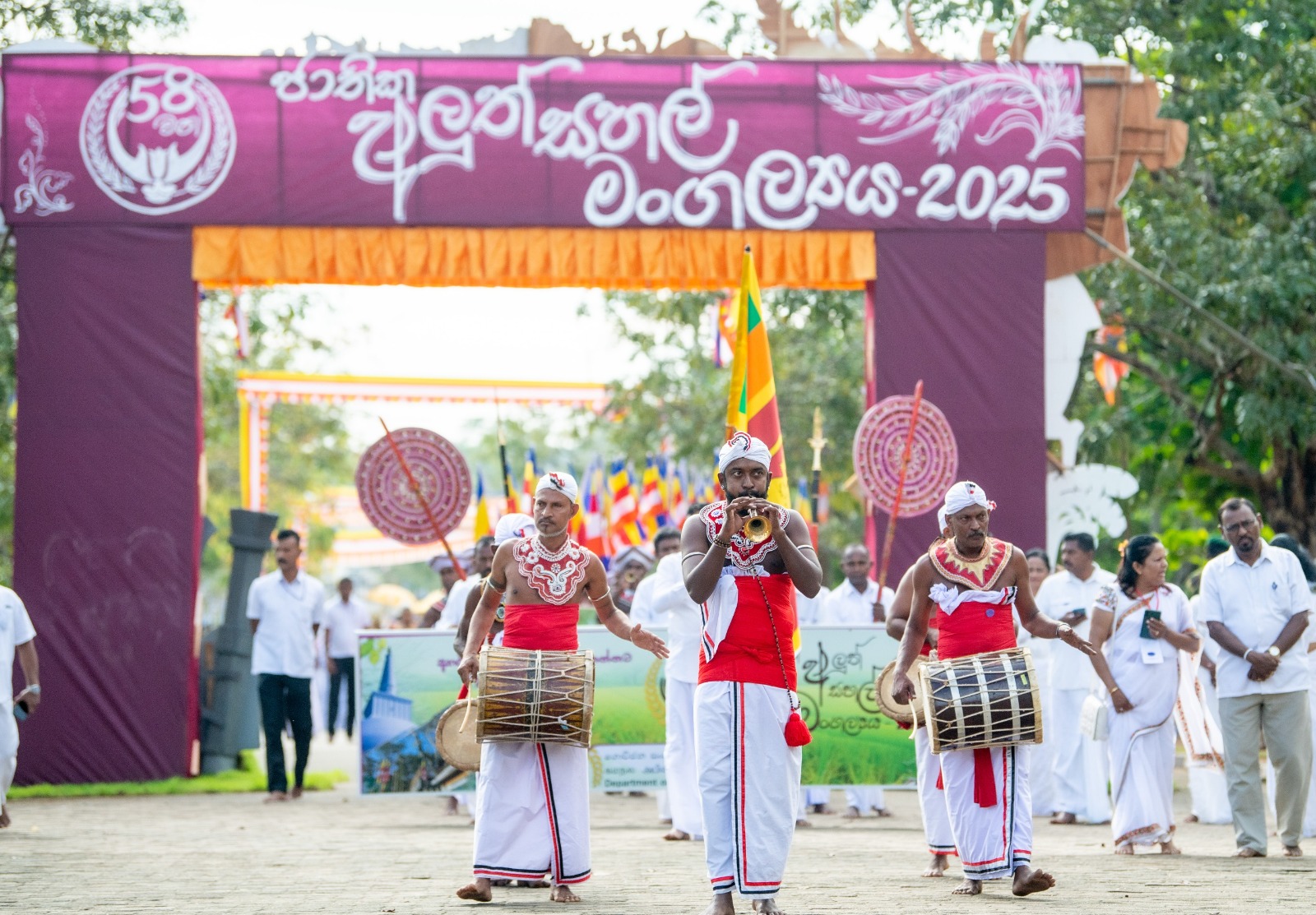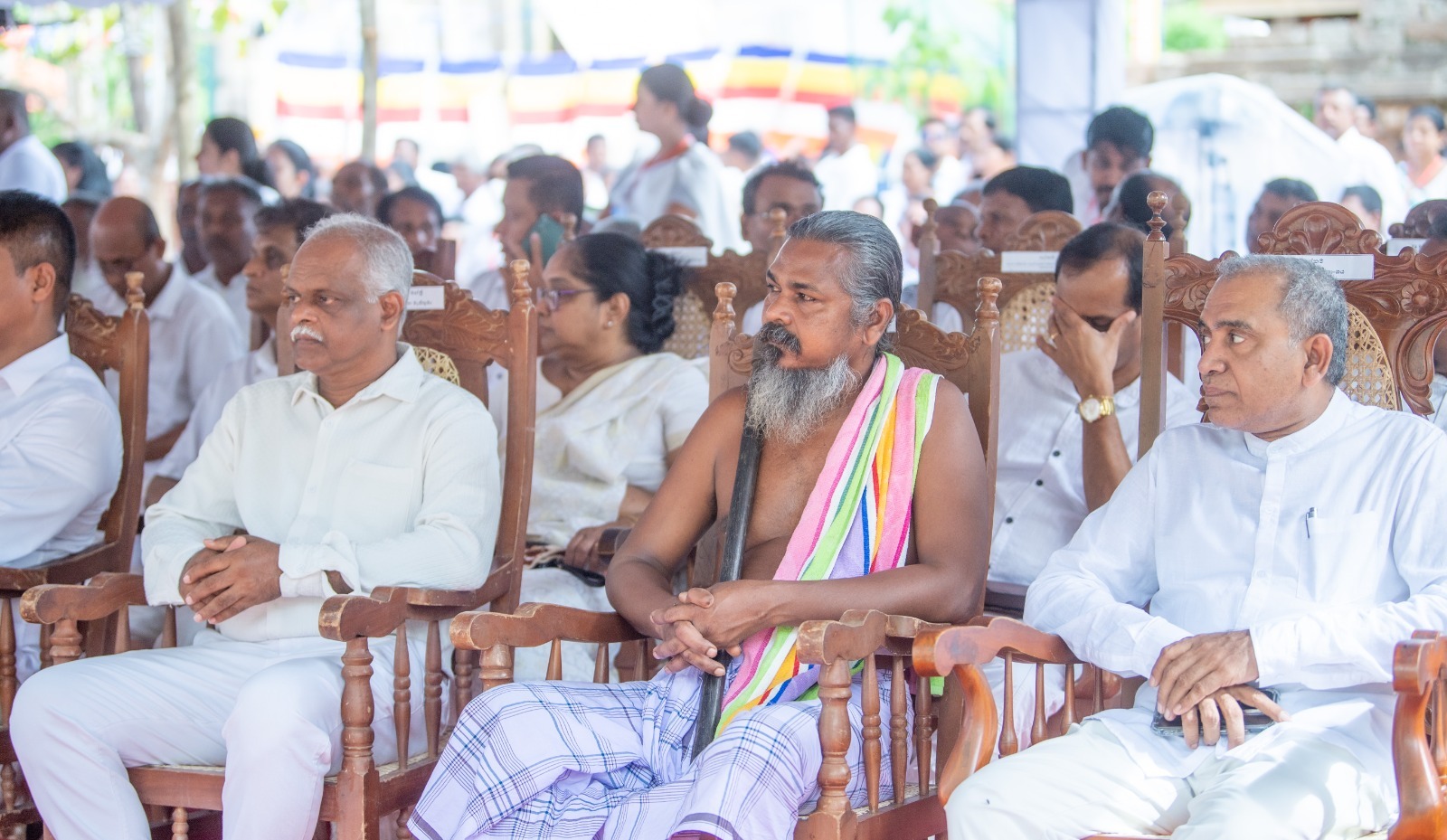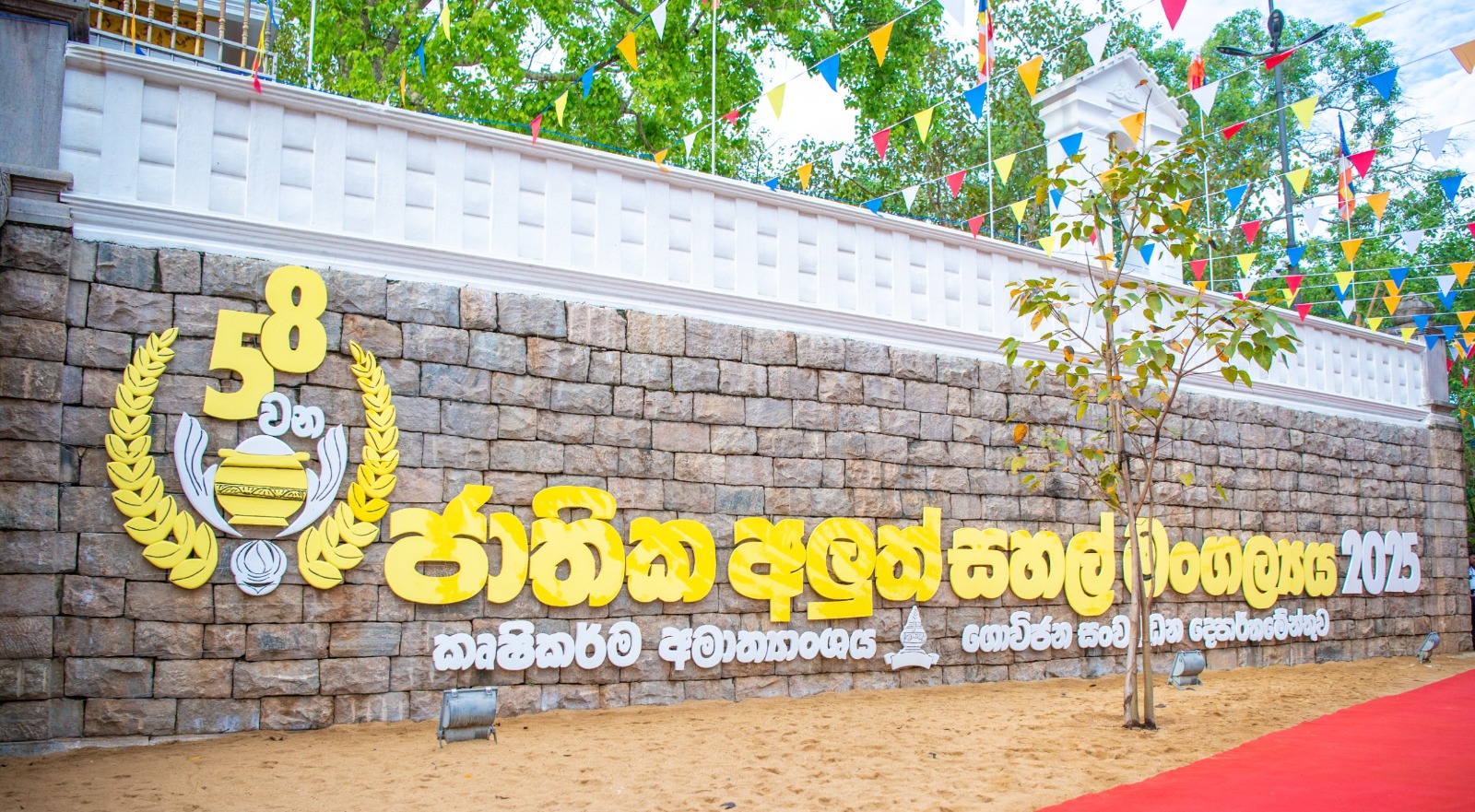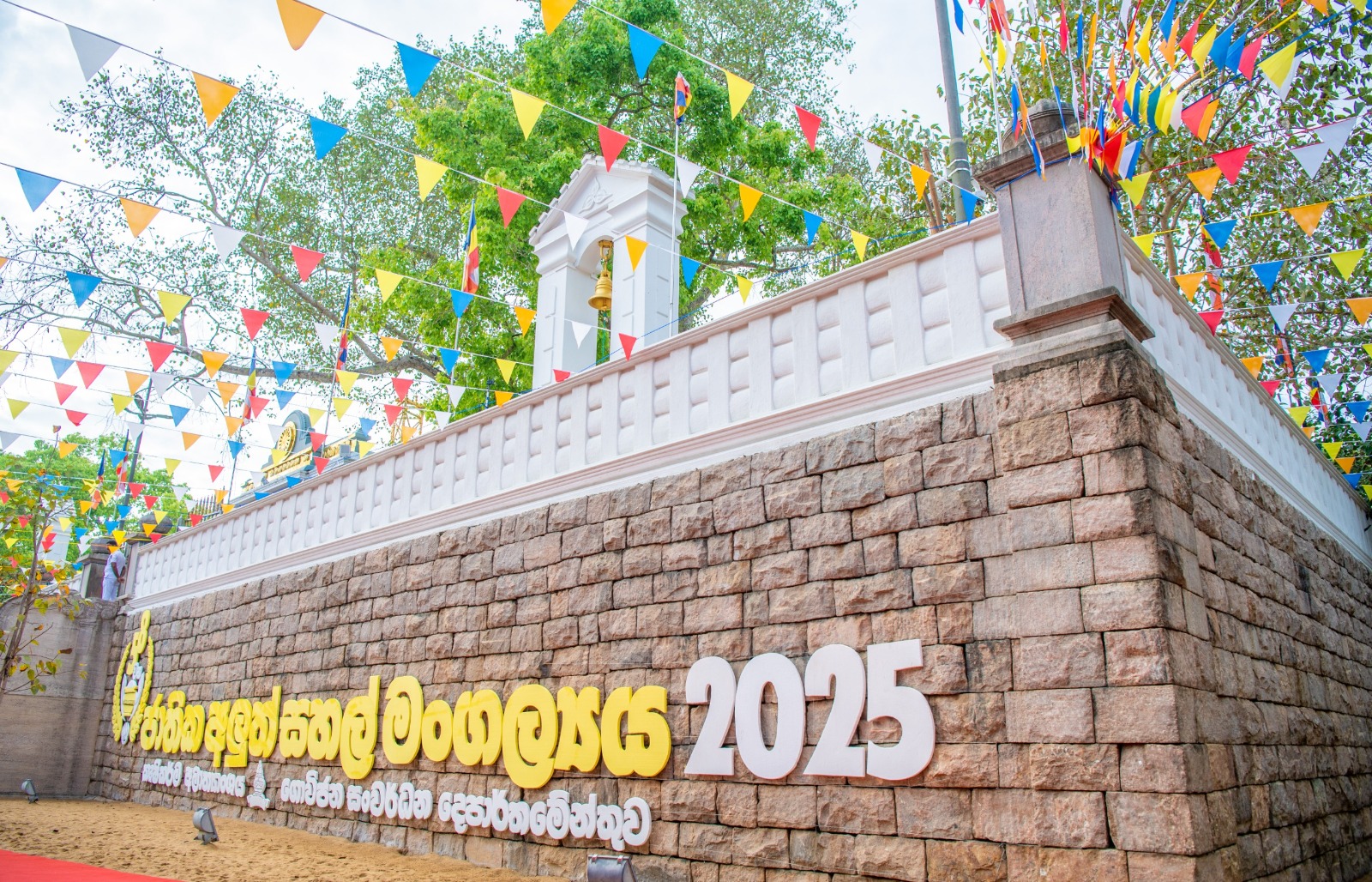

The 58th National New Rice Festival, a deeply rooted tradition held annually to offer the first harvest of unsown rice from the month of May to the sacred Jaya Sri Maha Bodhi, took place this morning (April 4) in Anuradhapura under the patronage of President Anura Kumara Dissanayake.
The event was organized by the Ministry of Agriculture and the Department of Agrarian Services under the guidance of the Atamasthanadhipathi Venerable Pallegama Hemarathana Nayaka Thero, with this year’s theme being “To build a self-sufficient nation, one hand on the farm.”
Farmers from across the country gathered to partake in this age-old ceremony, a ritual dating back to the time of the ancient kings. In keeping with tradition, participants prayed for early rains, fertile lands, and a self-sufficient and prosperous nation through agriculture.
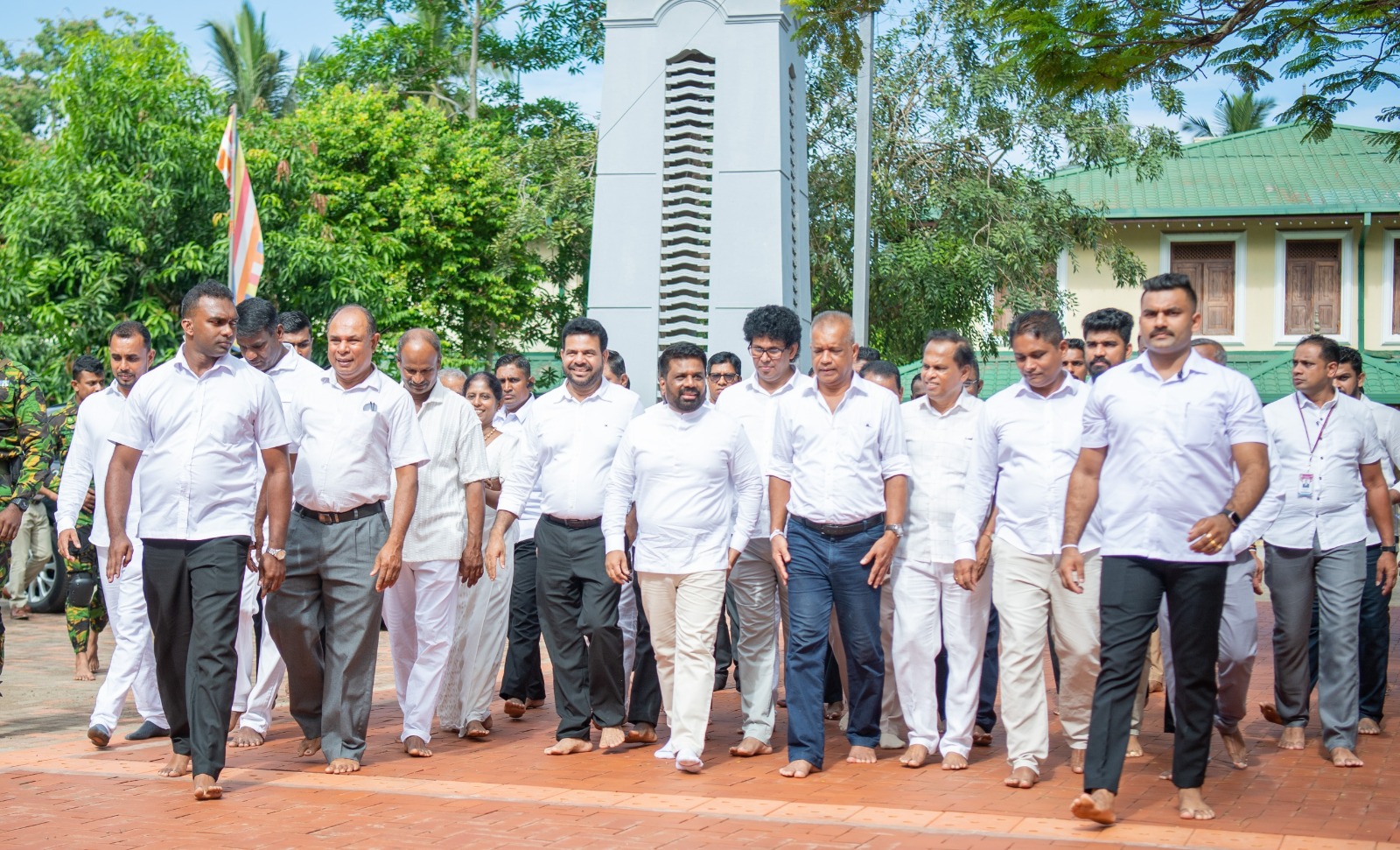
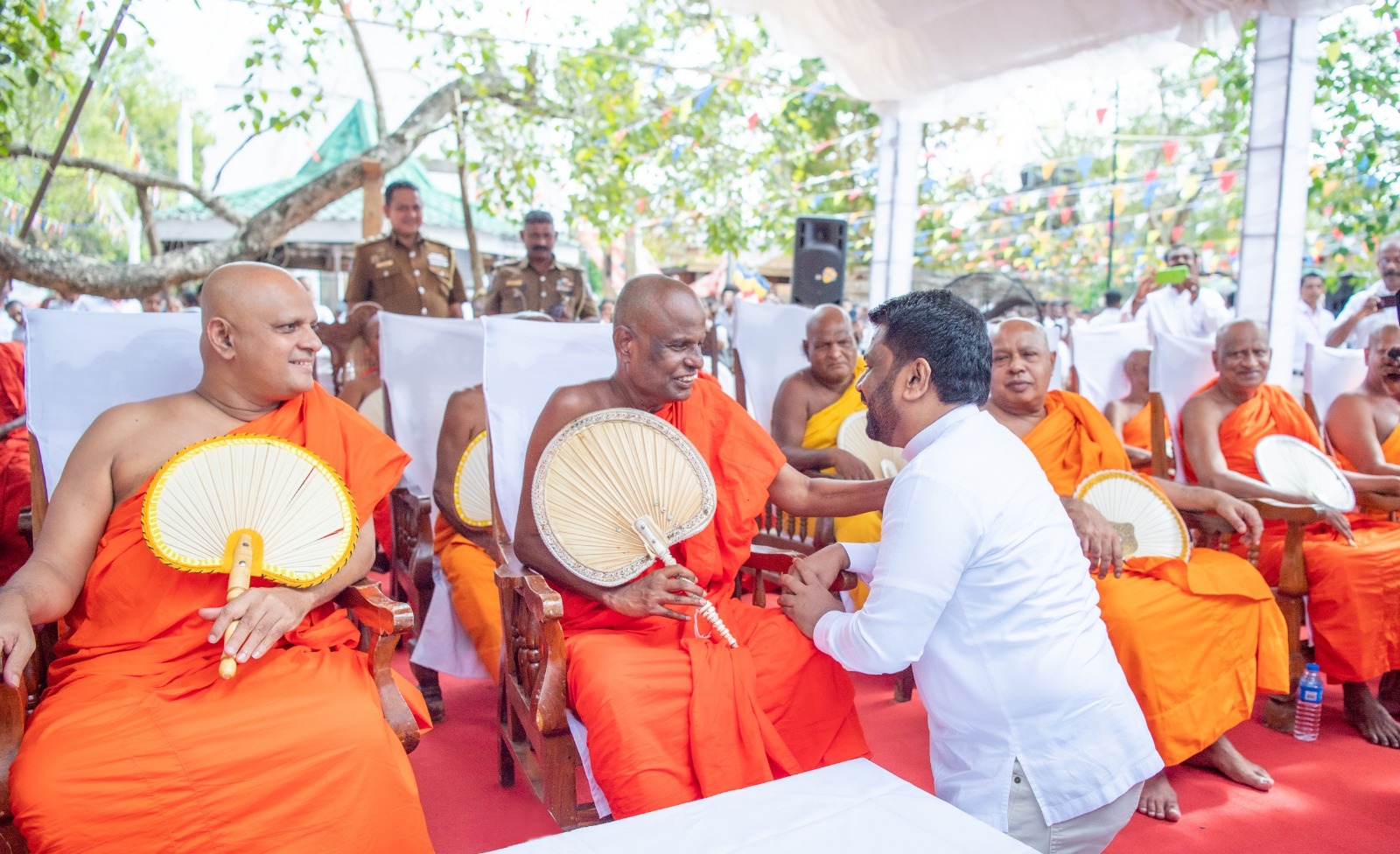
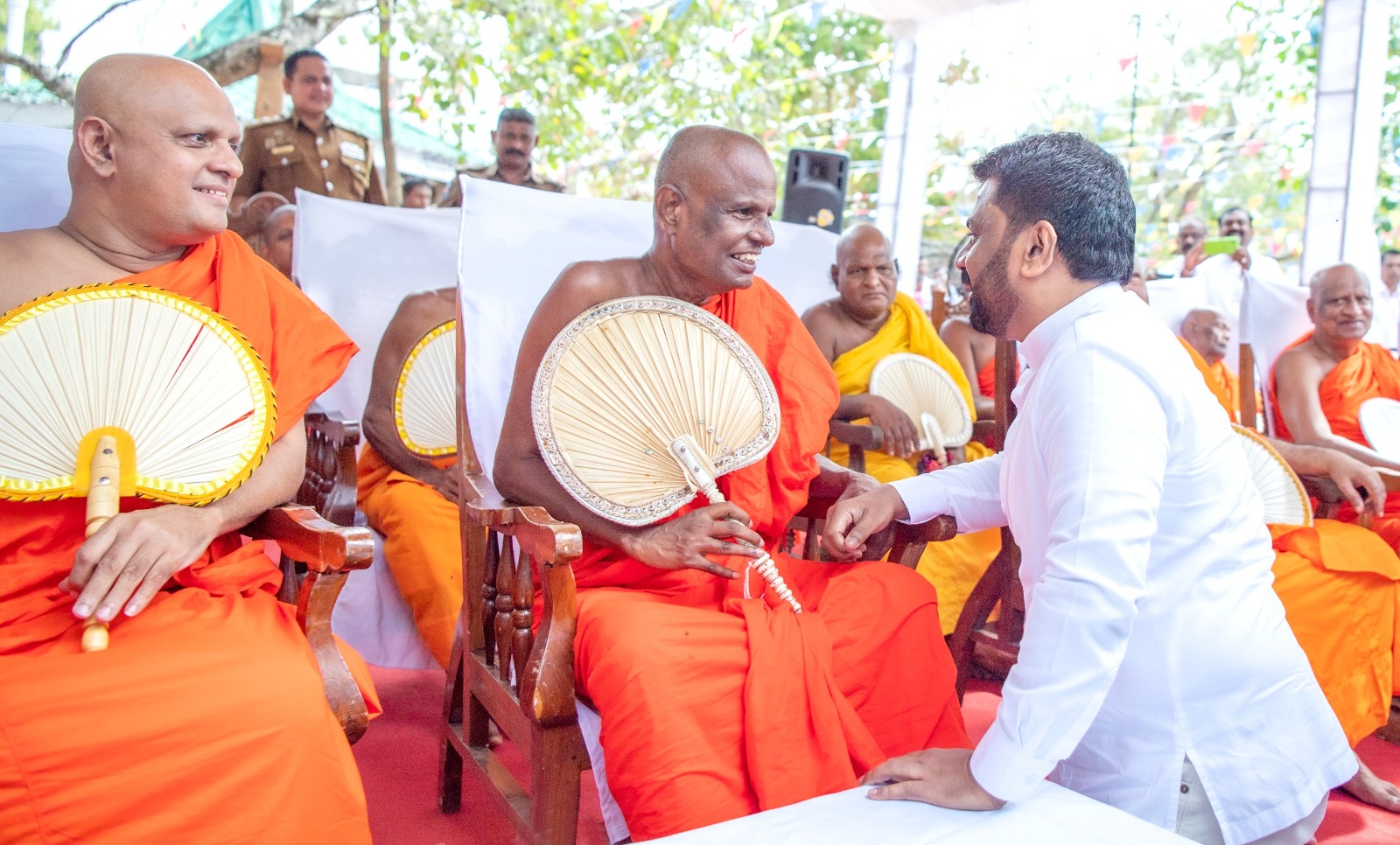
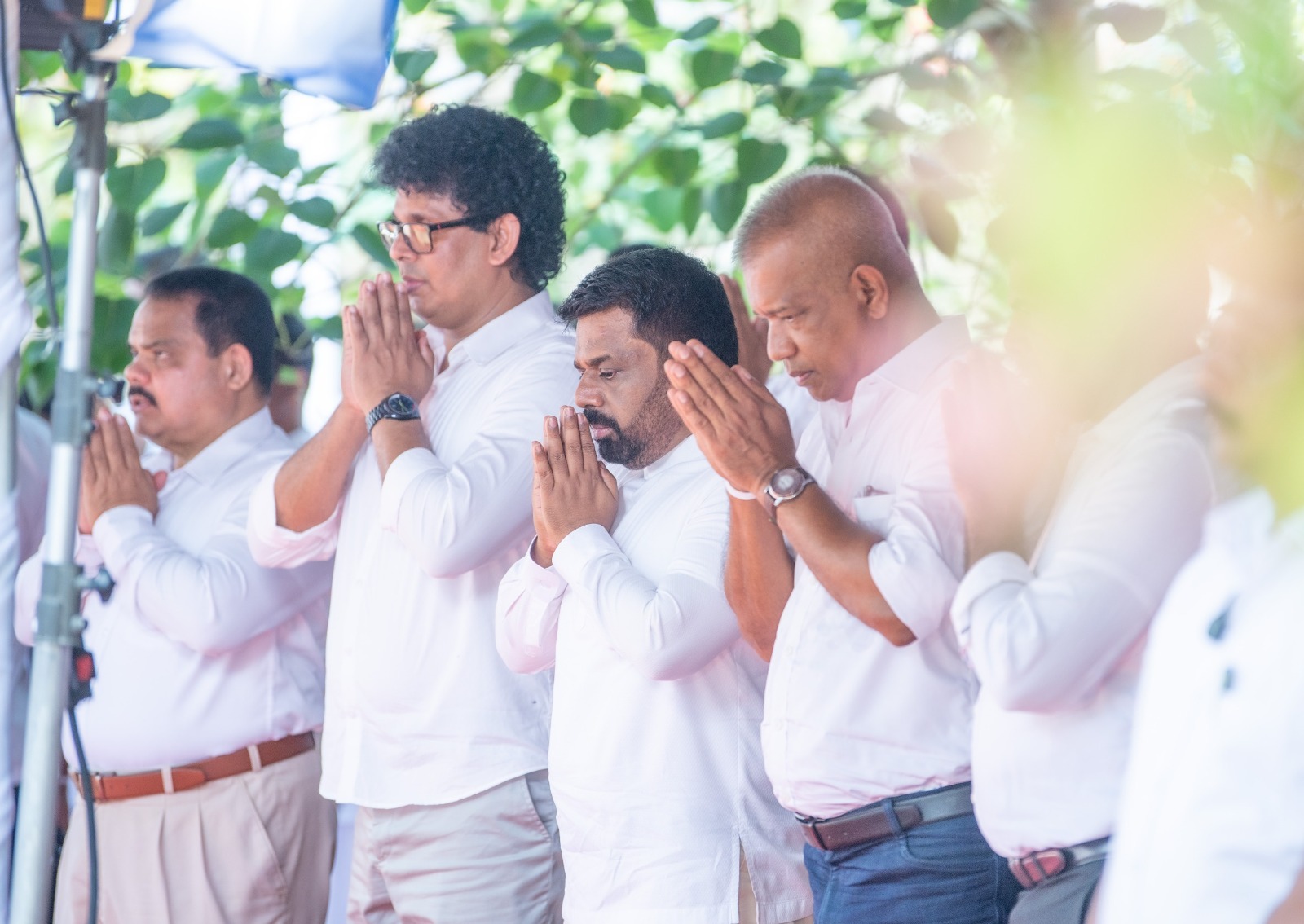
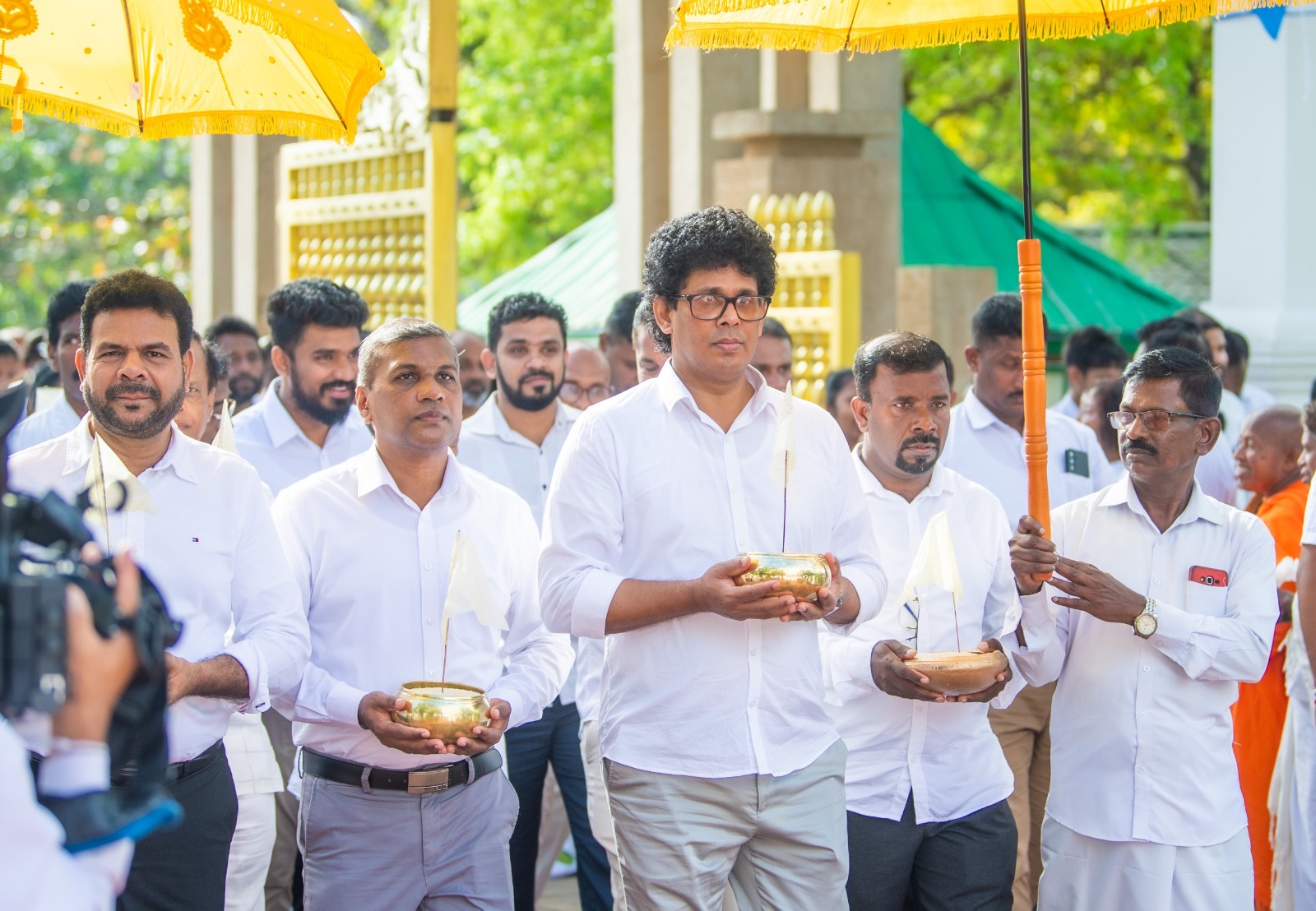
President Anura Kumara Dissanayake first paid homage to the sacred Jaya Sri Maha Bodhi, seeking blessings before joining the festival proceedings. The ceremony commenced with a procession carrying the new rice from the vicinity of the Anuradhapura Lion Pillar to the sacred sand mound of the Jaya Sri Maha Bodhi.
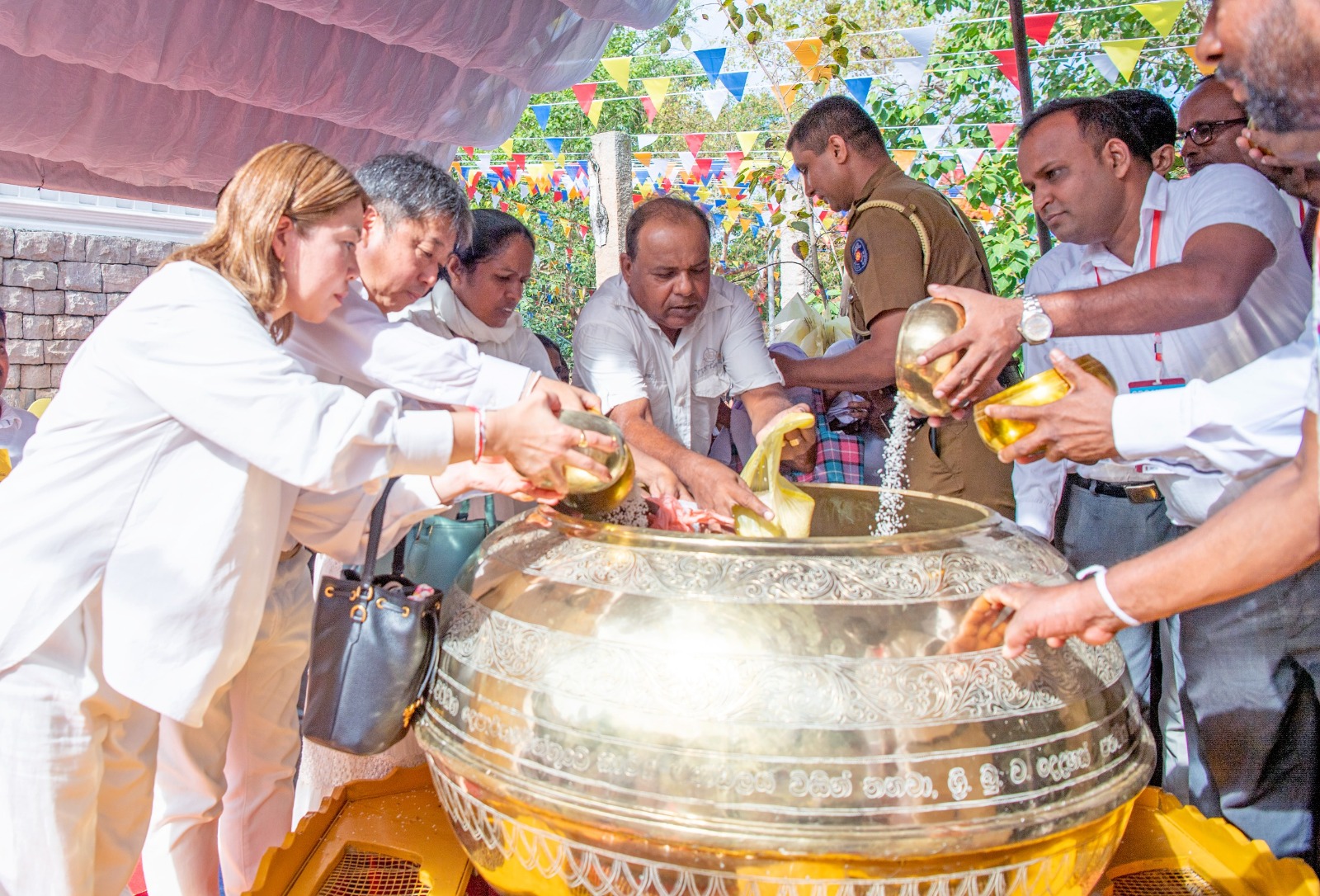
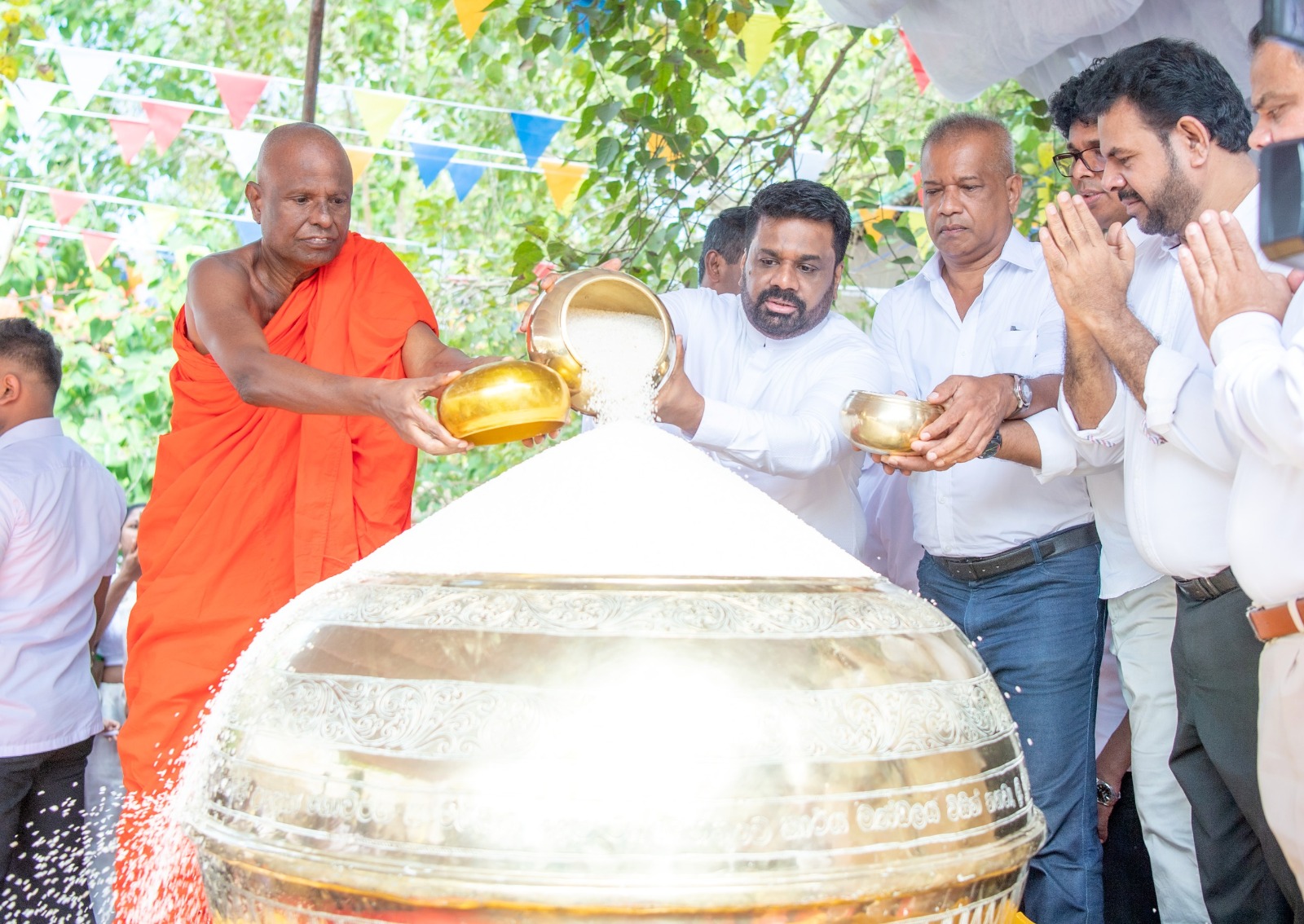
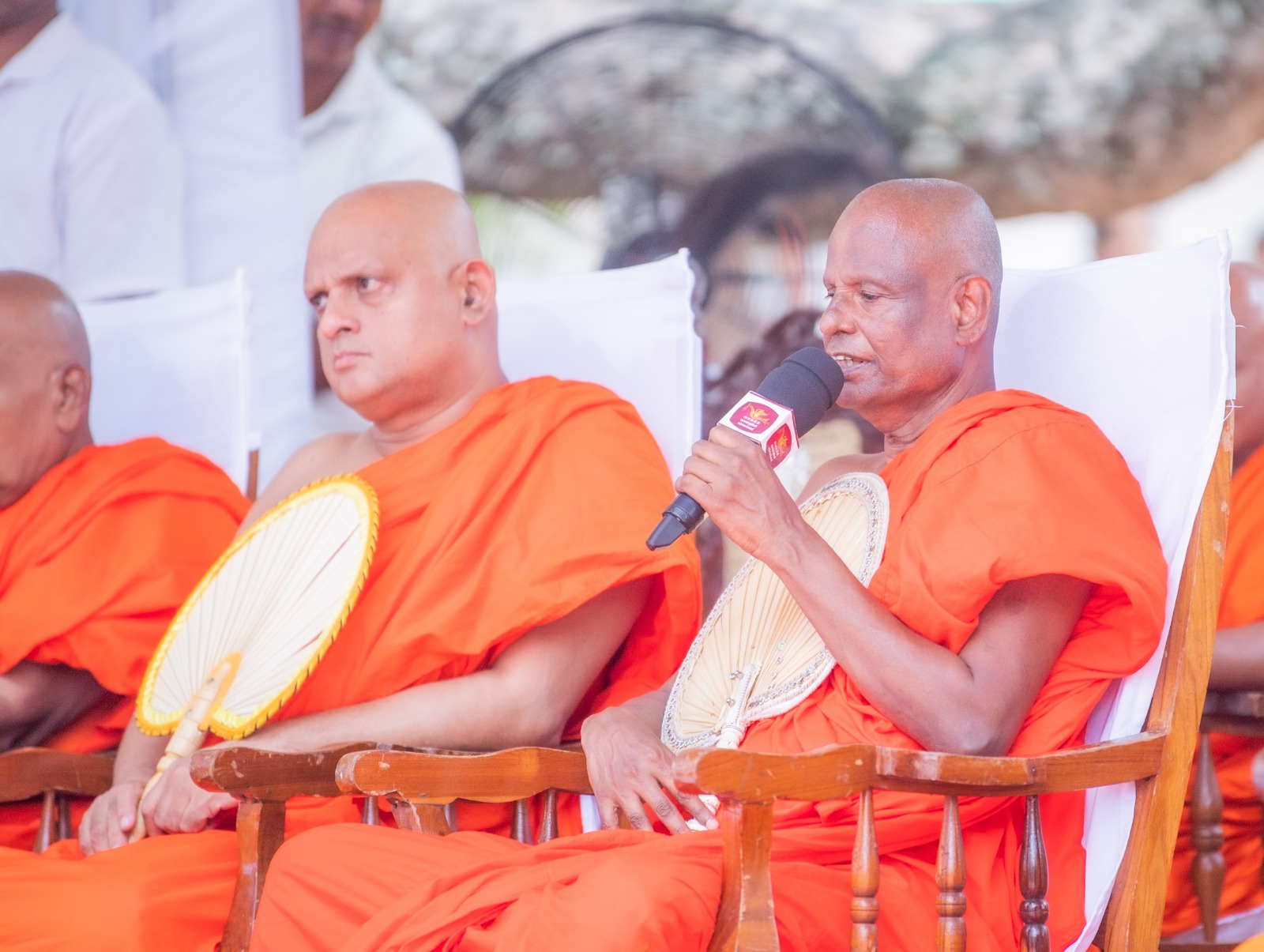
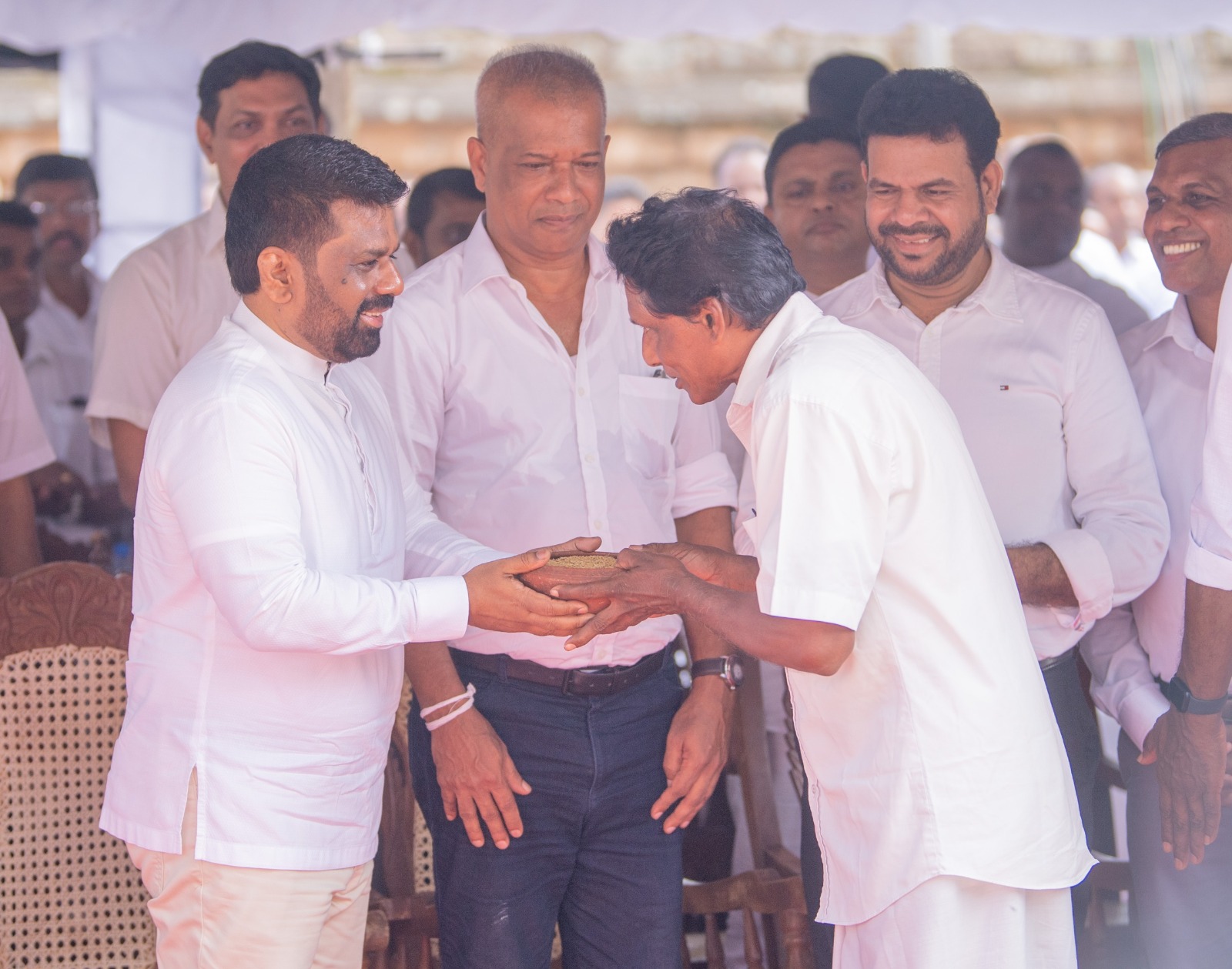
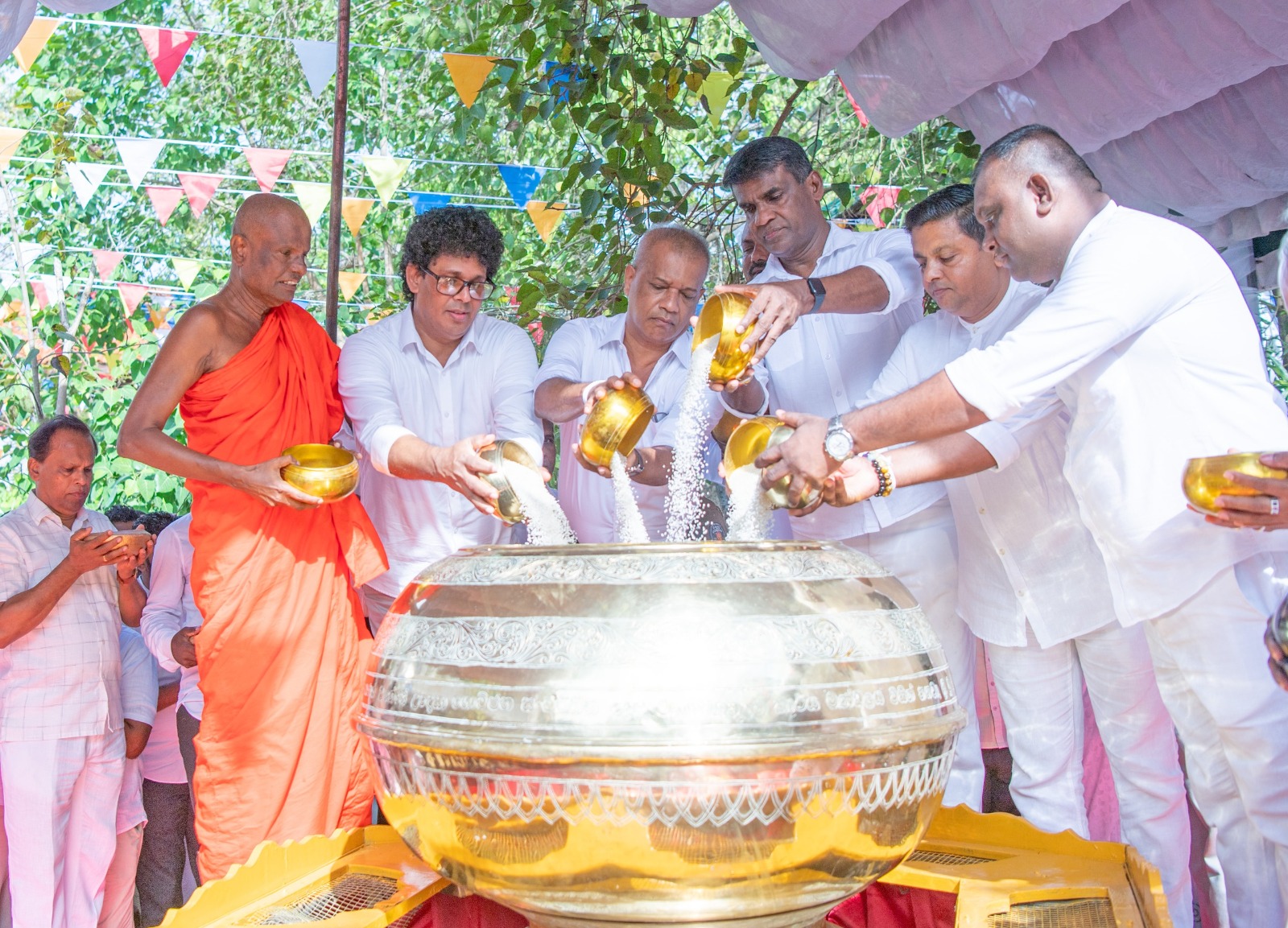
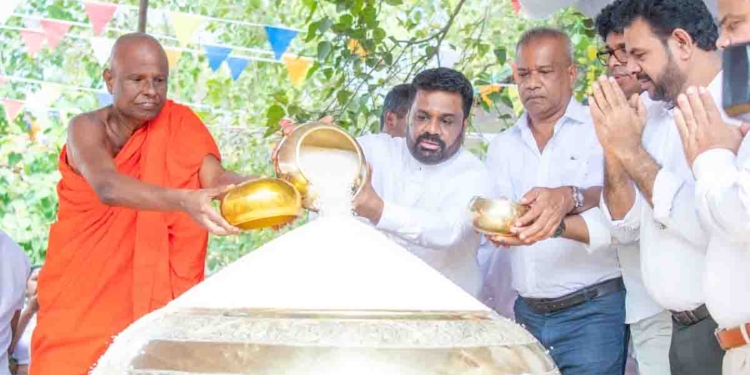
In a symbolic ritual, Venerable Pallegama Hemarathana Nayaka Thero began by filling a golden bowl with new rice, followed by rice offerings from all provinces. President Dissanayake also took part in the ritual, offering rice into the golden bowl amidst the chanting of Seth Pirith by the Maha Sangha.
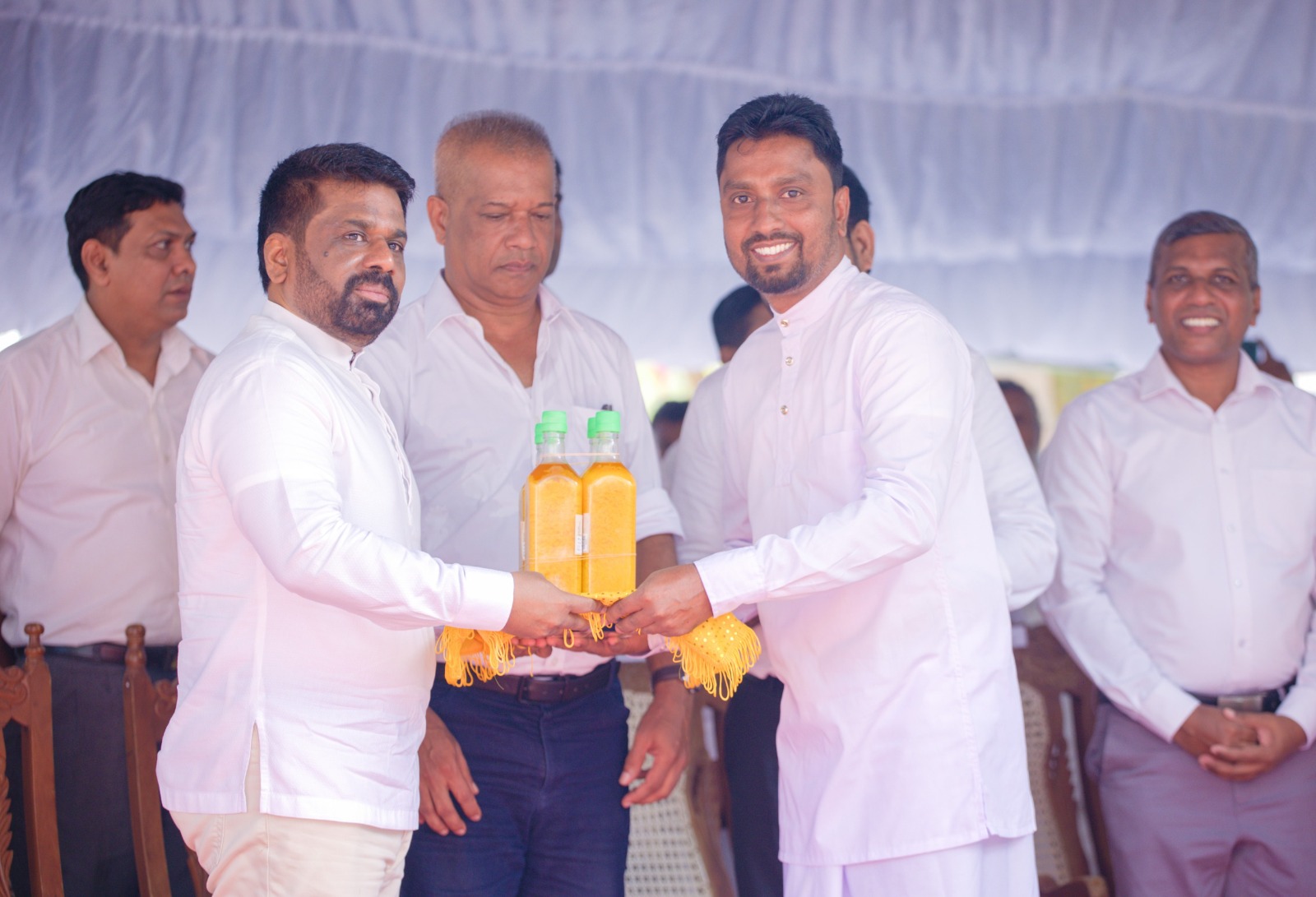
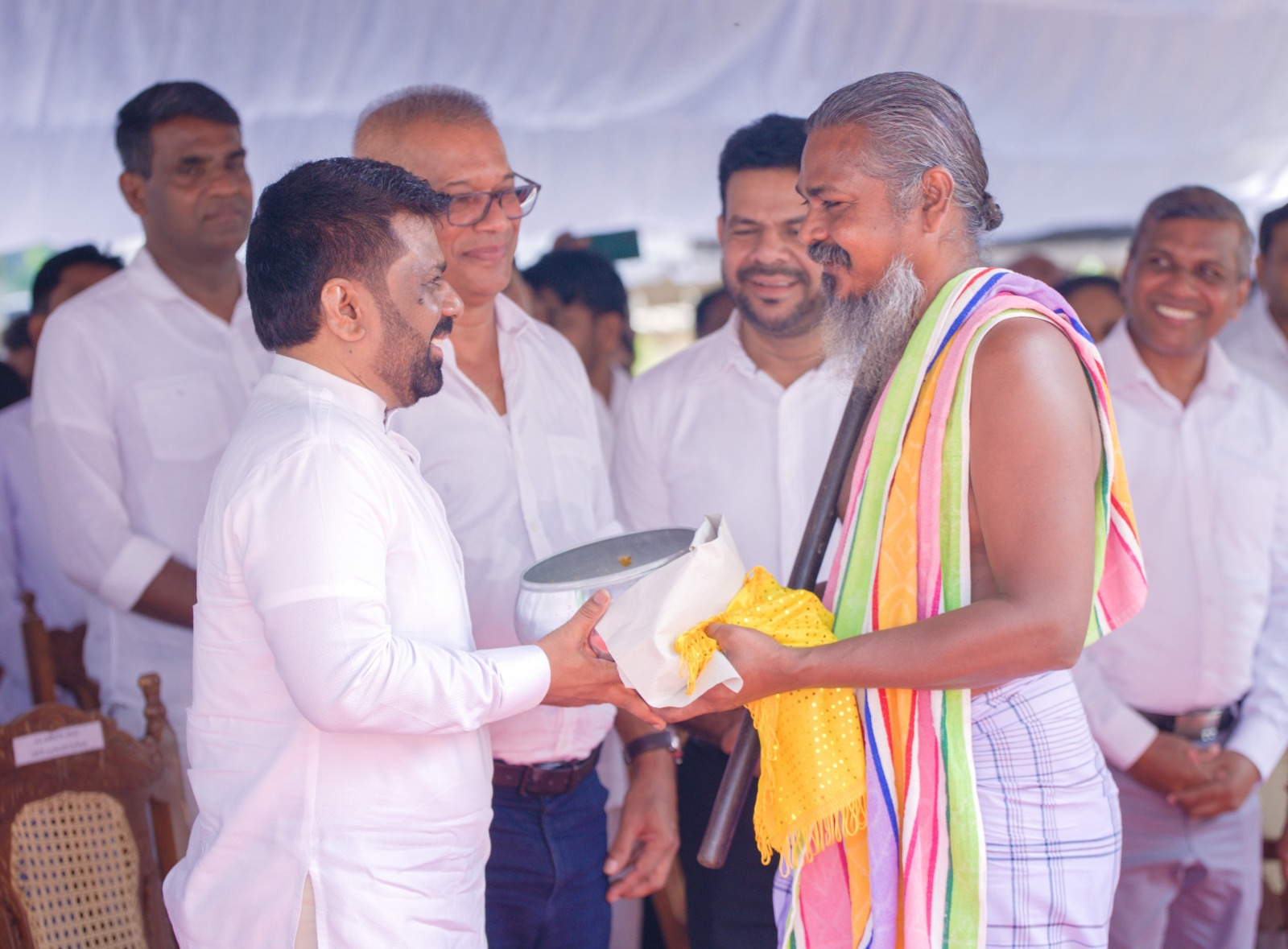
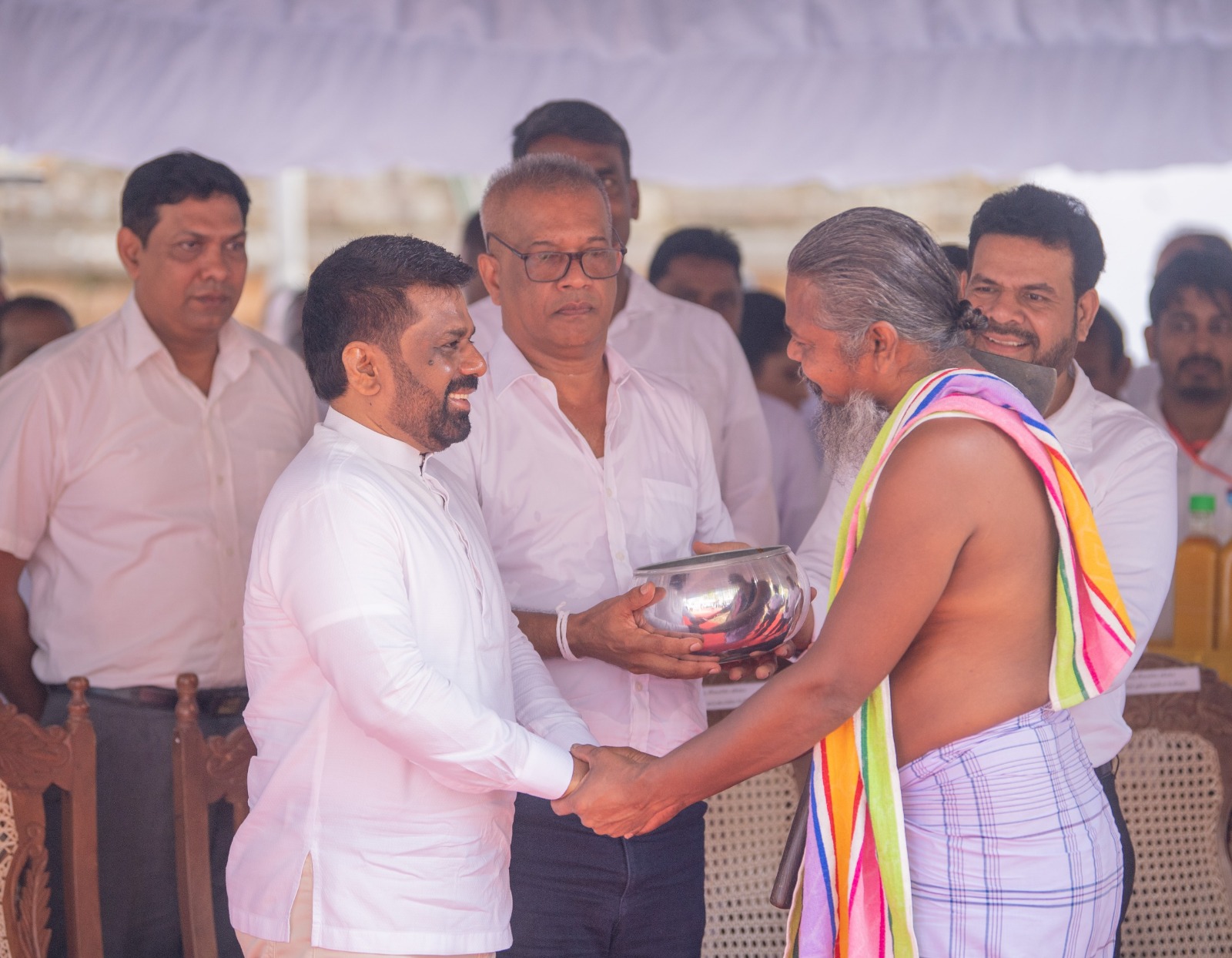
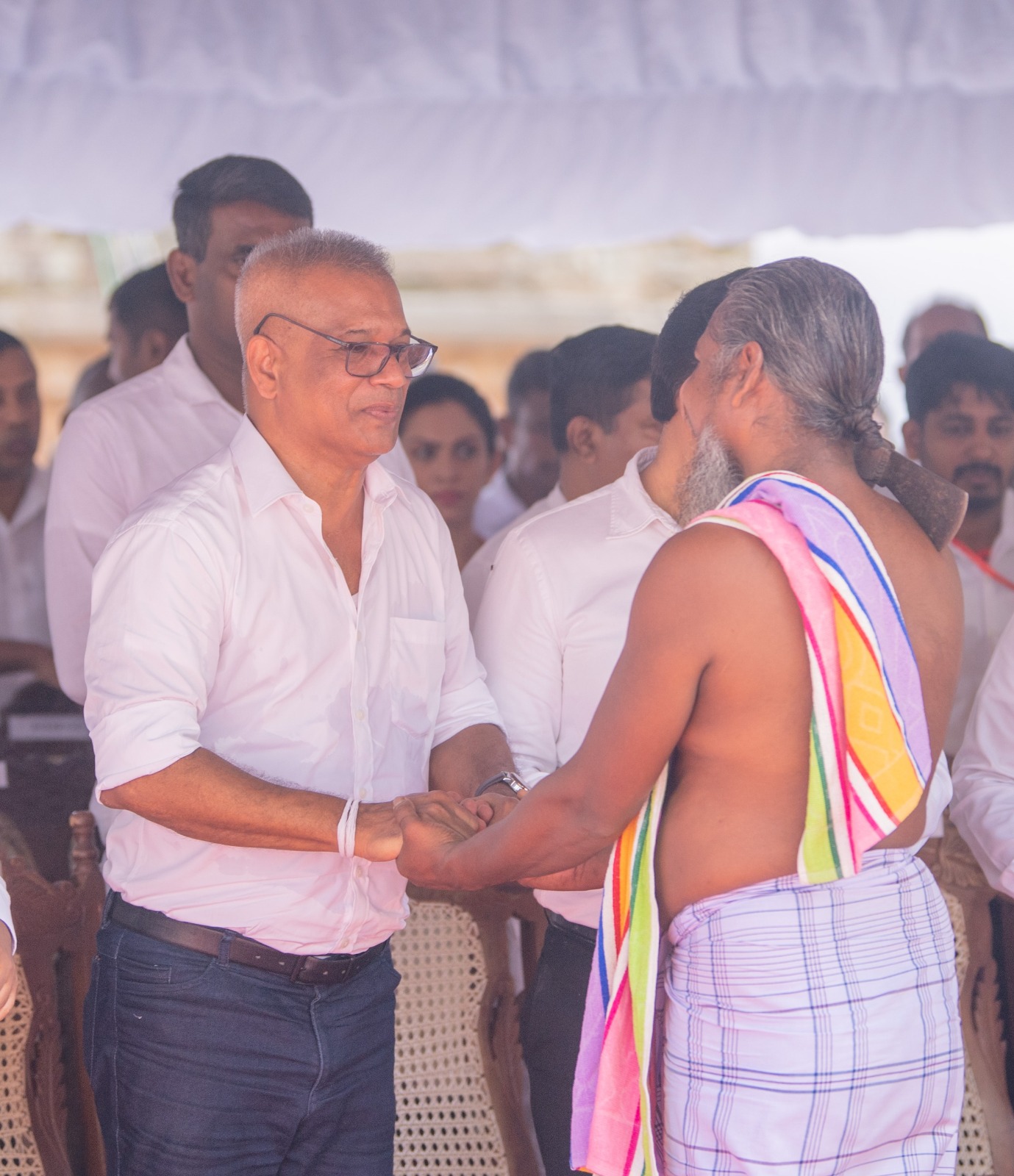
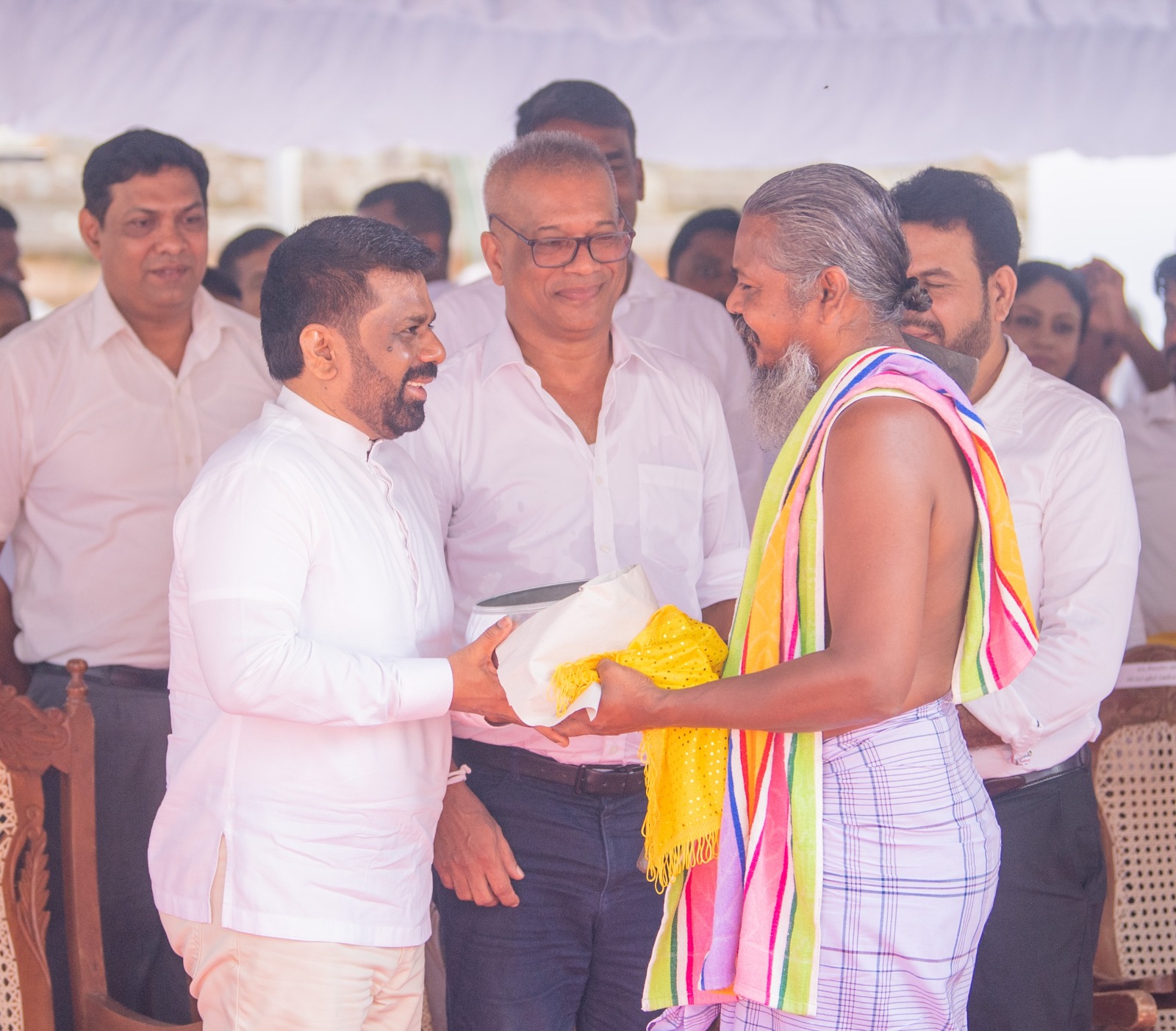
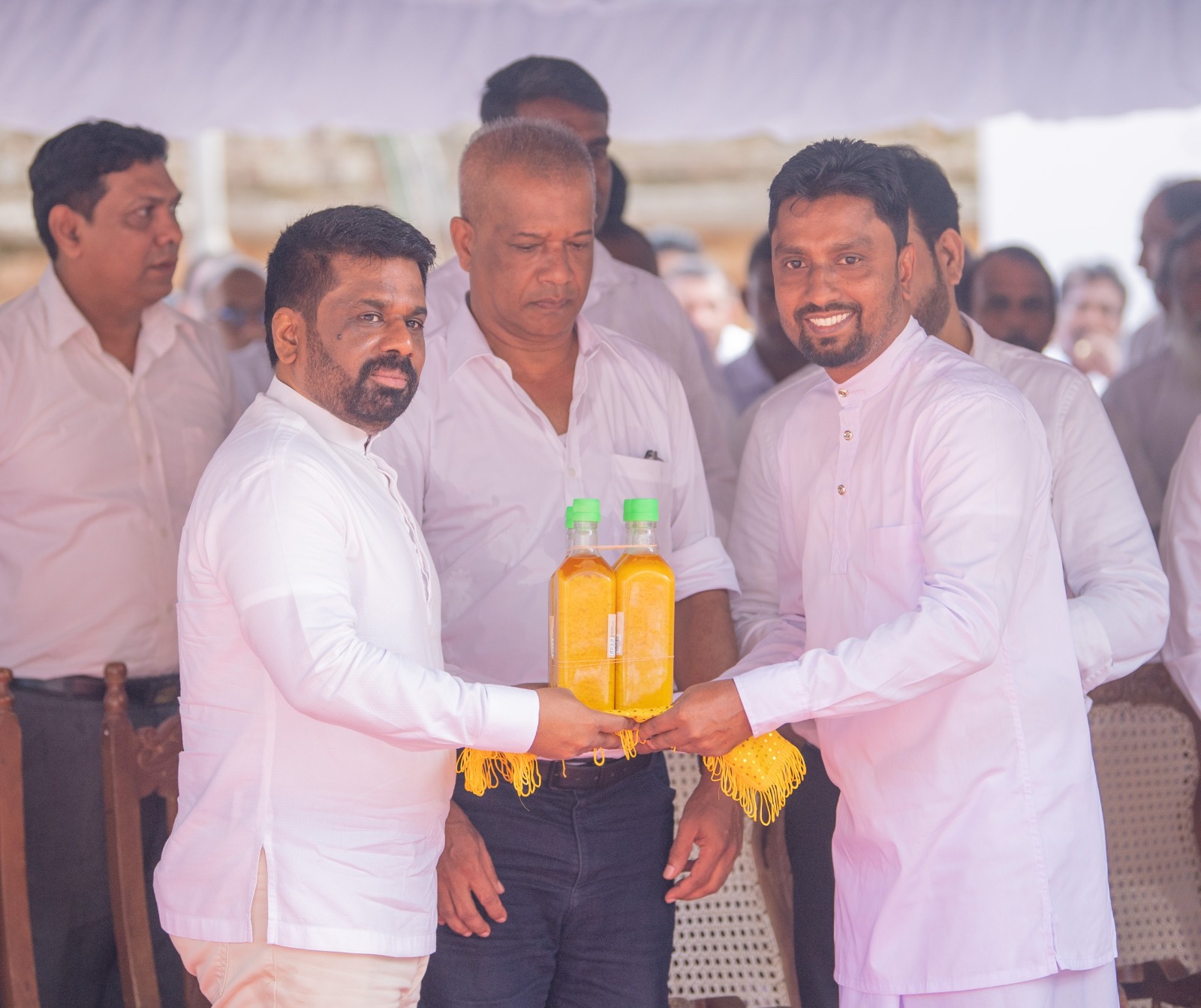
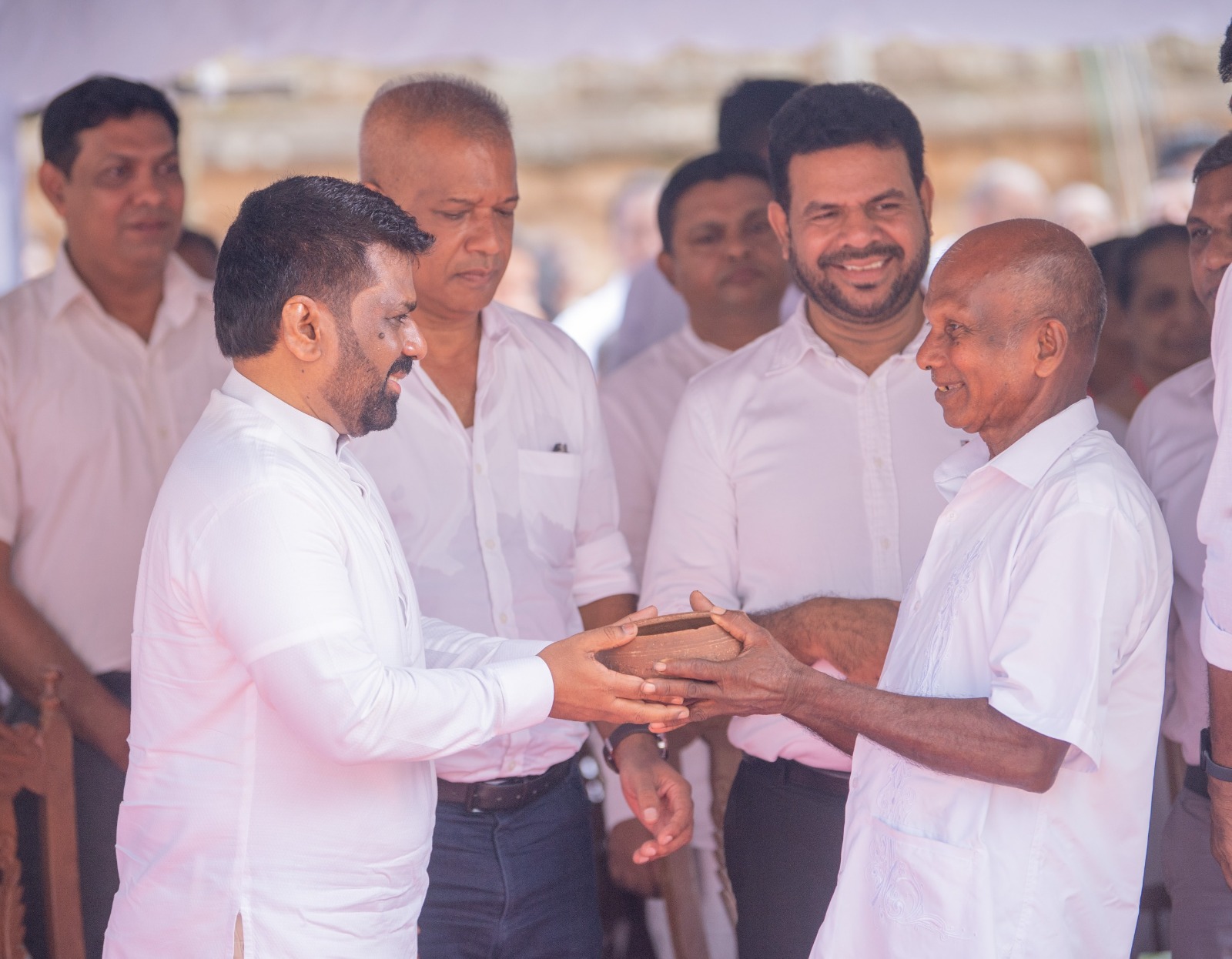
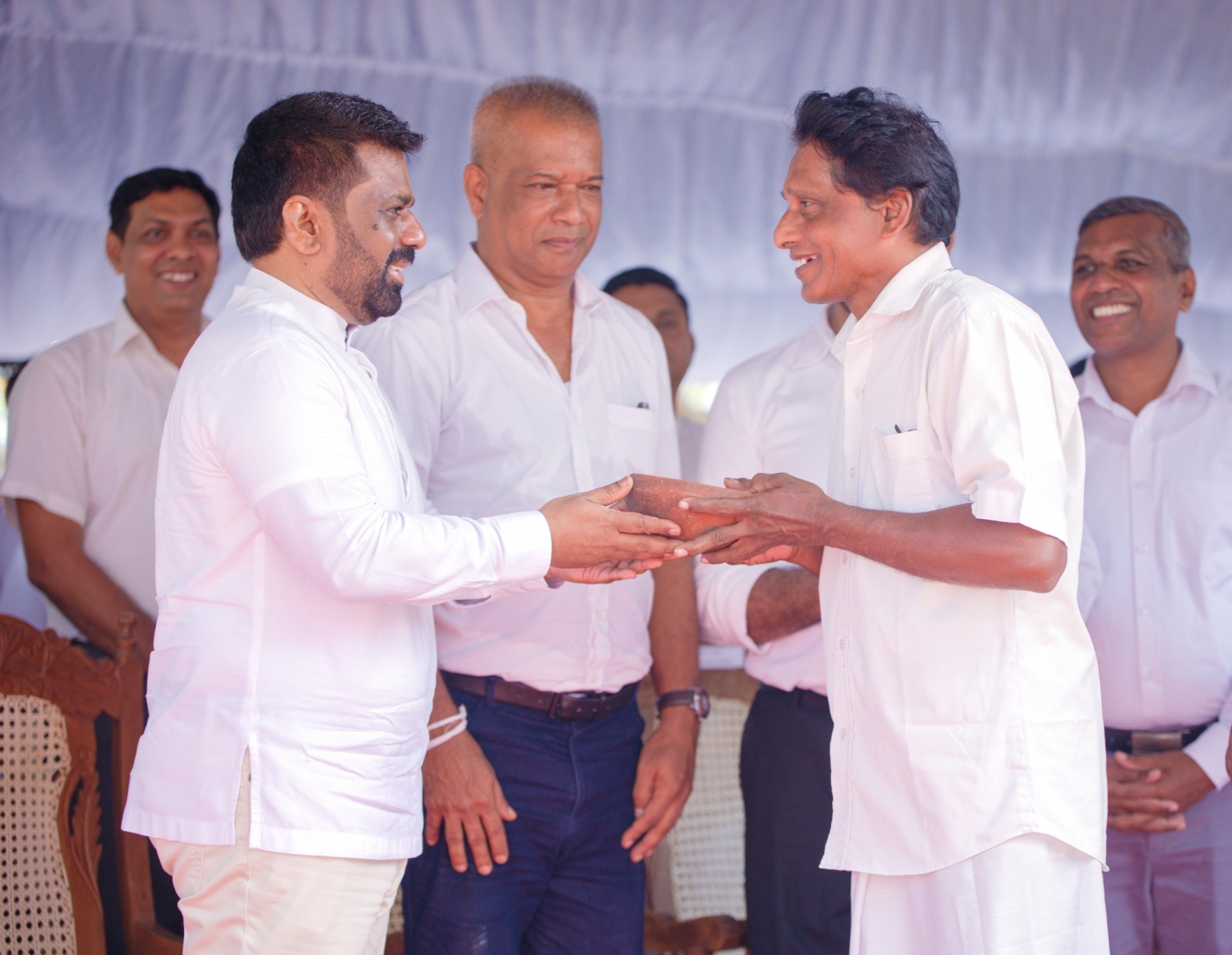
As part of the traditional offerings, the clean honey bowl—prepared for the honey offering to Lord Jaya Sri Maha Bodhi—was presented to the President by tribal Upanayaka Gunabandiyala Atthana. Similarly, the ghee bowl, brought from the historic Saman Devalaya in Sabaragamuwa, was presented to the President for the ghee offering.
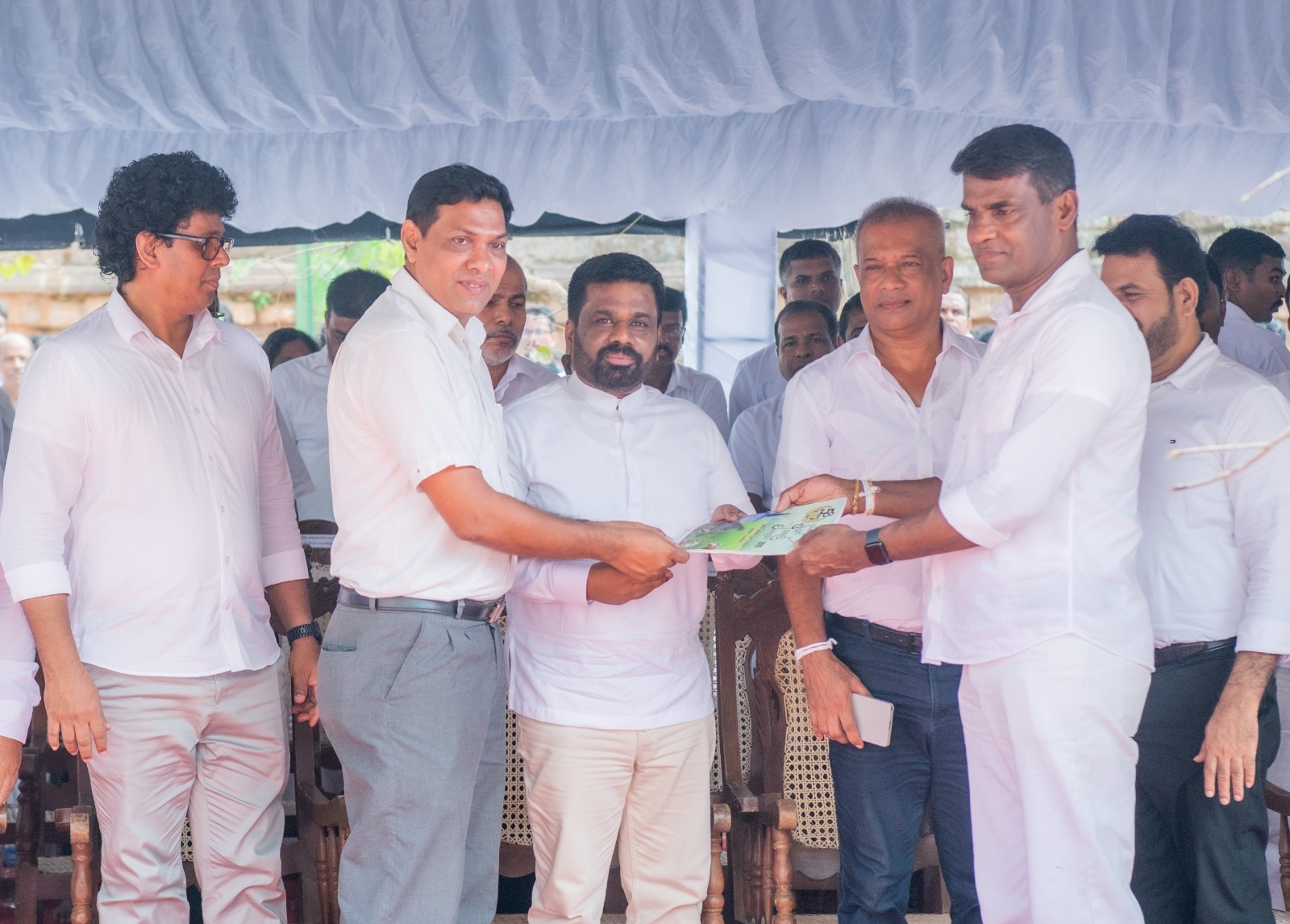
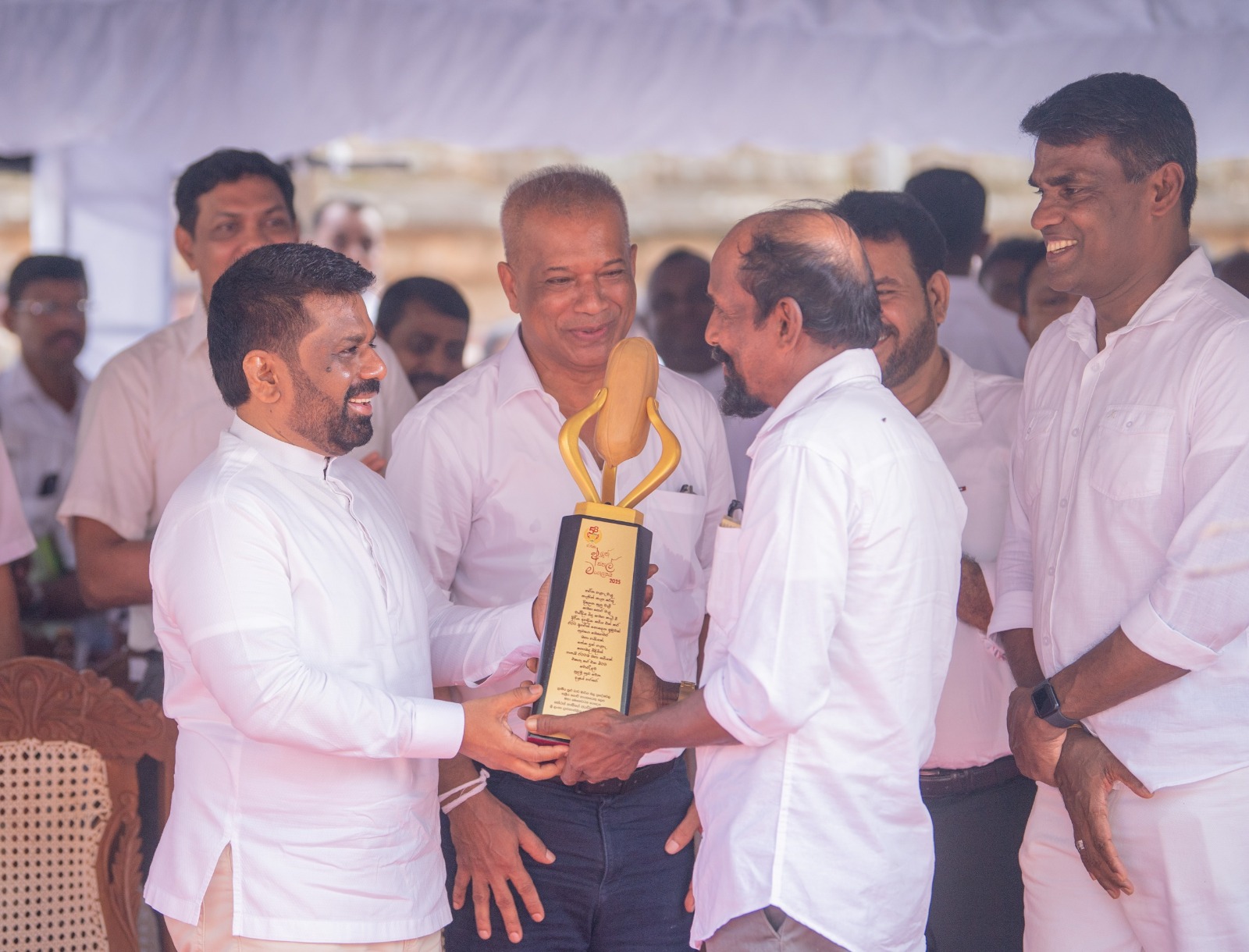
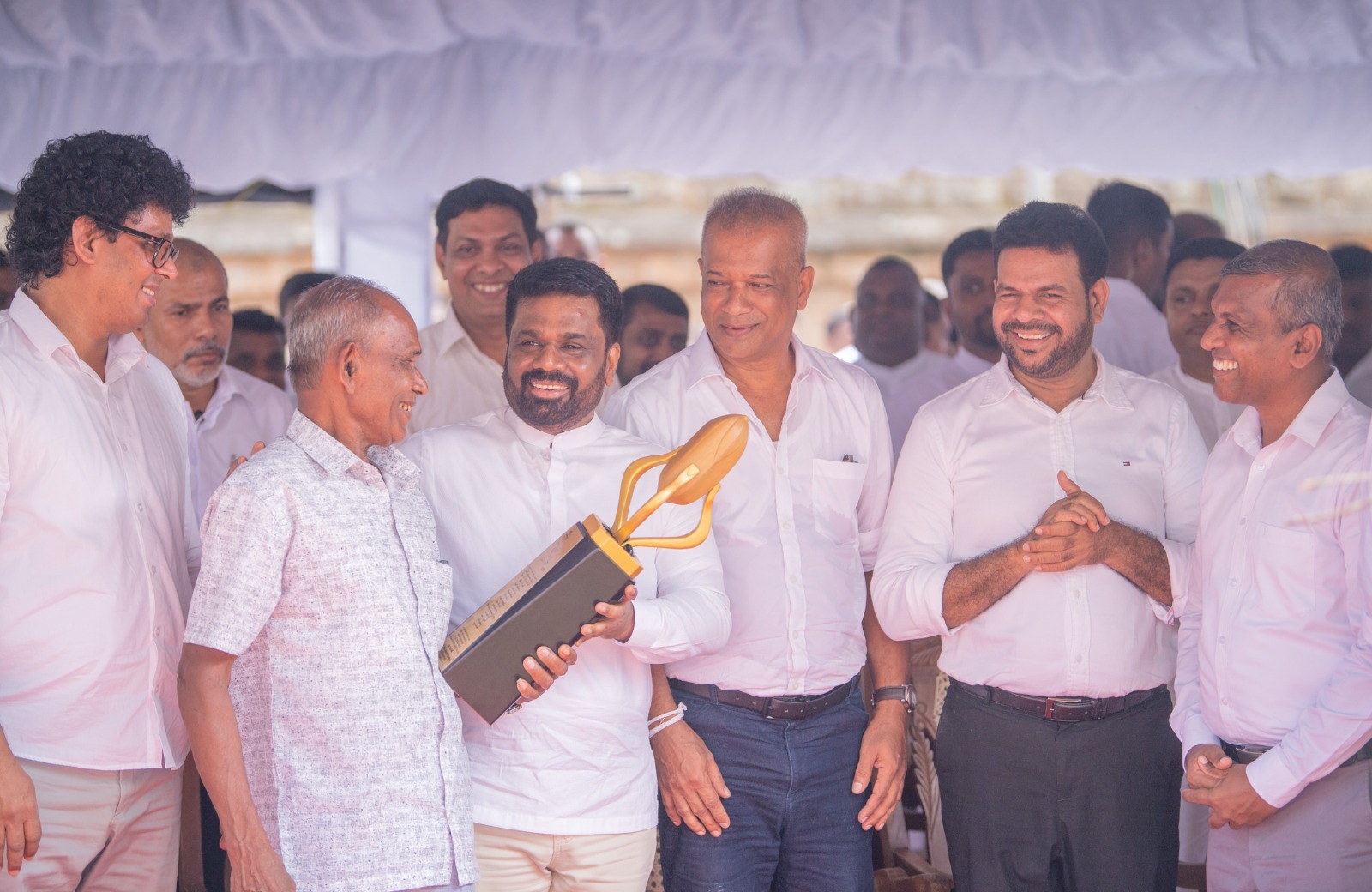
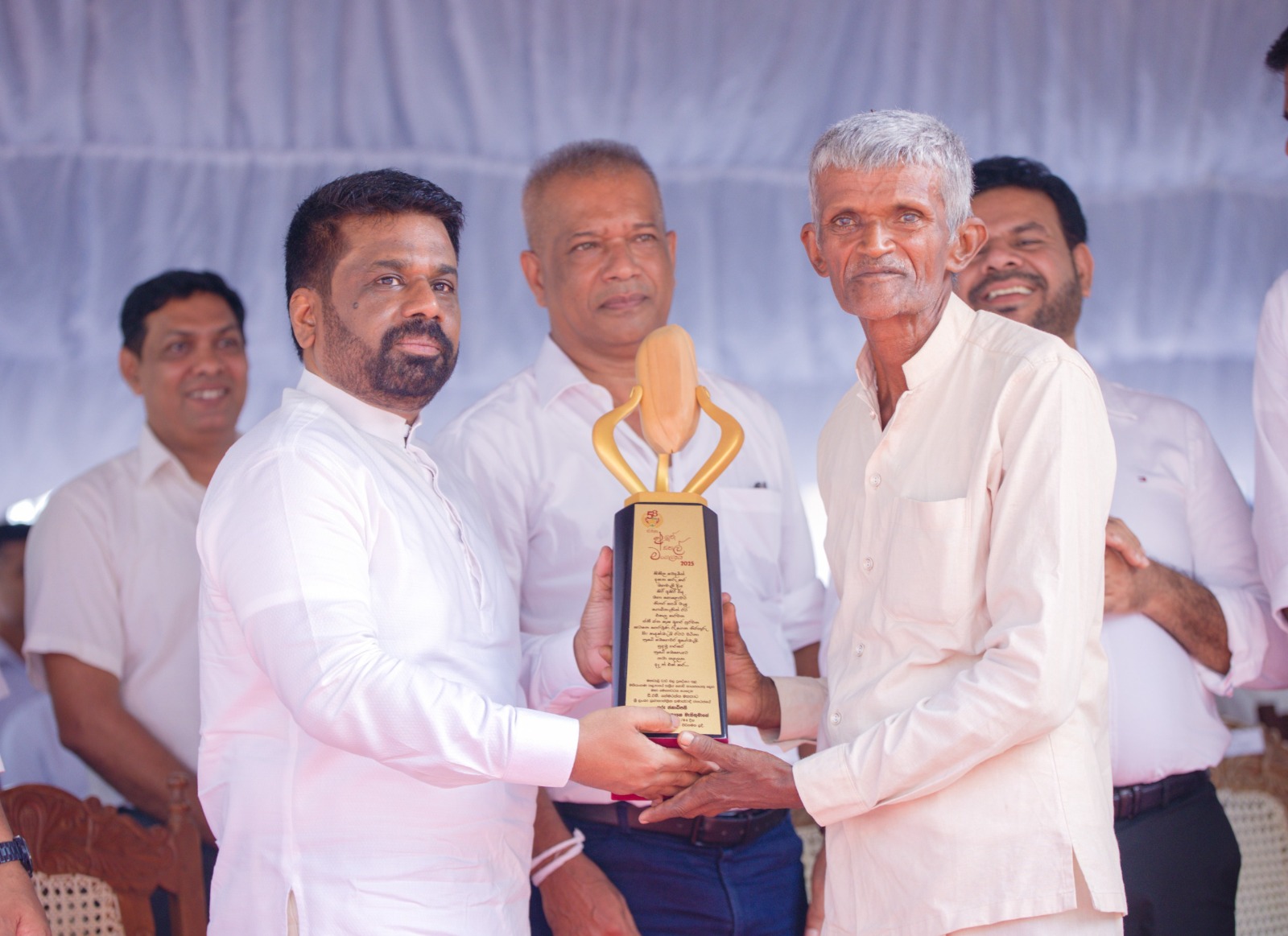
The commemorative plaque of the 58th National New Rice Festival was also presented to President Dissanayake. In recognition of their service, the President awarded commemorative gifts to leading farmers who have significantly contributed to the development of agriculture in Sri Lanka.
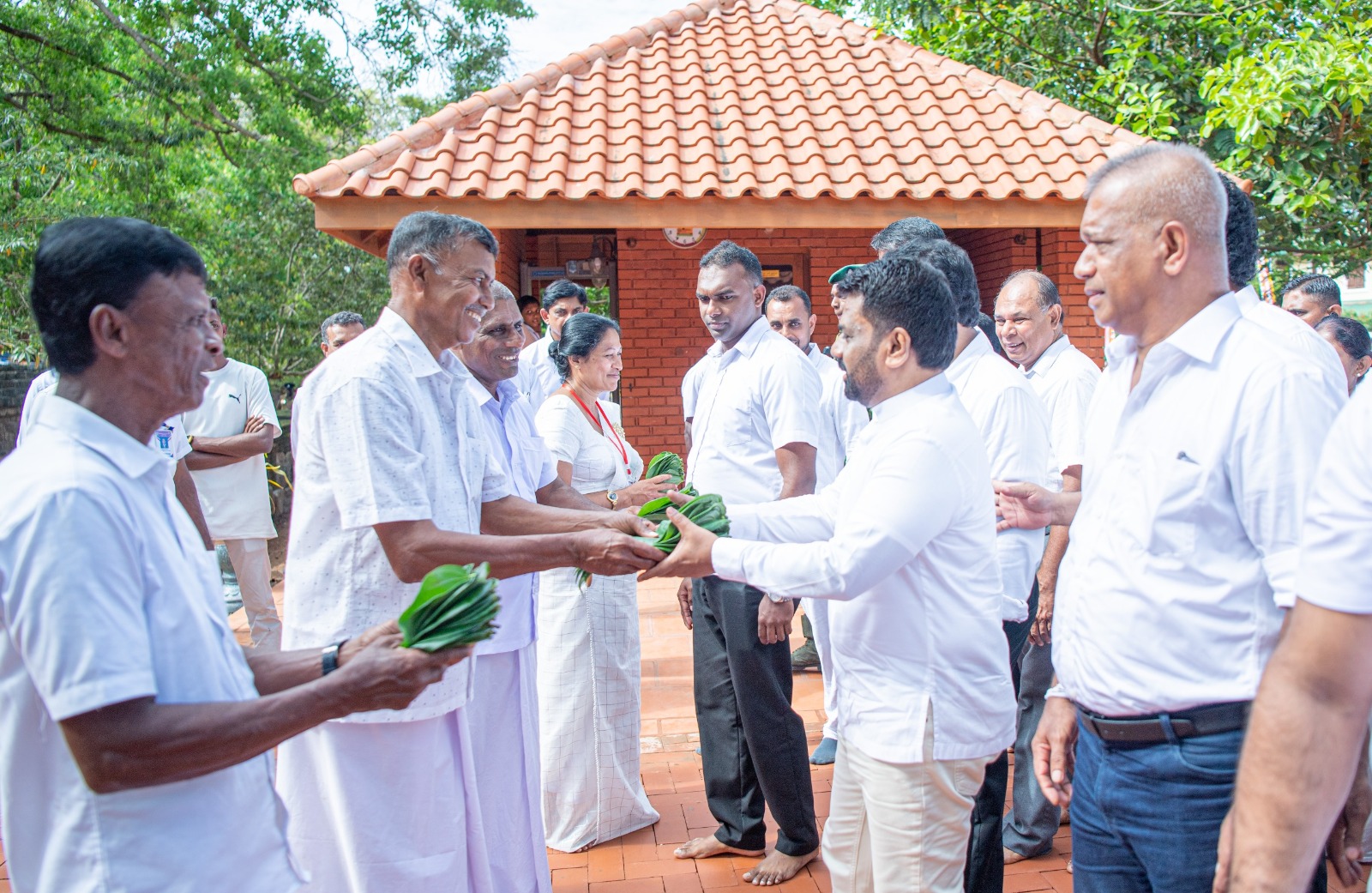
In an effort to promote organic farming, the President participated in the distribution of seed paddy to provincial-level farmers, aimed at achieving a poison-free harvest.
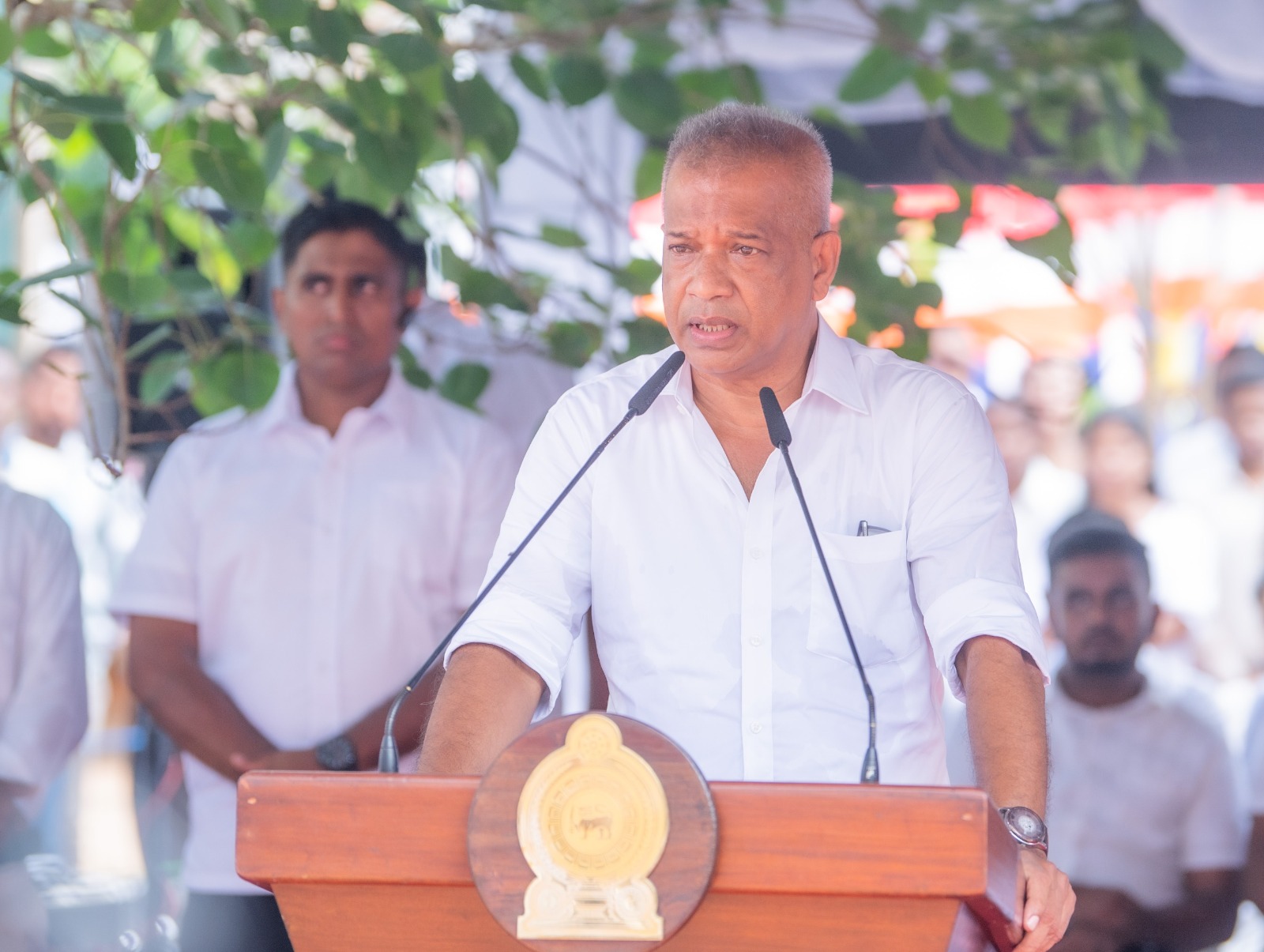
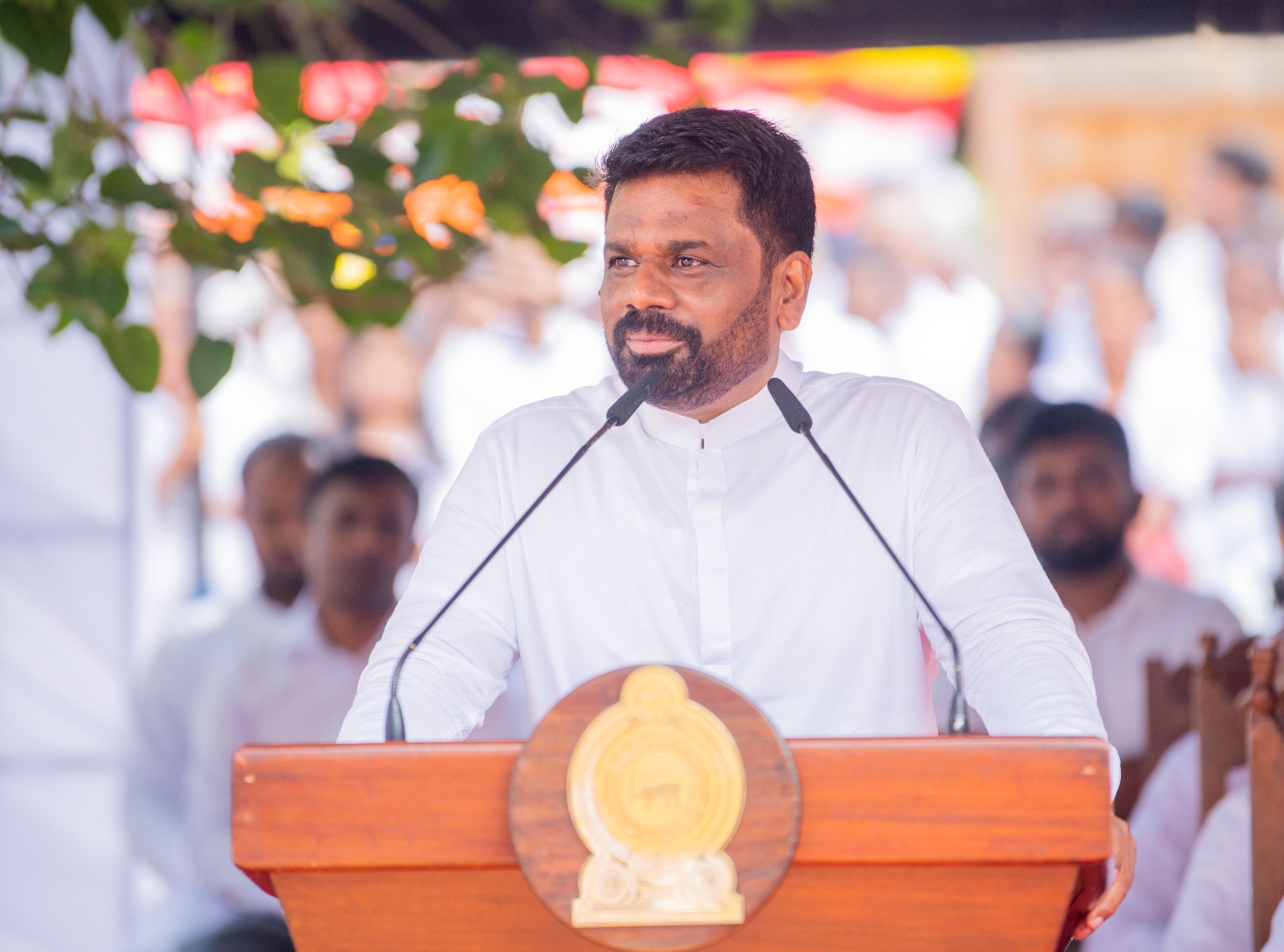
Delivering his remarks at the ceremony, President Anura Kumara Dissanayake emphasized that the current administration is working to correct the course of an economic model that had gone astray. He pointed out that the Paddy Marketing Board had incurred a debt of Rs. 280 billion due to the neglect and destruction of paddy warehouses.
He assured the public that the government has accepted the responsibility of restoring and rebuilding this vital infrastructure. The President called upon the entire farming community and agricultural institutions to join hands in revitalizing the agricultural heritage and strengthening the national economy by aligning with the country’s cultural and traditional core values.
Highlighting Sri Lanka’s historical agricultural legacy, the President noted that the greatness of past kings stemmed from their commitment to agriculture and the irrigation system. He stressed the importance of becoming self-sufficient in food production for national resilience.
He further noted that as the world engages in discussions around sustainable development, Sri Lanka’s ancient Vapi civilization stands out as a model example. The country’s 2,000-year-old irrigation system, he said, continues to play a key role in sustainable agricultural development.
To that end, the President announced an allocation of Rs. 2 billion in this year’s budget for the reconstruction of the irrigation system, including the commencement of the North Central Maha Ela Project, aimed at bolstering agricultural productivity.
Additionally, the government has outlined plans to develop seed farms, with a focus on achieving self-sufficiency in seed production while safeguarding genetic rights.
President Dissanayake concluded by underscoring the necessity for fair pricing for both farmers and consumers. Acknowledging the long-standing market distortions, he affirmed that the government will take proactive measures in the coming two to three years to address these issues and restore balance in the agricultural sector.