

A memory is the greatest inheritance of our hearts. Where memory is lost, we become bearers of an empty space. Memory exists through names, objects, sounds, scents, and touch. Within memory are stored countless emotions such as love, compassion, sorrow, and happiness. It gathers fragments of different moments with its gentle hands and binds them within the heart.
Through these memories, I came across a museum that made me realize how important memories are in making the world a better place. Can you believe that it is a remarkable museum born from a book? Moving beyond the traditional concept of museums, this place spreads its wings to share a range of unique ideas. It is a distinctive collection of memories. Sri Lanka Latest News
Last Friday, I visited the Colombo Public Library from Matara to donate books for libraries. During that visit, I met my senior friend Samantha David Karunaratne, who had previously worked as a librarian at an institution where I was once employed. While we were speaking about the museum established within the public library, she told me, “Sanda, another museum has been opened here. You can go and see it. Your friend whom we once met at the British Council often visits that museum…”
The friend she mentioned is a researcher who studies collections of memories. His name is Johan Peiris.
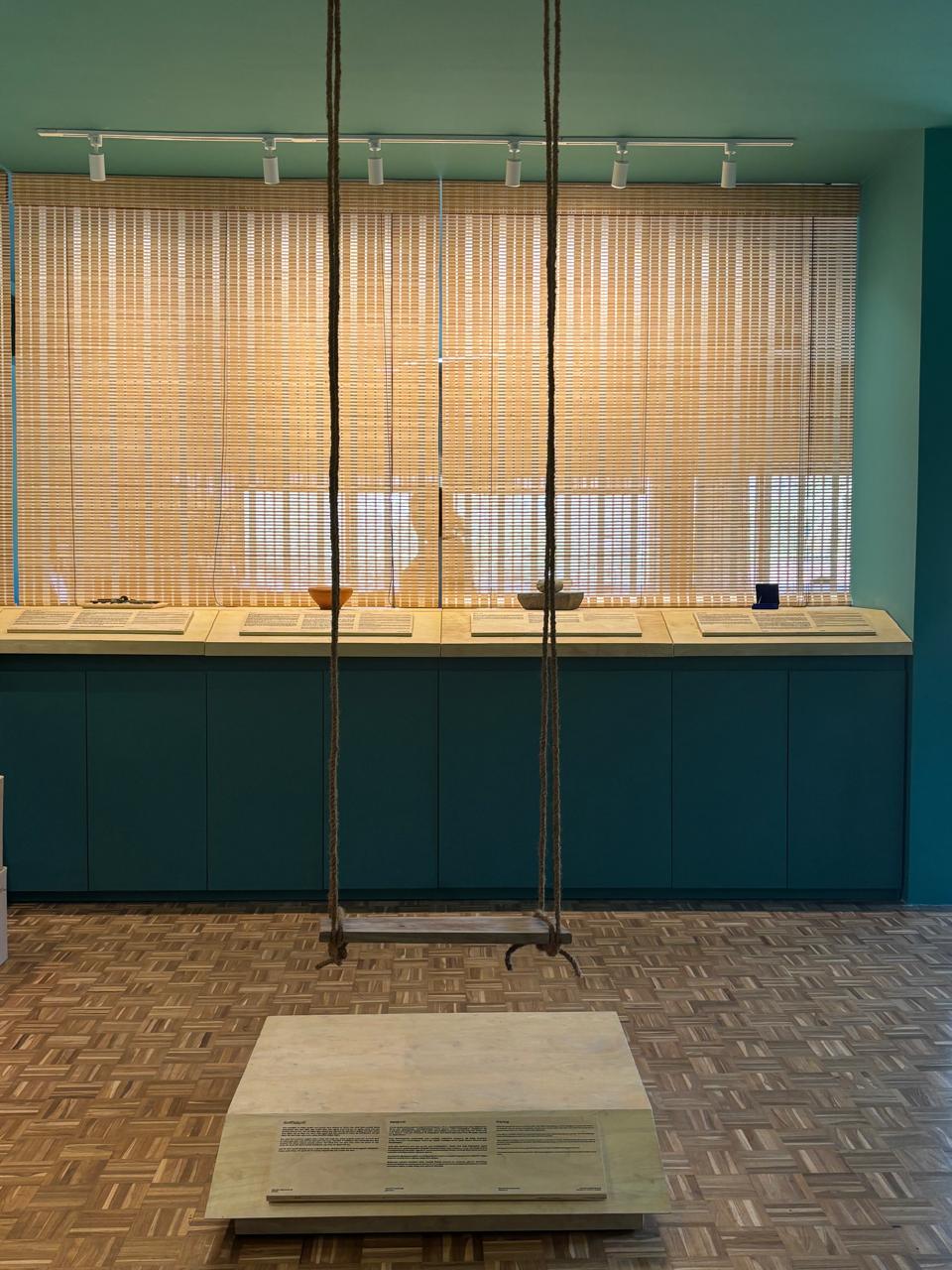
With that, she took me to this new gallery. As we entered, what immediately caught our eyes was a swing—one that seemed to float on memories, yet was tied with two sorrowful ropes. To the right, near a table, sat a pleasant young woman named Saumya Amarasinghe, who served as a guide there. My senior friend introduced me to her, mentioning my connection to Johan. She warmly welcomed us and explained how time and space exist within this unique museum.
The special feature of this place is that it is a memory chamber created based on a book written through personal memory sources. Centered around the book “Memory Archives,” published by Historical Dialog.lk and edited by Malathi de Alwis and Hasini Haputhanthri, this museum takes us into a space of self-reflection about the many duties and responsibilities we have neglected. It is clear to anyone who reads the book that it has the power to transform society.
Interestingly, about two years ago, my friend Johan had gifted me this very book. When I read it back then, I never imagined—even in my dreams—that one day it would become a living, breathing museum established in Colombo 7.
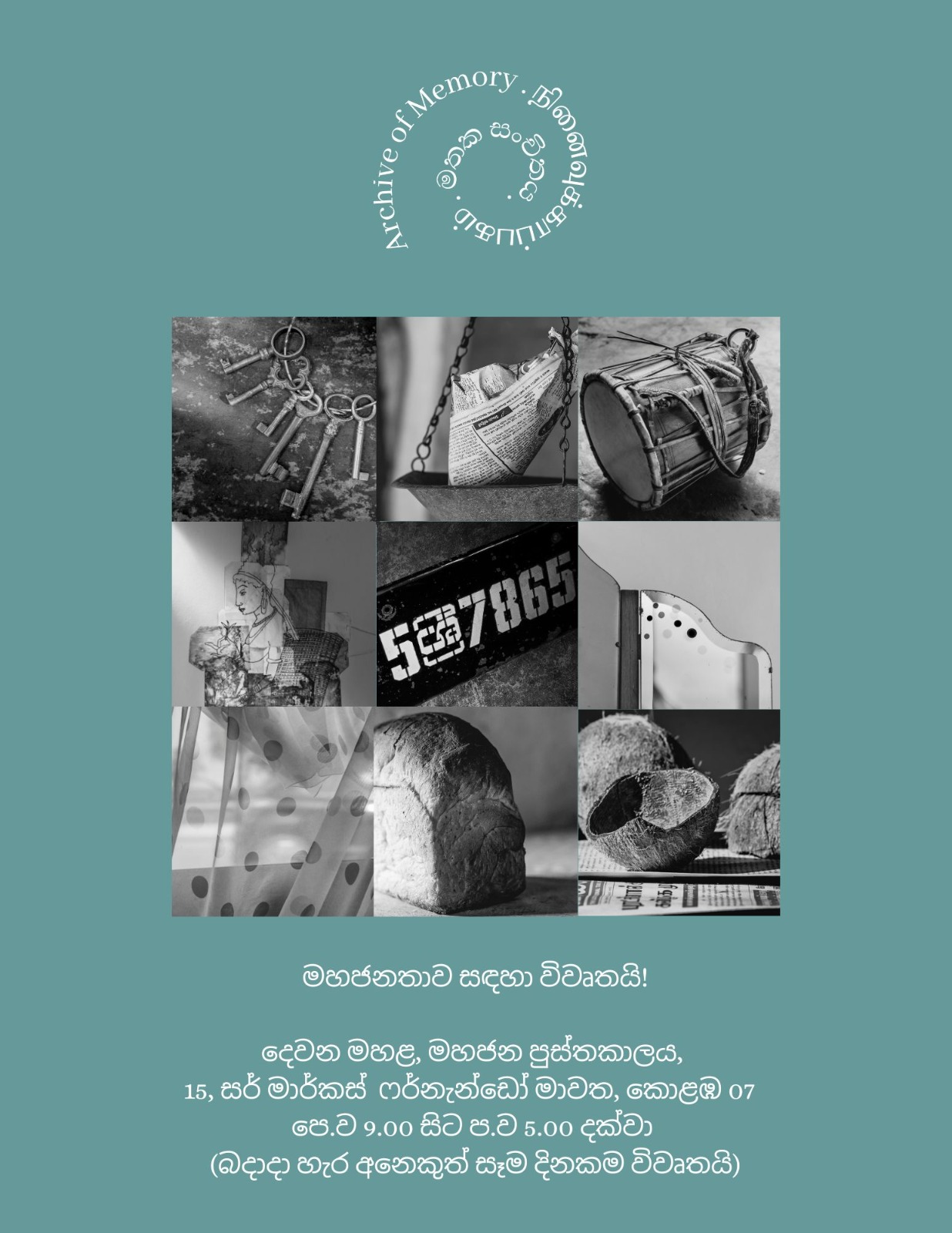
“It is a collection of stories and objects that present Sri Lanka’s recent history through the personal memories and perspectives of ordinary people. It is an oral history project that invites both young and older generations into dialogue. It is a space to meet, read, listen, reflect, share, and learn from one another…” — that is their theme.
What existed there were the inheritances of ordinary lives. They did not belong to royal lineages or carry grand historical prestige. There were no divisions between elite and non-elite. Instead, each item held a story and an emotion connected to it—a symbolic representation of a memory. In essence, it was a reflection of events that took place in this country after independence.
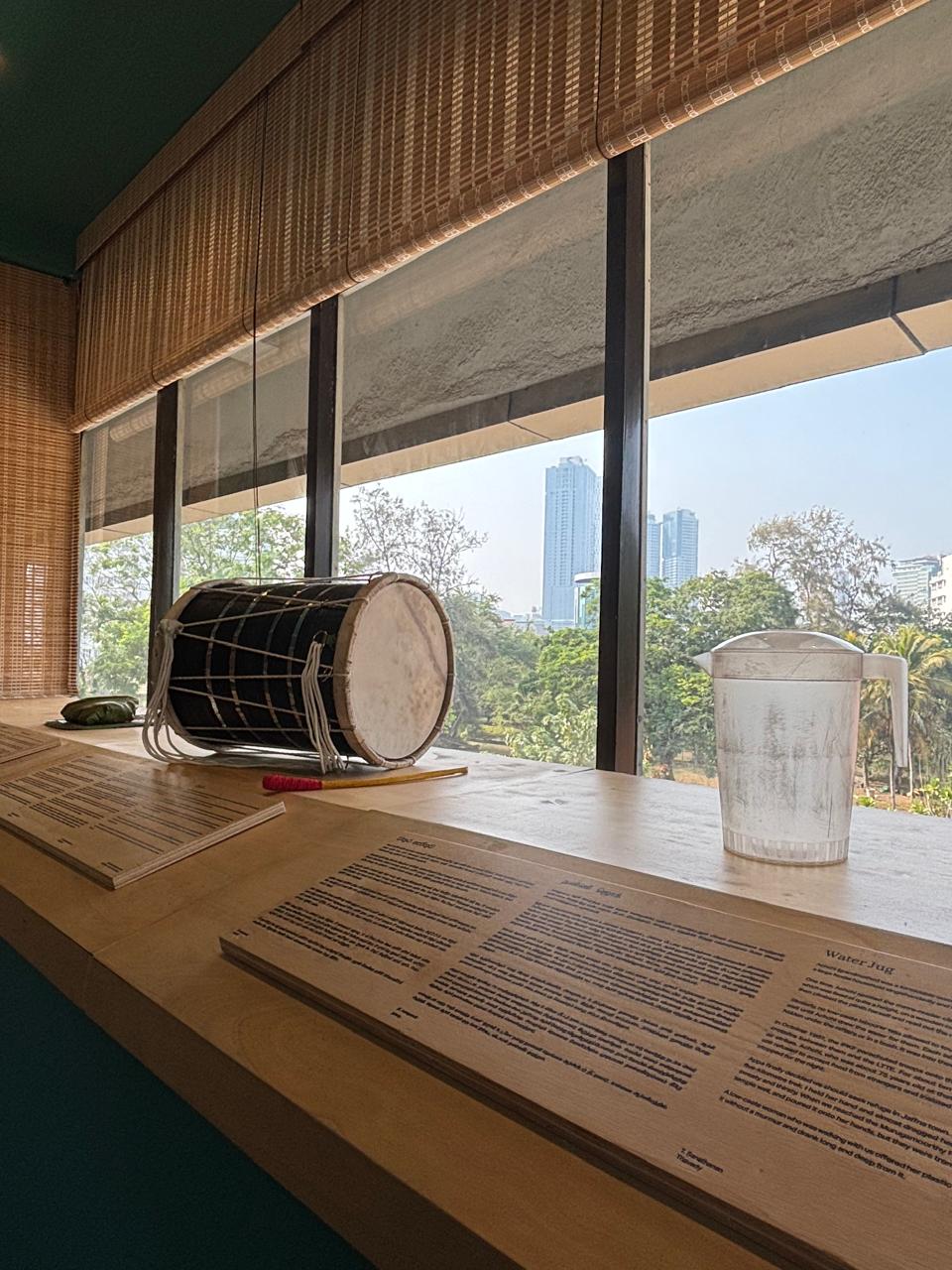
In one place, there was a cassette tape of Nanda Malini’s Pavana. In another, a signboard reading “Api Sinhala.” Elsewhere, a model of a fish bun, a clock, a pair of spectacles, and a photograph. Each of these objects was rooted in someone’s memory.
Through every story, it became clear how powerful these reflections of memory are in reinforcing the timeless value of respecting others and preserving humanity. Compared to artifacts that glorify kings, these stories seem far more relevant in shaping a peaceful society we live and breathe in today. Rather than preserving grand royal records, these sensitive narratives offer society the gravitational pull of humanity needed for us to move forward together as equals.
Such stories can influence the thinking of future generations more effectively than forced efforts toward peace. They hold a quiet power to naturally foster reconciliation.
Within this collection are memories of war, the tsunami, Black July, the disappearance of the Ranmayura award replica during Lester James Peiris’ funeral, bread queues, the era of white vans, Christmas, and many more. Each page breathes with stories and visual expressions.
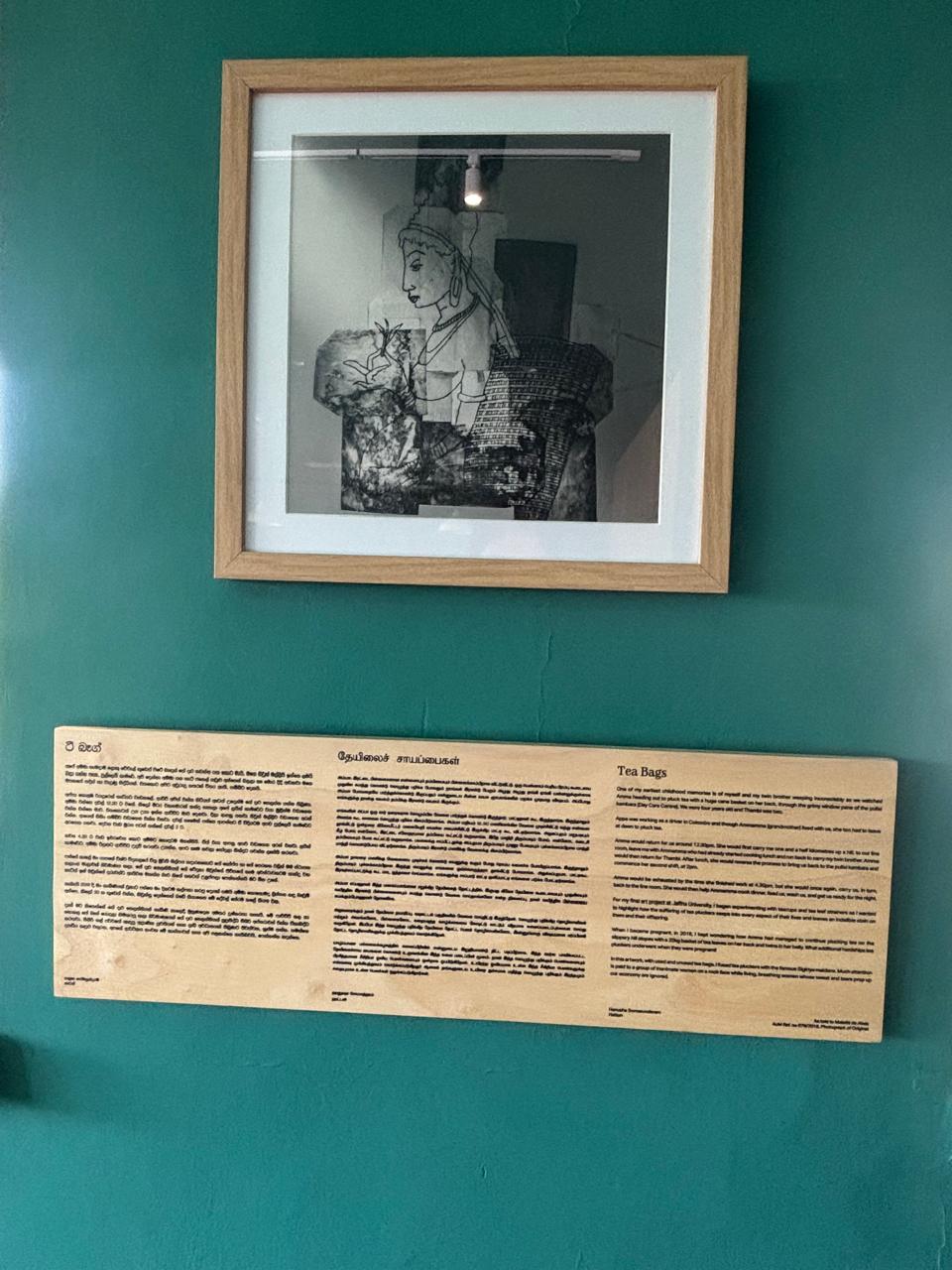
One such story deeply touches the heart. It belongs to a woman named Joanna from Colombo, and her memory object is a Christmas tree. In brief, her story is as follows:
“We love the Christmas season the most. We decorate our home and the Christmas tree. In December 2003, we were preparing to celebrate Christmas. But then we heard the sad news that Gangodawila Soma Thero had passed away. My mother, being a Buddhist, was deeply saddened. Out of respect for her feelings, we did not decorate for Christmas that year. When we went to church, we saw yellow flags everywhere. In other countries, a snowy Christmas is called a White Christmas. But since our entire country was filled with yellow flags, we called it a Yellow Christmas.”
Another story is told by a Muslim woman from Hambantota:
“One day, a woman traveling with a pilgrimage group from a village near Eppawala got separated from her bus. While she was stranded, my husband took her on his motorcycle, followed the bus, stopped it, and safely handed her back to her group. As a gesture of gratitude, she gave him a silver sari pin shaped like a baby elephant lifting its trunk. My husband later gave it to our three-year-old daughter, who loved it dearly and wore it every day.
On the day of the tsunami, my daughter was taken by the sea. I was devastated and wandered along the shore calling her name. One day, while crying and digging through the sand, I found something—it was that very silver pin. I felt as if my daughter had sent it to ask for my forgiveness. From that moment, my disturbed state of mind began to ease…”
Hundreds of such stories are anchored within this archive. It is a privilege not only to see these memory collections but also to listen to them through audio at the location itself. It creates a space for emotions that cannot easily be expressed in words, representing memories from Sinhala, Tamil, Muslim, and many other communities.
The book contains over a hundred such stories. The organizers plan to display them in segments over time. The museum, which offers free exhibitions, invites visitors to return again and again. Instead of preserving lifeless memories, the Colombo Public Library has dedicated space to awaken living ones.
The Colombo Municipal Council, the Public Library, the European Union in Brussels, the German Federal Foreign Office in Berlin, the Yuma Foundation in Colombo, and the Ministry of Justice are among those supporting this initiative.
More than for you, this experience will gift your child a deep sense of emotional sensitivity. If teachers can dedicate even half an hour of a school trip to visit this place, it would be a truly commendable decision.
In the end, this treasury of memories will lay the foundation for a peaceful world to spread its wings.
Sandaresi Sudusinghe
[email protected]