The import and clearance process of goods into Sri Lanka under the permit system has become highly chaotic.
At present, the Colombo Port and the container clearance yards are congested with containers that cannot be cleared. According to regulations, containers must be cleared within fourteen days. However, the current situation has made this increasingly difficult.
Available information indicates that more than 1,000 containers of imported maize are currently stranded at the port. In addition, around 600 containers of salt remain stuck.
The issue has arisen because the import permits expired after the goods were unloaded into the country. Although the expiry date is specified in the permit itself, previous governments did not strictly enforce the date mentioned in the permit. Instead, they considered the date on the bill of lading — the document issued when the goods were shipped — as the relevant reference point.
There was a practical reason for this approach. Many goods are imported from distant countries such as the United States of America and African nations. Shipping delays are common, and vessels often change routes. However, the current government does not appear to take these factors into account.
There is an existing system that allows importers to clear goods by paying a 10% penalty if permits have expired. Nevertheless, under the present administration, goods are reportedly not being released under this provision.
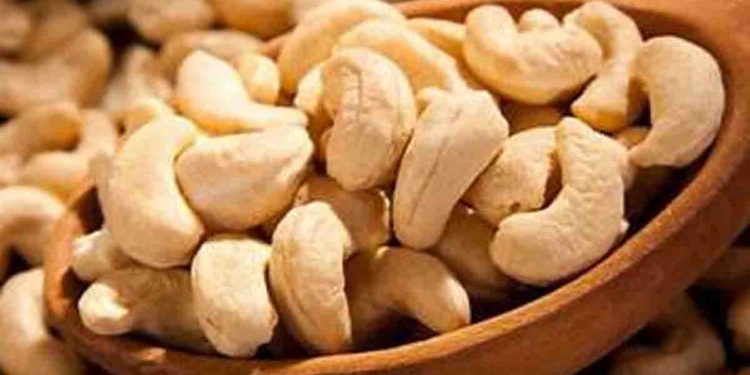
Cashew Shortage Worsens
Sri Lanka is now facing a significant shortage of cashew nuts. With approximately 2.6 million tourists visiting the country, hotels require large quantities of cashews. They are also in high demand for weddings and festive meals.
The country’s annual requirement for peeled cashew nuts stands at 50,000 tons, while domestic production amounts to only 25,000 tons.
Although licenses were recently issued to import cashew nuts, at one point import permission was granted to industrialists for only three days. Industry representatives question whether it is practically possible to import cashews from countries such as Africa or India within such a short timeframe.
The Cashew Producers Association has continuously requested the government to extend the validity period of import licenses. The responsible minister has stated that new licenses will be issued again in September.
There are nearly 30 cashew manufacturing industries operating in the North-Western Province, and the majority of them are currently closed due to the shortage.
Despite reports that cashews are entering Pettah through illegal channels, the Cashew Producers Association warns that the price of cashews could reach around Rs. 12,000 per kilogram by the beginning of the festive season.
Several cashew processing factories have already shut down operations.
According to information received, the minister has also instructed a company exporting processed cashews to return 10 containers of imported cashews.
Sri Lanka’s cashew harvesting season is scheduled to begin next May.
Industry stakeholders note that even during previous administrations, such disruptions did not occur.
By a Special Reporter