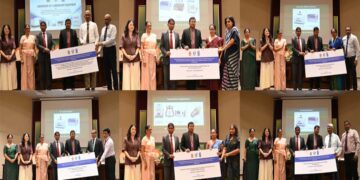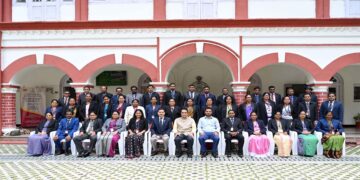
Approximately 18% of Sri Lanka’s total population consists of senior citizens aged 60 years and above, according to Professor Manori Weeratunga, President of the Sri Lanka Demographers’ Association.
She made this statement while addressing the annual Population Conference held at the Sirimavo Bandaranaike Memorial Conference Hall in Colombo.
Professor Weeratunga emphasized the urgent need to strengthen the country’s healthcare system in response to the rapid aging of the population. While noting that life expectancy in Sri Lanka has increased, she stressed that greater priority must be given to improving healthy life expectancy and effectively controlling non-communicable diseases.
She revealed that many individuals tend to seek medical treatment only after their symptoms have worsened, highlighting a significant gap in the early detection of diseases and the adoption of healthy lifestyles.
The Professor further underscored the importance of digitizing healthcare services, developing effective early detection systems, and implementing a comprehensive life-course approach to healthcare that ensures continuous services from birth to death.
During the conference, it was also observed that Sri Lanka’s fertility rate is gradually declining, with a noticeable reduction in the younger population’s inclination to have children.
Mr. Pantsho Wangel, Representative of the United Nations Population Fund (UNFPA), also expressed his views regarding these strategic challenges.