

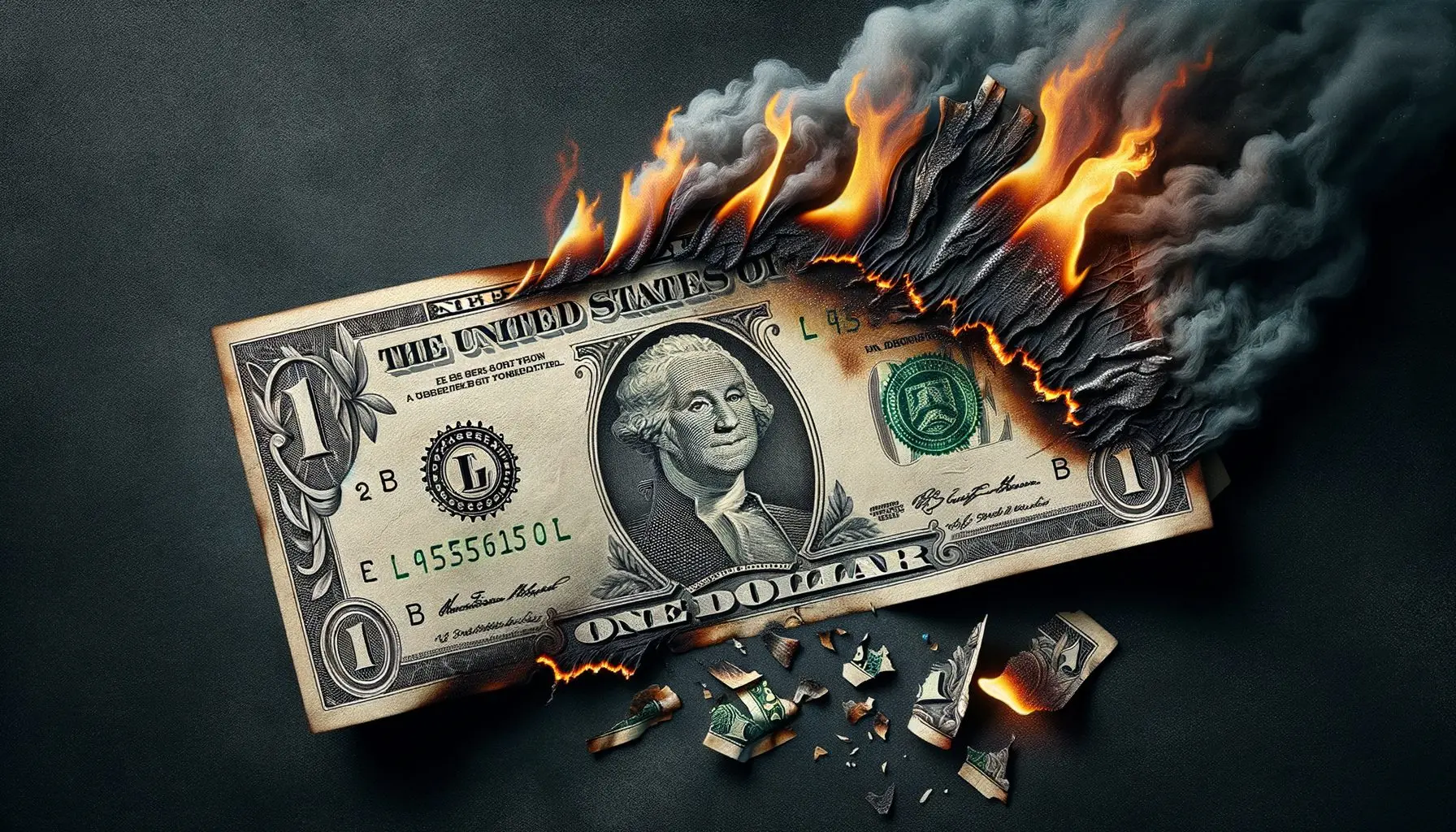
Several nations worldwide are actively seeking to disrupt the dominance of the U.S. dollar. Countries have increasingly endorsed local currencies or proposed the launch of alternative currencies to reduce reliance on the dollar. De-dollarization has gained significant momentum, particularly following the efforts of the BRICS bloc. Now, three African nations—Niger, Mali, and Burkina Faso—have signaled their interest in joining this movement.
De-dollarization aims to reduce dependence on the U.S. dollar in global trade, financial transactions, and as a reserve currency. The BRICS group—comprising Brazil, Russia, India, China, and South Africa—has been exploring alternative currencies for trade. Inspired by this initiative, Niger, Mali, and Burkina Faso are now preparing to introduce a new currency of their own.
African Nations Shift Toward Economic Independence
All three of these nations, formerly French territories, have undergone military takeovers in recent years and are currently governed by military administrations. By launching a new currency, they seek to adopt a strategy similar to BRICS to further the de-dollarization agenda. Additionally, they have established the Alliance of Sahel States (AES), a new defense partnership aimed at strengthening regional cooperation.
The AES bloc envisions the creation of a “West Africa” currency that is independent of the U.S. dollar. The objective is to use this new currency for trade settlements instead of the dollar. General Abdourahmane Tiani, the head of Niger’s ruling military junta, has emphasized the importance of this move in securing economic sovereignty.
Potential U.S. Response: Tariff Threats
The shift away from the U.S. dollar has not gone unnoticed in Washington. Former U.S. President Donald Trump has repeatedly expressed strong opposition to de-dollarization efforts. He has warned of imposing 100% tariffs on nations that attempt to undermine the dollar or support an alternative currency.
“We are going to require a commitment from these seemingly hostile countries that they will neither create a new BRICS currency nor back any other currency to replace the mighty U.S. dollar, or they will face 100% tariffs,” Trump stated.
As the global landscape shifts, these African nations’ decision to move away from the dollar could have significant economic and geopolitical consequences. Whether they succeed in implementing their new currency remains to be seen, but their efforts signal a broader challenge to the long-standing dominance of the U.S. dollar.