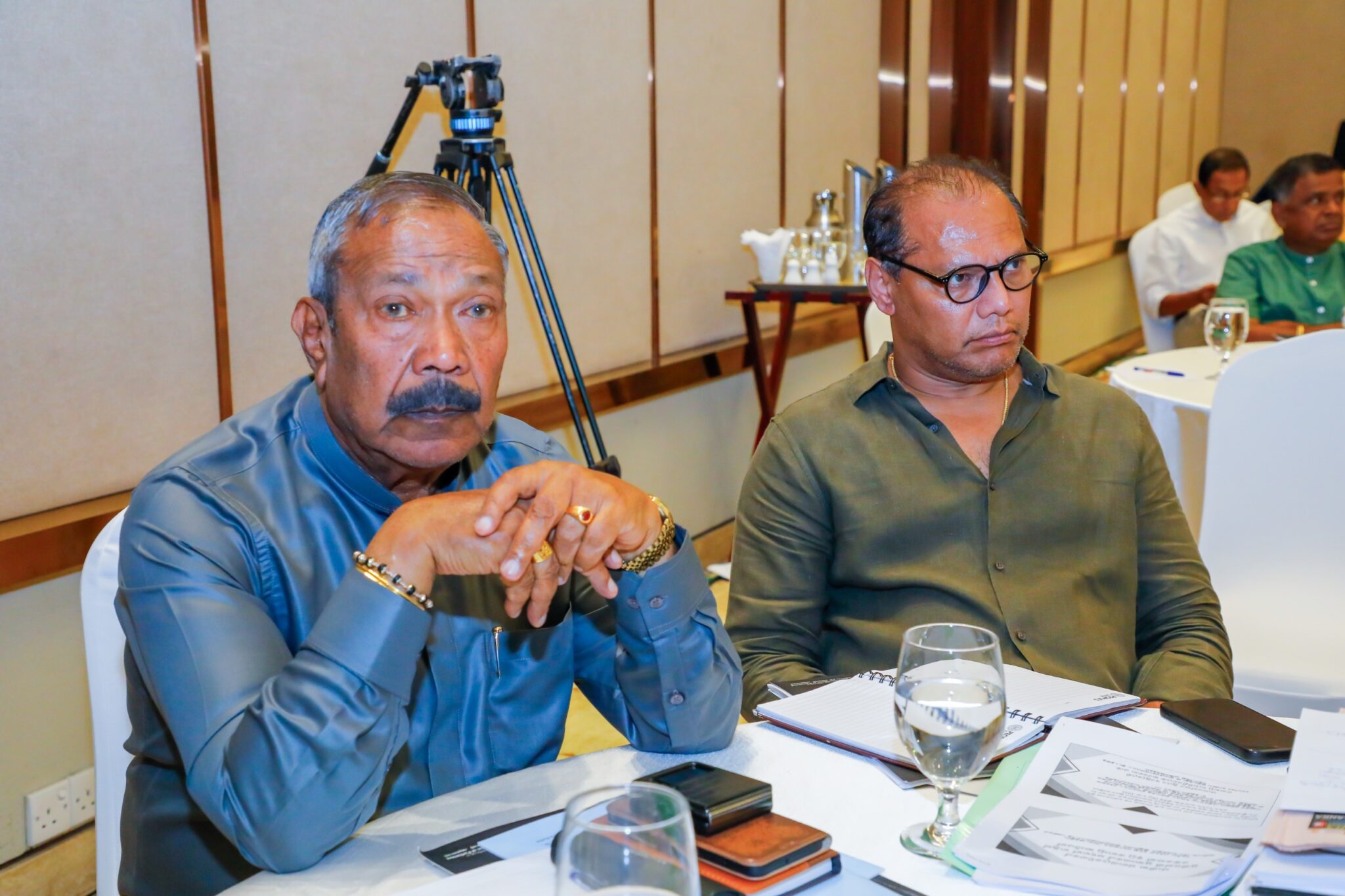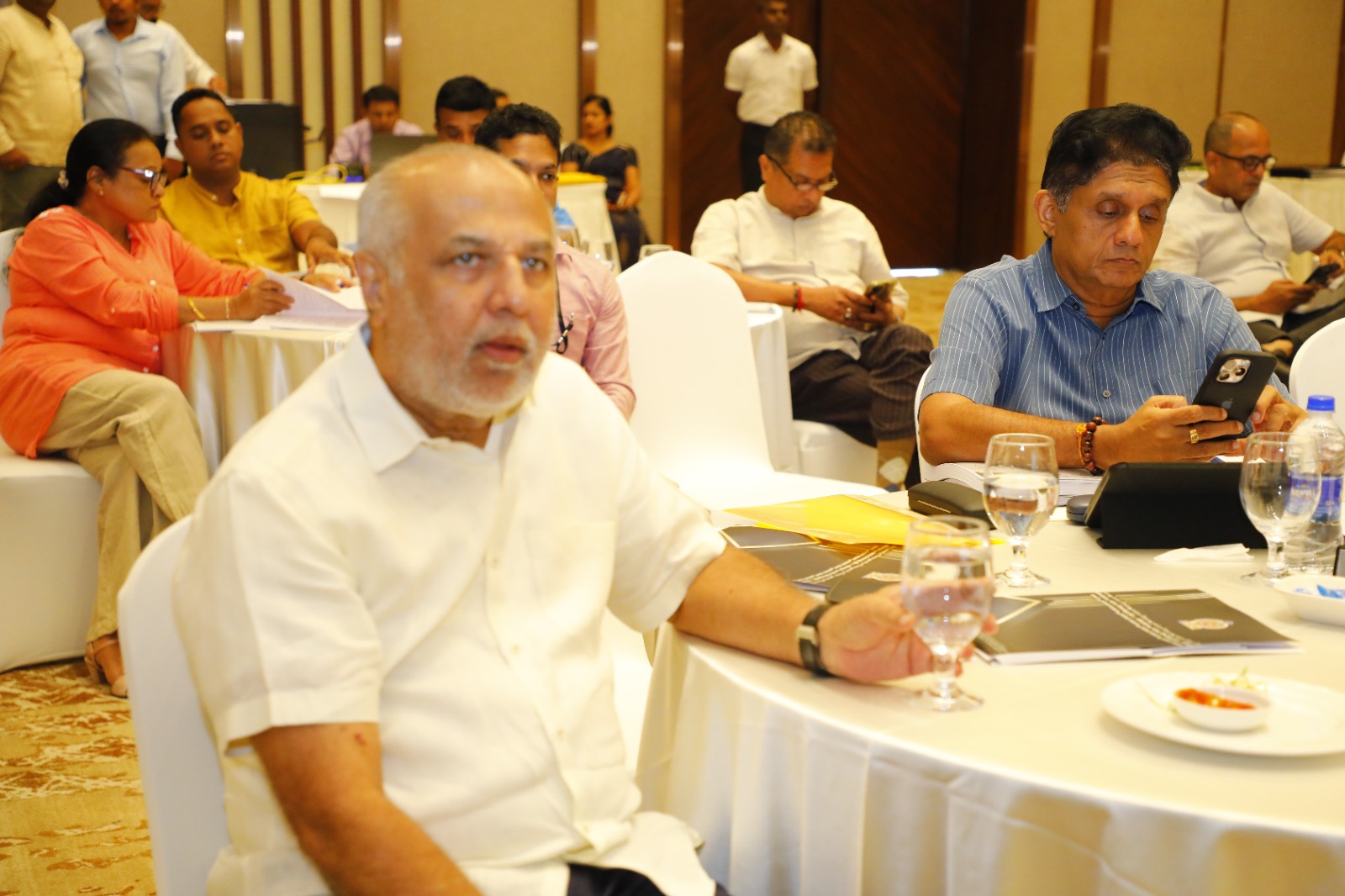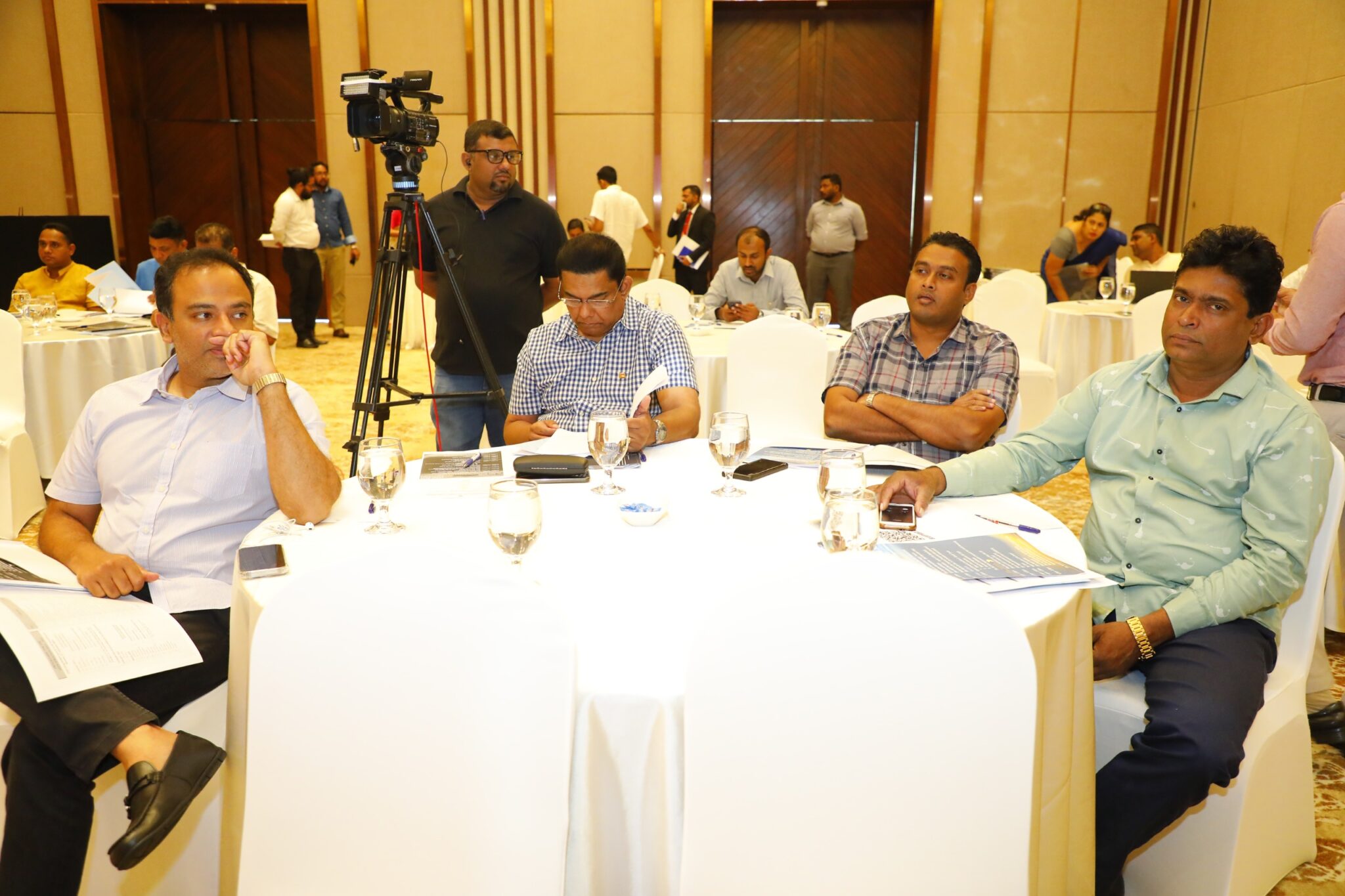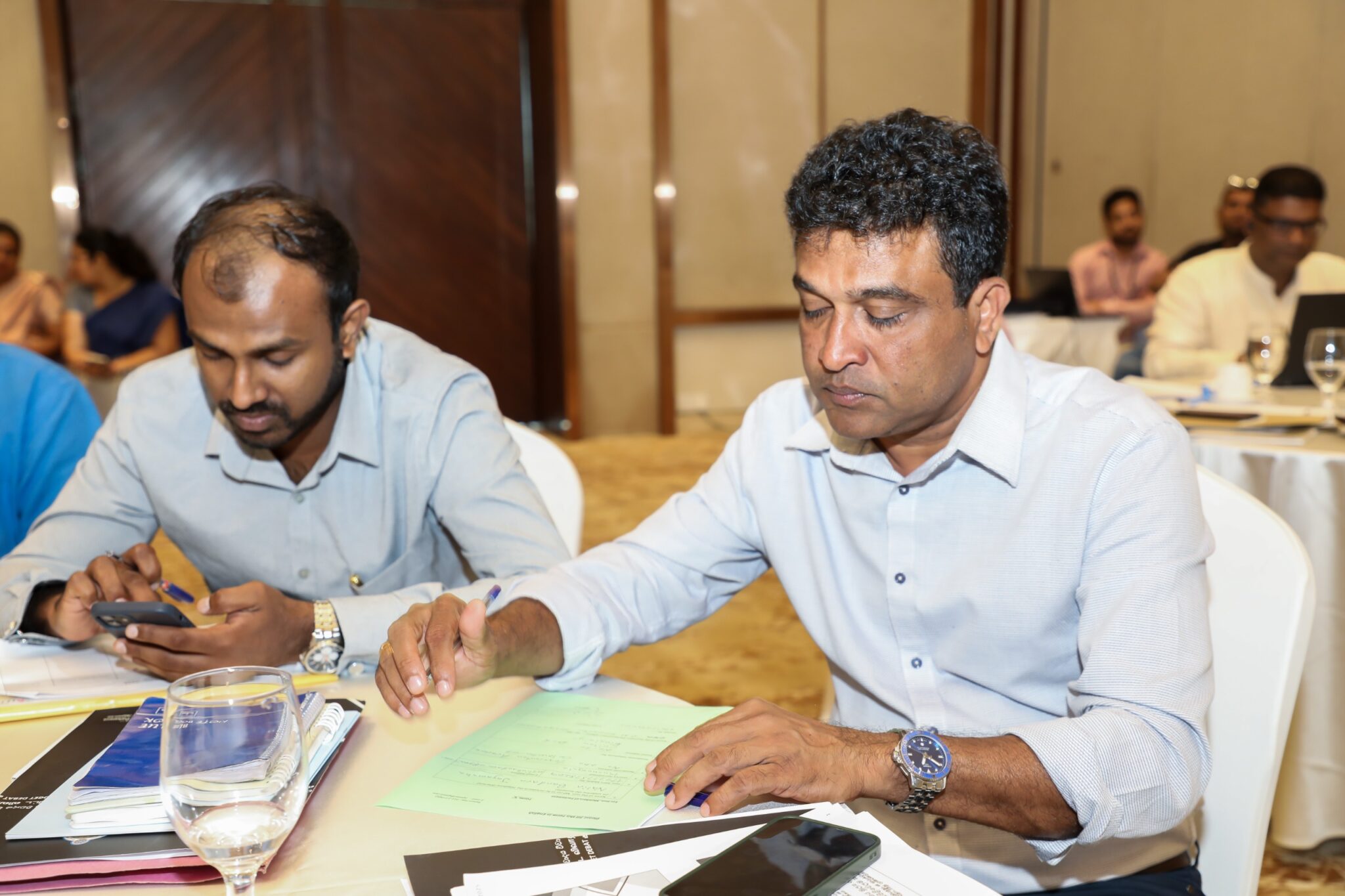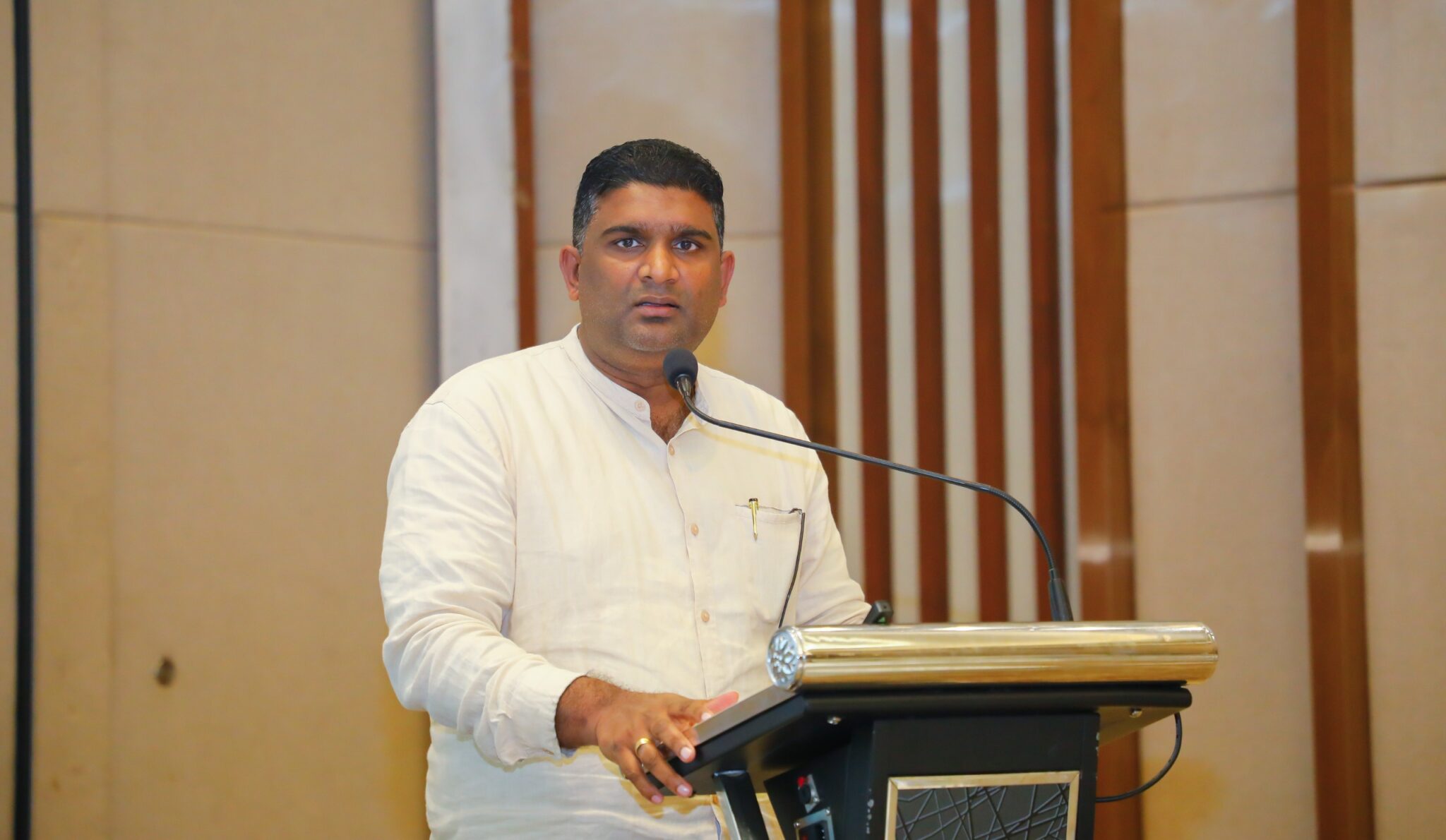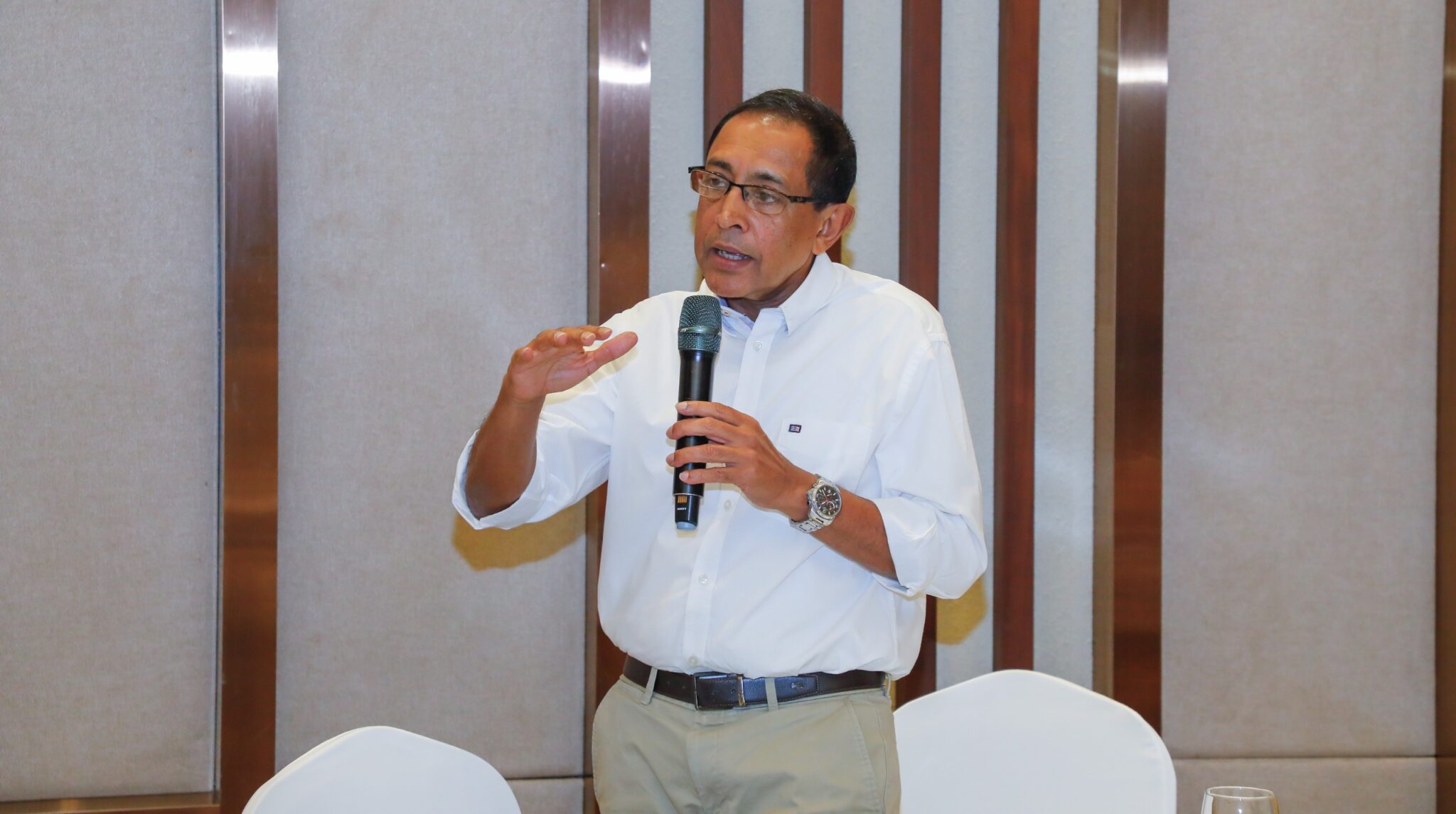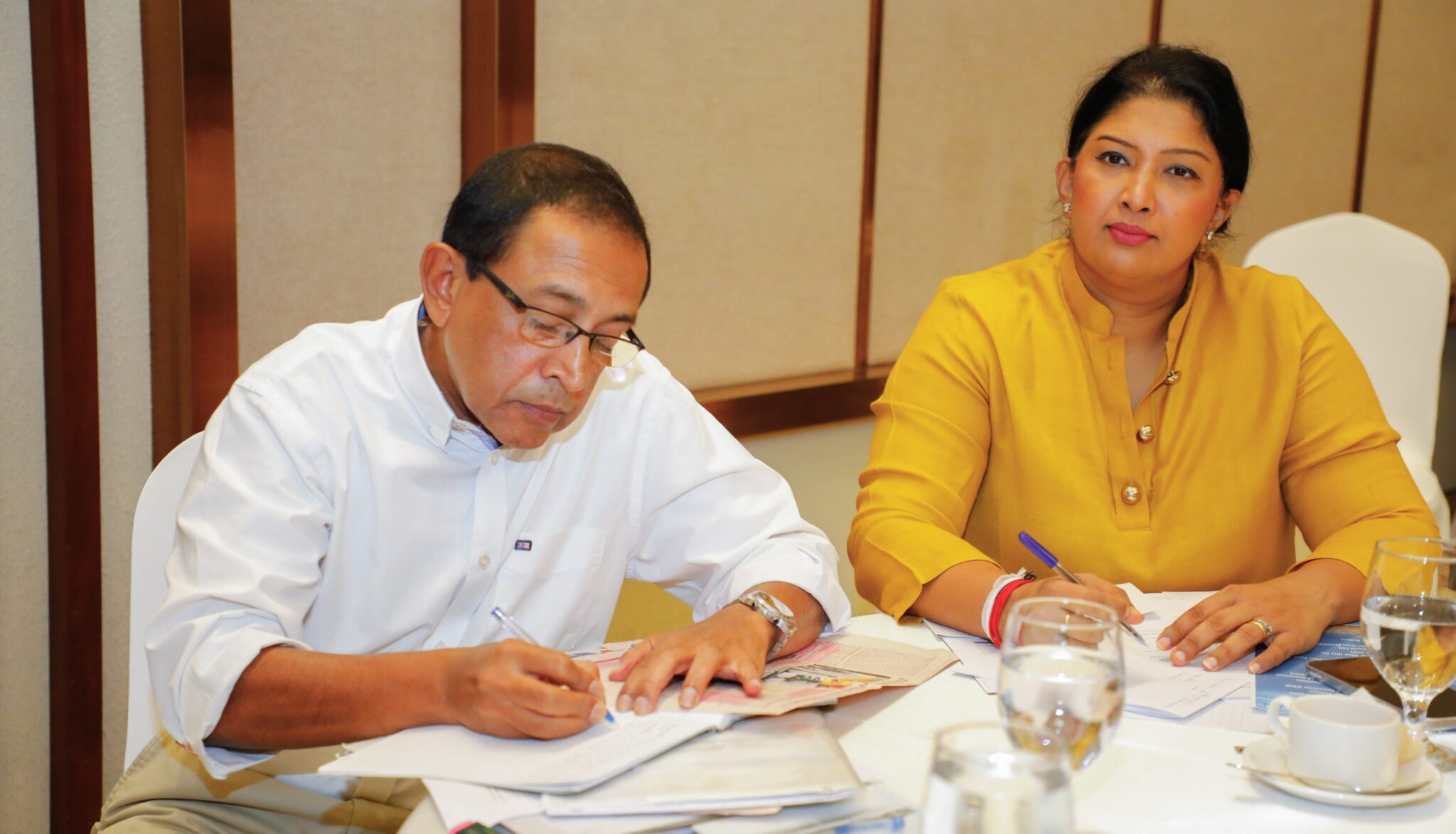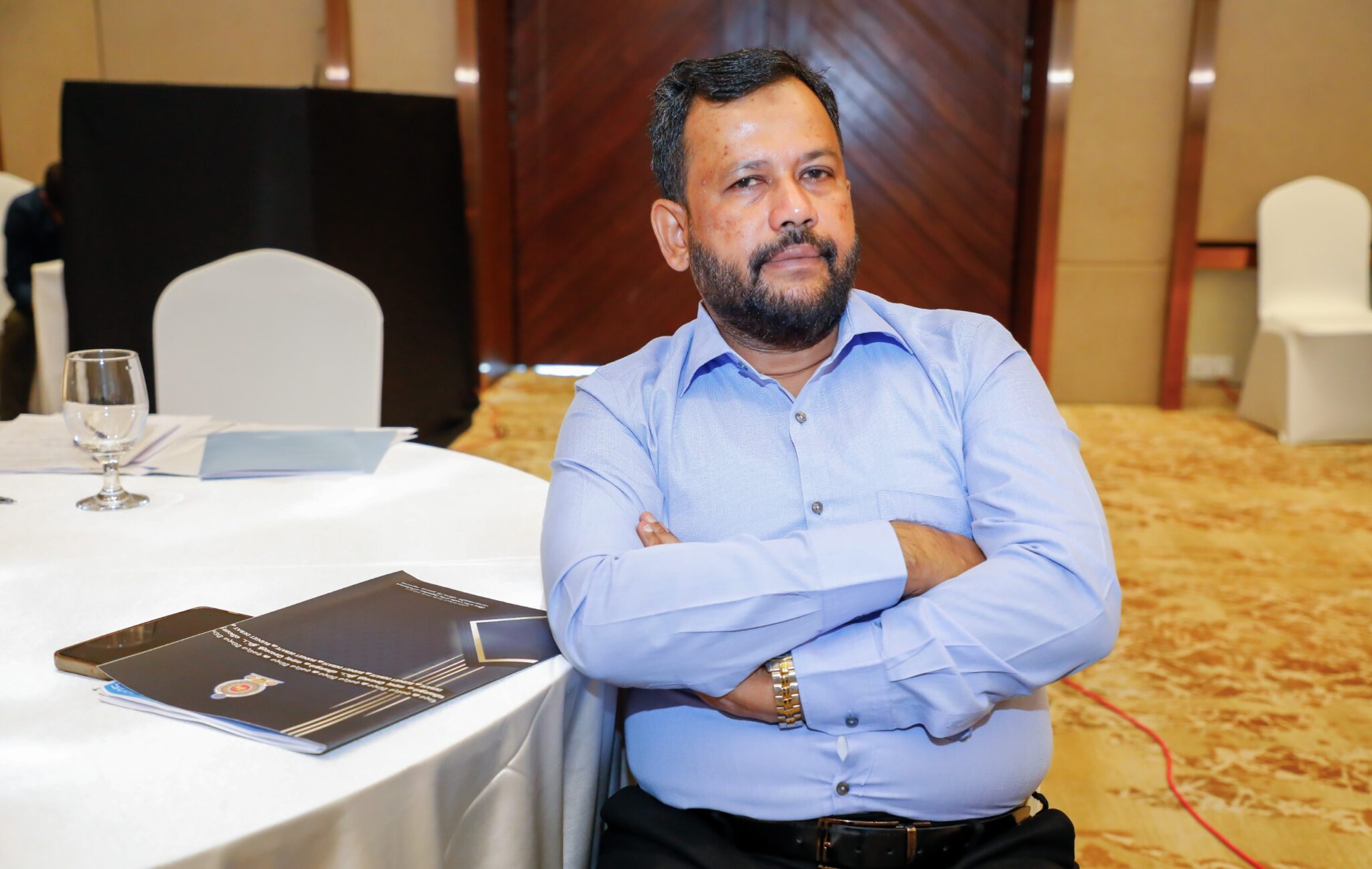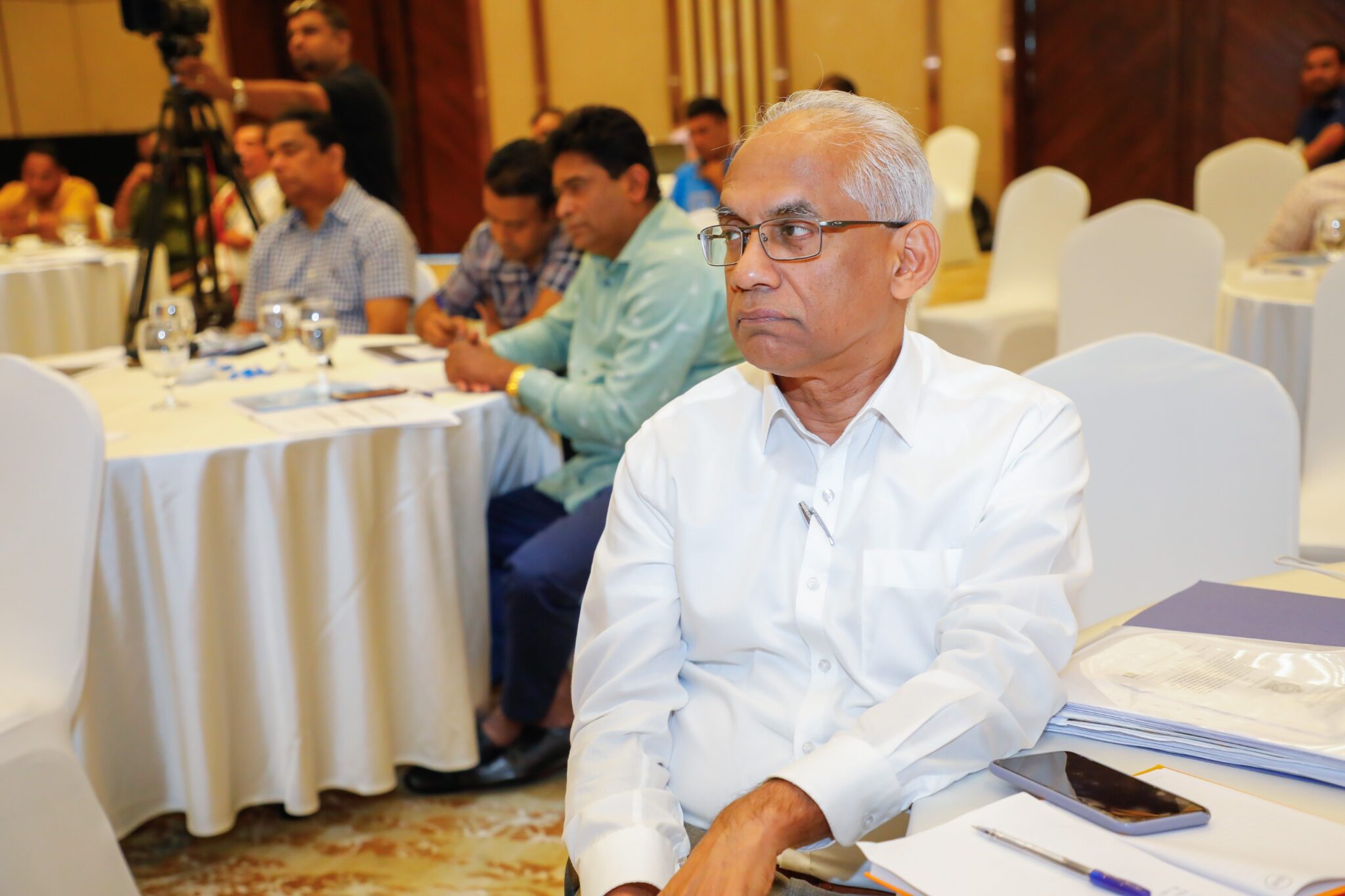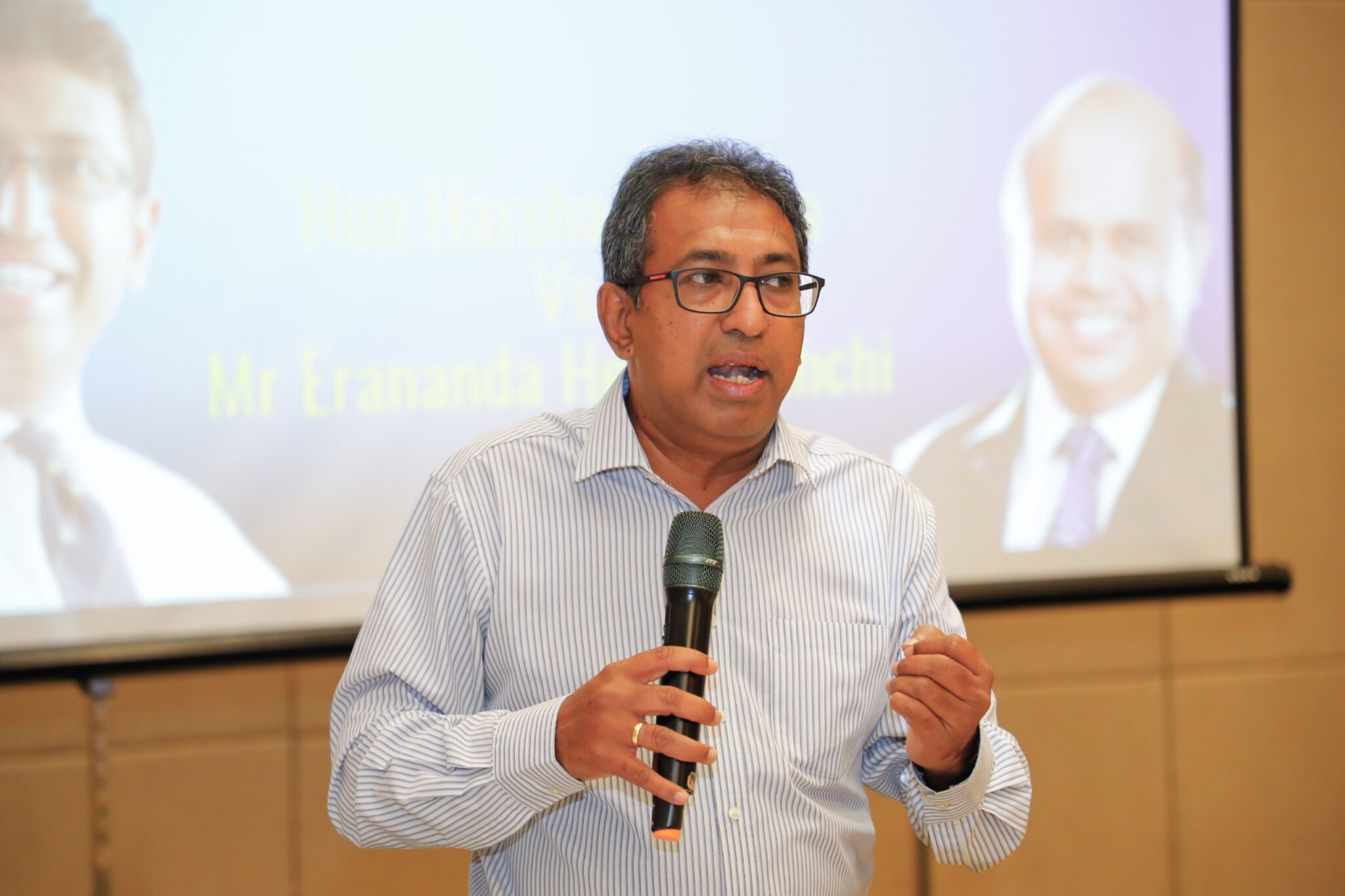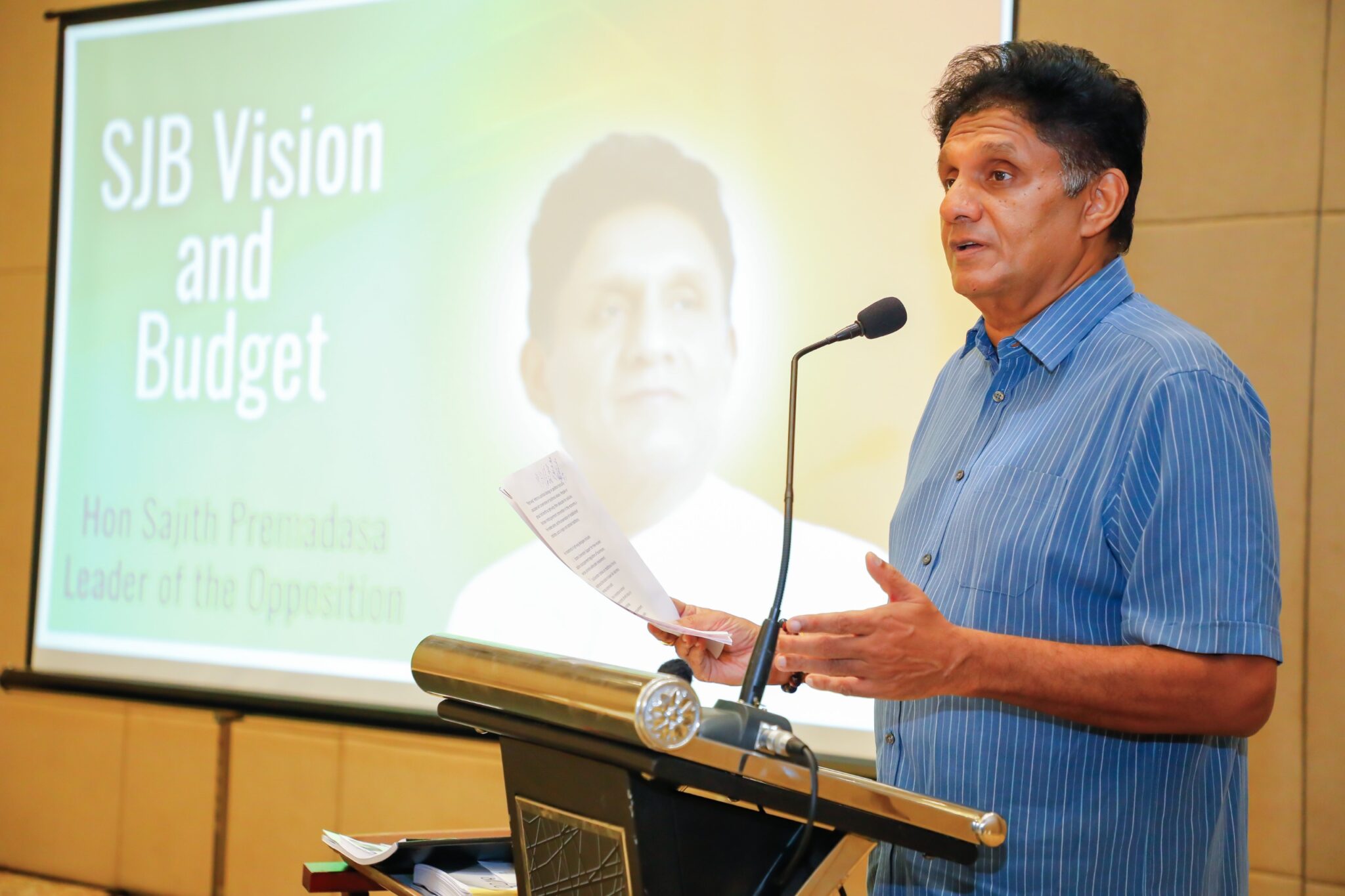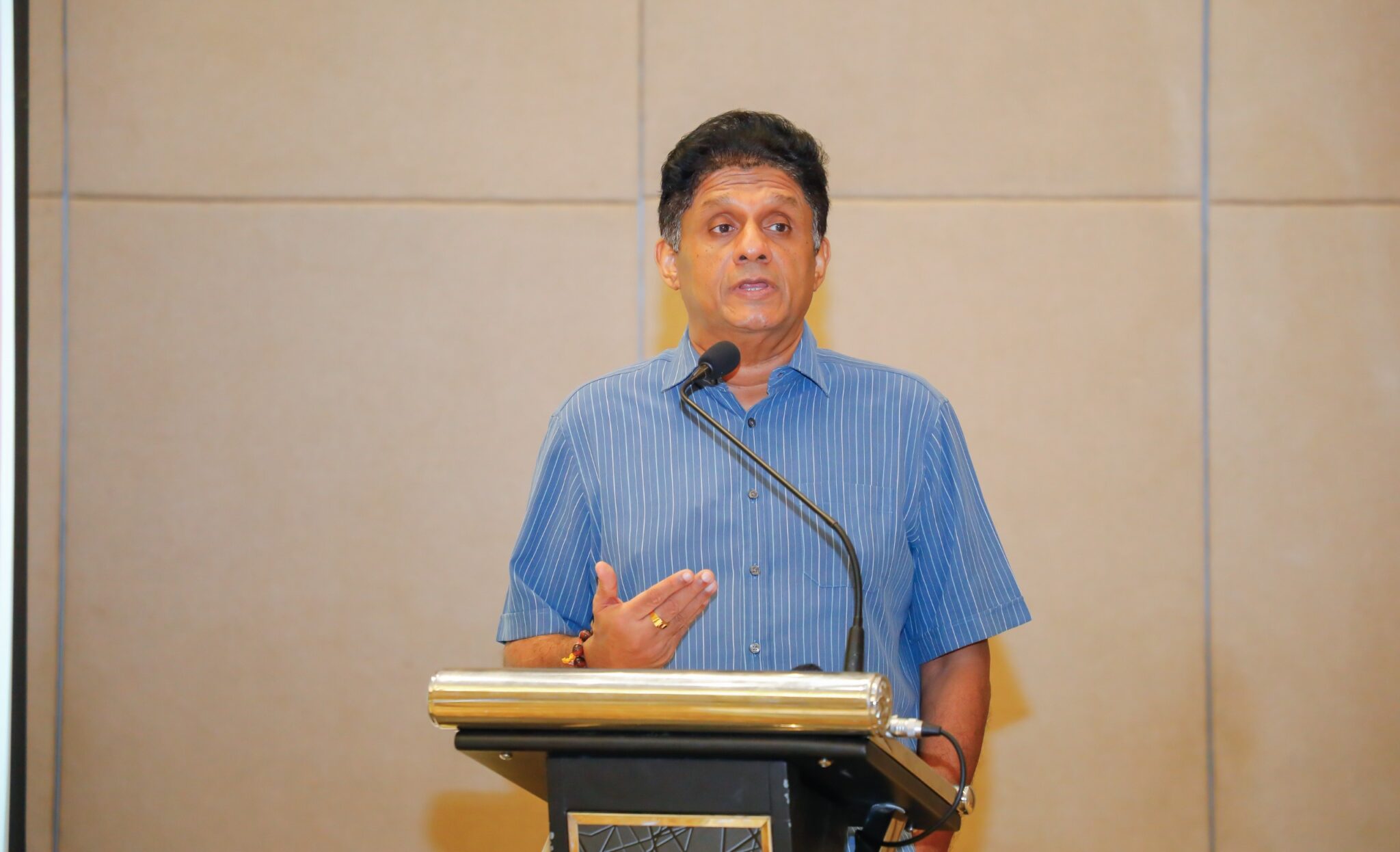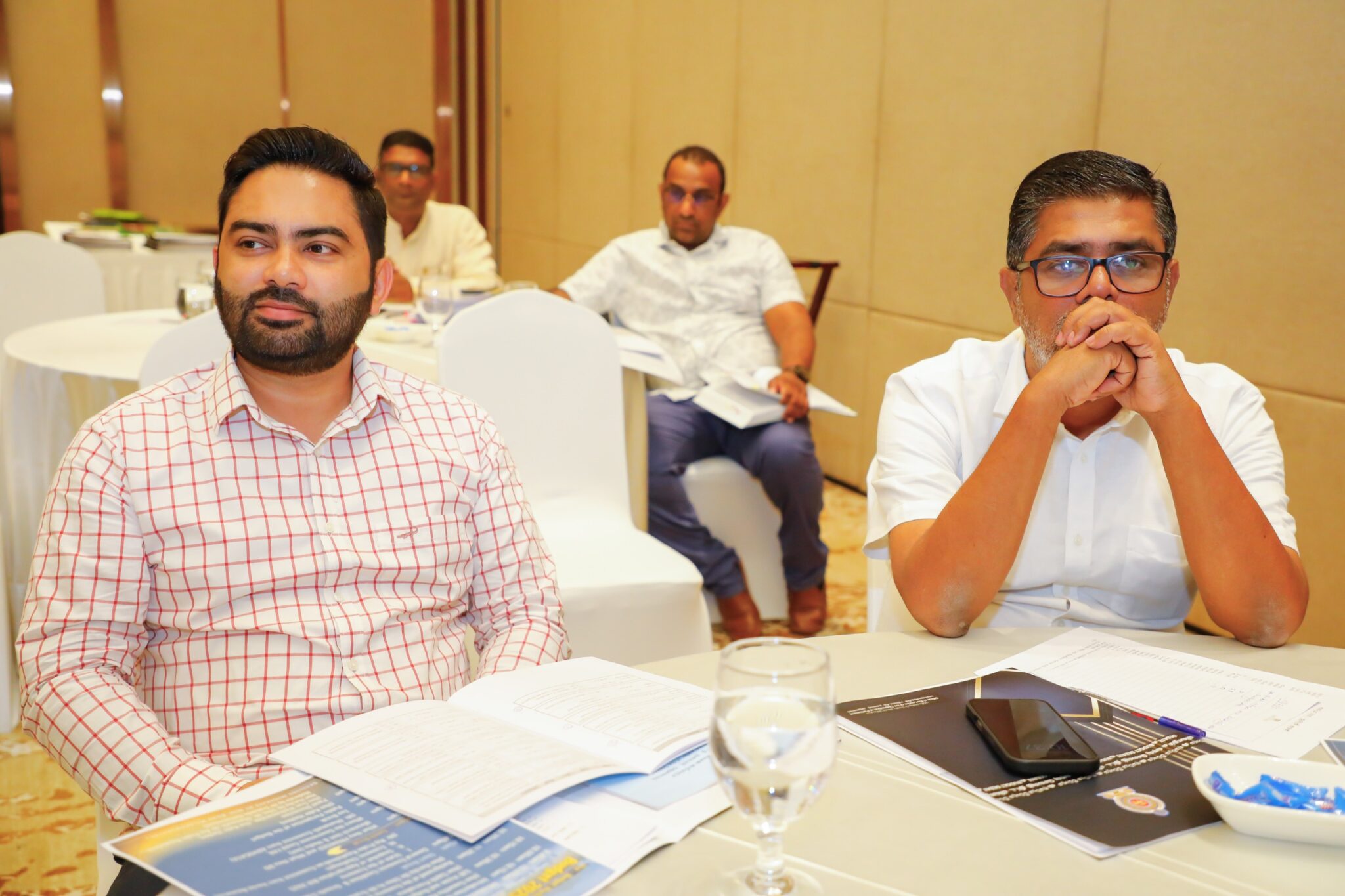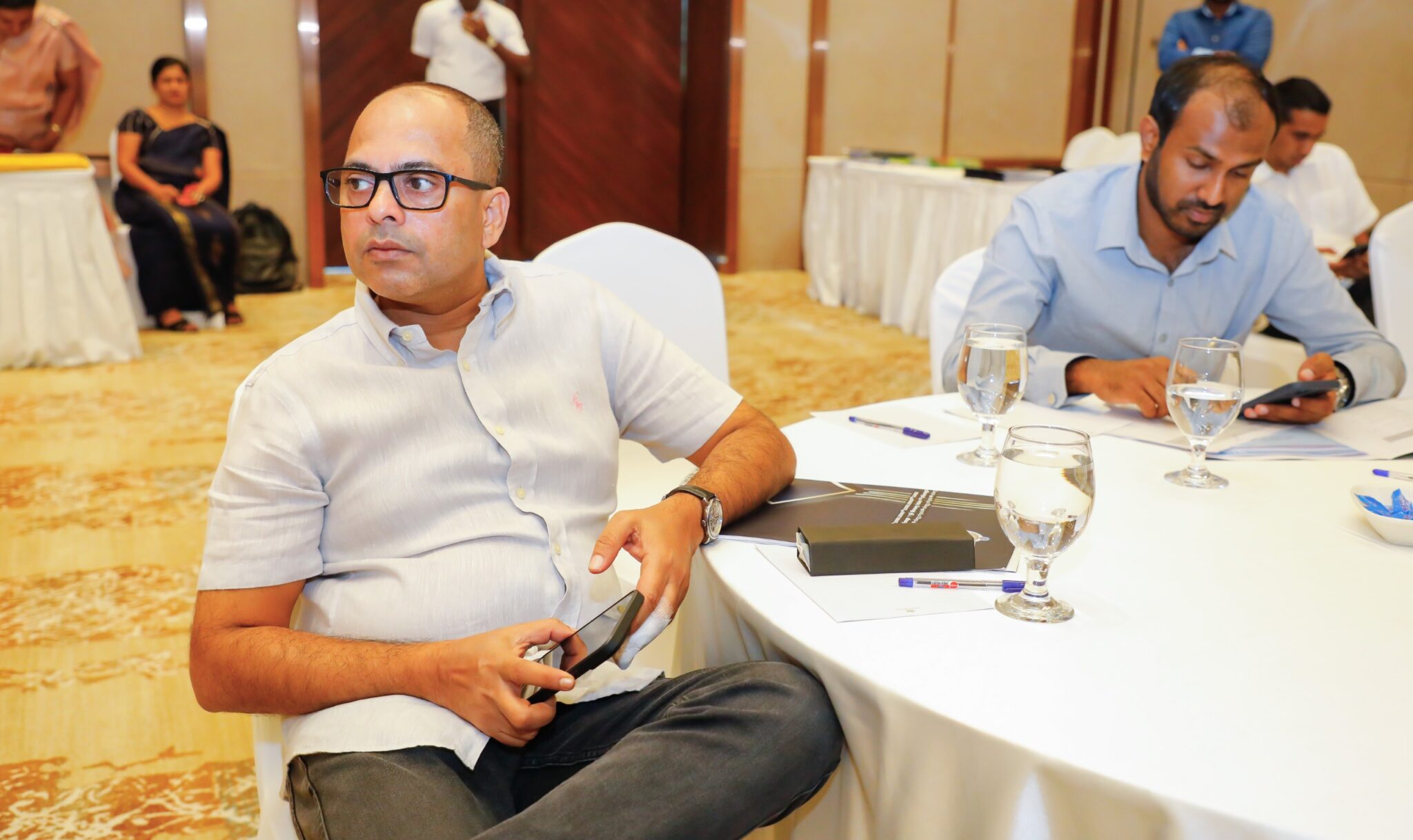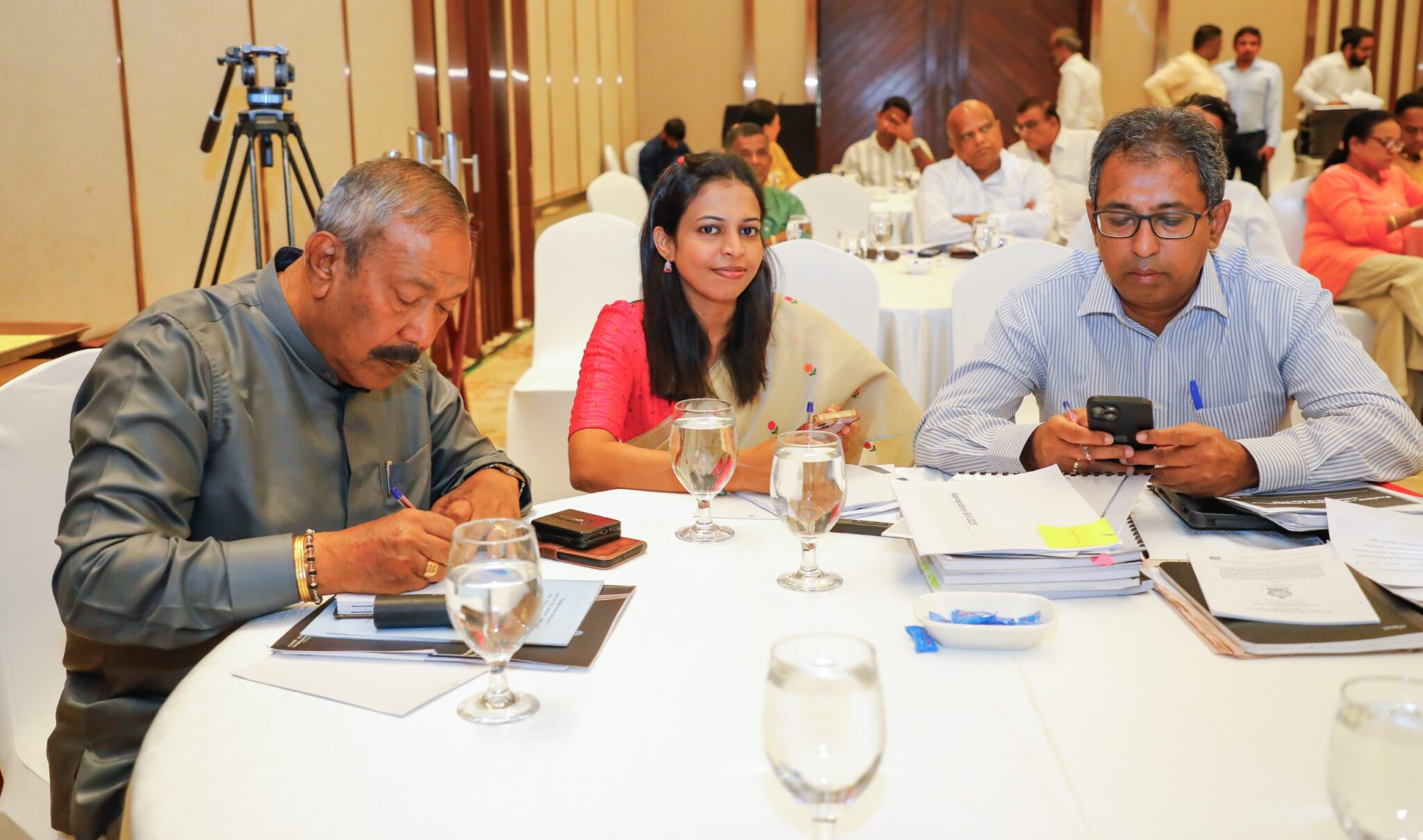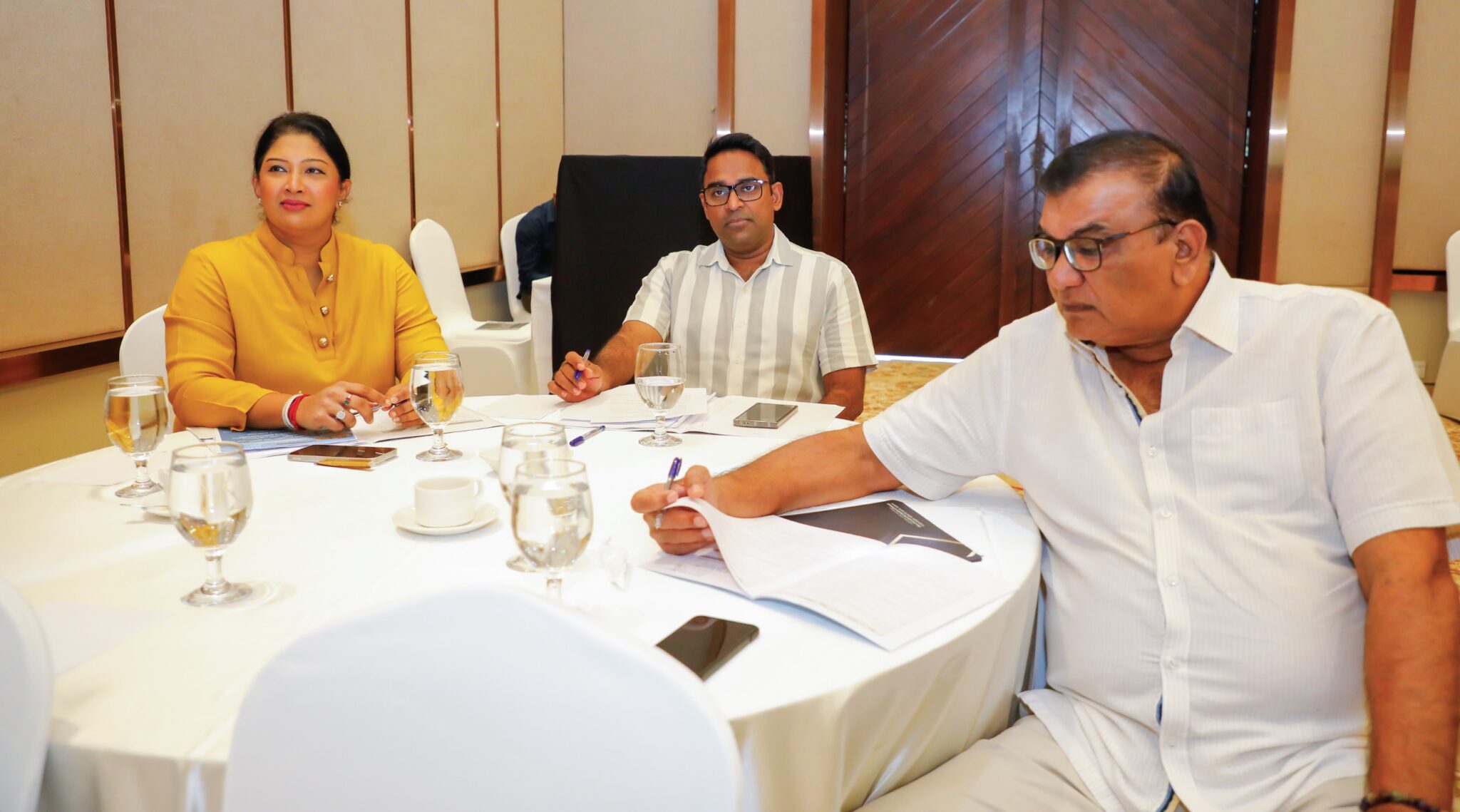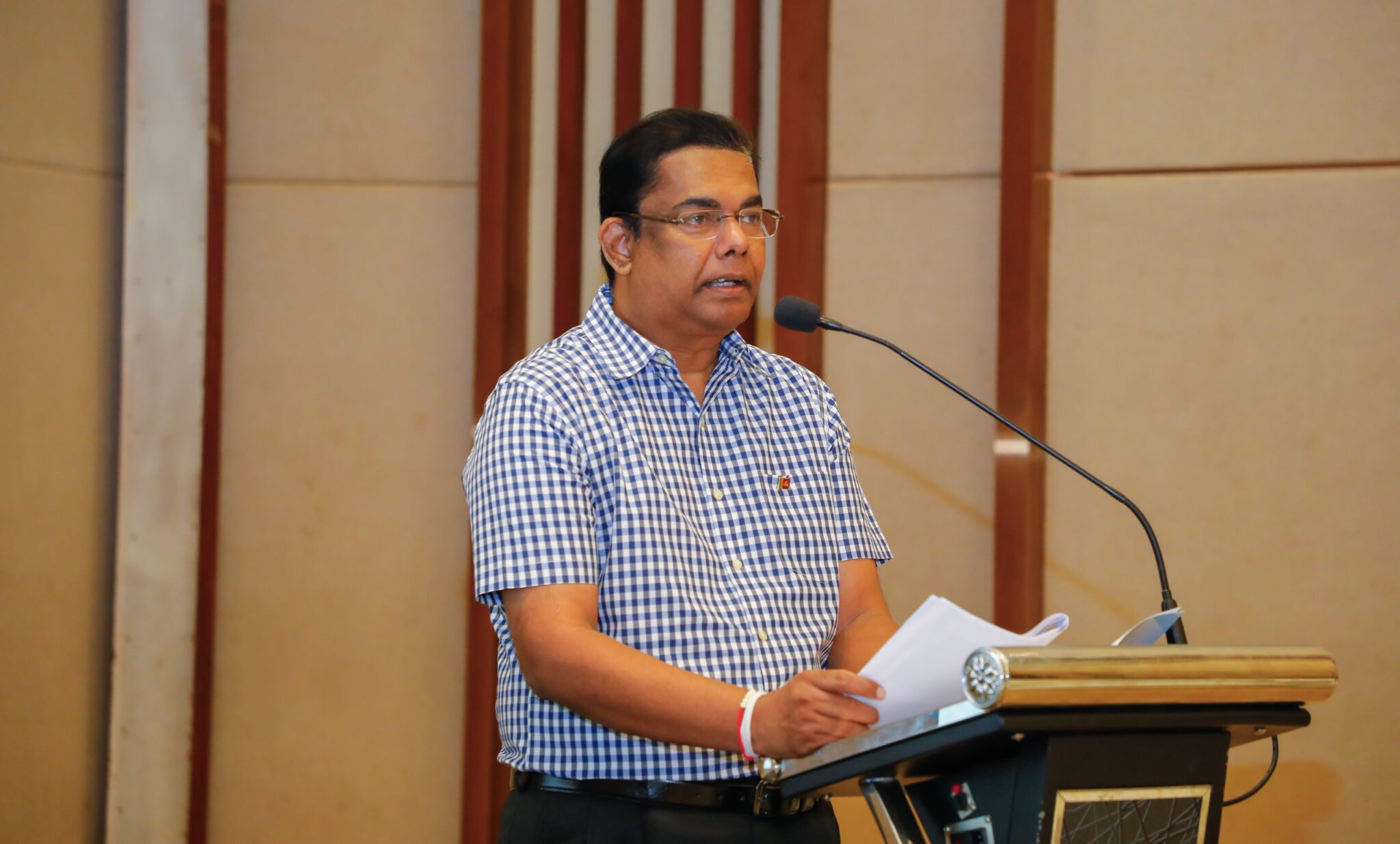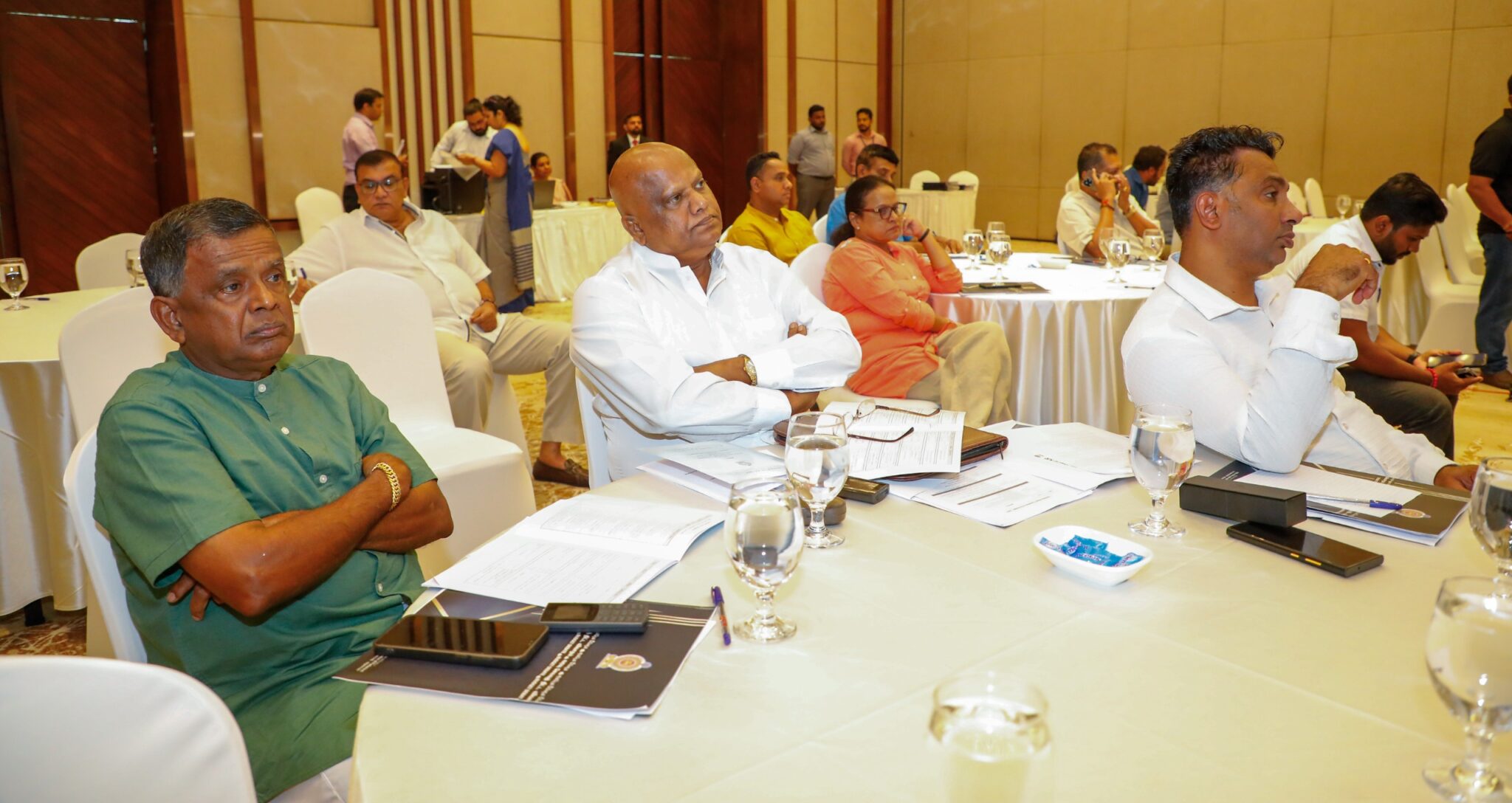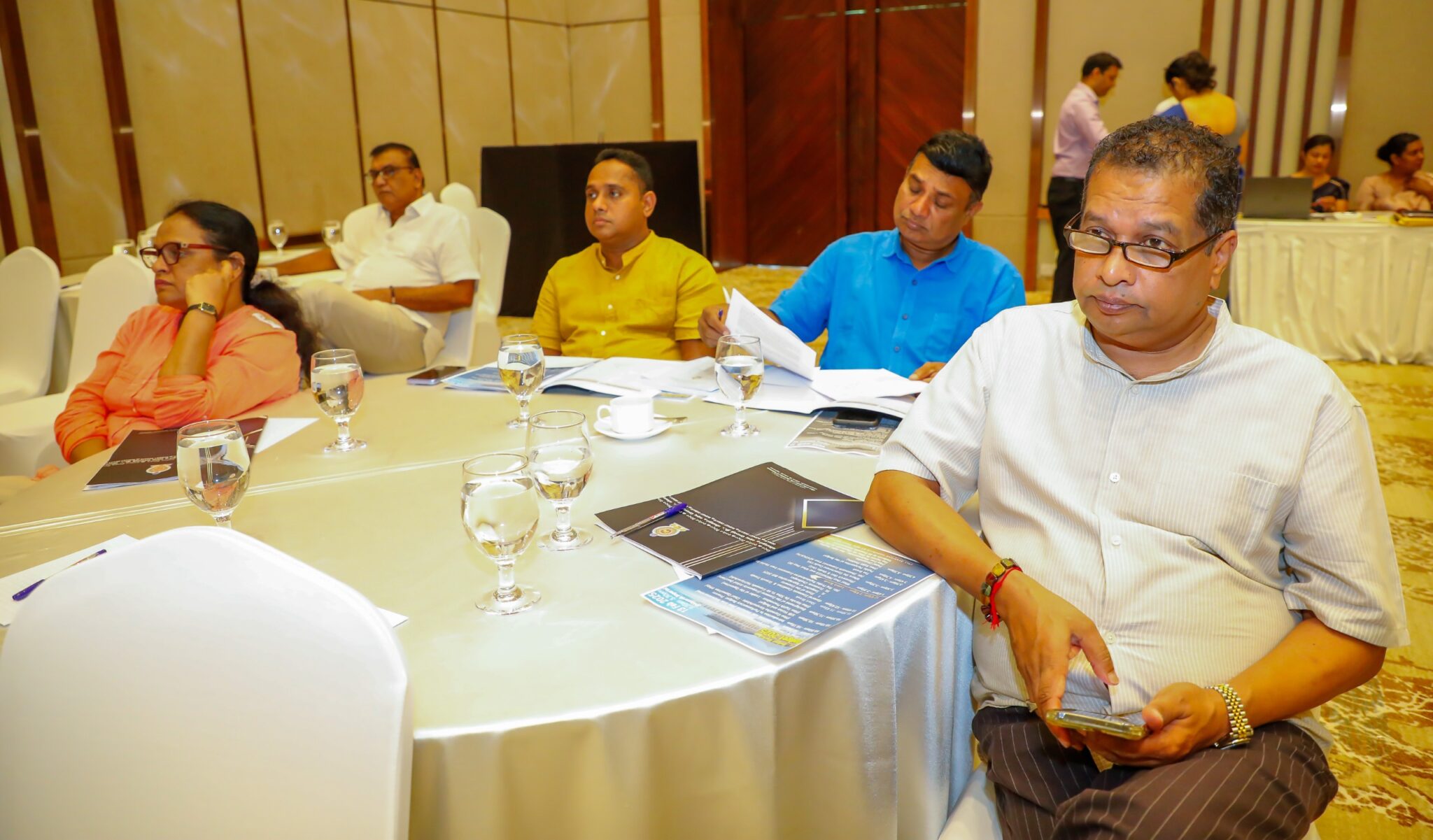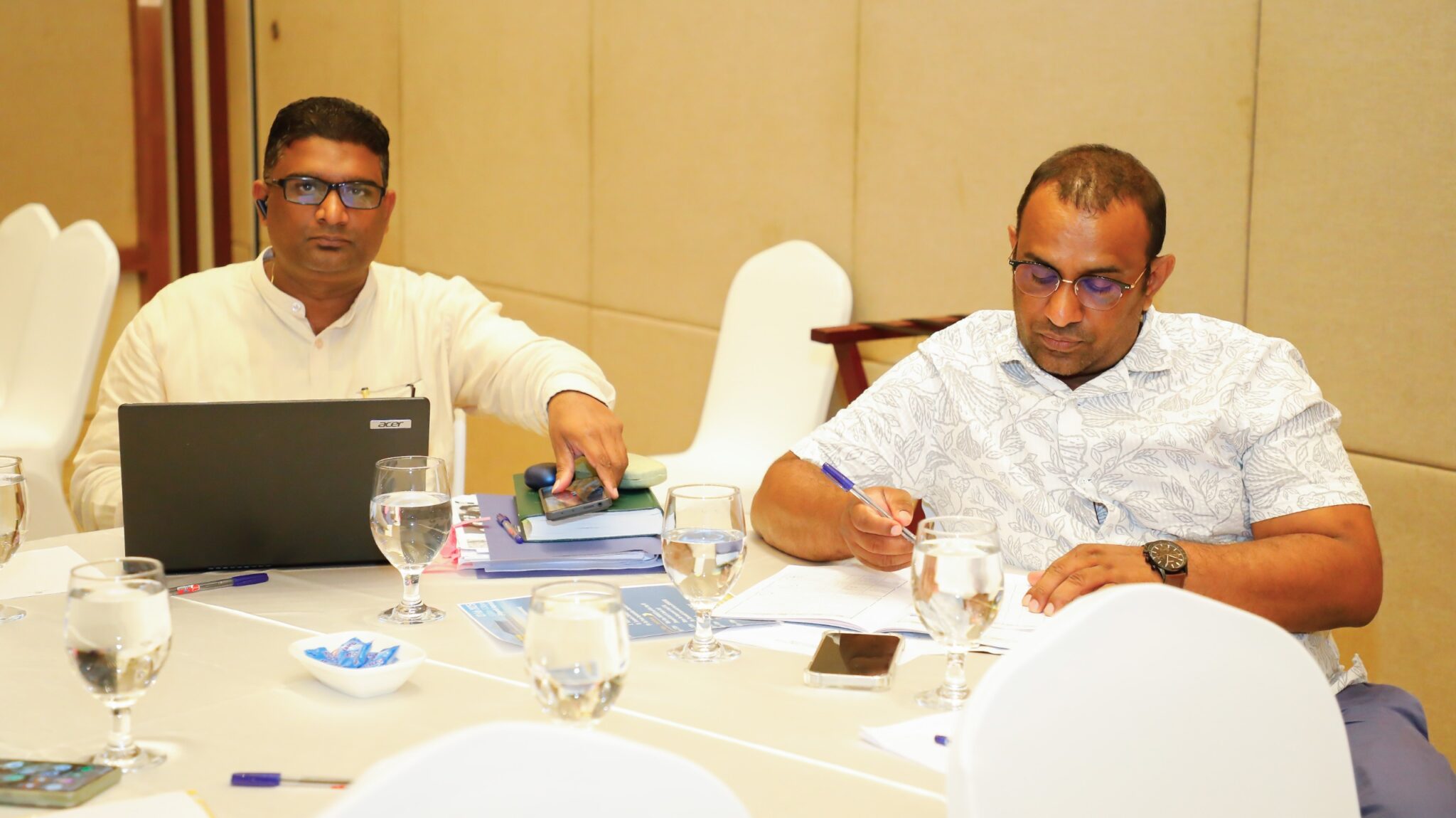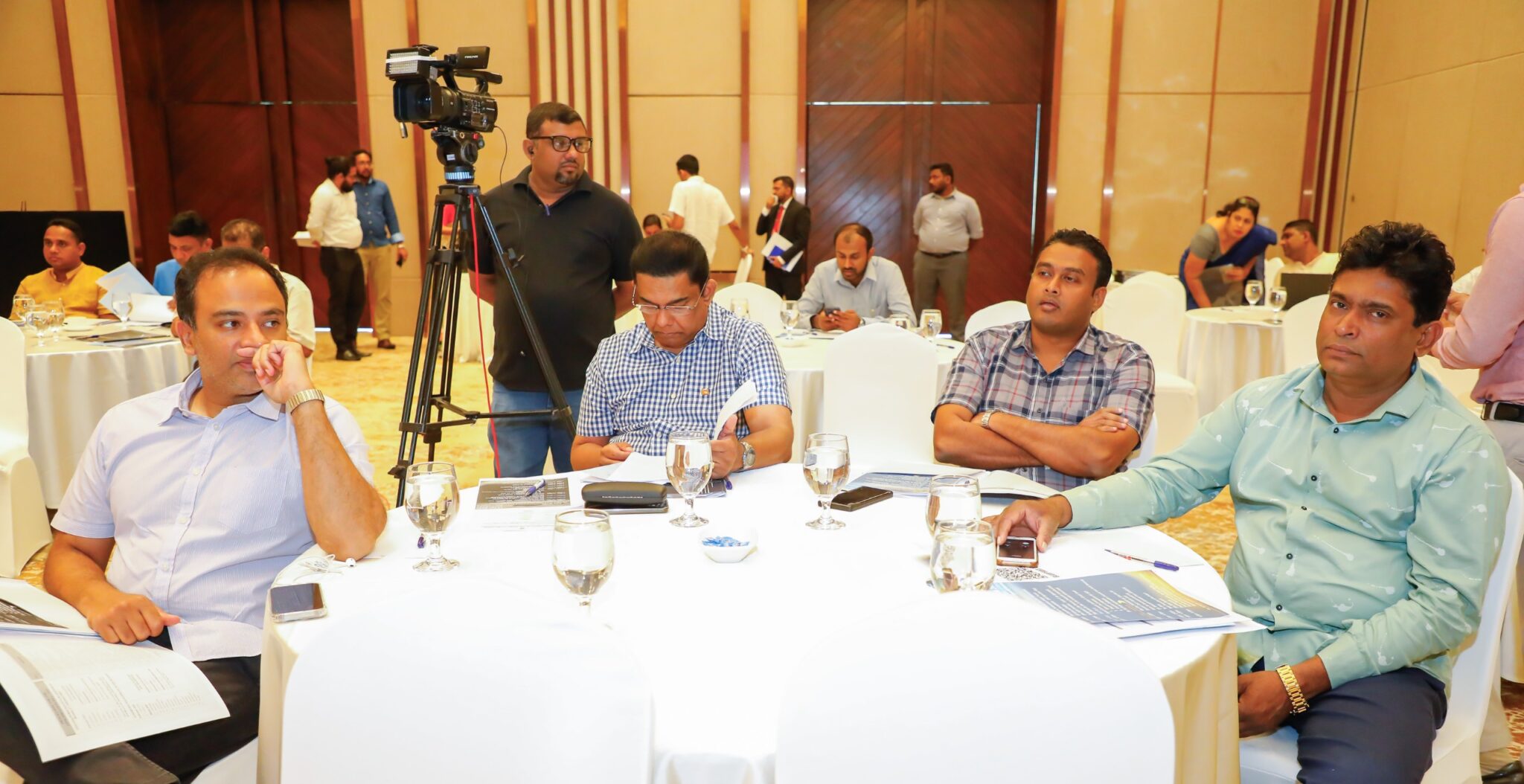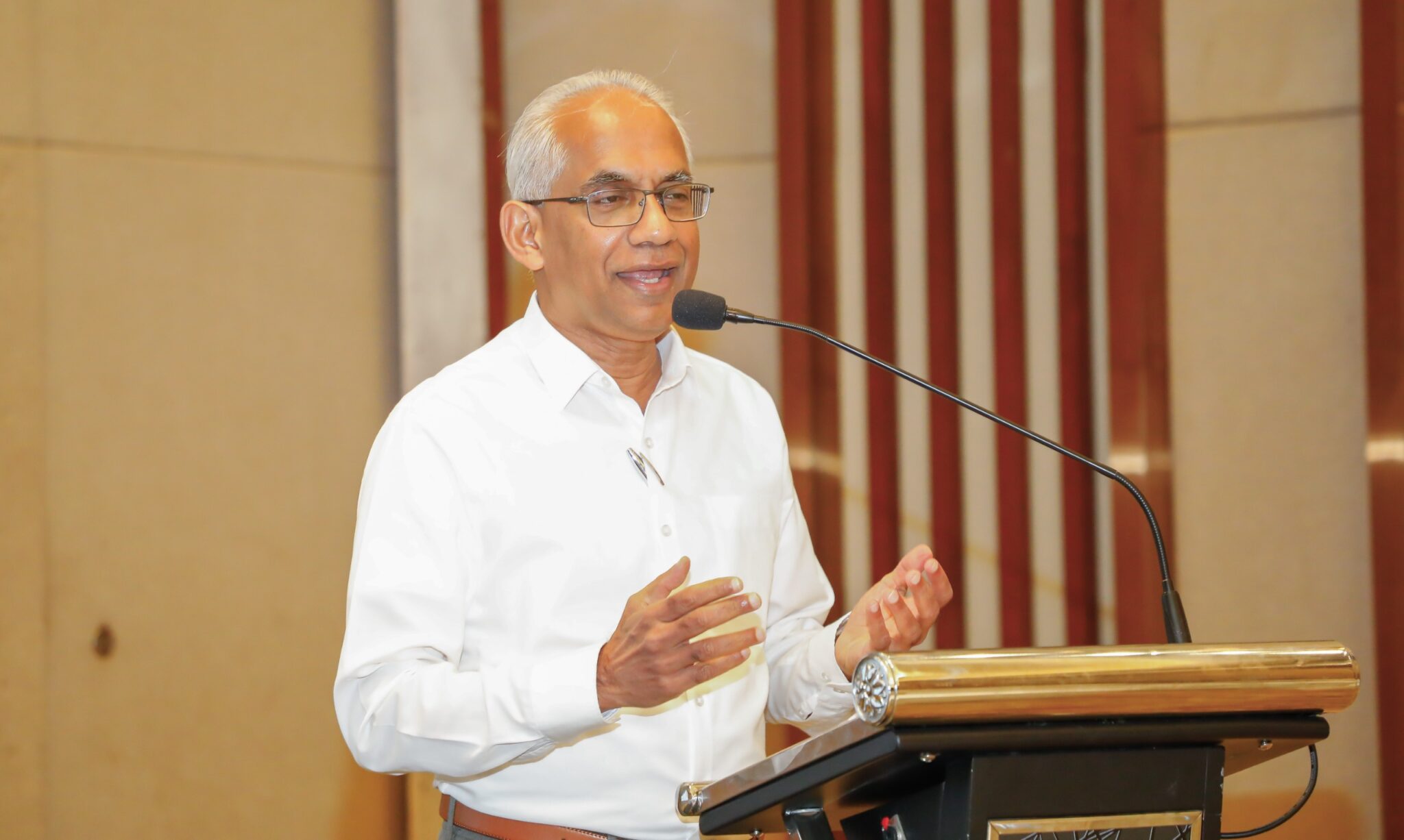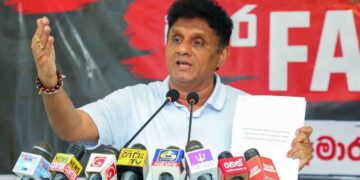

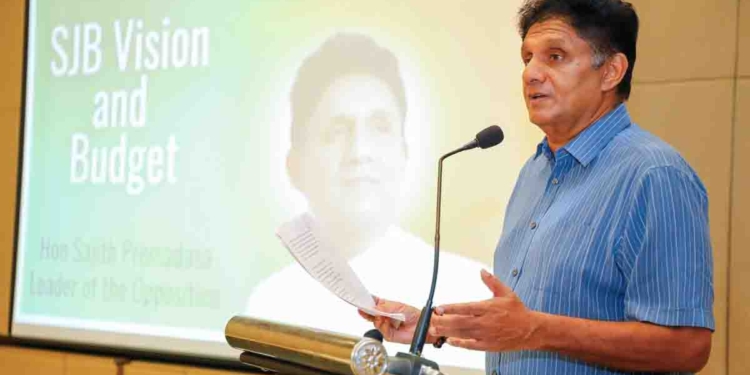
Colombo, February 13 – Opposition Leader Sajith Premadasa presented the Samagi Jana Balawegaya’s (SJB) ten-point ideology for national development at a workshop held in Colombo for party members. The event, which focused on the 2025 budget, saw the participation of numerous SJB leaders and party activists.
During the discussion, Premadasa outlined a strategic framework aimed at rescuing Sri Lanka from its current economic crisis and bankruptcy. He emphasized that these policies were formulated based on data-driven insights gathered from both grassroots and institutional levels. While firmly rooted in core principles, the framework allows for adaptability and necessary amendments to align with the evolving socio-economic landscape.
Key Aspects of the Ten-Point Ideology
- Economic Growth Through Private Enterprise
Premadasa stressed that a nation’s progress depends on wealth generation and that economic success relies on proven models such as the social market, free market economy, and human capitalism. He argued that state-run enterprises often fail, advocating for a greater role for private enterprise in wealth generation, while limited government intervention is necessary in critical sectors such as fuel and energy security. - Addressing Socio-Economic Disparities Through Humanitarian Capitalism
He highlighted that economic imbalances must be corrected through limited state intervention within a humanitarian capitalist system. Citing the 2016 and 2019 Census and Statistics Reports, Premadasa noted that while economic progress was evident, income inequality widened, with the richest 20% increasing their share of the national income from 51% to 51.4%, while the poorest 20% saw a decline from 5% to 4.6%. This, he asserted, calls for targeted policies to ensure equitable wealth distribution. - Enhancing the Welfare State While Promoting Alternative Opportunities
Premadasa reaffirmed his commitment to preserving Sri Lanka’s free healthcare and education systems, advocating for increased investment to improve their efficiency and quality. He emphasized that modernizing education with new technology and industry-aligned curricula is essential to meet international labor market demands, while alternative education avenues through private sector collaboration should also be explored. - Implementing a Results-Oriented, Time-Bound Poverty Eradication Program
The Opposition Leader criticized previous governments for lacking accurate data on poverty and relying on unscientific austerity measures. He pointed to UNICEF’s multidimensional poverty report and data from Learn Asia, which indicate that one-third of the country’s population lives in poverty. He called for an end to political and subsidy-driven dependency and urged the implementation of a structured, results-driven poverty eradication program. - Ensuring Balanced Economic Growth Across All Nine Provinces
Premadasa emphasized the need for export-centric economic growth through manufacturing, technology-driven innovation, tourism, and entrepreneurship. He cited Central Bank data, highlighting that the Western Province contributes 41% to GDP, while the remaining 59% is shared among the other eight provinces. He proposed GDP assessments at the Divisional Secretariat level (341 divisions) to ensure more balanced regional development. - Modernizing Agriculture with Advanced Technology
The Opposition Leader called for the modernization of Sri Lanka’s agriculture and plantation sectors, urging the country to adopt technological advancements seen in nations like the Netherlands to boost efficiency and productivity. - Empowering All Sri Lankans Equally, Without Discrimination
Premadasa underscored the importance of social and economic empowerment for all communities, regardless of ethnicity, religion, or background. He emphasized the need to foster national unity by ensuring that every citizen is recognized as a Sri Lankan. - Strengthening Democratic Rights and Constitutional Freedoms
The SJB leader called for the expansion of fundamental rights, ensuring that civil, political, economic, and social freedoms are constitutionally protected and reinforced. He emphasized that democracy should remain at the core of governance. - Commitment to Sustainable and Eco-Centric Development
Sajith Premadasa stressed the need for environmentally responsible development, advocating for policies that promote sustainability and ecological conservation. - Establishing Foreign Relations That Add Value to the Nation
The Opposition Leader emphasized the importance of a balanced foreign policy that prioritizes mutually beneficial international relations. He advocated for moving beyond outdated non-aligned policies and instead fostering strategic partnerships that contribute to Sri Lanka’s growth and global standing.
With this ten-point ideology, Premadasa reaffirmed the Samagi Jana Balawegaya’s commitment to steering Sri Lanka towards economic recovery, social equity, and sustainable development.