

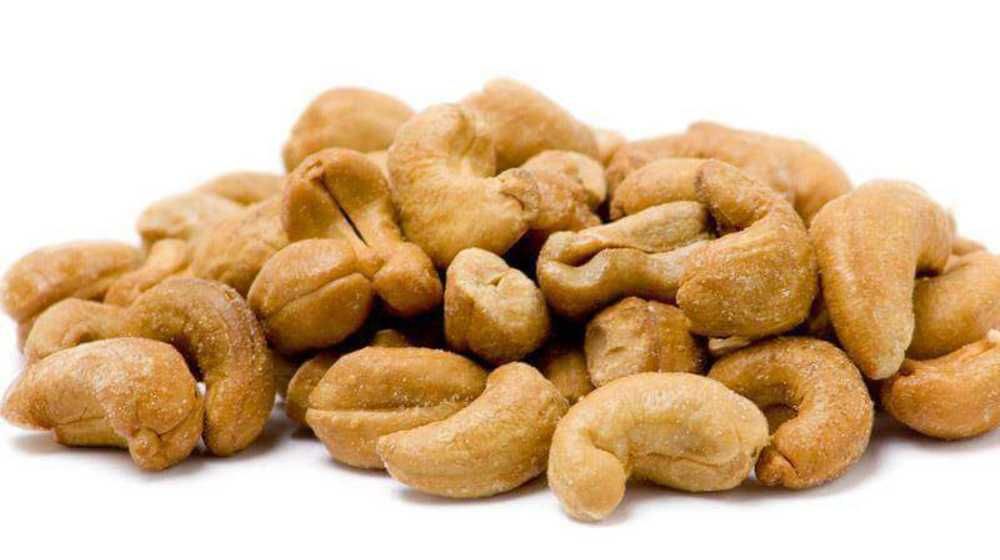
Sri Lanka’s strategic plan to develop its cashew industry into a viable cash crop for both local consumption and export has encountered a significant roadblock, with industry stakeholders blaming bureaucratic delays and unclear policy directives for disrupting supply chains.
Amid a surge in tourist arrivals, the demand for cashew—a favorite among both locals and visitors—has increased noticeably. To address this growing demand and mitigate the impact of inconsistent local harvests, the previous government implemented a regulated import mechanism. This system allowed cashew imports between December and April, traditionally considered the off-season for local cashew production.
The import process was overseen by a multi-ministerial committee, which ensured that imports did not interfere with domestic harvesting efforts. However, industry sources now claim that this oversight mechanism has effectively collapsed.
A senior official from the Ministry of Plantation Industries confirmed that the current local cashew output stands at just 12,500 tonnes—significantly below the quantity required to meet national demand. This year’s harvest also fell short of expectations, further amplifying the need for imports to bridge the supply gap.
The situation has been further complicated by the introduction of the National Imports Tariff Guide 2025 (NITG-2025), which brought changes to the harmonized system (HS) codes and revised tax structures. These amendments, implemented by Sri Lanka Customs, have reportedly made the import process more cumbersome and sluggish, according to industry representatives.
Traders argue that abolishing the previous committee-based approval system and replacing it with the more restrictive NITG-2025 framework has led to shipment delays, order cancellations, and heightened uncertainty. Since each import permit is valid for only three months, bureaucratic delays often render them obsolete, forcing traders to reapply or risk forfeiting their consignments.
Exporters have also highlighted additional challenges, including mandatory foreign laboratory certifications and prolonged document verification procedures at customs, adding further strain to an already burdened import system.
Meanwhile, the Sri Lanka Cashew Corporation is tasked with balancing local production against import requirements—a process that can cause further delays, as officials assess domestic supply levels before setting import quotas.
“Unpredictable weather patterns can severely impact yields,” a senior Plantation Ministry official explained. “Without timely imports, the market will inevitably face shortages and price surges.”
In addition to licensing issues, the cashew sector is grappling with outdated infrastructure and excessive bureaucracy at both import and export checkpoints—longstanding issues that have hindered Sri Lanka’s trade efficiency for years.
Unless urgent measures are taken to streamline import approvals and eliminate logistical bottlenecks, experts warn that the country’s emerging cashew industry may find itself in a crunch.