
Sri Lanka Customs officers are working around the clock, seven days a week, to expedite the clearance process for imported containers.
A five-acre plot of land in the Blue Mandala area has been designated to store containers currently under investigation.
Private companies involved in port-related services have committed to ensuring the efficient employment of forensic clerks.
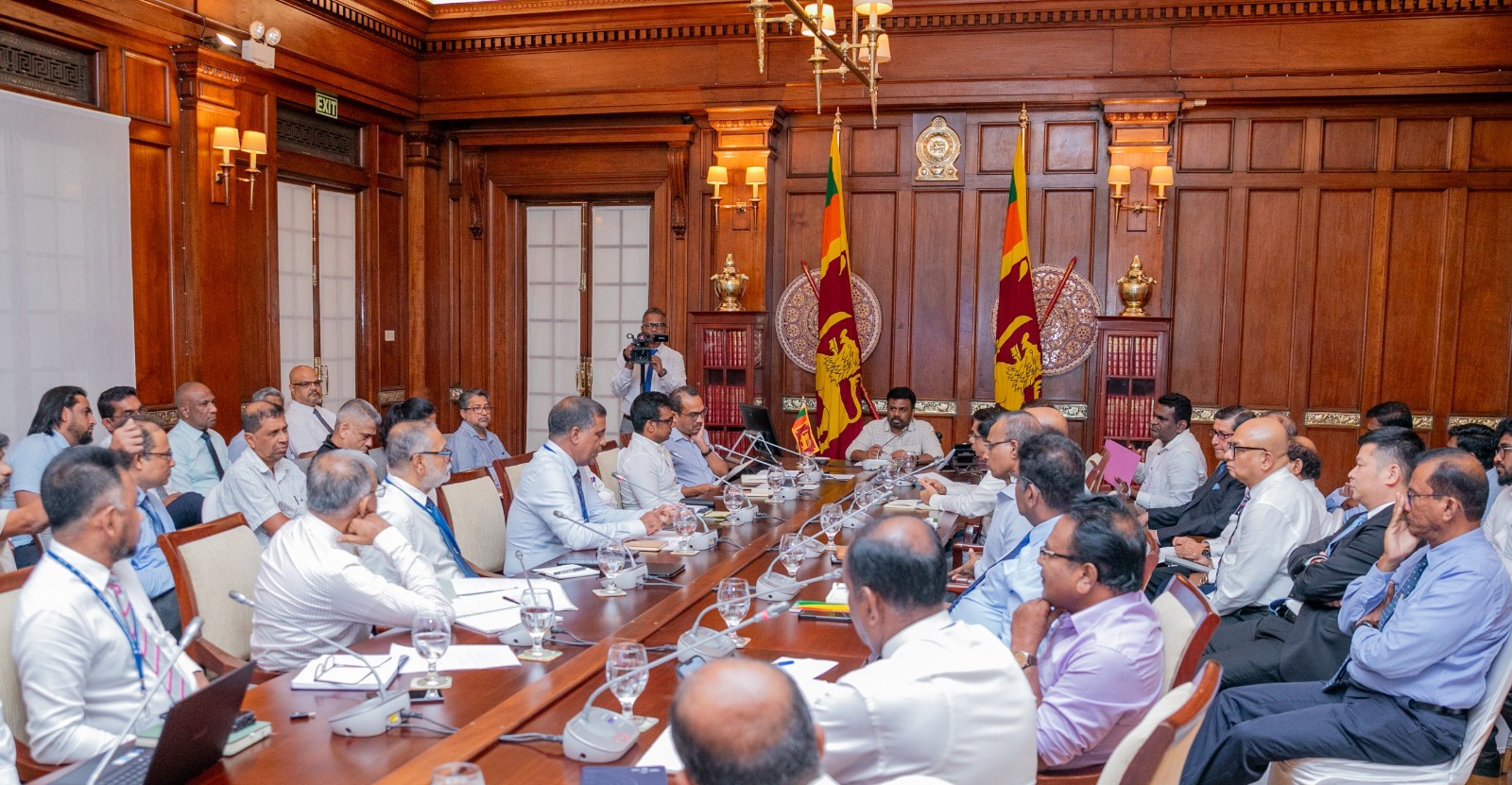
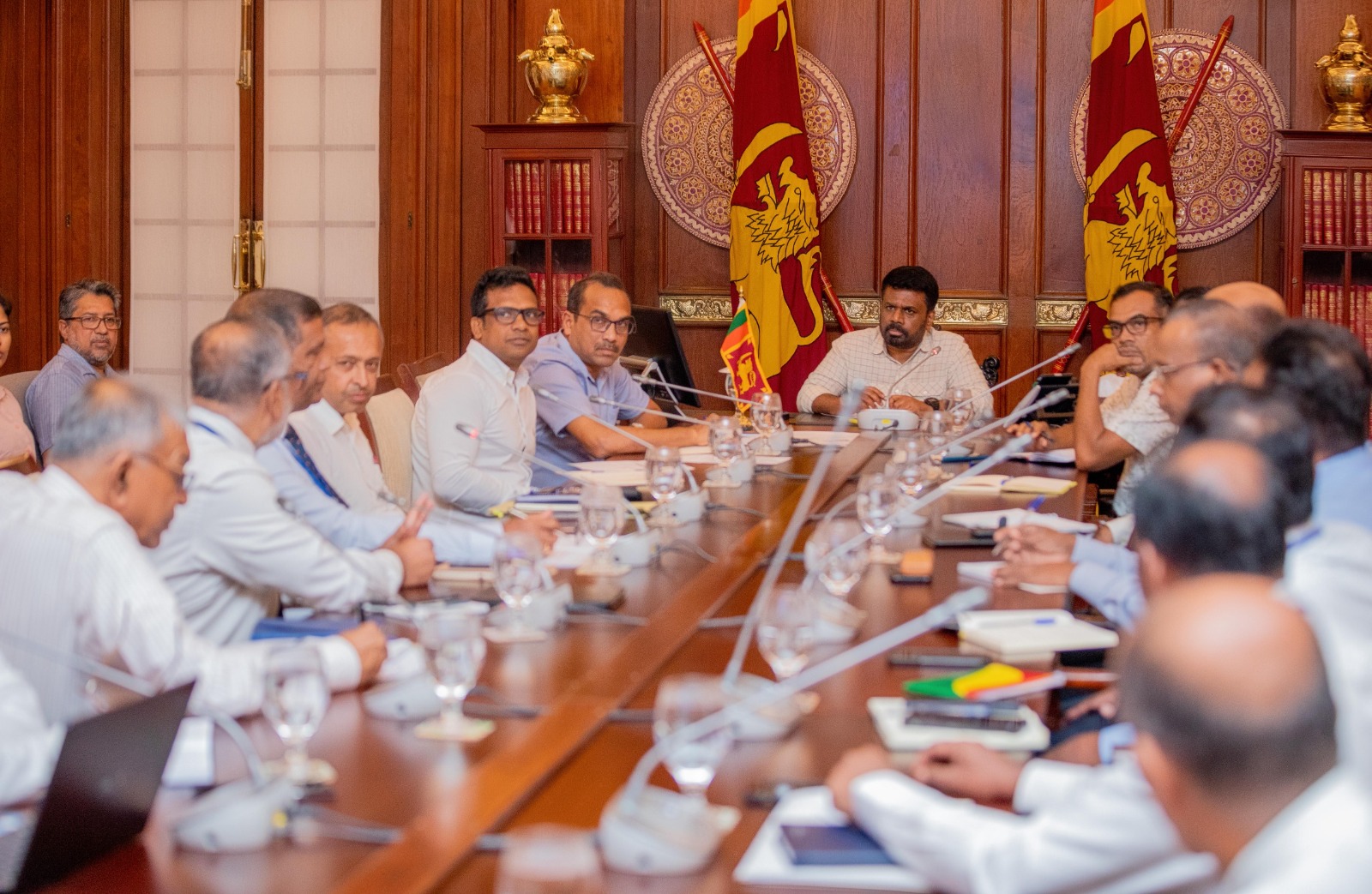
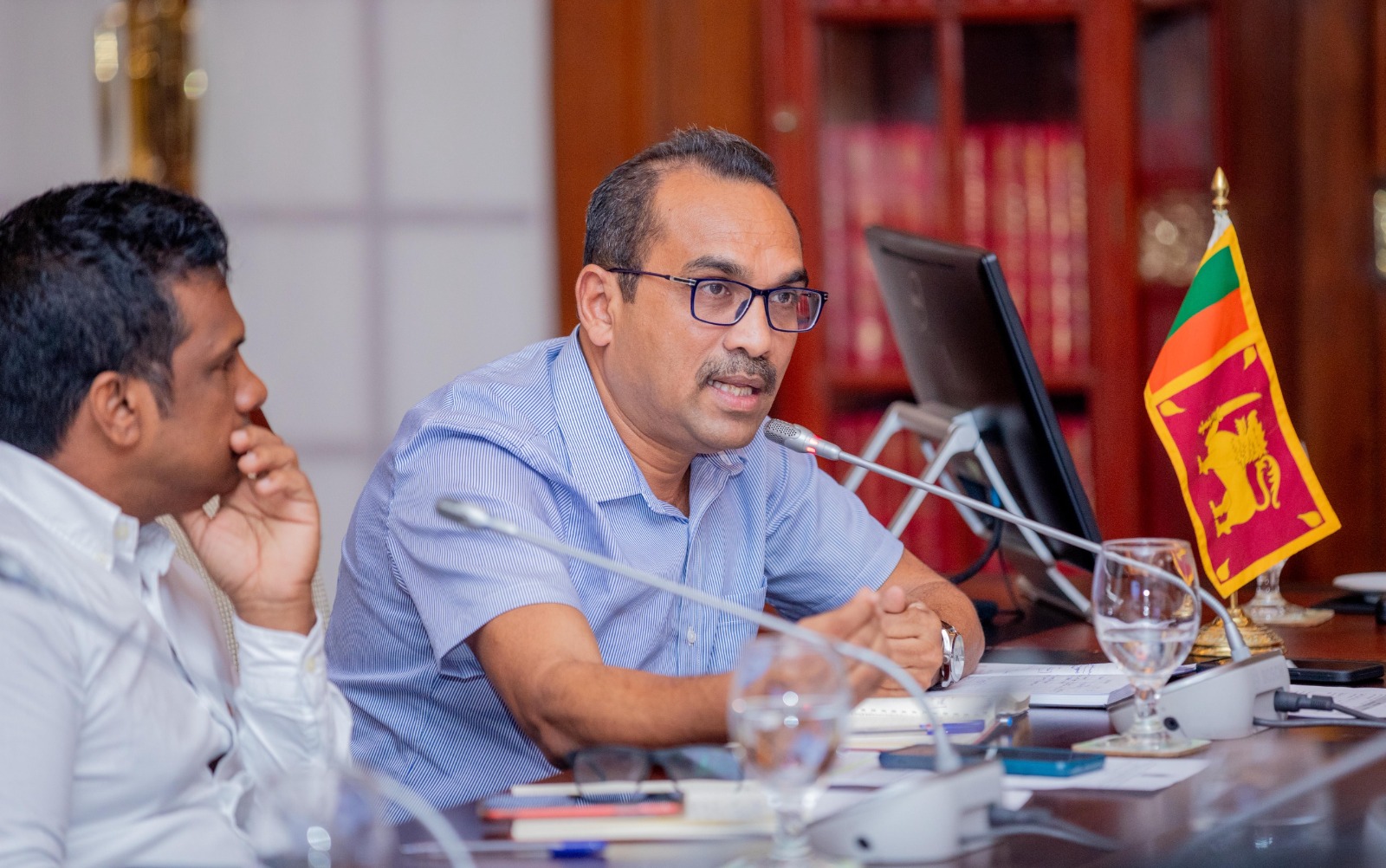
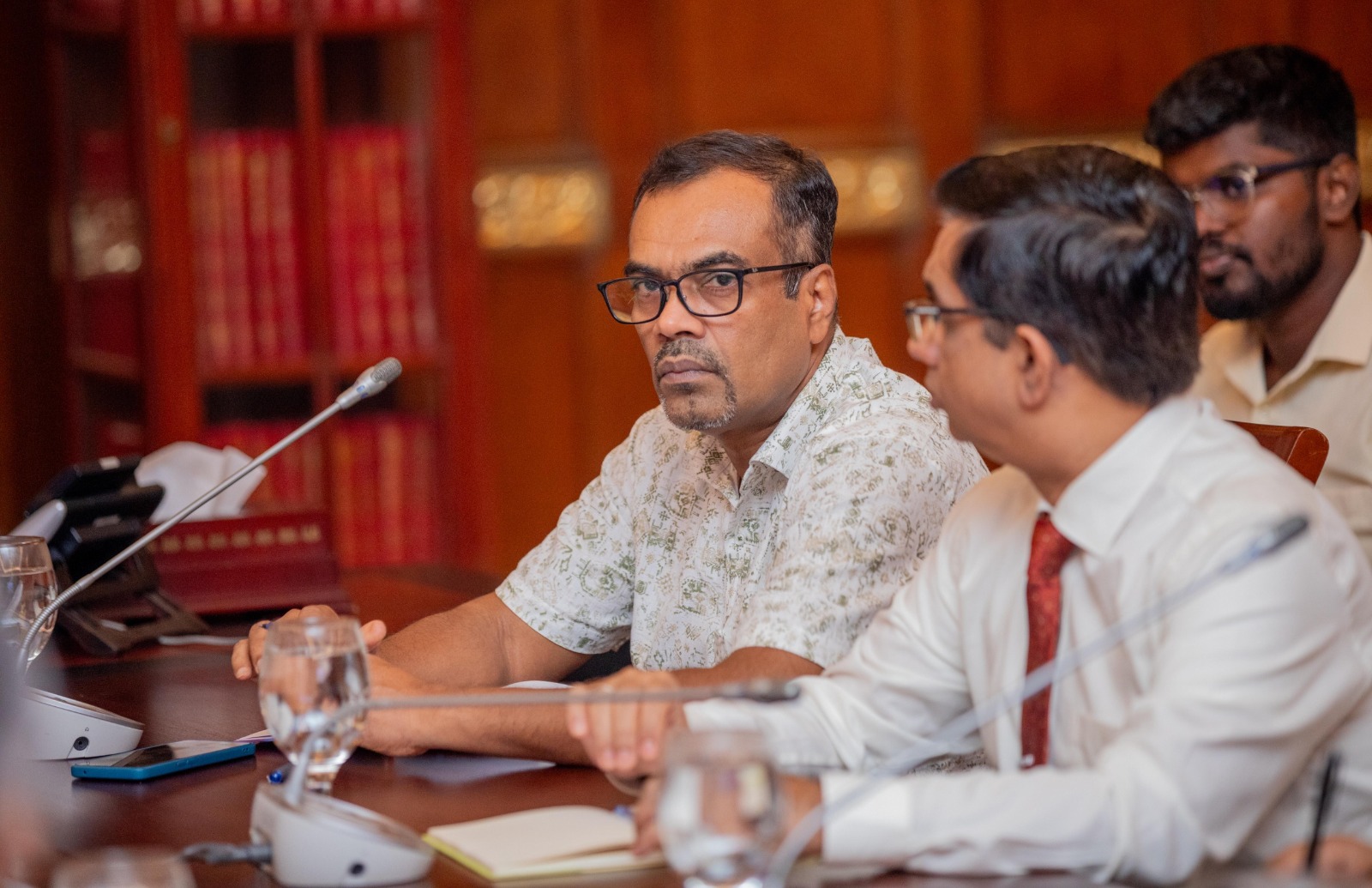
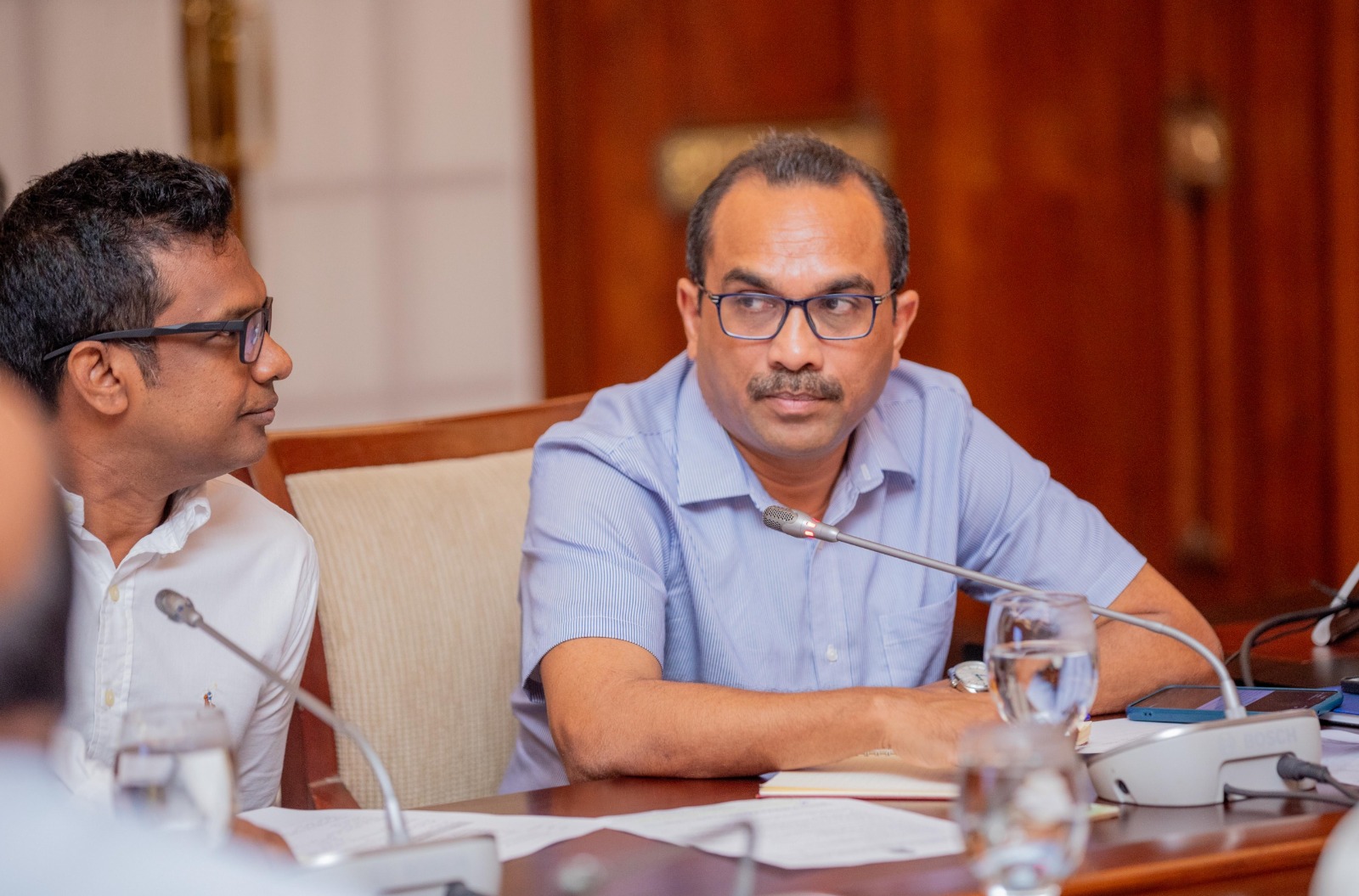
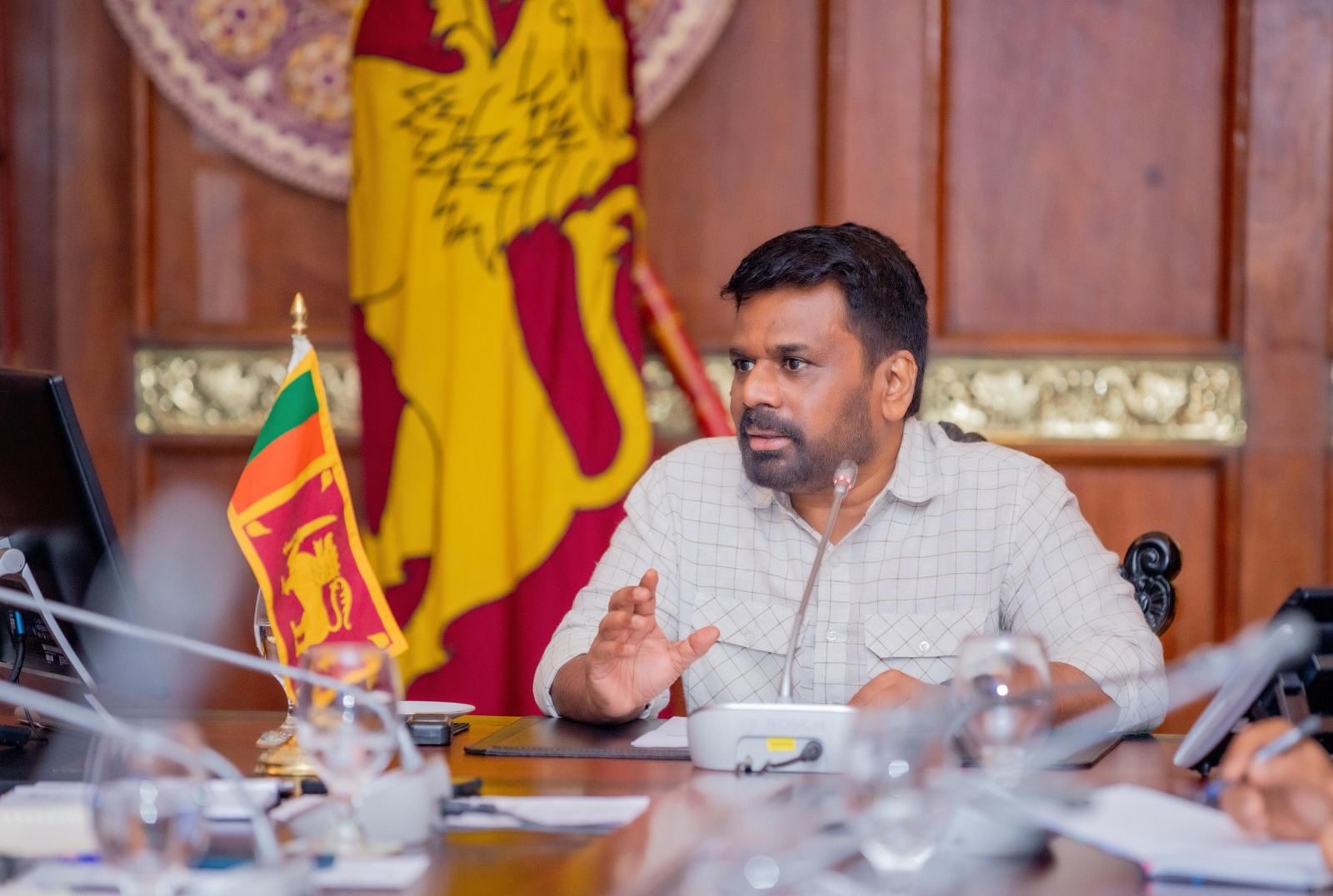
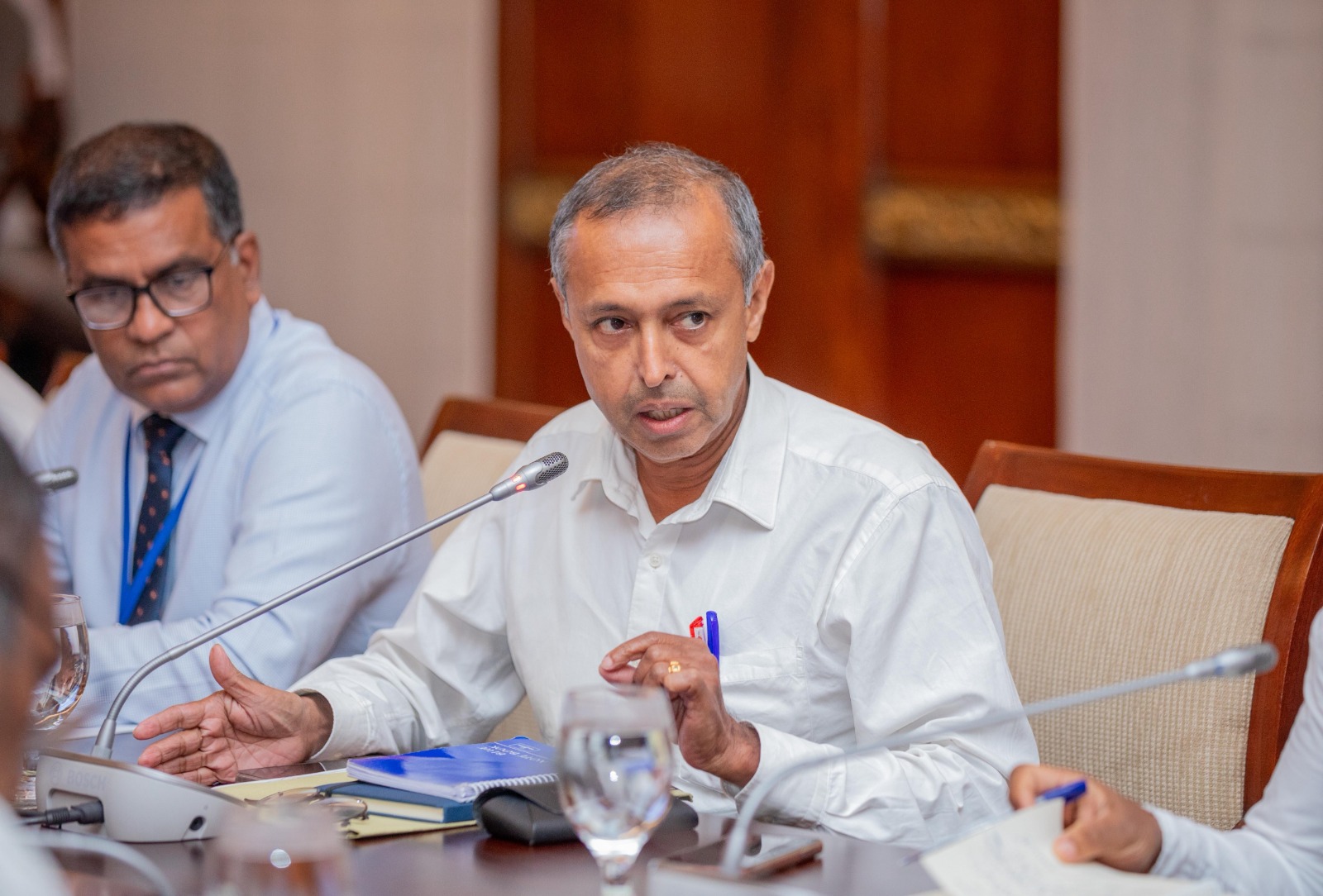
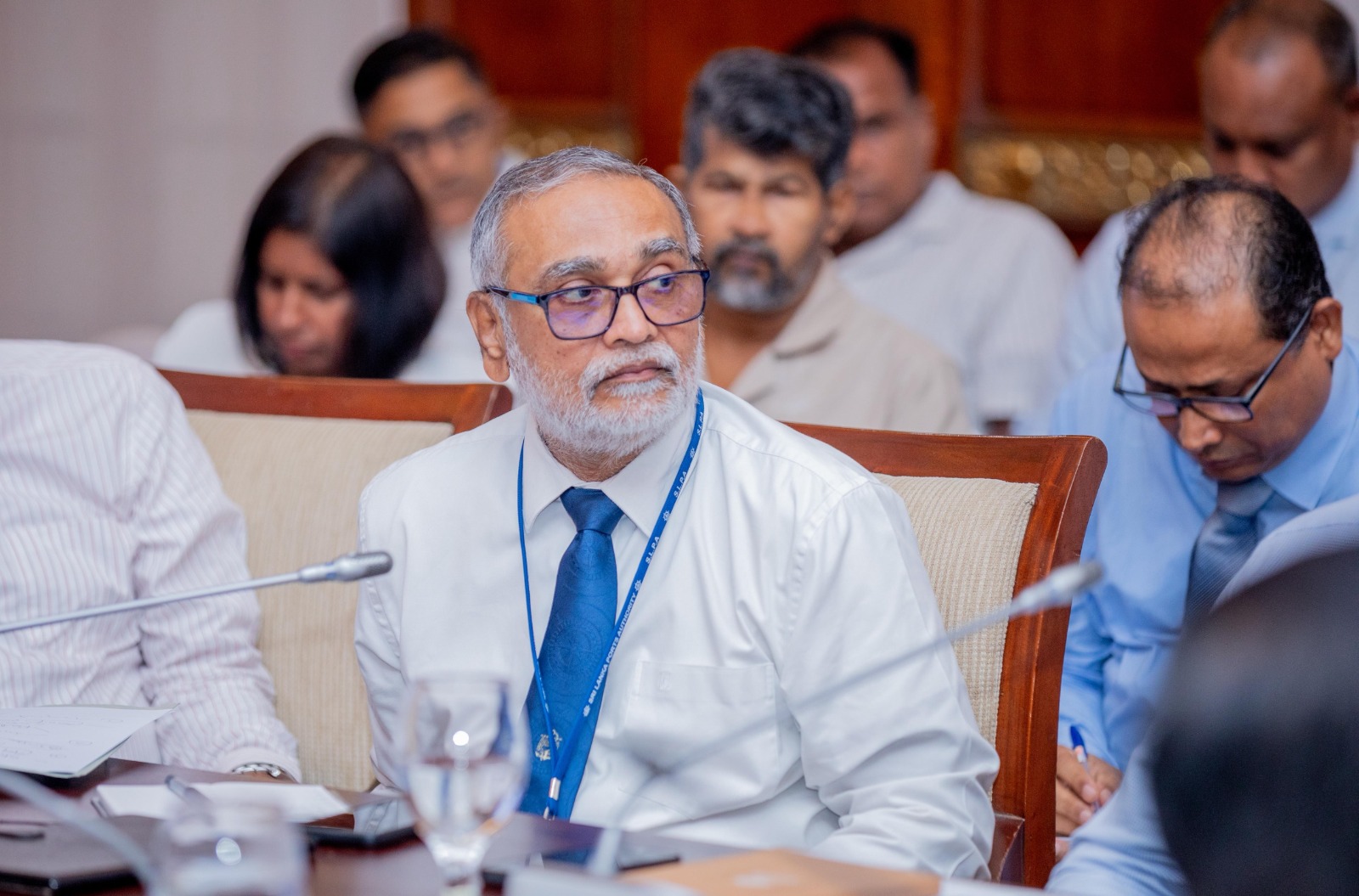
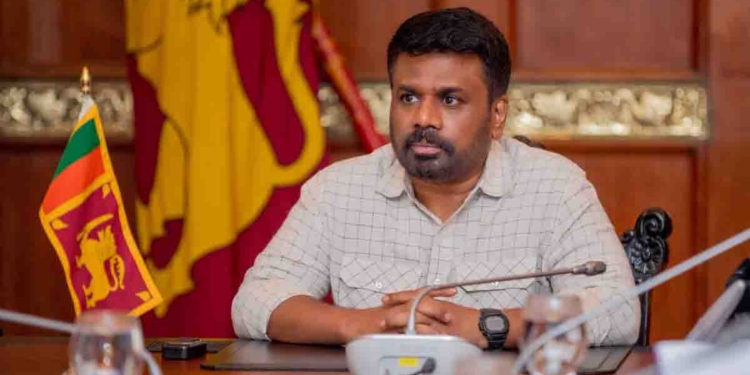
This agreement was reached during a meeting between President Anura Kumara Dissanayake, Sri Lanka Customs officials, and port-related service providers at the Presidential Secretariat on January 12.
President Dissanayake directed officials to take the necessary measures to eliminate the delays in the clearance of imported containers within the next four days. During the meeting, the President addressed the existing issues within the public sector, including Sri Lanka Customs, and discussed the challenges faced by port-related service providers.
It was emphasized that while a short-term, medium-term, and long-term plan is required to develop the port sector, collaboration from all parties involved is essential to resolving the current situation.
Following the President’s instructions, agreements were made between the public and private sectors to address the ongoing issues.
Sri Lanka Customs officials have agreed to work 24 hours a day, seven days a week, to resolve the current situation by speeding up the clearance process of imported containers.
As an immediate measure, ministries have decided to allocate space at the Unity Container Terminal (UCT) to store containers undergoing investigation. A five-acre land area in the Blue Mandala region will be utilized for this purpose. The plan includes vacating two acres of the land by January 31 and providing the remaining space by February 28.
The government has also agreed to provide land in the Peliyagoda area for parking container trucks at the port terminal, as this has been identified as a significant cause of congestion.
Delays in the clearance of imported containers at the Sri Lanka Standards Institution, the Food Commissioner’s Department, and the Plant Quarantine Division were also addressed. These institutions are facing a shortage of staff, and the President has instructed that vacancies be filled and welfare allowances for the relevant officers be increased.
Minister of Transport and Highways, Ports, and Civil Aviation Bimal Ratnayake noted that if additional financial support is needed, the Ministry of Ports can provide the necessary funds.
Private associations have urged the President to take disciplinary action against forensic clerks who fail to report for duty on time for the clearance of imported containers. Minister Ratnayake emphasized that the responsibility for ensuring these employees report on time lies with the relevant private institutions.
The importers agreed that a certificate from foreign laboratories is mandatory for food-related products. If any irregularities are found, action will be taken according to government regulations.
It was decided to reduce the free storage period for containers at the port premises to two days, with plans to further reduce it to one day by June.
Minister Bimal Ratnayake confirmed that this emergency process will remain in effect until June 30 and added that private companies providing port, customs, and other port-related services should operate as a unified team.
Port service provider associations that participated in the discussion requested police security for container trucks currently parked along the road.
The meeting was attended by Minister of Labour and Deputy Minister of Economic Development Professor Anil Jayantha Fernando, Secretary to the President Dr. Nandika Sanath Kumanayake, Senior Additional Secretaries to the President Russell Aponsu and Kapila Perera, Sri Lanka Customs officers, Sri Lanka Ports officers, officers from the Sri Lanka Standards Institution, Food Commissioner’s Department, Sri Lanka Shippers’ Association, Containerists’ Association, Container Transporters’ Association, import and export clearance officers, and other relevant stakeholders.