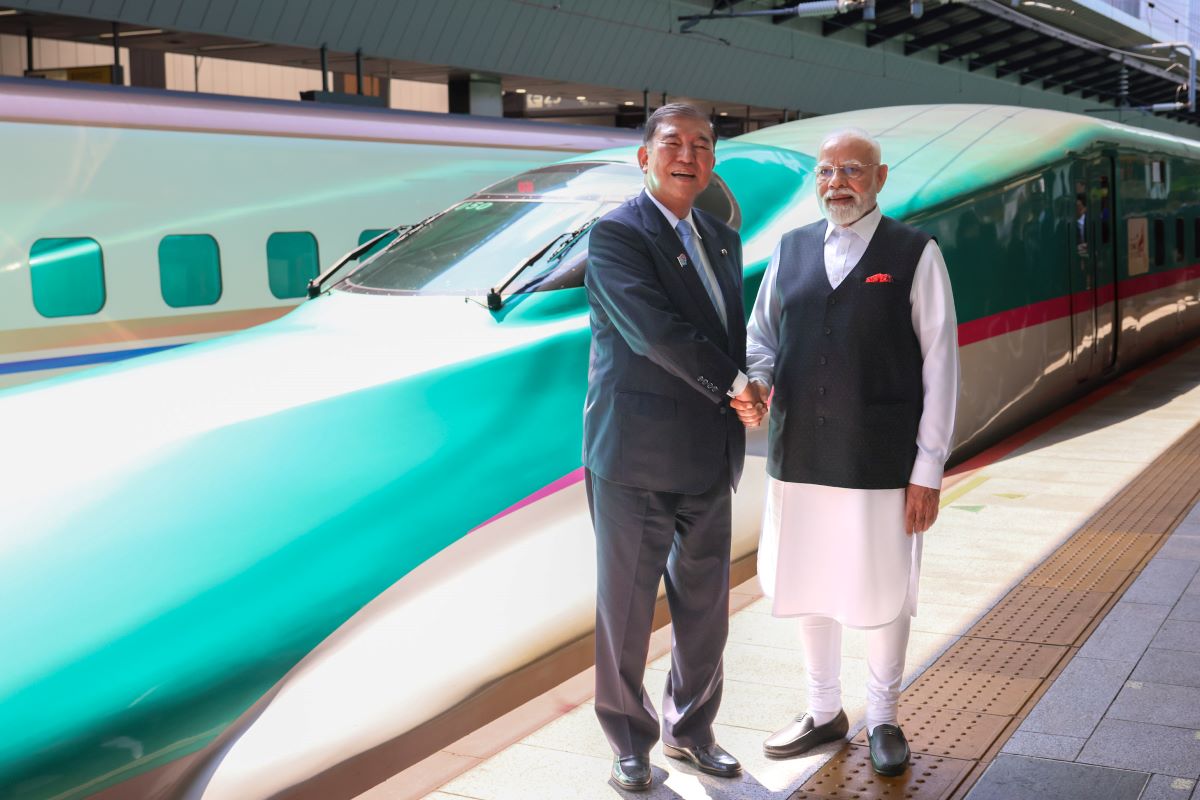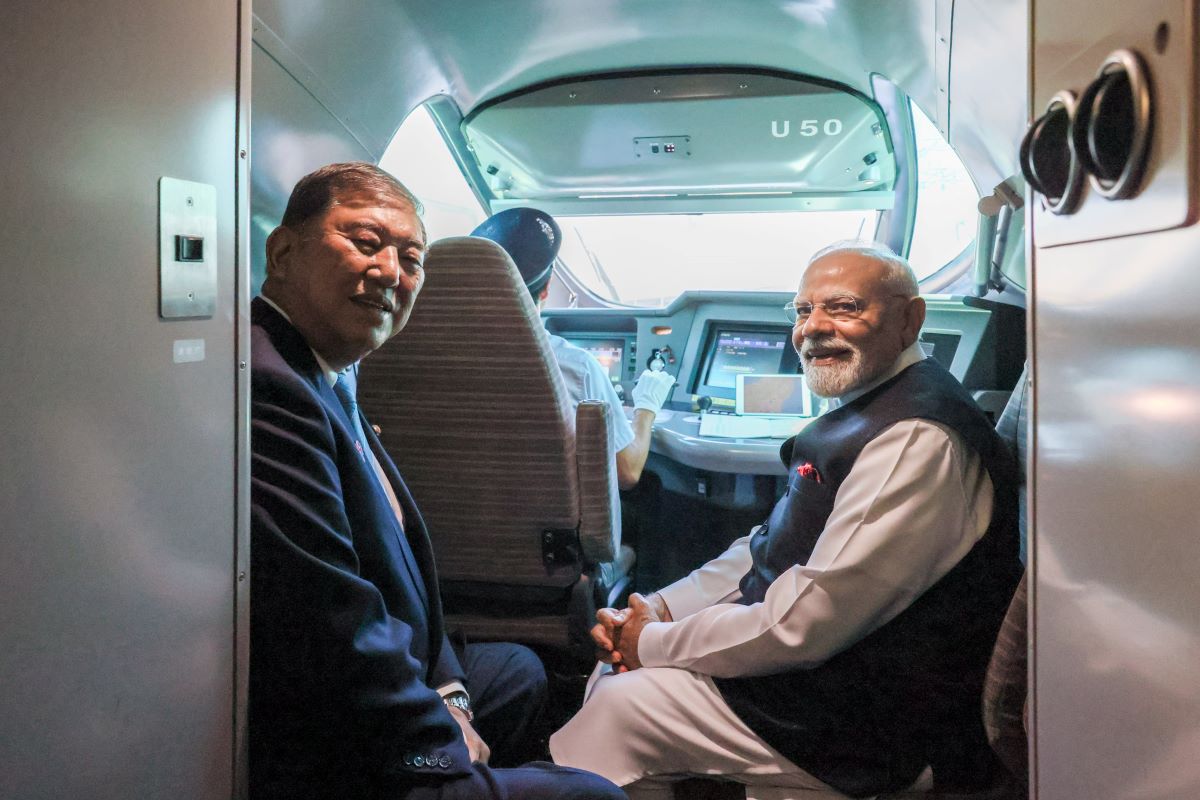
Tokyo, Japan — Prime Minister Narendra Modi’s visit to Tokyo in August 2025 was portrayed as a major step toward deepening the security and strategic dimensions of the Japan-India partnership. Analysts and commentators emphasized the renewal of the two nations’ joint vision for the coming decade and their reaffirmation of a shared Indo-Pacific outlook.
Yet, the true significance of Modi’s visit lies in the economic commitments that accompanied it. These were far from ordinary deliverables — instead, they represented a substantial pool of private capital, a structured framework for labor mobility, and a roadmap for technological collaboration.
The key question now is whether Japan and India can extend these instruments beyond the Indo-Pacific, leveraging them to expand their joint economic and strategic footprint across Central Asia and the Shanghai Cooperation Organization (SCO) region.
The Tokyo Deliverables: Building Pillars of Cooperation
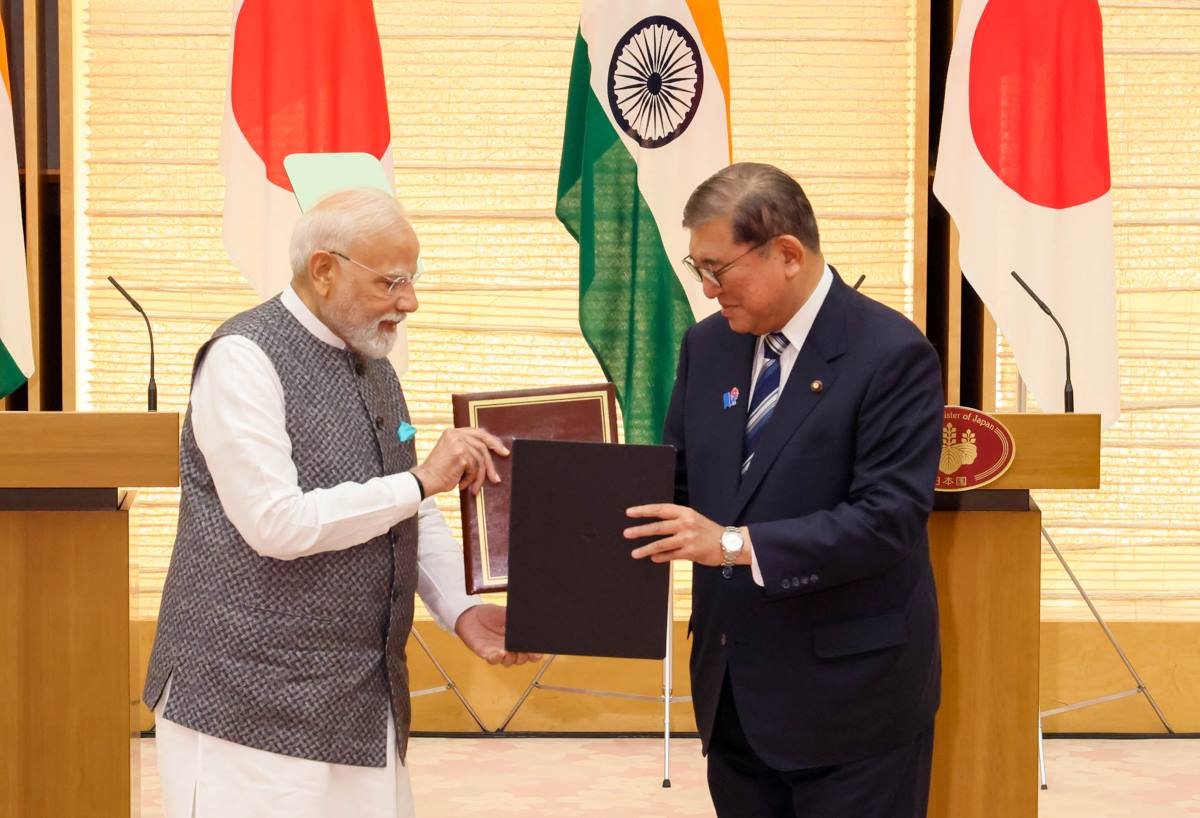
During the Tokyo summit, Japan pledged ¥10 trillion JPY (approximately $68 billion USD) in private investment into India over the next five years. Unlike concessional loans or official development assistance, this commitment demonstrated the readiness of Japanese firms and financiers to anchor themselves within India’s growing industrial and infrastructure landscape.
Alongside this investment, the two leaders launched a mobility initiative that envisions the movement of half a million people over the same period — including 50,000 skilled and semi-skilled Indian workers relocating to Japan.
These developments were further complemented by agreements in semiconductors, clean energy, industrial competitiveness, and prefectural-level cooperation. Together, they established three strategic pillars — finance, labor, and technology — which can not only support bilateral projects but also form the foundation of a joint Japan-India economic strategy in Eurasia.
A Eurasian Vision: Competing with China’s Dominance
The need for a cohesive Eurasia strategy is evident. In 2024, China’s trade with SCO members surpassed $500 billion, underscoring its dominance in Eurasian commerce. In stark contrast, India remains a marginal player.
According to Indian government data, trade with the five Central Asian republics is modest. For instance, India’s exports to Kazakhstan totaled only $258 million in 2024, a mere fraction of the nation’s $440 billion in global merchandise exports.
This imbalance is more than statistical — it reflects structural gaps. Central Asia, rich in energy and strategically located between Europe and Asia, seeks to diversify partnerships beyond China and Russia. However, India has struggled to translate its political goodwill into meaningful economic outcomes. The challenges — limited connectivity, inadequate financing, and insufficient industrial presence — are precisely where Japan’s capital and technology can serve as powerful force multipliers.
A Japan-India partnership in Central Asia would combine Japan’s patient private capital, advanced manufacturing, and project management expertise with India’s vast manufacturing base, robust services sector, and affordable pharmaceuticals and agri-processing industries.
Both nations share a vision of offering a transparent and credible alternative to China’s Belt and Road Initiative, which has raised concerns in parts of the region over debt dependency. Modi’s Tokyo visit has now established the financing and labor frameworks necessary to act jointly in this space.
What a Japan-India SCO Strategy Could Look Like
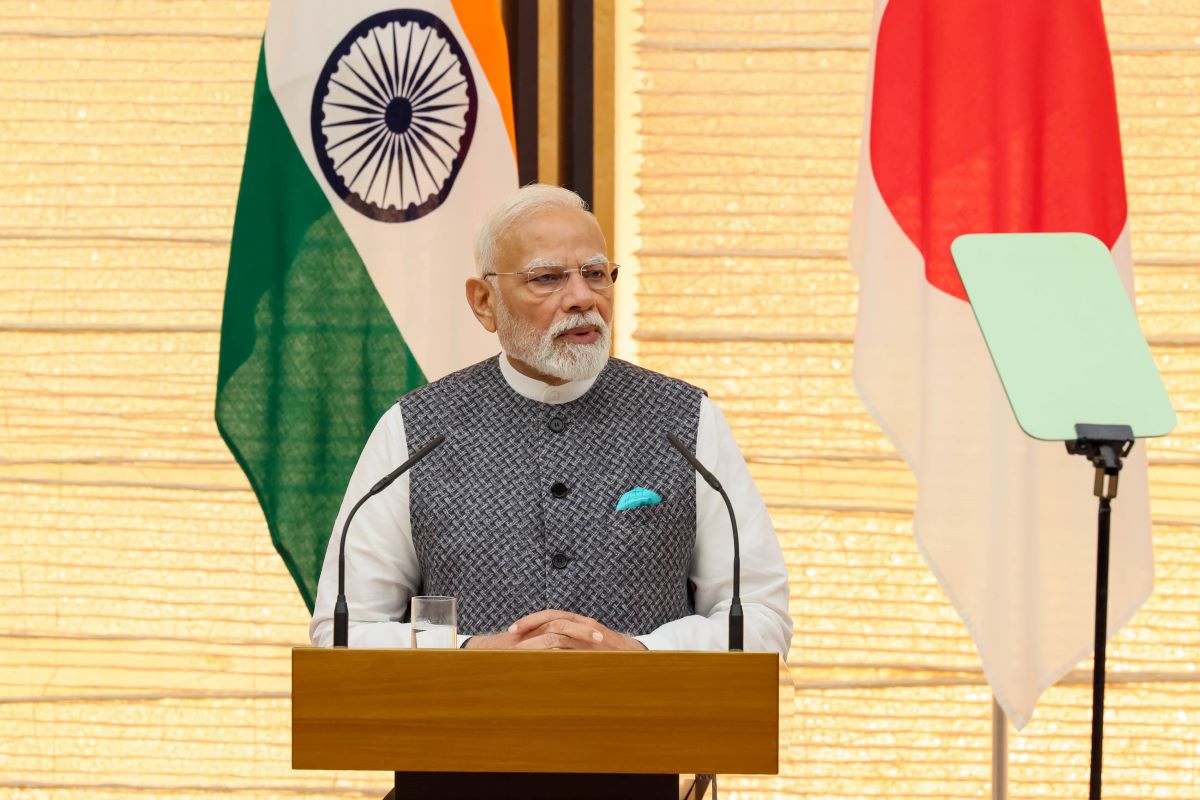
One proposal is the creation of a Japan-India Eurasia Investment Partnership that channels a portion of Japan’s pledged capital into Central Asian projects. This initiative could blend Japanese financing with Indian execution capabilities. Early projects might focus on logistics hubs, renewable energy ventures, and agro-processing facilities — addressing regional economic needs while opening new markets for both nations’ industries.
Another avenue could involve the establishment of joint industrial parks in countries like Uzbekistan or Kazakhstan, where Indian pharmaceutical and IT firms collaborate with Japanese capital goods manufacturers to generate employment and exports.
Connectivity also presents a promising frontier. India’s ongoing investments in the Chabahar Port and the International North-South Transport Corridor (INSTC) remain underutilized. With Japanese technical and financial support, these corridors could evolve into efficient trade routes linking Japan and India to Eurasian markets.
Energy cooperation is equally critical. Central Asia’s vast gas reserves and renewable energy potential could be harnessed through joint ventures in Turkmenistan and Kazakhstan, helping India diversify its energy imports and offering Japan alternative sources beyond East Asia.
Finally, the human resource framework introduced in Tokyo could be extended to Central Asia, establishing training pipelines for technicians and service providers — ensuring the sustainability of joint projects.
Overcoming the Challenges
While promising, several challenges remain. Infrastructure deficiencies, particularly in Afghanistan and Iran, continue to hinder overland connectivity — a key obstacle for trade expansion. Moreover, Indian exporters must adapt their products to local market demands rather than rely on global templates.
However, these challenges are not insurmountable. Transparent project design, multilateral co-financing, and a focus on commercially viable corridors can mitigate both political and economic risks. Starting with sectors where both countries hold clear comparative advantages — such as pharmaceuticals, IT services, and agricultural processing — would create quick successes and build momentum.
The Tokyo summit, therefore, has given India and Japan a rare opportunity: access to billions in private capital, a structured labor mobility plan, and a framework for industrial and technological cooperation. If deployed strategically, these tools can expand their presence across Central Asia and the SCO, regions that are vital to India’s continental outreach and Japan’s quest for diversified markets and resources.
Exercising Due Vigilance
Any significant initiative in Central Asia will inevitably intersect with Russian and Chinese interests, requiring careful political navigation. The way forward lies in moving beyond bilateral cooperation and treating Eurasia as a shared economic theater.
A credible Japan-India presence within SCO member nations would not only counterbalance China’s overwhelming trade dominance but also provide the region with genuine, transparent alternatives. For both Tokyo and New Delhi, the next step is to translate summit declarations into actionable projects — forming a Eurasian trade compact that delivers tangible benefits and positions them as long-term stakeholders in the heart of the continent.