
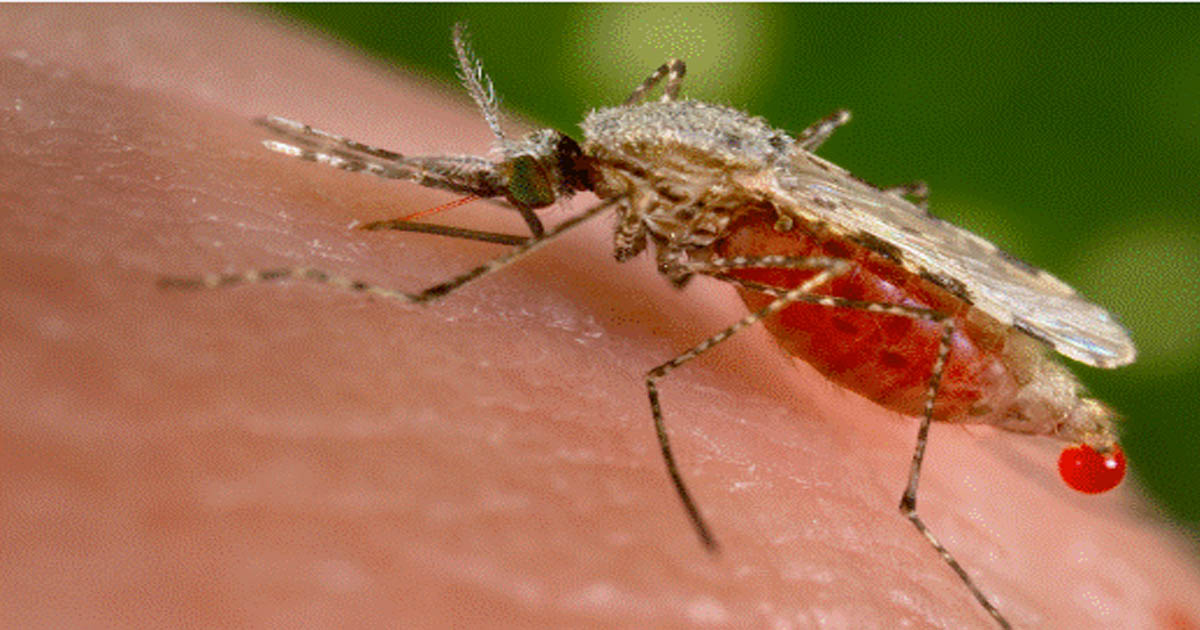
The presence of a major malaria vector called Anopheles stephensi mosquito in six MOH areas in the Northern and Eastern Provinces has re-alarmed health officials about the threat of malaria.
According to Health Ministry sources, the six MOH areas in the Ampara district are Jaffna MOH area, Point Pedro MOH area, Akkaraipattu MOH area, Thirukkovil MOH area, Alayadivembu and Addalaichenai MOH areas.
A series of entomological investigations conducted by the Ministry of Health’s Anti-Malaria Campaign from December 2016 to April 2017 revealed the first detection of Anopheles stephensi in Mannar in 2016 and then in Jaffna and Mullaitivu districts in the Northern Province. This mosquito was discovered just two months after WHO declared Sri Lanka malaria-free.
According to sources, Sri Lanka was able to eradicate the mosquito from the aforementioned areas. However, Sri Lanka has yet to eradicate Anopheles stephensi from the aforementioned MOH areas. As a result, vector control measures are being implemented.
Anopheles stephensi has also been identified as the primary vector of urban malaria in India, where the disease is wreaking havoc.
Malaria is a potentially fatal disease caused by a parasite that infects a specific type of mosquito that feeds on humans. Malaria is typically transmitted through the bite of an infective female Anopheles mosquito. Only Anopheles mosquitos can transmit malaria, and they must have previously been infected through a blood meal taken from an infected person.
As a result, Anopheles stephensi has the ability to spread Malaria from one infected person to another. In this context, health officials are on high alert to prevent any malaria-infected patient from entering the country, which could lead to the spread of the disease.
In November 2012, Sri Lanka achieved zero transmission of locally acquired malaria cases. Following three consecutive malaria-free years, Sri Lanka received World Health Organisation certification of malaria elimination in September 2016.
With the cessation of local malaria transmission in the country, disease surveillance, as well as entomological surveillance, have been strengthened to prevent malaria reintroduction. The importation of malaria cases from endemic countries poses the greatest risk of reintroduction of malaria into the country.
Given the role that Anopheles stephensi could play in urban and high-vulnerability areas of Sri Lanka, the presence of Anopheles stephensi may pose a serious challenge to the Ministry of Health’s efforts to prevent the reintroduction of malaria transmission in the country.