Amid improving bilateral relations, India has sent a major consignment of diesel to Bangladesh, which is facing a critical fuel shortfall due to the war in Iran. Sources confirmed that New Delhi has dispatched 5,000 tonnes of diesel as part of the regular ongoing energy trade between the two countries.
Bangladesh has been struggling with shortages of petrol and diesel due to disruptions in oil supplies following the conflict in Iran. Dhaka has confirmed receiving the diesel consignment from India and has requested additional supplies.
“We have an agreement with India, and according to that agreement, India will supply 180,000 tonnes of diesel to Bangladesh via the pipeline each year. The 5,000 tonnes of diesel that is arriving now is part of that agreement,” Muhammad Rezanur Rahman, Chairman of Bangladesh Petroleum Corporation (BPC), told news agency ANI on Tuesday.
“According to the agreement, at least 90,000 tonnes of diesel should be imported to Bangladesh within six months. The consignment arriving today is 5,000 tonnes, and we hope that within the next two months, we will bring in the total diesel amount for the entire six months,” he added.
New Delhi has been supplying diesel to Bangladesh under the India-Bangladesh Friendship Pipeline initiative, operationalised in 2017. The fuel is supplied on a commercial basis from Numaligarh Refinery Limited, sources said.
However, Dhaka’s request for additional supplies will be considered based on fuel availability and market conditions, government sources said on Tuesday. This clarification comes against the backdrop of New Delhi’s assurance that India is not facing any fuel shortage despite growing uncertainty in global energy markets caused by the ongoing conflict in the Middle East.
Under the commercial framework, India is to supply 180,000 tonnes of diesel to Bangladesh annually. So far, India has not made a decision on the Bangladesh Petroleum Corporation’s (BPC) request for an additional 5,000 tonnes of diesel from the Numaligarh refinery in Assam, sources added.
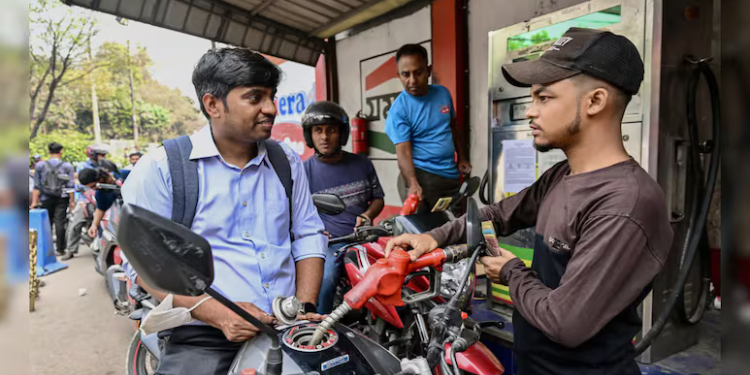
Meanwhile, Bangladesh has implemented a series of drastic measures in response to the deepening energy crisis, including the closure of public and private universities starting Monday. To stabilise dwindling supplies, the government has also introduced strict daily limits on fuel sales following panic buying at fuel stations last week.
Iran War Fuels Energy Crisis
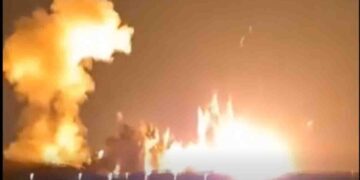
The US said it took out more than a dozen mine-laying Iranian vessels on Tuesday, while the Islamic Republic vowed to block the region’s oil exports, declaring it would not allow “even a single litre” to be shipped to its enemies.
As concerns grew over the war’s impact on a strategic waterway, the American military reported destroying 16 minelayers, though President Donald Trump said on social media that there were no reports of Iran planting explosives in the Strait of Hormuz, through which 20 per cent of the world’s oil is shipped.
The American military released the figure along with unclassified footage of some vessels after Trump threatened to strike Iran at “a level never seen before” if the country failed to immediately remove any mines it may have deployed in the channel.
Both sides intensified their rhetoric as the war entered its 11th day. US Defence Secretary Pete Hegseth promised the most intense strikes yet, while the Pentagon detailed the broader toll of injuries sustained by US troops.
The conflict’s effects have rippled across the Middle East and beyond. Iranian leaders ruled out talks, threatened Trump, and launched new attacks against Israel and Gulf Arab countries.