The relationship between India and Japan continues to strengthen, particularly in the tourism sector, as Japan accepts a growing number of Indian visitors. According to the Japan Tourism Agency, 230,000 Indian tourists visited Japan from January to September this year—representing a 37% increase compared to the previous year. Notably, this nine-month figure has already surpassed the total number of Indian visitors recorded for the entire year of 2024.
Two young Indian planners based in Fukushima are contributing to this accelerating trend. Fukushima, which suffered extensive damage during the Great East Japan Earthquake in 2011, is currently undergoing significant recovery and transformation efforts.
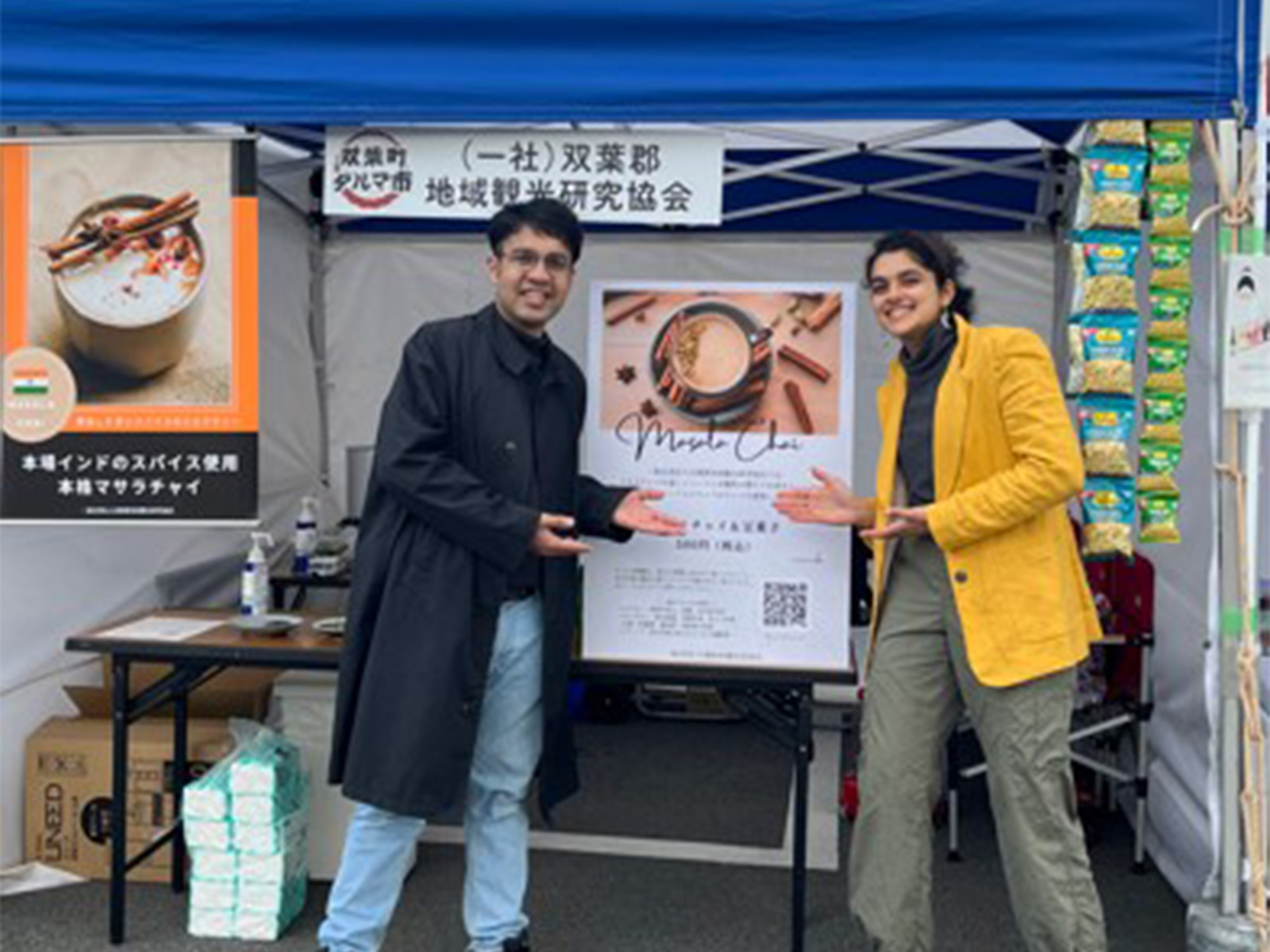
Trishit Banerjee (27), originally from Mumbai, serves as a manager at the Futaba Area Tourism Research Association (FATRA). Alongside him is Swastika Harsh Jajoo (29) from Delhi, also a manager at FATRA. The duo is actively promoting “Educational Tours to Fukushima” not only within Japan but also globally, including in India.
Both came to Japan as international students at Tohoku University. Through their academic journey and daily life experiences, they became deeply connected with the Tohoku region, particularly Fukushima.
To date, they have welcomed educational tour participants from 24 countries, offering firsthand insight into Fukushima’s recovery efforts and its evolution into a vibrant new community. The region is developing new industries, including bioethanol, hydrogen energy, robotics, winemaking, and modern agriculture. Banerjee and Jajoo emphasize that Fukushima’s transformation serves as a powerful model for building livable and resilient societies.
In January, the first group of internship students from India—five students from Nath School of Business and Technology (NSBT)—arrived in Fukushima under a Memorandum of Understanding (MOU) between NSBT and FATRA. A second group of ten students is scheduled to arrive in December. Additionally, 20 school principals from India have visited Fukushima, supported by EDTERRA, an educational tourism company.
Fukushima continues to rebuild and foster emerging sectors such as renewable energy, robotics, drone technology, and agriculture—areas seen as vital for Japan’s future. Recognizing the region’s global value as a model for future community development, the two young Indian planners remain committed to their mission.