Early findings of the pilot project: Post-shelter Economic empowerment programmes demonstrate positive results
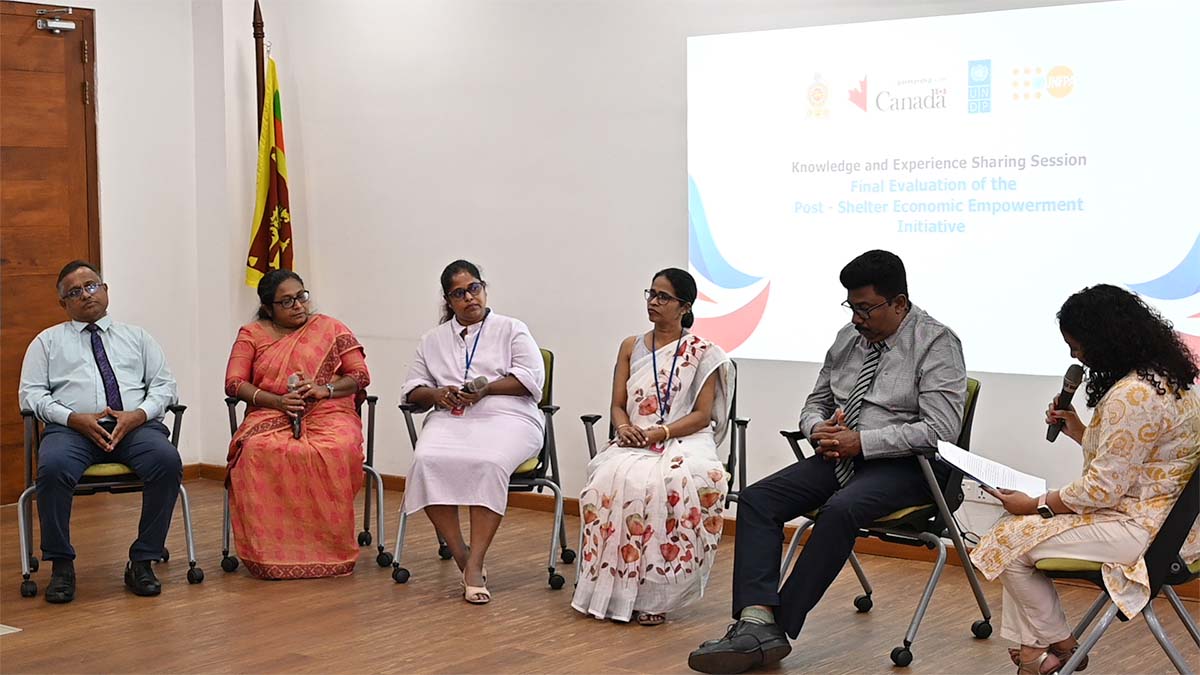
The United Nations Development Programme (UNDP) in Sri Lanka with support from the Government of Canada, hosted a ‘Knowledge and Experience Sharing’ event today to showcase the results of the final evaluation of the 15-month ‘Capacity building for post-shelter economic empowerment of Sexual and Gender-Based Violence (SGBV) victims-survivors’ programme. This pioneering initiative forms a key part of the ‘Ensuring Justice for Victim-Survivors of Sexual and Gender Based Violence in Sri Lanka’ project implemented together with the United Nations Population Fund (UNFPA) in Sri Lanka.
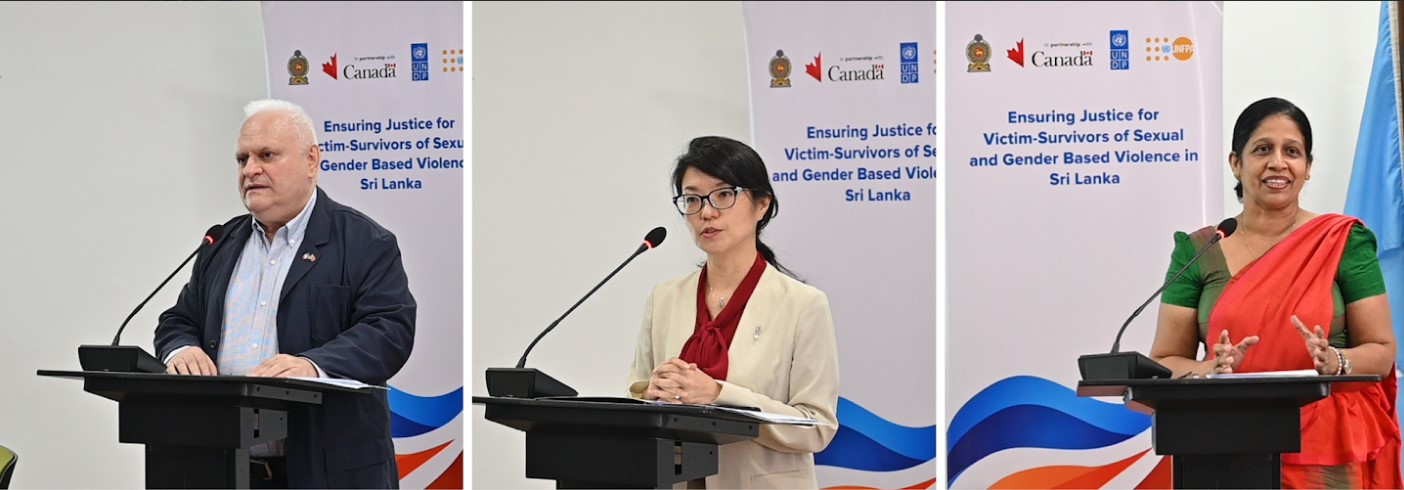
The event saw high-level participation from Mr. Kiril Iordanov, Head of Cooperation, High Commission of Canada; Ms. Azusa Kubota, Resident Representative, UNDP in Sri Lanka; Ms. K. P. C. Subhashini, Director, Planning (a.i.) of the Ministry of Women and Child Affairs along with other senior government officials, civil society partners, SGBV shelter managers, private sector and stakeholders involved in the sector.
Highlighting the importance of the economic empowerment of survivors of SGBV, Ms. Tharangani Wickramasinghe, Secretary of the Ministry of Women and Child Affairs commented, “Economic empowerment is not optional—it is essential. For survivors of sexual and gender-based violence, access to sustainable livelihoods is a critical safeguard against returning to cycles of abuse and dependency. This initiative strongly reflects our national commitment under the SGBV Action Plan (2024–2028) and the National Shelter Guidelines to move beyond protection alone, towards dignity, independence, and long-term reintegration. While the results of this pilot are encouraging, they also highlight the urgent need to scale such efforts through stronger partnerships across government, civil society, and the private sector. We must collectively invest in survivor-centred economic opportunities if we are serious about breaking the cycle of violence and ensuring no woman is left behind.”
Mr. Kiril Iordanov, Head of Cooperation at the High Commission of Canada, attending the event remarked, “Canada is committed to advancing gender equality and supporting survivors of sexual and gender-based violence, both in Sri Lanka and globally. The results shared today reaffirm that when women have access to safety, skills, and economic opportunity, they are able to rebuild their lives with dignity and confidence. We are proud to partner with UNDP, UNFPA, and Sri Lankan institutions in strengthening survivor centred approaches to building sustainable post-shelter economic independence. Canada will continue to champion initiatives that empower women and uphold human rights, contributing to more resilient and inclusive communities.”
Over its 15-month course, the initiative targets current and recently exited shelter home survivors across the Northern, North Central, Central, and Western Provinces of Sri Lanka. Survivors receive tailored training, mentorship, and business development support, while shelter staff benefit from capacity building in order to support current and future victim survivors who engage in entrepreneurial activities. A robust monitoring and evaluation framework ensures the sustainability and impact of the programme.
Commenting on UNDP’s technical leadership on the area, Ms. Azusa Kubota, Resident Representative, UNDP in Sri Lanka stated, “Even as a short pilot, this initiative successfully demonstrated that post-shelter economic empowerment can contribute to recovery, confidence and reintegration when livelihood support is delivered in a survivor-cantered manner. This approach shows promise in improving survivor reintegration efforts significantly and has several learnings for policymakers, CSOs, NGOs, and other institutional actors in the space.”
The early findings from the assessment indicated that across all CSOs, the pilot project contributed to meaningful progress in livelihood readiness, income participation, confidence, and social reintegration among survivors of SGBV. Of the 79 interviewed during the final evaluation – 56 are involved in a business venture. While 69.6% are involved in an individual business the remaining are now part of a group business either led by the CSO or together with other women.
The project helped many move from economic dependency, low confidence, and limited livelihood exposure towards greater awareness of income-generation opportunities, practical skills development and early-stage business or employment engagement.
The knowledge-sharing session enabled a meaningful exchange of experiences and strengthened connections with key stakeholders, including commercial banks and private sector partners, to support the integration of victim-survivors into the workforce, contribute to the economy, and improve their standard of living.