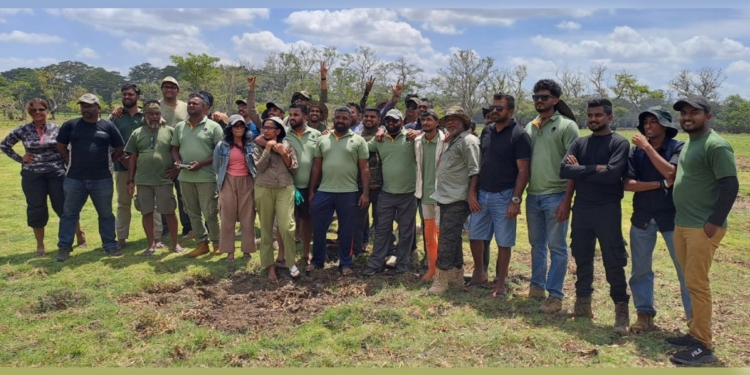
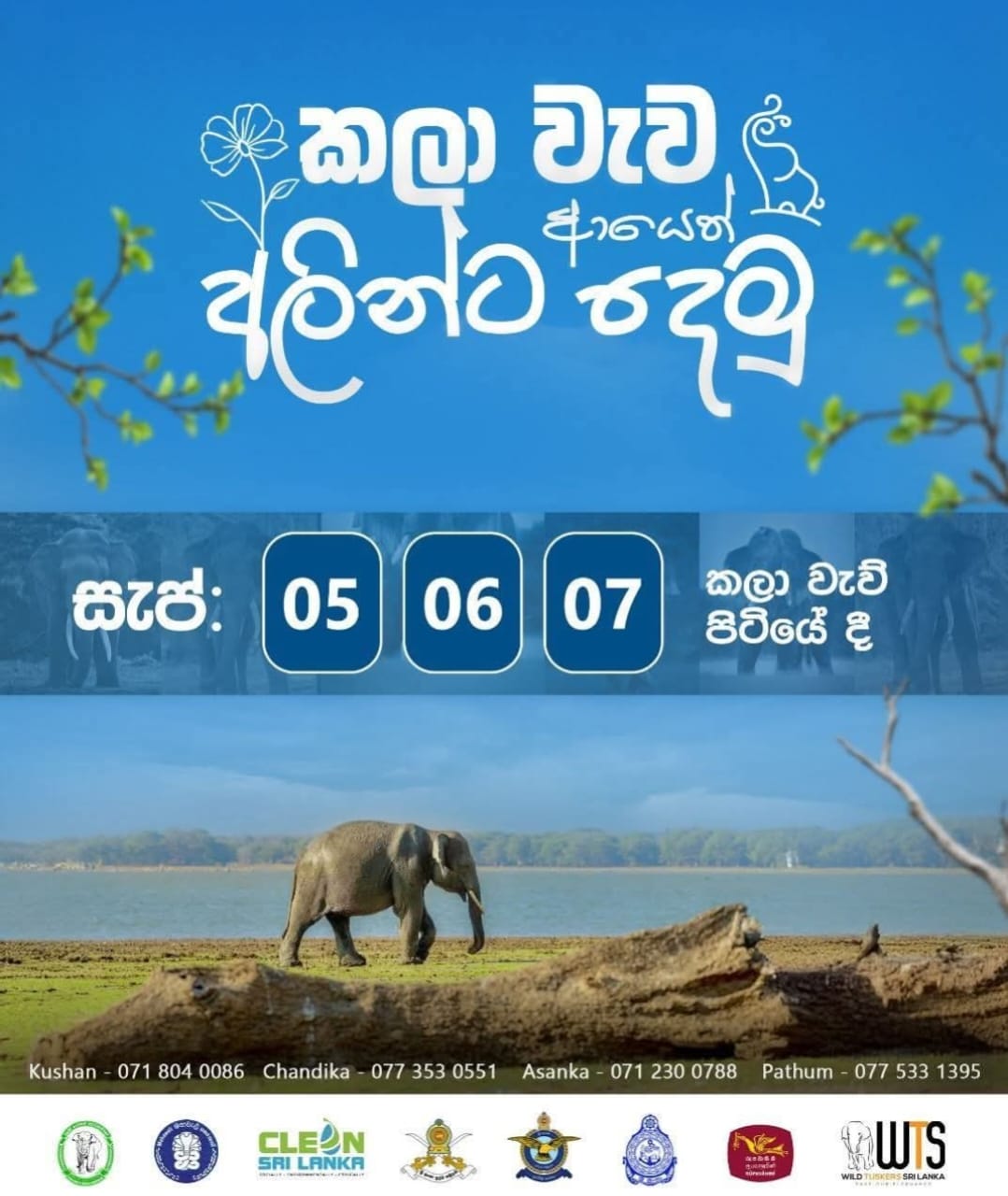
The hearts of people who love the environment, animals, trees, and leaves are truly beautiful and genuine. When such hearts come together and contribute towards achieving a common goal, it marks a new beginning, a new story. A beautiful gathering of such hearts was seen on the 5th, 6th, and 7th of this month at Kalāwewa Pitiya. Today, Kela Kolama is dedicated to sharing that story. Those stories stand as the best example that nothing is impossible when people unite.
If one says that Kalāwewa, built during the reign of King Dhatusena, is a crown jewel of Sri Lanka’s irrigation heritage, it would not be an exaggeration. The service it rendered to irrigation, as well as to elephants, cannot simply be summed up. For elephants, Kalāwewa was a lifeline, but due to poor irrigation management and the lack of timely maintenance, it began to dry up prematurely. The greatest victims of this were the majestic elephants that once reigned over Kalāwewa. As a result, many clashed with human activities and paid with their lives. Among them were well-known tuskers such as Bharatha, Revatha, Valagamba, Deegha 01, and Deegha 02, who all met untimely deaths.
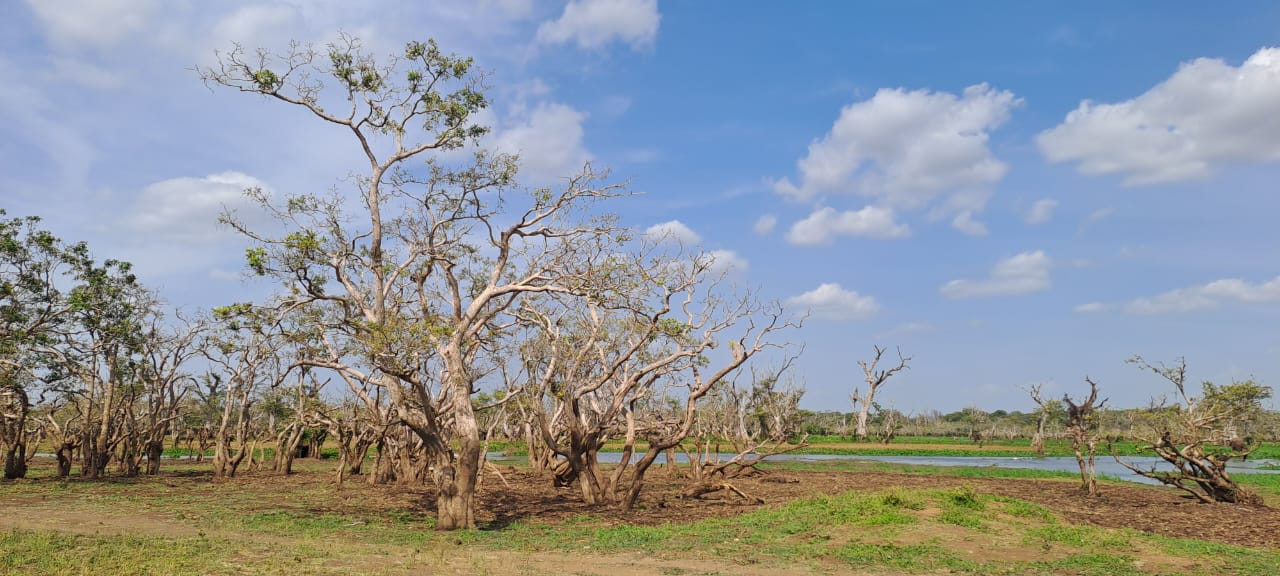
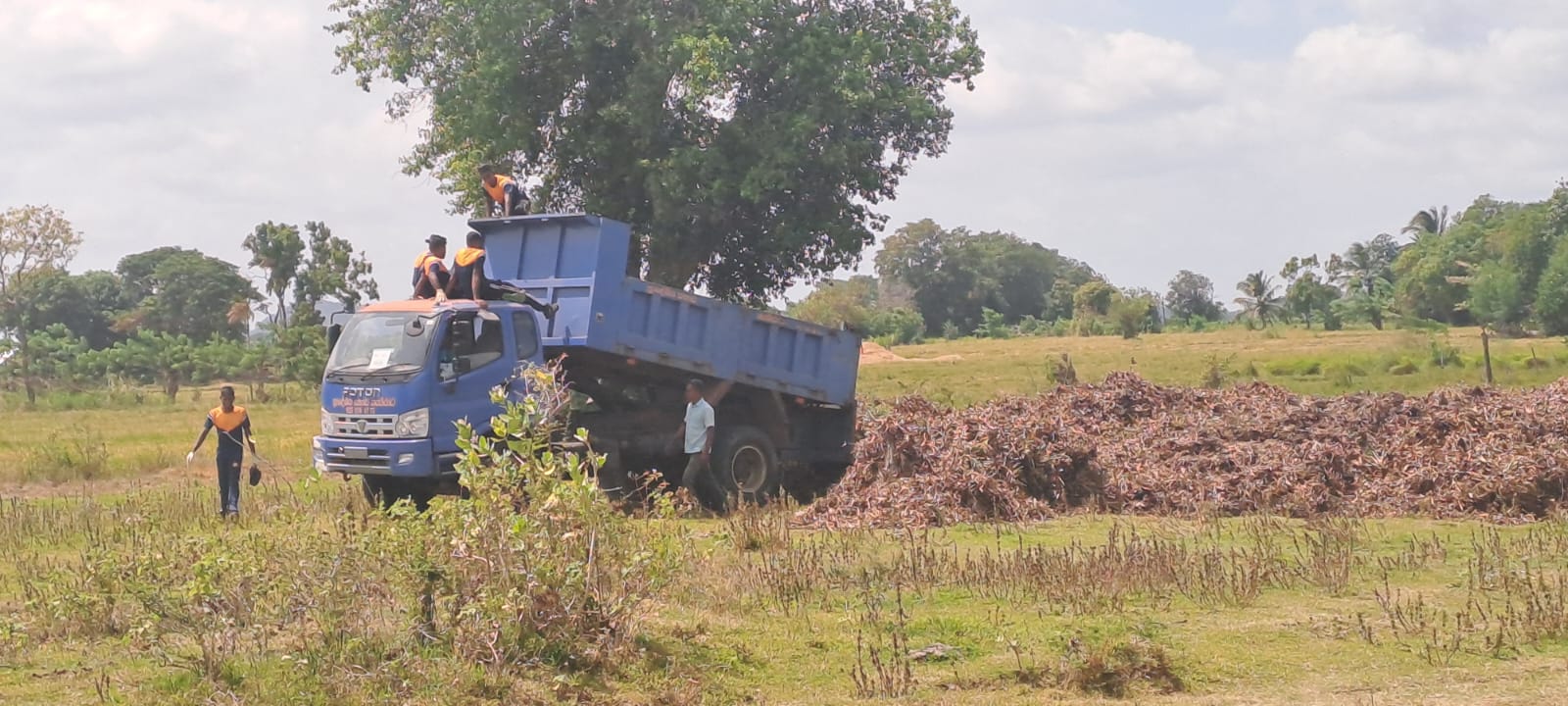
Kalāwewa’s decline began several decades ago. Invasive plant species like Japan Jabara and Agada rapidly spread across the reservoir plain, causing the grasslands essential to elephants to disappear. From then on, elephants were forced to invade villages in search of food, sparking human-elephant conflict. For many years, a farmer named Kumara, who lives near Kalāwewa Pitiya, informed relevant authorities about this tragedy. Yet no effective action was taken. However, Kumara never gave up. Through Kushan Sameera and Chandika Lakmal, this matter was brought to the attention of ‘Wild Tusker Sri Lanka.’ Together, we planned a program to restore Kalāwewa’s grasslands. Supporting this initiative were the Green Sri Lanka Secretariat, Department of Wildlife, Mahaweli Authority, local government institutions, the tri-forces, voluntary organizations, farmer associations, social media communities, and other citizens who love the environment.
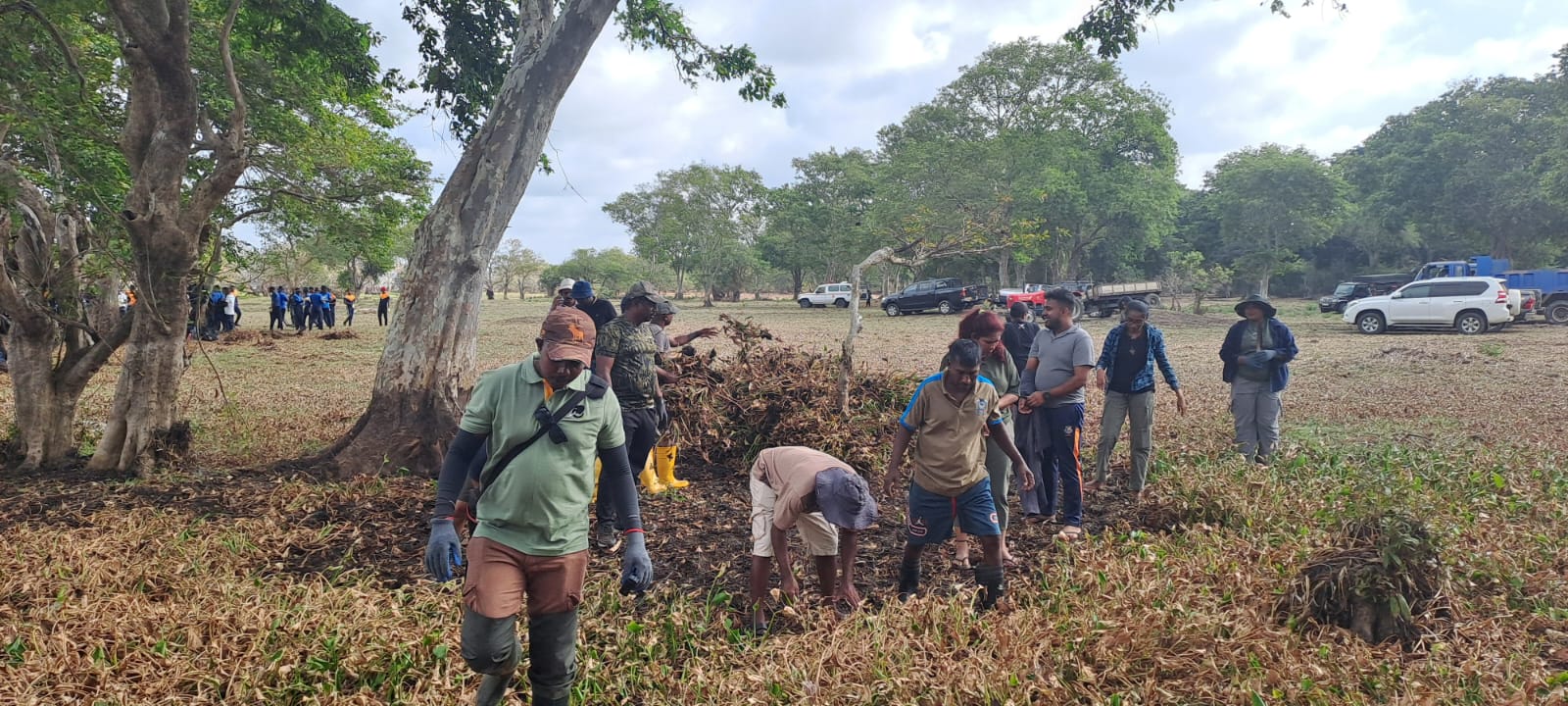
It must be noted that everyone who took part in this project did so voluntarily. Particularly moving was the participation of families, including small children, who contributed for two days. One father explained that he brought his children so they could gain practical experiences in loving and caring for the environment from a young age. We extend our gratitude to the parents who involved even children under five years old in this noble effort.
Another remarkable story is of a sister who traveled all the way from Galle alone on a motorbike and took part in the entire three-day labor campaign. Her dedication and enthusiasm deserve the highest praise. Sadly, the support from the Galkiriyagama Wildlife Office was extremely disappointing. On the final day—when a minister was expected to visit—they appeared in official uniforms, but that was all. Those who earn their livelihood by showcasing elephants to visitors contributed very little to this work. Recently appointed temporary employees assigned to monitor the electric fences did not take part either. All this should have been managed by the Department of Wildlife, but they, as usual, merely looked on.
Honorable Minister, Honorable Director General, please look into this. Ensure that efficient officers are appointed to projects and institutions of this kind.
The support extended by farming communities in the nearby villages, especially the Muslim community, was deeply valuable. Many people, whose names we do not know, also contributed wholeheartedly. On the other hand, it is disappointing that many wildlife photographers—who spend thousands of rupees to rush to Kalāwewa or elsewhere whenever they hear of an elephant sighting—showed no interest in participating in this initiative. Still, it was heartening that a small group of dedicated wildlife photographers, despite challenges, joined us. To them, too, we extend our heartfelt thanks. Let us offer flowers of gratitude to these photographers with beautiful hearts, who understand that by protecting the environment, they are protecting elephants too.
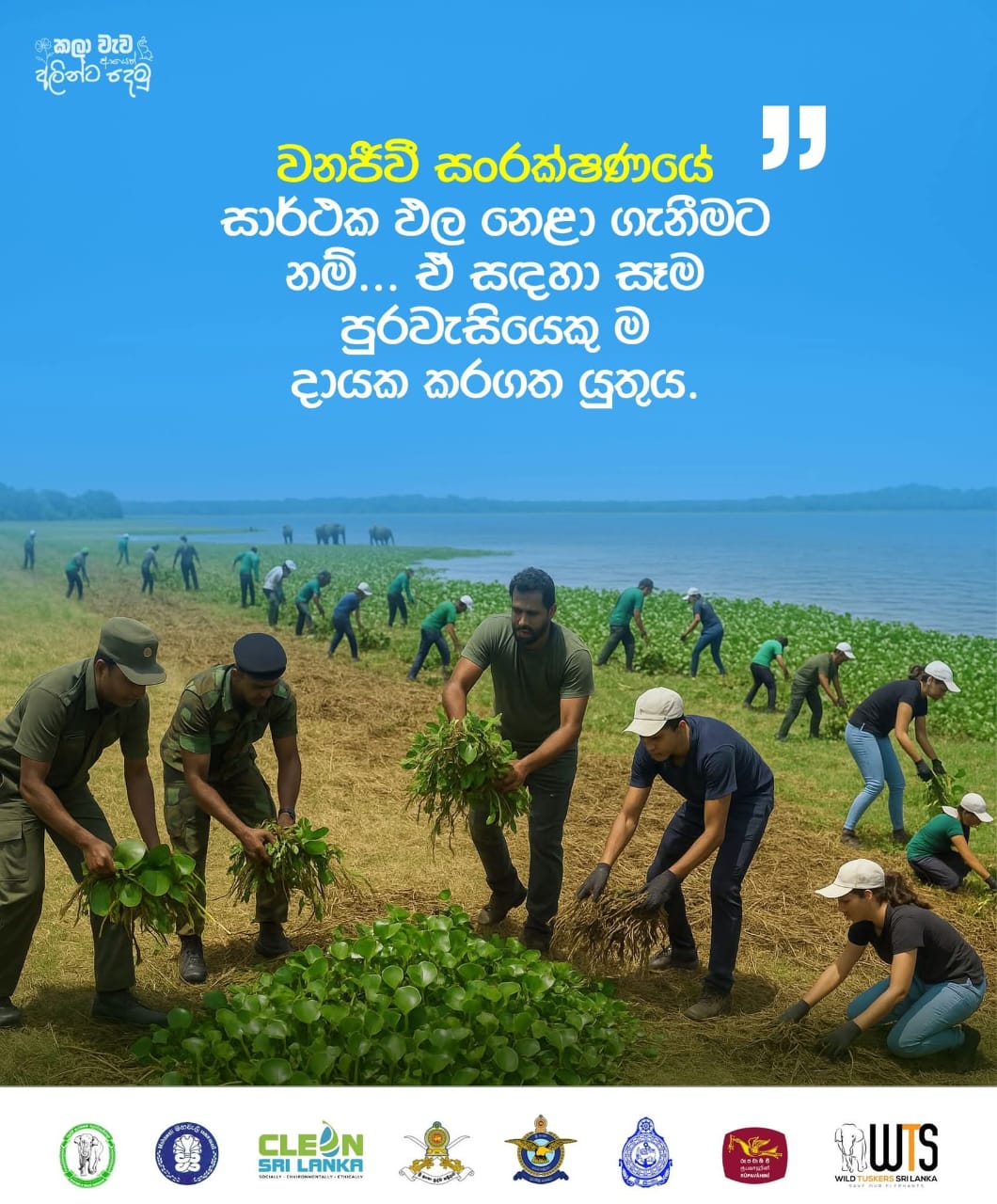
For three full days, invasive plants were removed from Kalāgama and Ballaluwewa plains to create suitable grasslands for elephants. To everyone who gave their time, effort, and money for this cause, Kela Kolama expresses its deepest gratitude. ‘Clean Sri Lanka’ and ‘Wild Tusker Sri Lanka’ organizations assured us that this program will continue uninterrupted. Kela Kolama believes that more beautiful-hearted people will come forward to support these efforts in the future as well.
Let us meet again, on a Kalāwewa plain filled with elephants.
Saman Haloluva