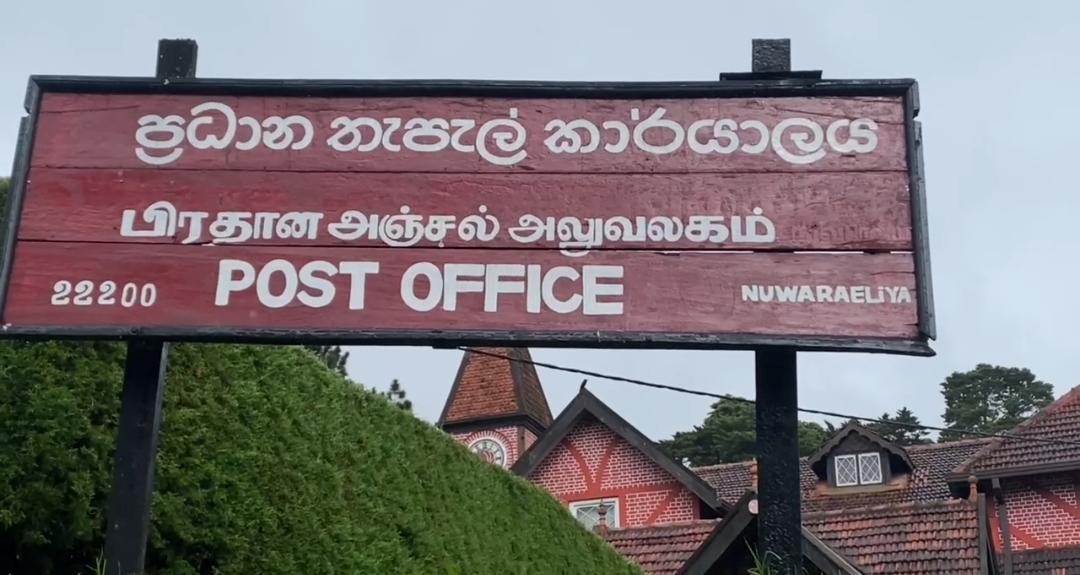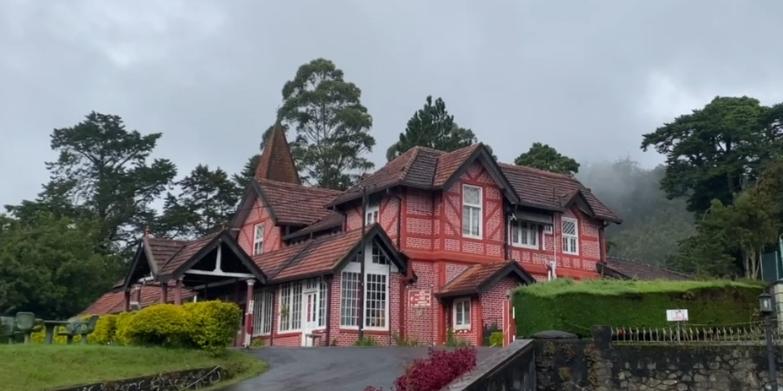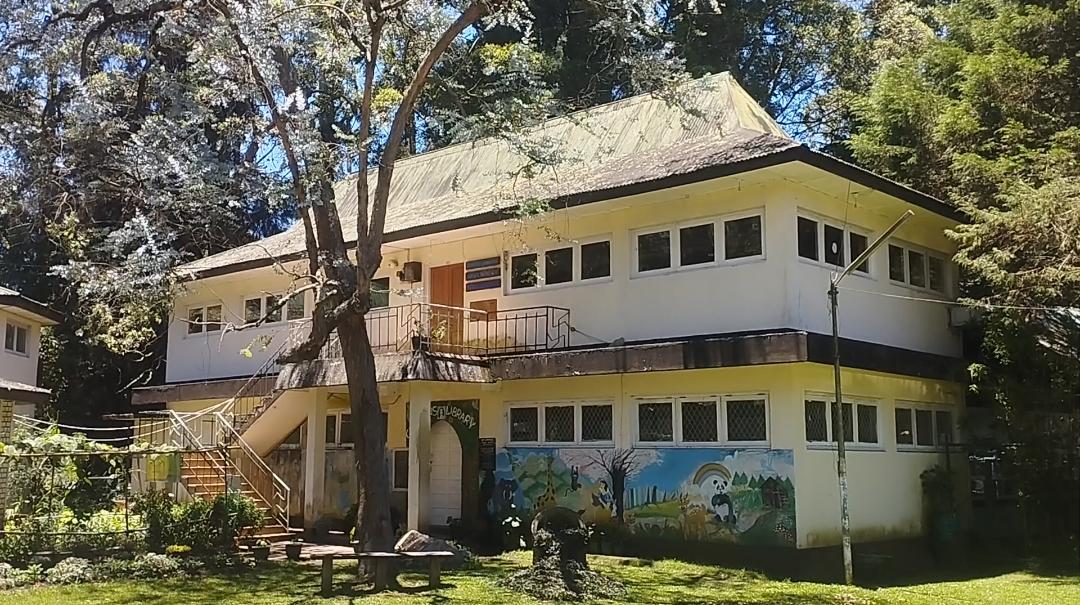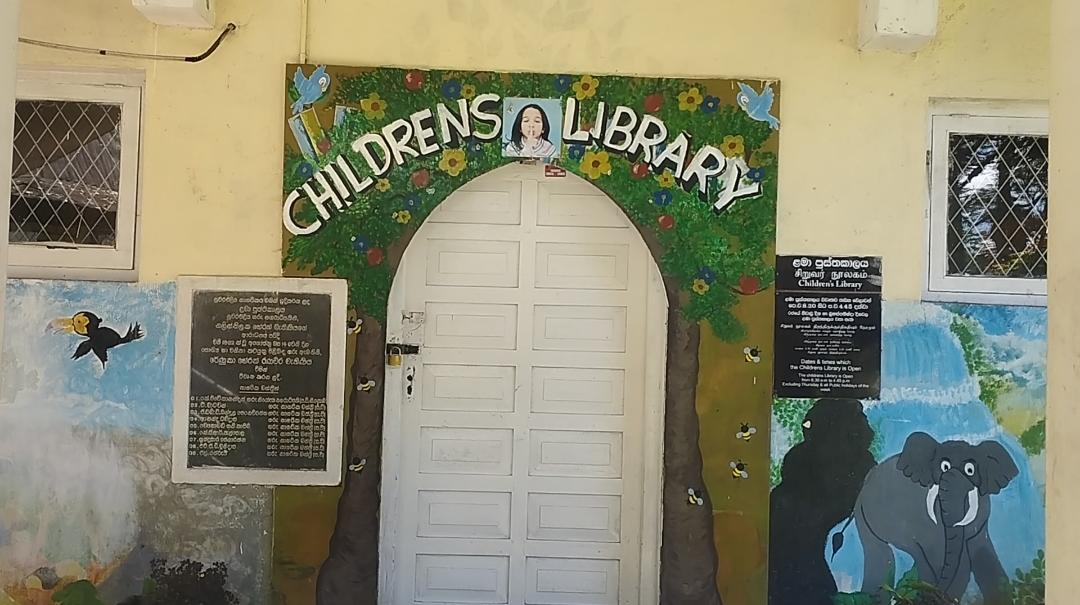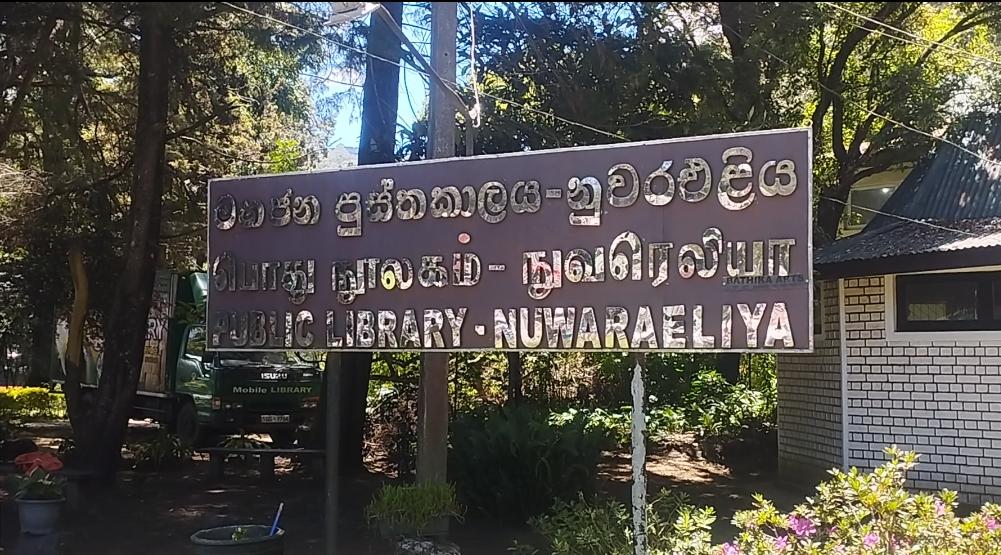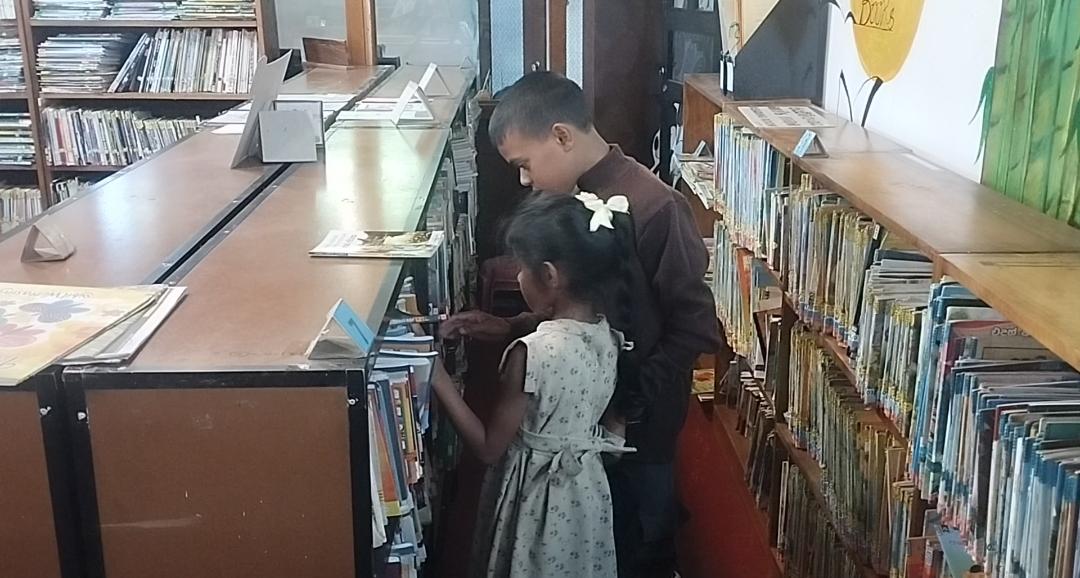
The Nuwara Eliya Library Readers’ Association and residents of the area have expressed strong opposition to a decision taken by the District Coordination Committee last month to temporarily transfer the post office to the Nuwara Eliya Children’s Library during renovation work, as part of an ongoing government development project.
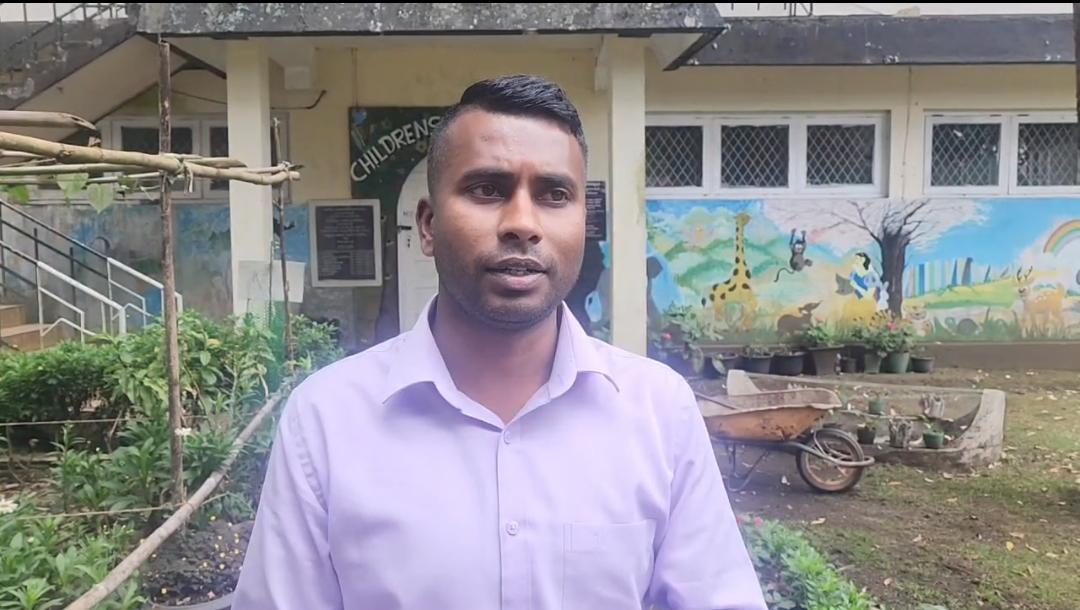
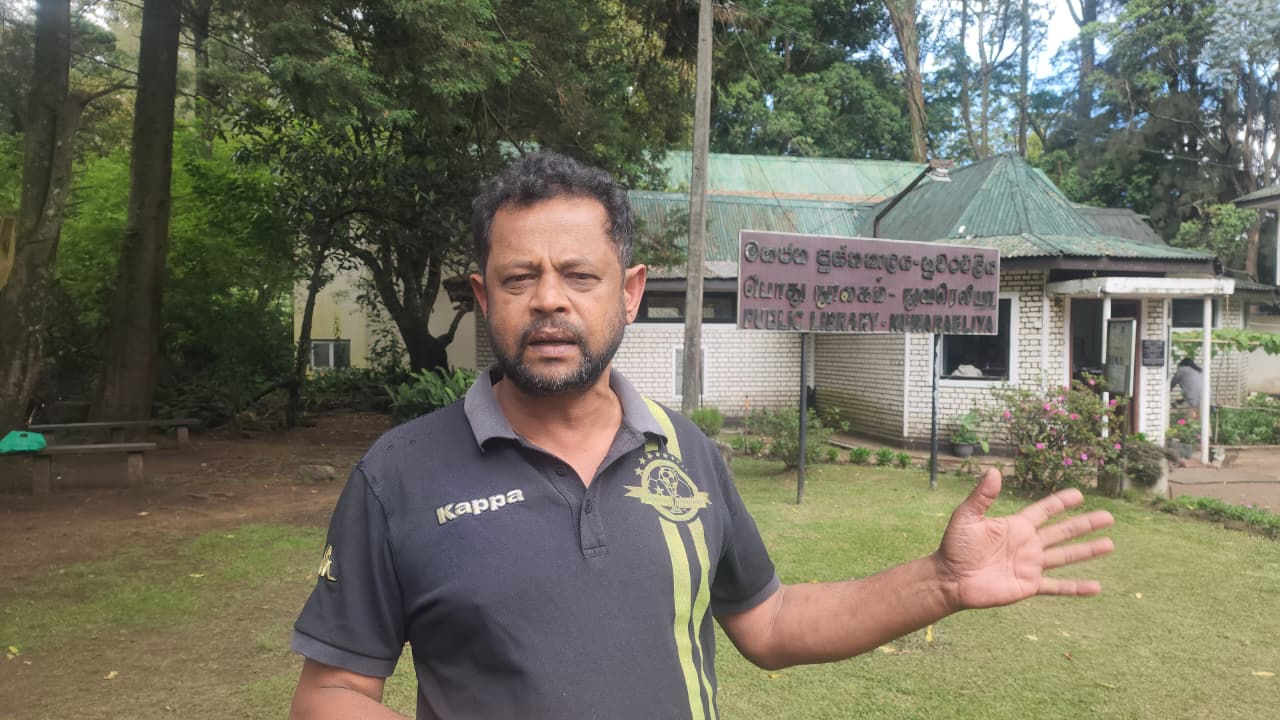
Representing the Nuwara Eliya Library Readers’ Association, General Secretary P.S.K. Ratnayake, along with community representatives Nalaka Dinesh, M.G. Nimal, and Gayan Chathuranga Wijaya Bandara, stated that the decision to temporarily relocate the award-winning Nuwara Eliya Children’s Library to the post office is a “completely foolish decision.” They noted that the library has received numerous awards in provincial and national library competitions and has been recognized as the best children’s library in the Central Province.
They made these remarks this morning (29) while expressing their opposition to the relocation plan, emphasizing the need to preserve the children’s library for future generations.
They further stated that there are several unused buildings within Nuwara Eliya city, such as the old Municipal Council building and a commercial building near the library that is tendered annually, which could have been considered for such purposes.
They also criticized the decision, claiming it was influenced by political preferences. They pointed out that the Chairman of the Nuwara Eliya District Development Committee, who also represents the Deputy Minister of Education, is a former government school teacher and currently serves as the Chairman of a politically active teachers’ trade union.
“It is regrettable that the authorities responsible for education have taken such an ill-considered decision without thinking about children’s education,” they said.
They further added that the Nuwara Eliya Municipal Council is an institution that generates significant revenue, yet it is “shameful” to consider prioritizing financial gain over children’s education. They also claimed that the educational standards and decision-making capacity of certain political actors within the Municipal Council are questionable.
The group questioned why state officials, including the Municipal Commissioner working under the ruling administration, agreed to implement the decision.
They further warned that if such decisions continue, it would set a precedent where even private businesses could request public buildings for minimal payments, undermining public education facilities.
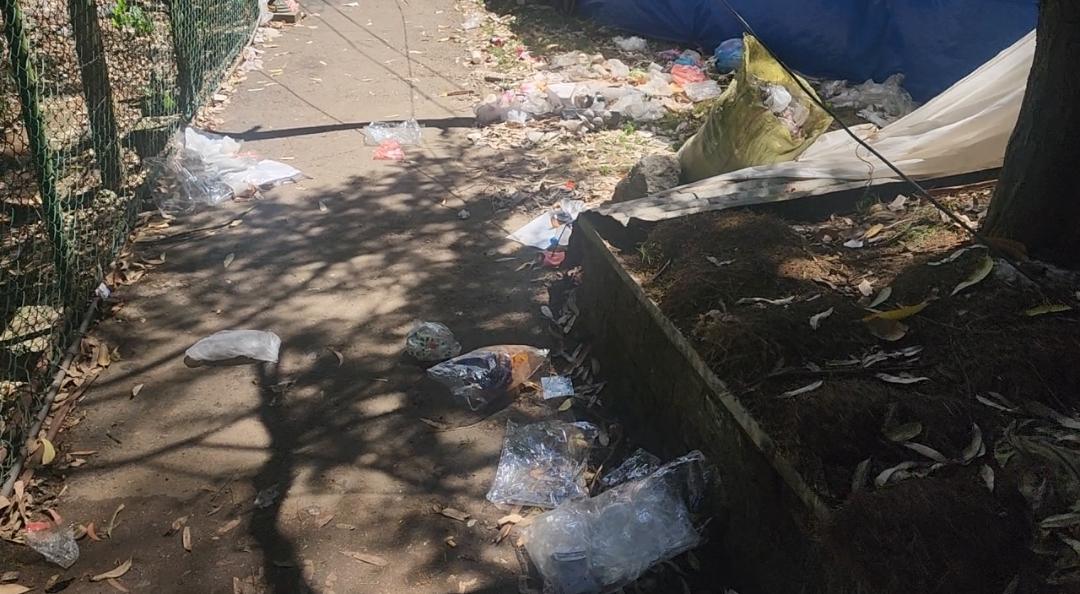
They also alleged that all books and materials from the children’s library have already been moved and stored in a section of the public library in a manner resembling a warehouse. They expressed concern about the safety of children, claiming that authorities are proceeding despite warnings reportedly issued by the Building Research Institute.
“We can collect ten rupees from these children and offer more than what is being demanded,” they remarked, criticizing the financial justification behind the decision.
They concluded by stating that if the decision is not reversed, they will take to the streets in protest.