
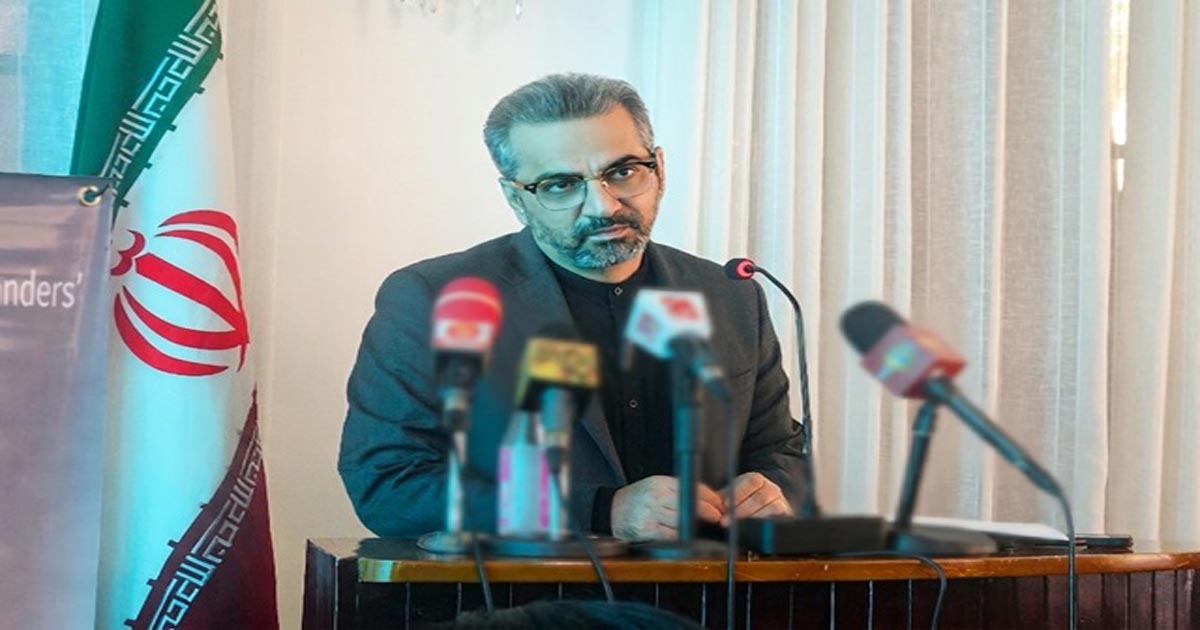
Sri Lanka’s carefully projected stance of neutrality is facing scrutiny after the Iranian ambassador revealed that Colombo had invited Iranian naval vessels, including the warship IRIS Dena, to visit its ports.
The disclosure appears to clash with earlier signals from President Anura Kumara Dissanayake and his administration, which emphasised that Sri Lanka would avoid being drawn into escalating geopolitical tensions and maintain a strictly non-aligned position.
At the time, Colombo sought to reassure international partners that it would proceed cautiously, particularly in sensitive engagements with Iran. The reported invitation now risks undermining that carefully balanced message.
Analysts say the mixed signals highlight a deeper inconsistency in Sri Lanka’s foreign policy — publicly stressing neutrality while taking steps that could be interpreted as strategic alignment.
“The government cannot maintain a posture of neutrality while extending military-level invitations to a country at the centre of global tensions,” one regional observer said, pointing to the potential diplomatic consequences.
The issue carries added weight as Sri Lanka continues its economic recovery, heavily dependent on international goodwill and cooperation. Any perception of policy contradiction could complicate relations with key partners at a delicate moment.
There has been no immediate clarification from Colombo on the apparent discrepancy, leaving open questions about whether this reflects a shift in policy or a breakdown in communication.
For now, the gap between rhetoric and action has placed Sri Lanka’s foreign policy under an uncomfortable spotlight.