
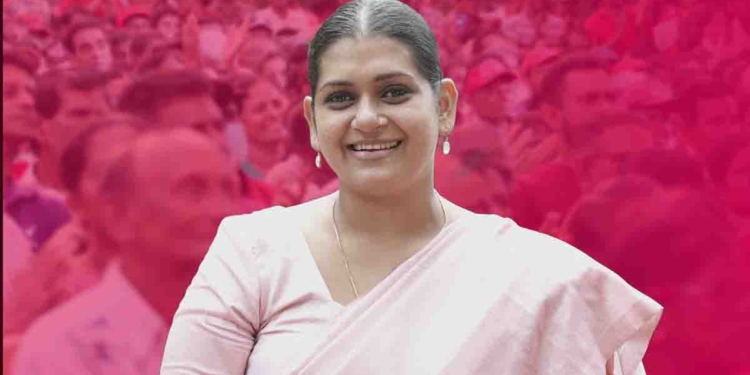
The second reading of the Colombo Municipal Council budget is scheduled to take place on the 31st. In this context, it is my responsibility to bring to public attention several lesser-known facts regarding the budget and its transparency.
A municipal council budget is not merely a financial document or a collection of figures. It reflects the progress achieved so far and outlines the development plans for the year ahead.
For the past 23 to 24 years, the Colombo Municipal Council functioned without an elected council. During that period, budgets were prepared under the authority of the Municipal Commissioner. In contrast, formulating a budget through an elected council is a far more complex and extensive process.
Despite this complexity, all council members shared a common objective—to present a people-oriented budget. It is important that the citizens of Colombo understand the methodology followed in preparing this year’s budget.
The budget formulation process commenced a few weeks after the council was elected. In July, as Mayor, I officially requested all 16 municipal institutions to submit their proposals. These submissions were accepted until August. In addition, all Honorable Members of Parliament, representing both the government and the opposition, were also invited to submit proposals. All submissions were reviewed purely from a citizen-centric perspective, without consideration of political affiliation.
A notable feature of this year’s process was the inclusion of municipal employees. For the first time, employees were given the opportunity to submit their proposals in writing. This step marks a significant milestone in fostering a new and inclusive political culture.
The most challenging stage of the process involved discussions and agreements on the financial feasibility of the proposed initiatives. These deliberations continued until November, after which the proposals underwent further review to identify shortcomings and ensure accuracy.
Subsequently, the draft budget was printed and reviewed once again through 23 standing committees. Members from both the governing party and the opposition participated democratically in these discussions.
In accordance with legal requirements, the public was given seven days to review the draft budget. Notices were published in three leading newspapers in all three languages. Copies of the draft were made available at the public library and with the Municipal Treasurer, in line with constitutional provisions.
Following public review, the budget proposal was presented to two finance committees comprising members from both the government and opposition. During this stage, proposed figures were reassessed and any errors were corrected.
The revised budget was then presented to the General Assembly on 2025.12.22, allowing the Assembly to consider and adopt it.
The commitment to building a “rich city, beautiful life” remains firm and unwavering.