
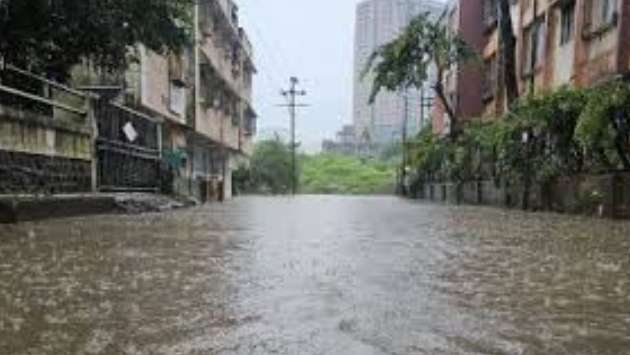
The Department of National Archives has issued an urgent appeal for freezer facilities to store documents damaged in recent floods, in a bid to prevent mould from destroying them.
“Hundreds of cubic metres of irreplaceable public records are now water-damaged,” said National Archives Director General Nadeera Rupesinghe. “We have no time before mould renders them permanently destroyed.”
Dr Rupesinghe explained that freezing water-damaged documents halts mould growth and stabilises materials until proper conservation treatment can be carried out. “It buys time. Without freezing capacity, we risk losing vital records, land registries, court documents, historical archives, and the evidence millions of citizens need to rebuild their lives,” she said.
The department has called for urgent access to both existing freezer facilities and mobile freezers across the country. “Public records, whether bound volumes or bundled files, must be frozen in large quantities. We understand this is an extraordinary request during an already difficult time, but we are asking for temporary space in existing freezer facilities for a period of weeks to months,” Dr Rupesinghe added.
The National Archives is seeking these freezer facilities at no cost. In return, the department offers full documentation of contributions for Corporate Social Responsibility reporting and national recognition as a partner in preserving Sri Lanka’s evidentiary landscape.
“These are not abstract historical records,” Dr Rupesinghe stressed. “These are the records our citizens need to prove who they are, what they own, and what they are owed.” The documents include court records and legal evidence spanning decades; personnel files affecting pensions and benefits; financial records necessary for audits and accountability; public records essential for administrative continuity; and historical documents that narrate the national story.
“The business community has always been a partner in Sri Lanka’s development,” she said. “Today, we ask you to be partners in preserving the documentary foundation on which business, law, and civil society depend. Every land transaction, every contract, every court case relies on records. Help us save them.”