

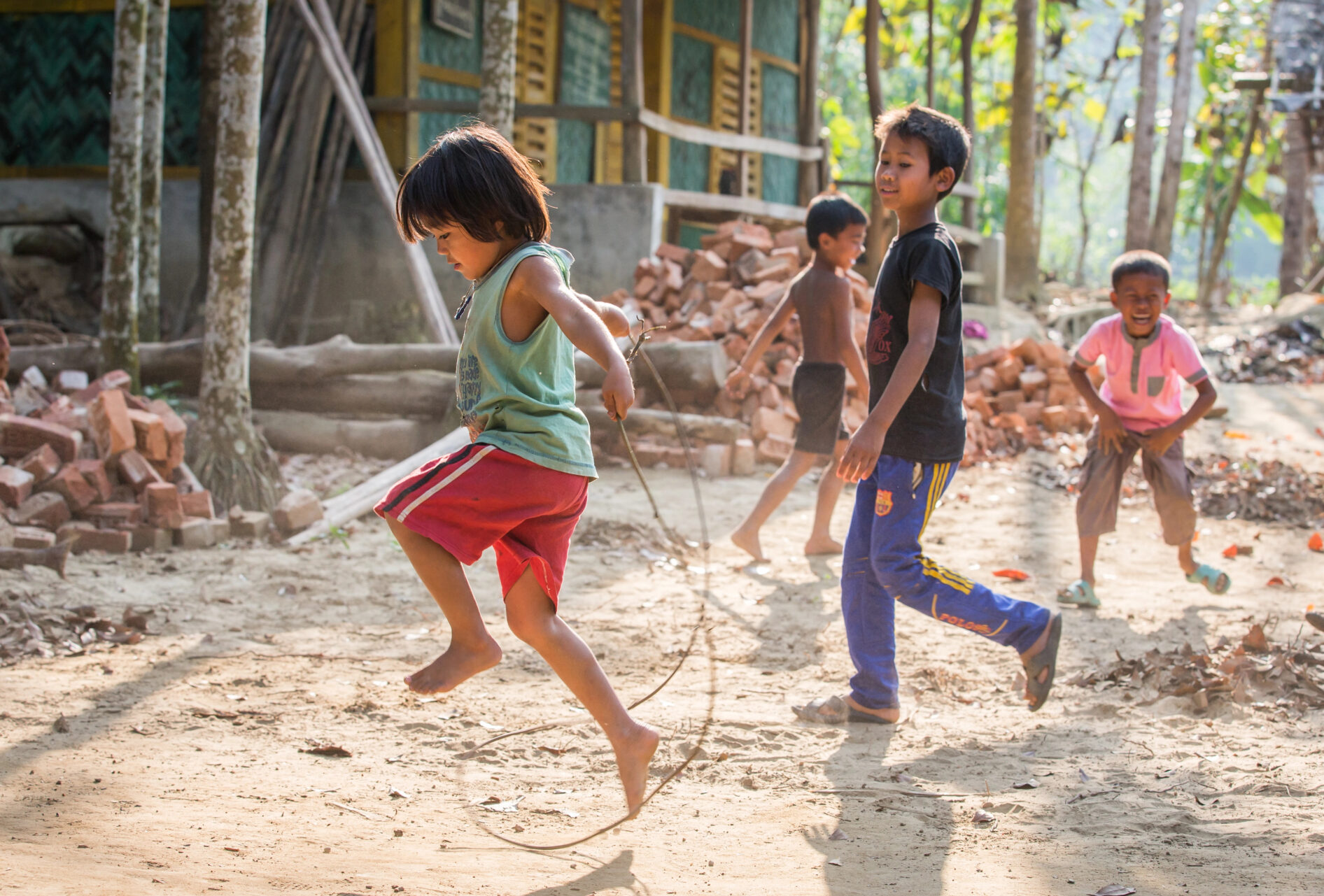
On November 3, Bangladesh’s interim government announced the cancellation of plans to recruit music and physical education teachers for the country’s primary schools. The decision came just weeks after several religion-based organizations opposed the recruitment, leading many to speculate that the government bowed to Islamist pressure.
The move has sparked intense debate across Bangladesh. Students, teachers, and cultural activists have protested, calling it a betrayal of the nation’s secular and creative spirit, while religious groups have welcomed the decision.
Earlier this year, in August, the Ministry of Primary and Mass Education introduced the new teaching positions under the Government Primary School Teacher Recruitment Rules 2025. The initiative was widely praised as a progressive step, expected to promote children’s holistic development. In a country where academic achievement often overshadows creativity and sports, these positions represented a long-overdue shift toward a more balanced education system. However, this reform was short-lived.
Officials argued that hiring one music teacher and one physical education teacher for every group of 10 to 20 schools would be impractical. Bangladesh has over 65,000 government primary schools, with nearly 10 million students and around 380,000 teachers. Under this plan, a single music or physical education teacher would have to serve more than 20 schools, creating uneven distribution, excessive workloads, and administrative challenges.
While this explanation may seem reasonable on technical grounds, the broader context suggests otherwise. The decision followed public objections from several religious groups, who labeled music education as un-Islamic and unnecessary for children’s moral upbringing. They urged the government to prioritize religious studies instead. The timing of the withdrawal has raised suspicions that the interim government yielded to religious pressure.
This perception gains weight given the government’s stated objectives. Formed after the fall of the Sheikh Hasina government in August 2024, the Muhammad Yunus-led interim government had pledged to restore accountability, neutrality, and reform-oriented governance. Yet, the cancellation of these teaching positions appears at odds with those promises, reviving a long-standing debate in Bangladesh over balancing secular identity with rising conservative religious influence.
Bangladesh’s education system has historically reflected this struggle. Successive governments have attempted to accommodate both secular and religious streams—including general, madrasa, and technical education—often adjusting curricula and textbooks under political or religious pressure. The current controversy mirrors this pattern: policy decisions appear driven more by social or religious pressures than long-term educational vision.
Cultural advocates in Bangladesh have voiced strong opposition. Students, teachers, artists, and intellectuals have staged protests, demanding the reinstatement of the positions. Many have taken to social media platforms like Facebook and X, defending the role of arts and sports as essential to education and highlighting the nation’s rich cultural heritage—from Lalon’s philosophy to Hason Raja’s songs.
At the same time, some critics argue that hiring music and physical education teachers is unnecessary, with a few even suggesting that children should receive basic military training instead.
Beyond immediate protests, the episode raises concerns about the interim government’s broader decision-making approach. Since taking office, the Yunus administration has revised several reform programs, often citing technical or logistical constraints. For example, when the Women’s Affairs Reform Commission recommended equal inheritance rights for women, a ban on polygamy, and recognition of sex workers as laborers, religious groups called for the commission’s abolition. While the government did not dissolve the body, very few recommendations have been implemented, signaling a tendency to prioritize short-term stability over consistent policy execution.
The cancellation of music and physical education posts carries significant implications for education. Removing these positions affects not only future teachers but also the role of creative learning in the national curriculum. Global studies consistently show that arts and physical education foster cognitive development, teamwork, and empathy.
The controversy also highlights the interim government’s challenging environment. Operating in a politically charged context, where every decision is scrutinized by political parties and religious forces, policy implementation is often constrained. Cultural expression—from state media broadcasts to textbook content—remains a battleground in defining national identity. The latest dispute over teacher recruitment underscores that even reformist governments face unresolved tensions between secular and religious priorities.
Experts warn that the growing influence of hardline religious voices in shaping public policy on cultural matters is alarming. If decisions regarding children’s education can be so easily swayed by religious pressure, it sets a concerning precedent. It could empower radical groups to influence what children learn and how they perceive the world around them.