
In a significant and decisive step to dismantle entrenched corruption and recover misappropriated public funds, the Sri Lankan government has initiated a comprehensive operation under the newly enacted Proceeds of Crime Act No. 05 of 2025.
This landmark legislation represents a major advance in the nation’s long-standing fight against illicit enrichment, granting authorities the power to investigate, freeze, and seize unlawfully acquired assets both domestically and abroad.
The newly established Proceeds of Crime Investigation Division (PCID) of the Sri Lanka Police officially commenced operations on October 20, headquartered at the old Police Headquarters building in Colombo. The division has been entrusted with investigating both criminal and non-criminal methods of illegal wealth accumulation.
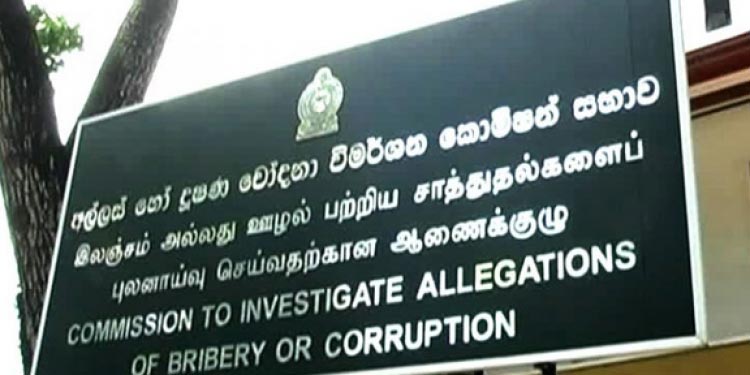
The PCID will operate in collaboration with 34 key government institutions, including the Commission to Investigate Allegations of Bribery or Corruption (CIABOC), the Financial Intelligence Unit (FIU), and other financial and law enforcement agencies.
A senior government official explained that individuals or institutions—whether public or private—found to have obtained money, property, or other assets through illegal means will face both criminal prosecution and civil forfeiture, including the seizure of assets.
Notably, the Act allows authorities to confiscate assets even in cases where criminal convictions cannot be secured.
One of the most striking provisions of the new law is the shift in the burden of proof—suspects must now demonstrate that their wealth was acquired lawfully. Failure to do so could result in court-ordered confiscation, even if the suspect has been released on bail.
The legislation also applies retrospectively, empowering investigators to examine suspicious wealth accumulated over the past 30 years, and in cases involving embezzlement of public property, up to 50 years.
This initiative forms part of a broader national campaign to restore integrity and accountability in governance. Earlier this year, the government introduced the National Anti-Corruption Action Plan (NACAP) 2025–2029, spearheaded by CIABOC and supported by the United Nations Development Programme (UNDP).
The strategy is grounded in public sentiment. According to a 2024 national survey, 49% of respondents admitted to paying bribes, while 84% believed that corruption undermines tax compliance.
In further support of Sri Lanka’s reform efforts, Japan has pledged a US$ 2.5 million grant to strengthen the country’s anti-corruption mechanisms and institutional capacity, the official confirmed.
The early impact of the new law is already visible. Sources report that at least four active investigations are underway into luxury residences and hotel properties allegedly linked to public officials.
Meanwhile, CIABOC’s nationwide sticker campaign encouraging citizens to report corruption has resulted in a 26% increase in public complaints compared to the previous year—reflecting a surge in civic participation and awareness.