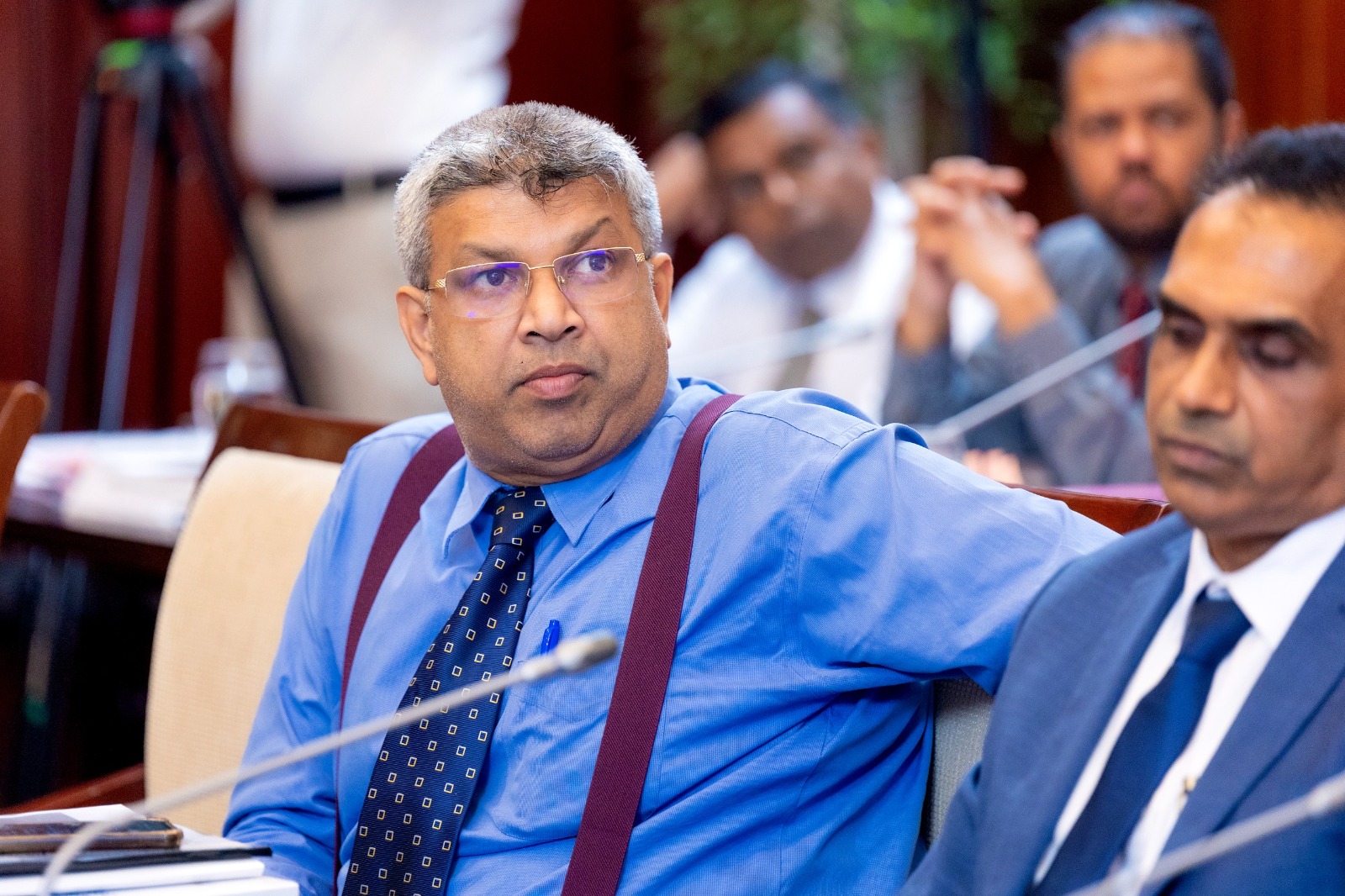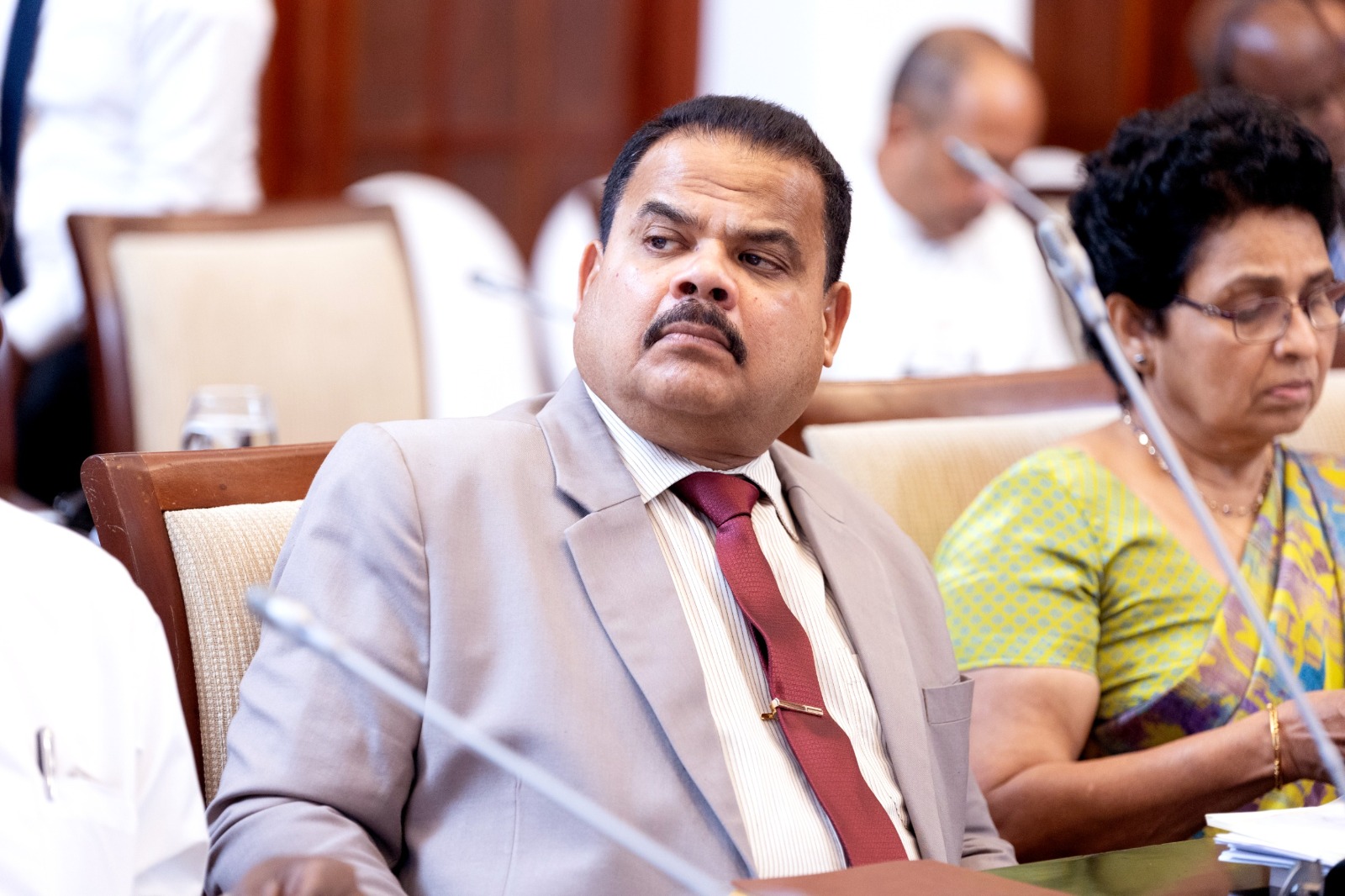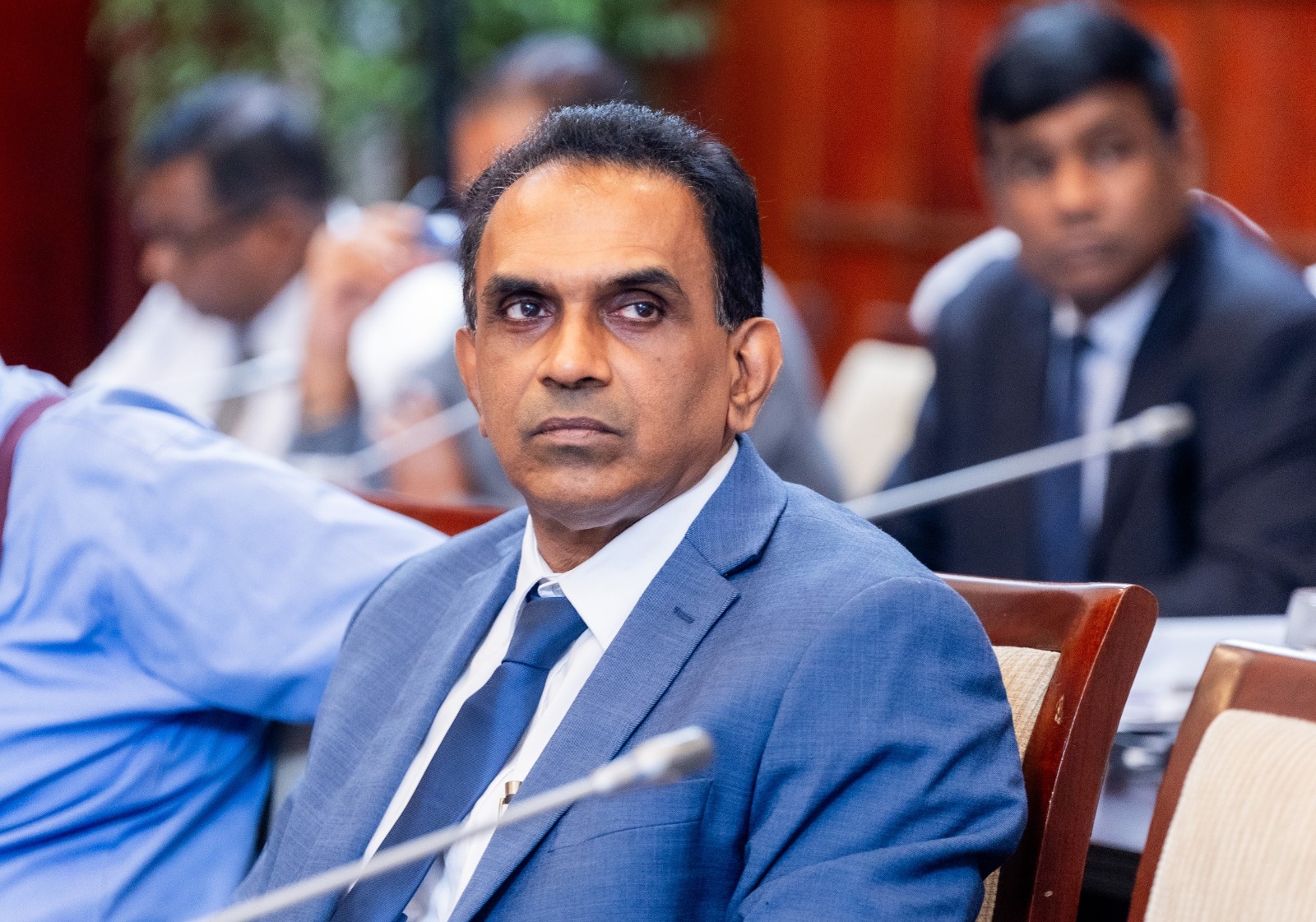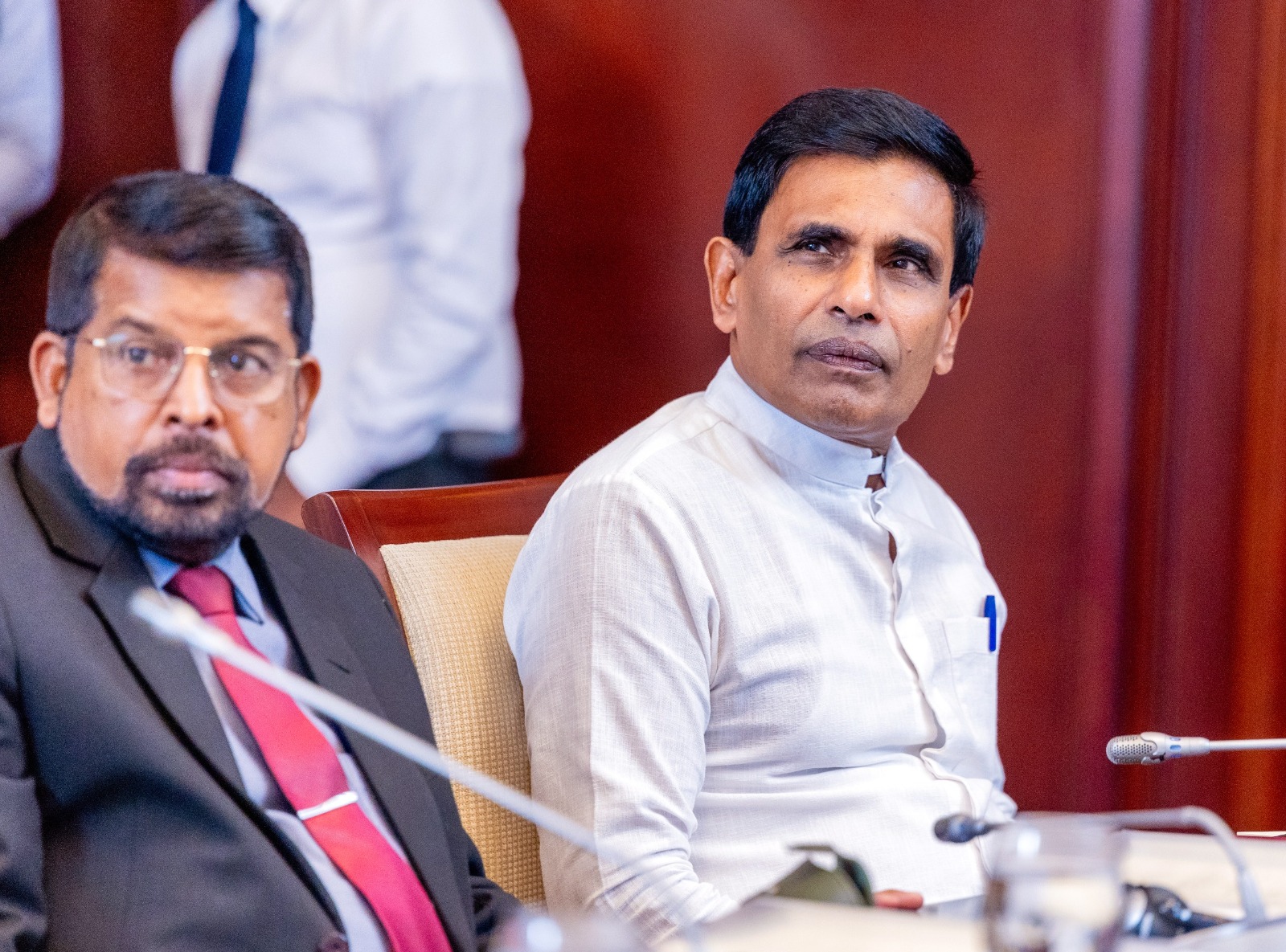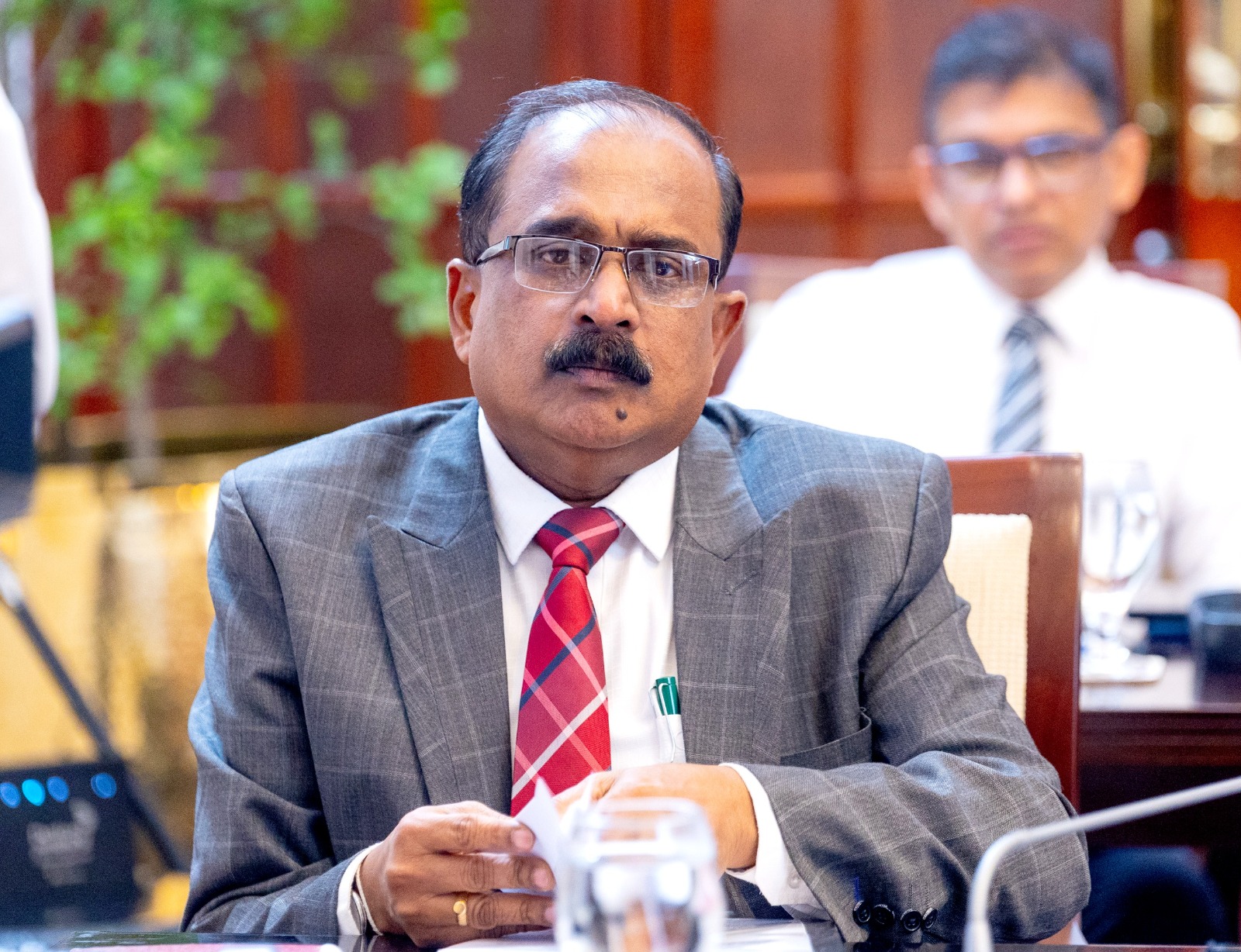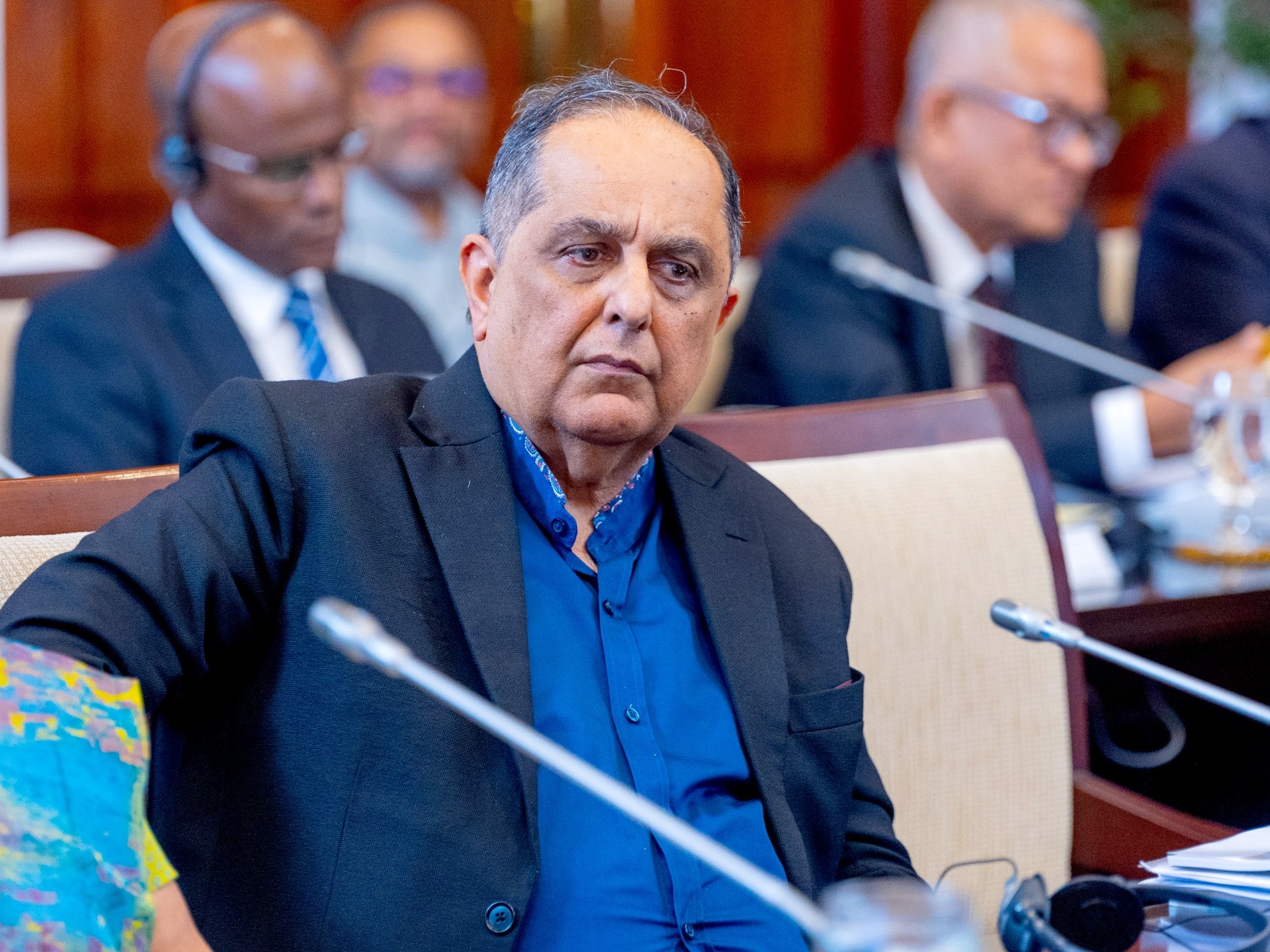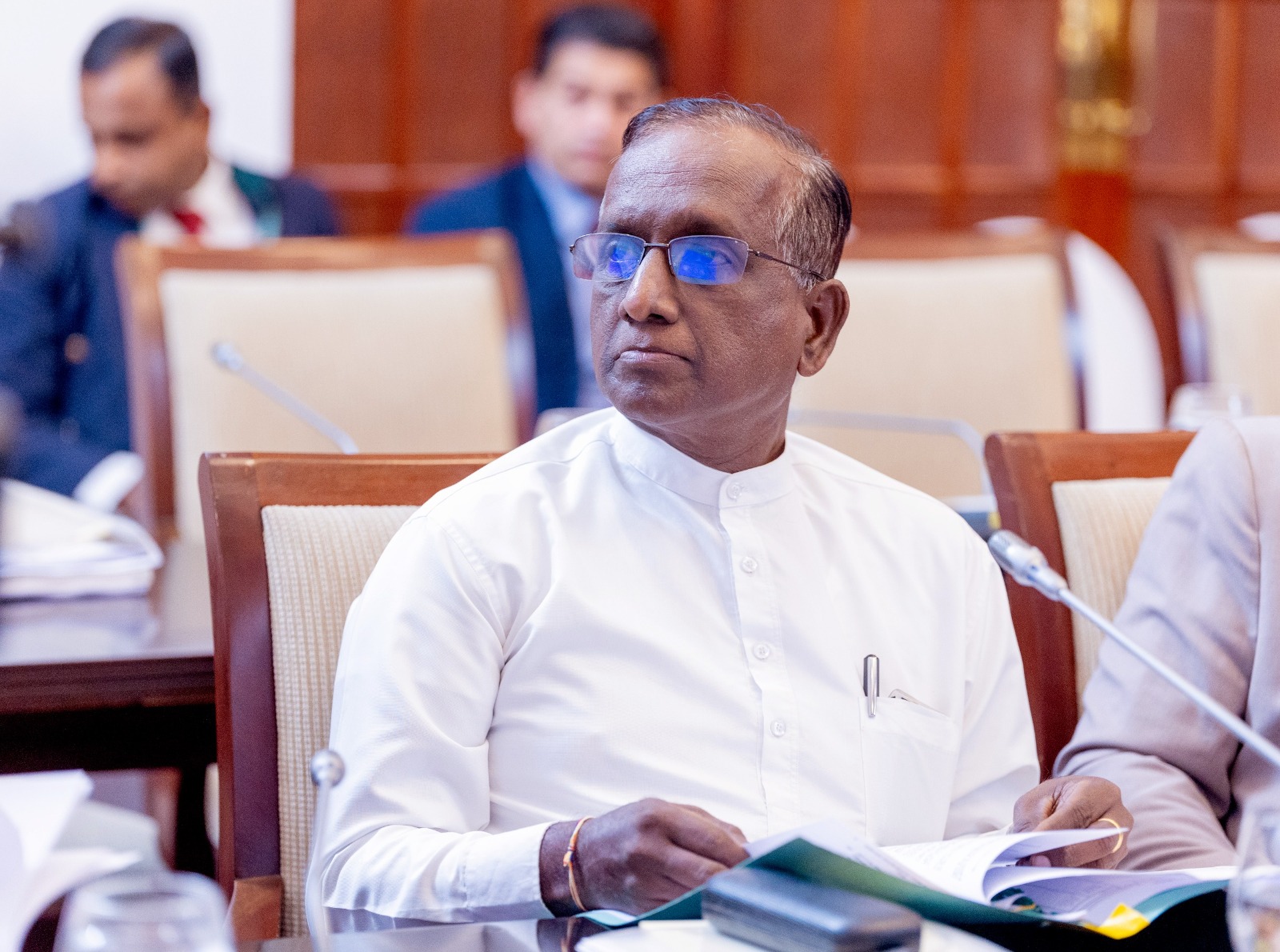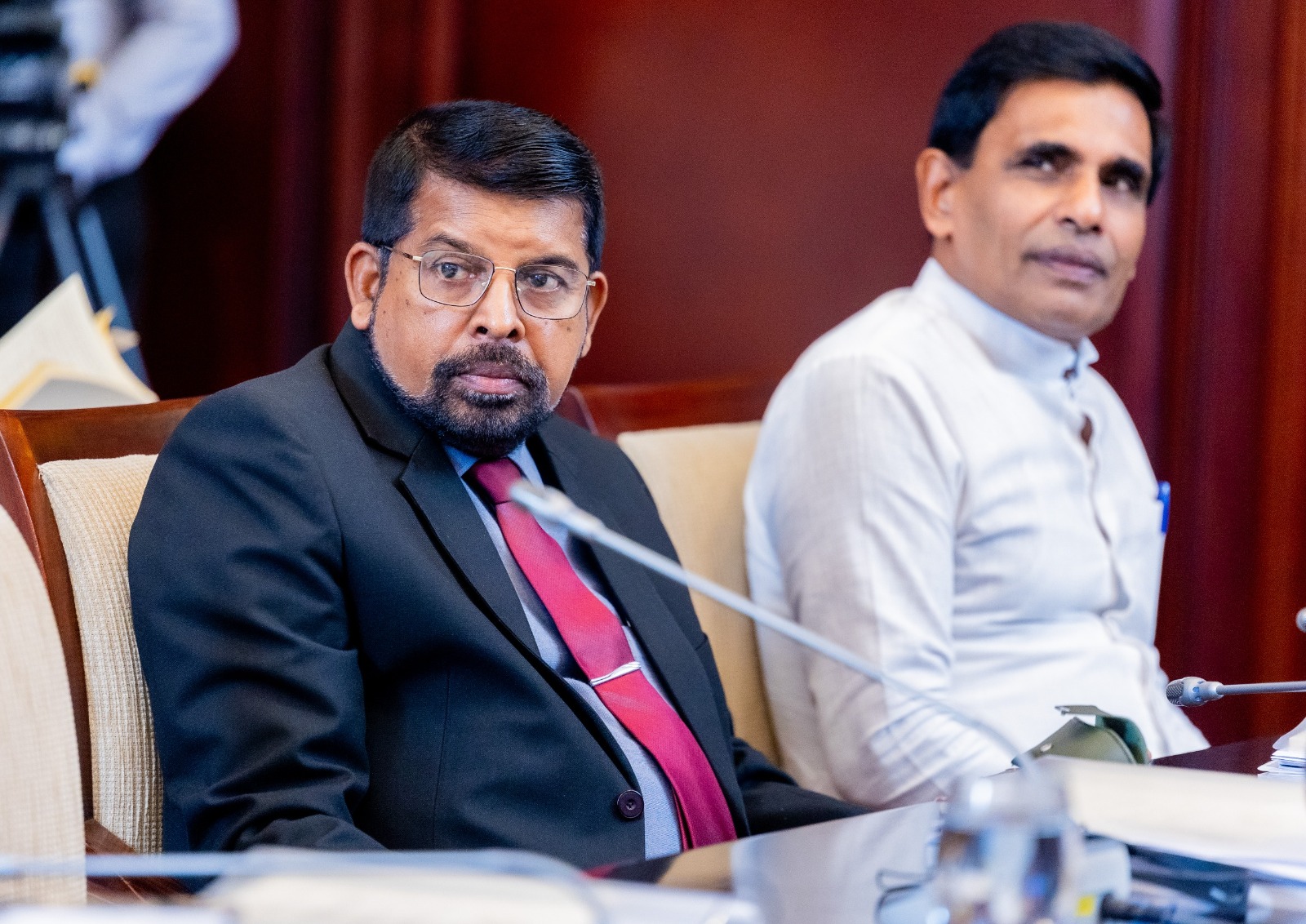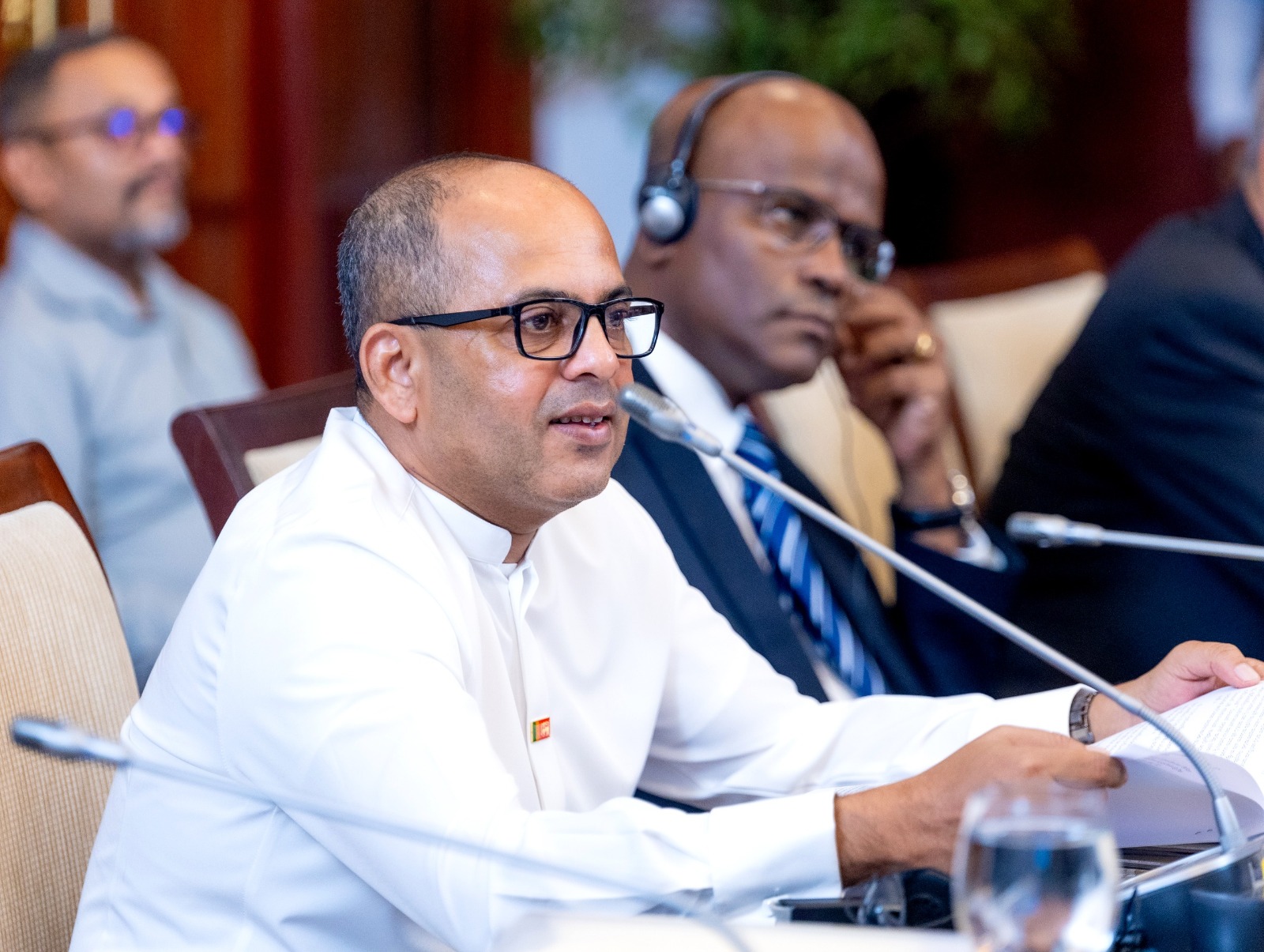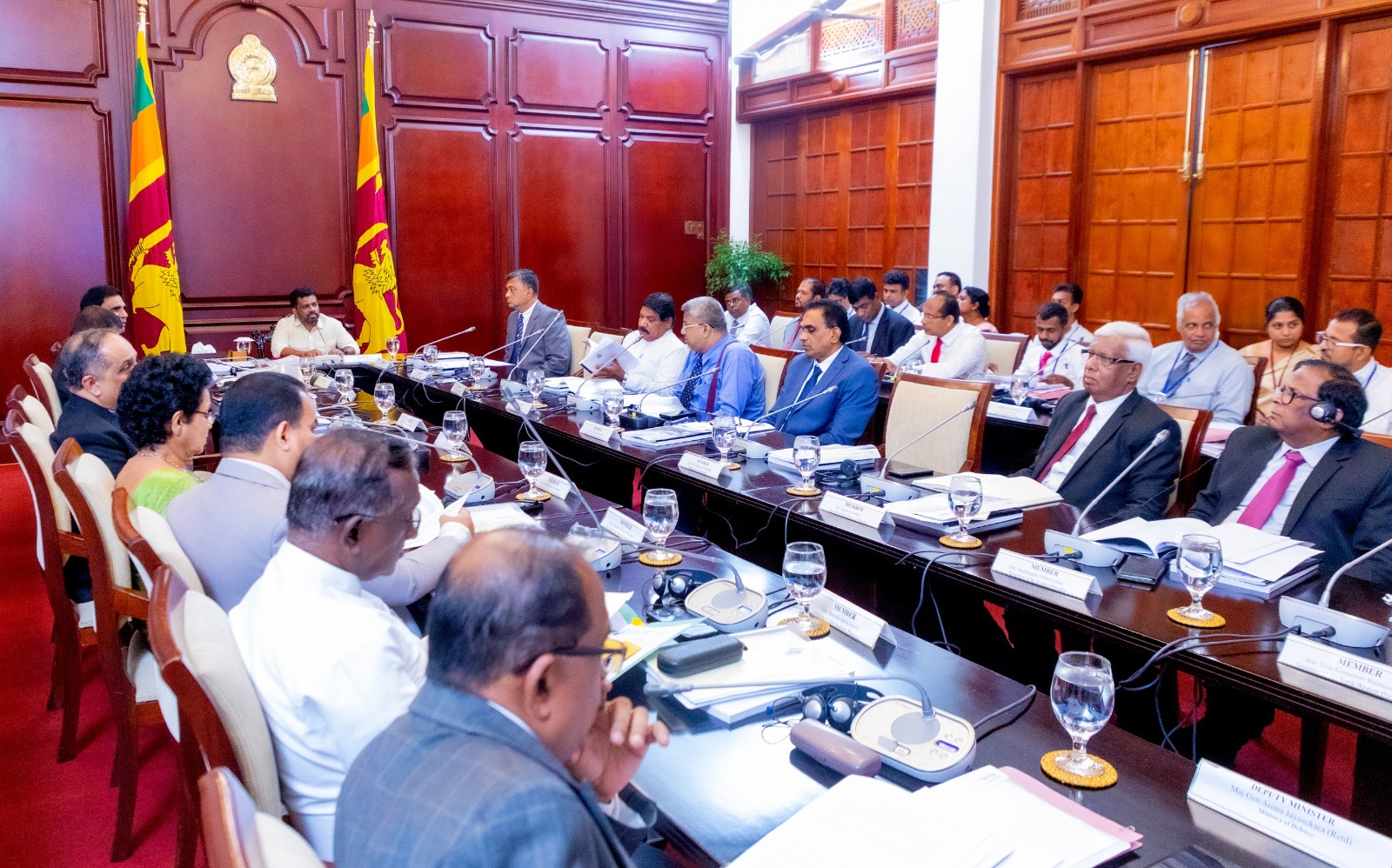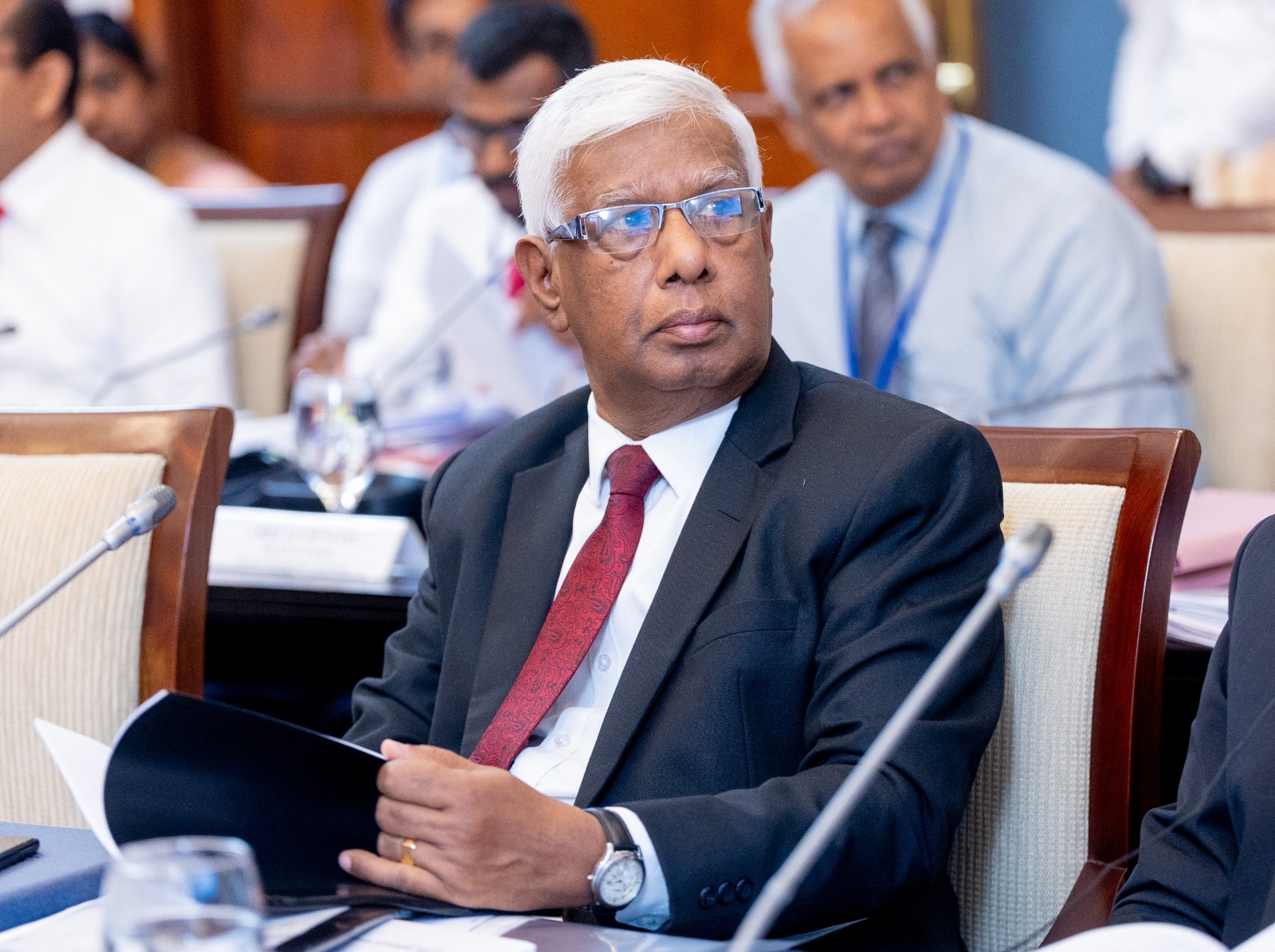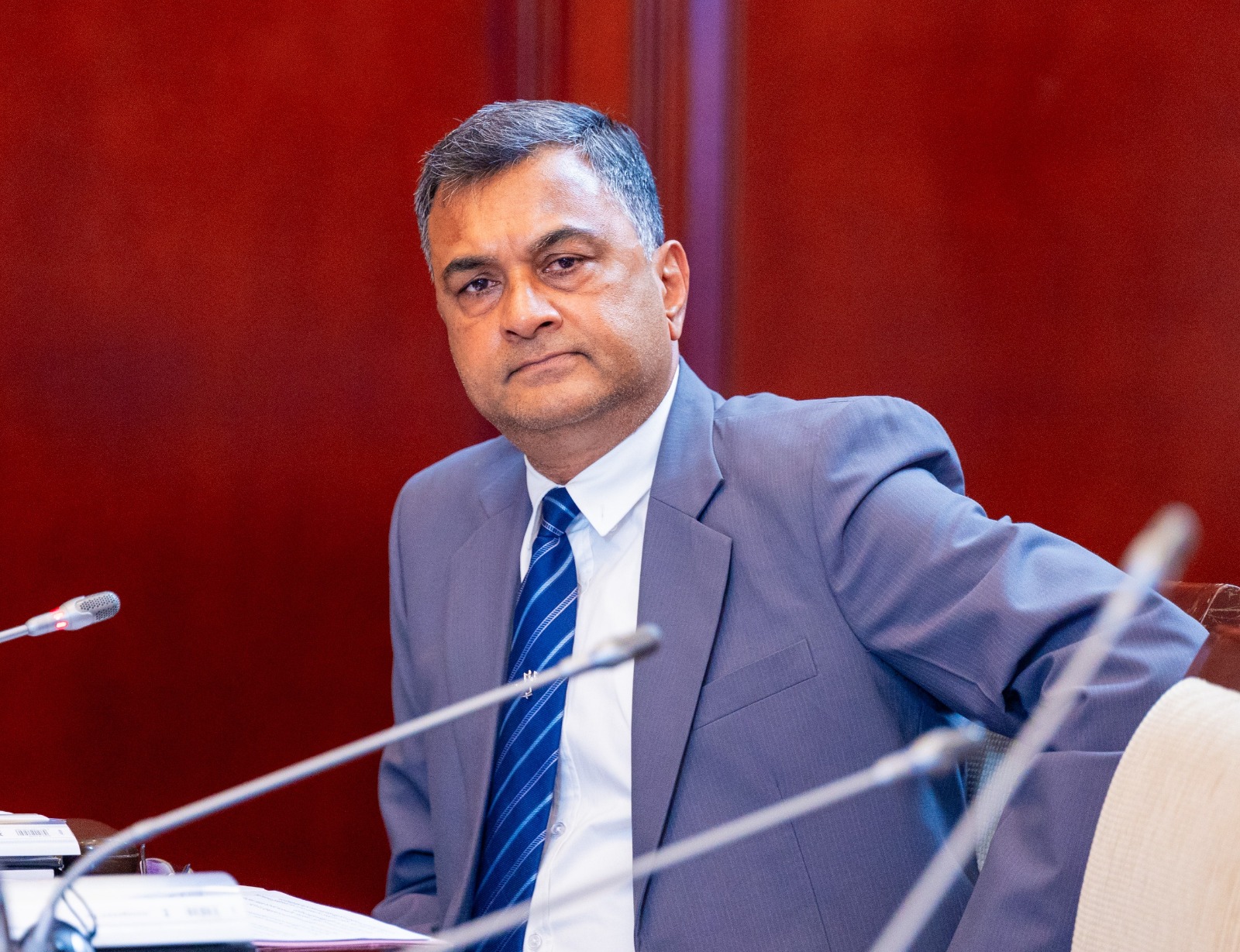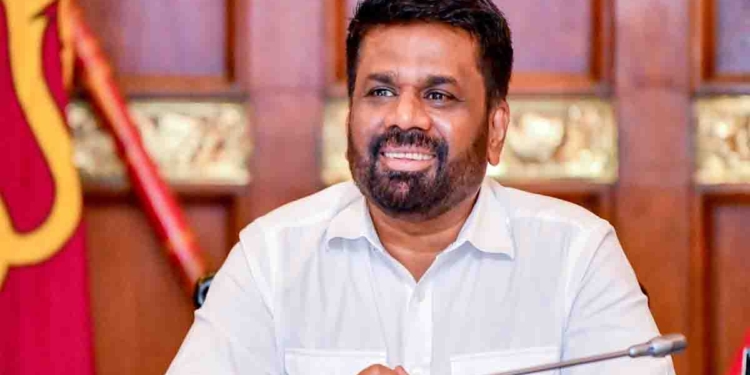
The 14th session of the National Council for Disaster Management was held this afternoon (06) at the Presidential Secretariat, chaired by President Anura Kumara Dissanayake.
This marks the first time the council has convened in seven years, with its last meeting held on April 5, 2018.
Established under the Disaster Management Act No. 13 of 2005 following the devastating 2004 tsunami, the council serves as the apex body for overseeing and guiding disaster management efforts in the country. Its mandate includes supervising all relevant institutions, minimizing disaster risks, formulating policies, and ensuring coordinated responses across various sectors.
At today’s meeting, the Disaster Management Center presented the updated Disaster Management Plans and the National Emergency Operation Plan, both of which received formal approval from the Council.
Discussions focused on emerging trends and future strategies to mitigate disasters, including the urgent need for a centralized operational framework to coordinate all disaster-related activities. The Committee also emphasized the necessity of amending the existing Disaster Management Act to reflect current realities and better address the evolving challenges posed by climate change.
President Dissanayake instructed officials to revise the financial thresholds governing disaster management and relief programs and to allocate the necessary funds to resume stalled projects. He also proposed establishing a dedicated Disaster Management Fund, which was unanimously approved by the Council.
Further, the President directed authorities to accelerate the identification and evacuation of residents living in vulnerable housing. He also proposed increasing the government compensation provided for damaged or destroyed homes.
During the session, special attention was drawn to displaced individuals still living in temporary shelters. It was revealed that 58 families from Badulla and Poonagala remain in displacement camps. Uva Province Governor and Attorney-at-Law J.M. Kapila Jayasekara assured that efforts are underway to resettle these families before the end of August.
The National Council for Disaster Management is chaired by the President and includes the Prime Minister as Vice Chairman, the Leader of the Opposition, relevant subject ministers, provincial chief ministers or governors, and five Members of Parliament or subject experts nominated by Parliament. Additional ministers may be temporarily included as needed.
Vice Air Marshal Sampath Thuiyakontha, Secretary to the Ministry of Defence, has been appointed as Secretary to the Council and will also serve as a member of the Disaster Management Committee moving forward.
The Council is tasked with 15 key responsibilities, including the formulation of a National Policy on Disaster Management. This comprehensive policy, already drafted and shared with members, encompasses various aspects such as saving lives, environmental protection, public awareness, training, relief distribution, and rehabilitation activities.
Notable attendees included Dr. Chandana Abeyratne, Minister of Public Administration, Provincial Councils, and Local Government; Ramalingam Chandrasekar, Minister of Fisheries, Aquatic and Marine Resources; Advocate Harshana Nanayakkara, Minister of Justice and National Integration; Dr. Krishantha Abeysena, Minister of Science and Technology; Ananda Wijepala, Minister of Public Security and Parliamentary Affairs; Deputy Minister of National Security Aruna Jayasekara; as well as opposition MPs, provincial governors, and other members of the National Council for Disaster Management.