

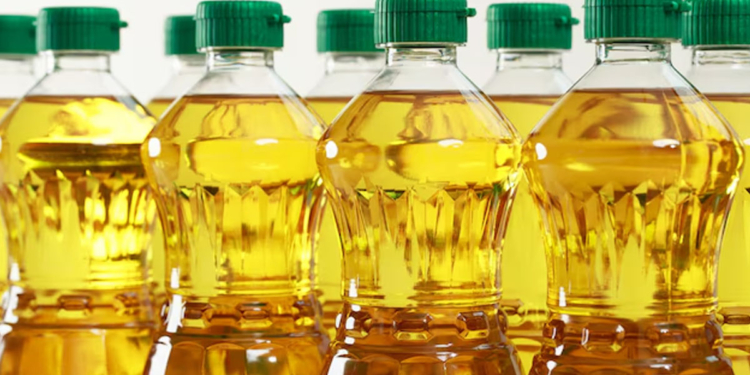
“It is a common saying in the village that cheating on the food given to the people will bring ill fortune. Yet, recent events show that this wisdom has been ignored.”
Over the past few years, Sri Lanka has witnessed numerous frauds surrounding basic food commodities. From sugar and rice to gas, garlic, and coconut oil, these scandals have consistently been reported in newspapers and on television. Complaints have been lodged with the Criminal Investigation Department (CID), but concrete action to apprehend the culprits remains elusive.
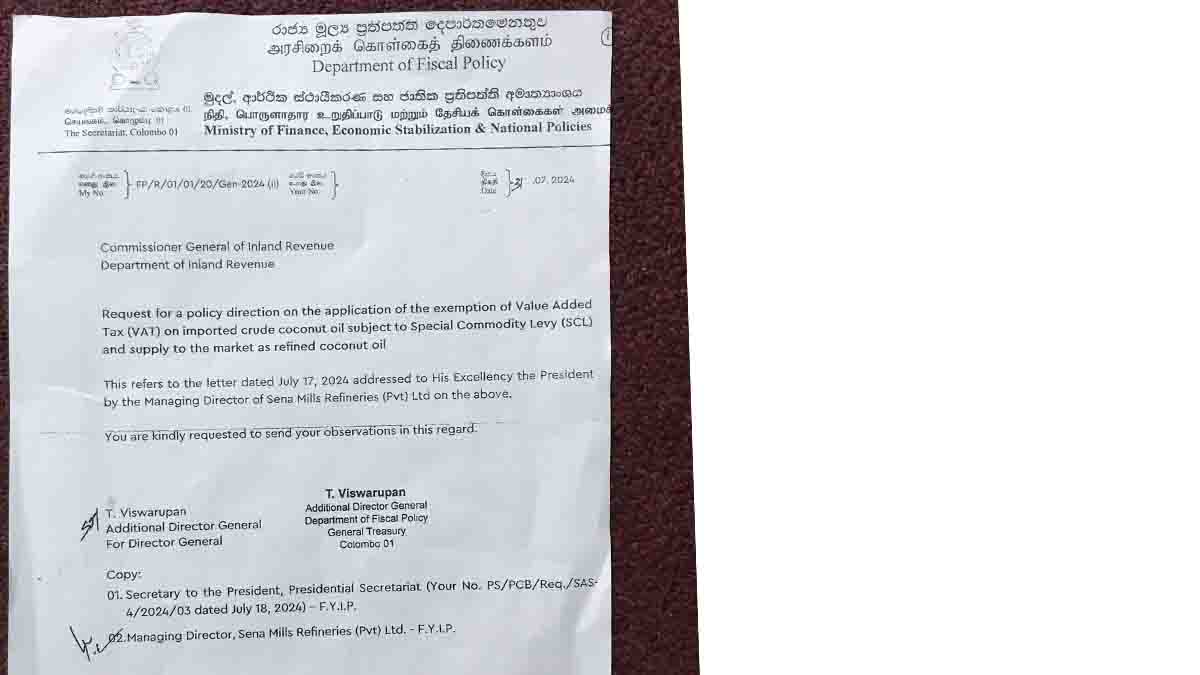
The latest food-related controversy emerged just days ago, revealing staggering financial losses. Between January and October last year alone, Sri Lanka incurred a loss of Rs. 5,000 crore—or nearly Rs. 5 billion—due to irregularities in the importation of unrefined coconut oil. Investigations suggest that these losses stem from non-payment of taxes on imported unrefined coconut oil, which was then refined and released into the market.
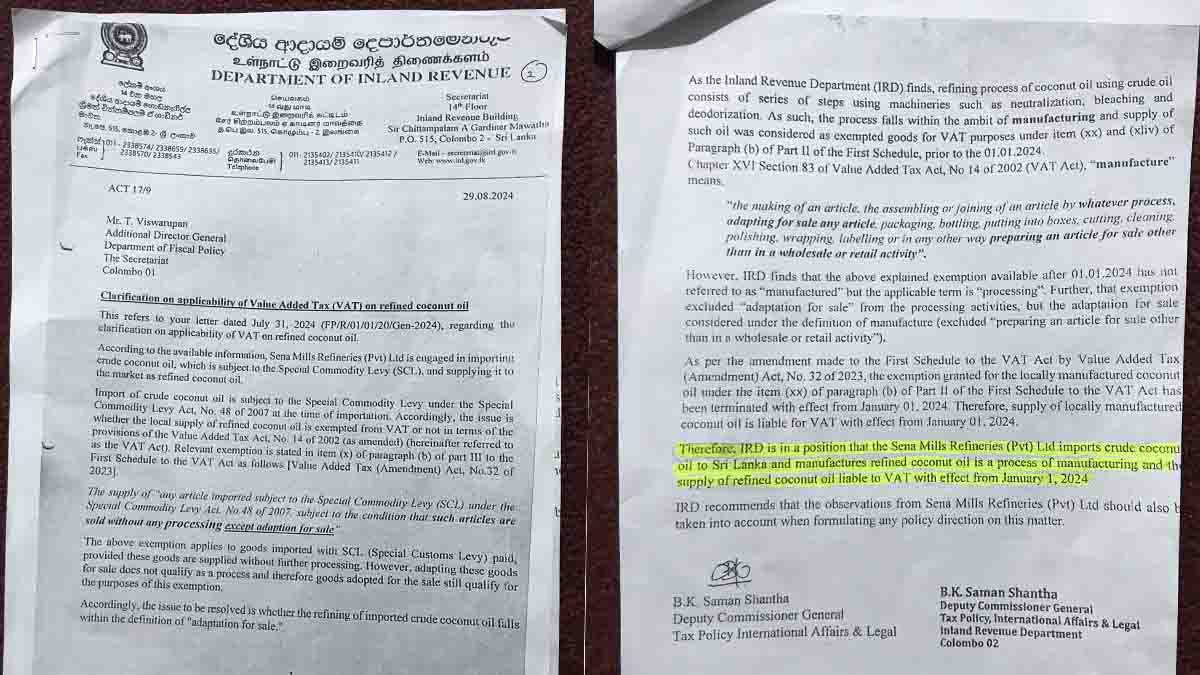
Under the VAT law introduced on January 1, 2024, a tax of 18% is applicable on refined coconut oil. Additionally, a social security tax of 2.5% is mandatory. However, reports indicate that these taxes were evaded during the relevant period.
Major Companies Implicated
From January to October 2024, three major companies operating under six different names reportedly imported 38,814,918 kilograms of unrefined coconut oil. The companies accused are:
- Amro Refinery Private Limited and Amro Sugar Limited, importing 12,937,723 kg and 1,142,925 kg respectively.
- R.G. Brothers Limited, importing 624,850 kg.
- Sena Mills Refineries EXP Private Limited and Sena Mills Refineries Private Limited, importing 18,875,290 kg and 4,234,130 kg respectively.
Smaller companies engaged in coconut oil imports during the same period assert that they adhered to legal tax obligations, paying VAT and other dues before releasing refined oil to the local market. These companies claim compliance with all regulations, distinguishing themselves from the alleged offenders.
Potential Health Hazards
A significant concern arises if the implicated companies released unrefined coconut oil directly to the market to avoid taxes. Experts warn that such practices could lead to serious public health risks. Authorities are being urged to investigate whether unrefined oil was distributed without proper refining and take strict legal action against those responsible.
In response to ongoing complaints, the Inland Revenue Department has reportedly conducted raids on the implicated institutions.
Political Implications
Last year, marked as an election year, saw two major elections take place. This timing raises additional questions about the influence of political and economic factors on such large-scale frauds.