
The current government, which secured a significant mandate with a record-breaking number of votes and parliamentary representation, has failed to honor its promises regarding the IMF agreement, said Samagi Jana Balawegaya (SJB) leader Sajith Premadasa. Instead, it has continued to implement the IMF policies initiated by President Ranil Wickremesinghe’s administration, a move Premadasa described as a serious betrayal and deception of the public.
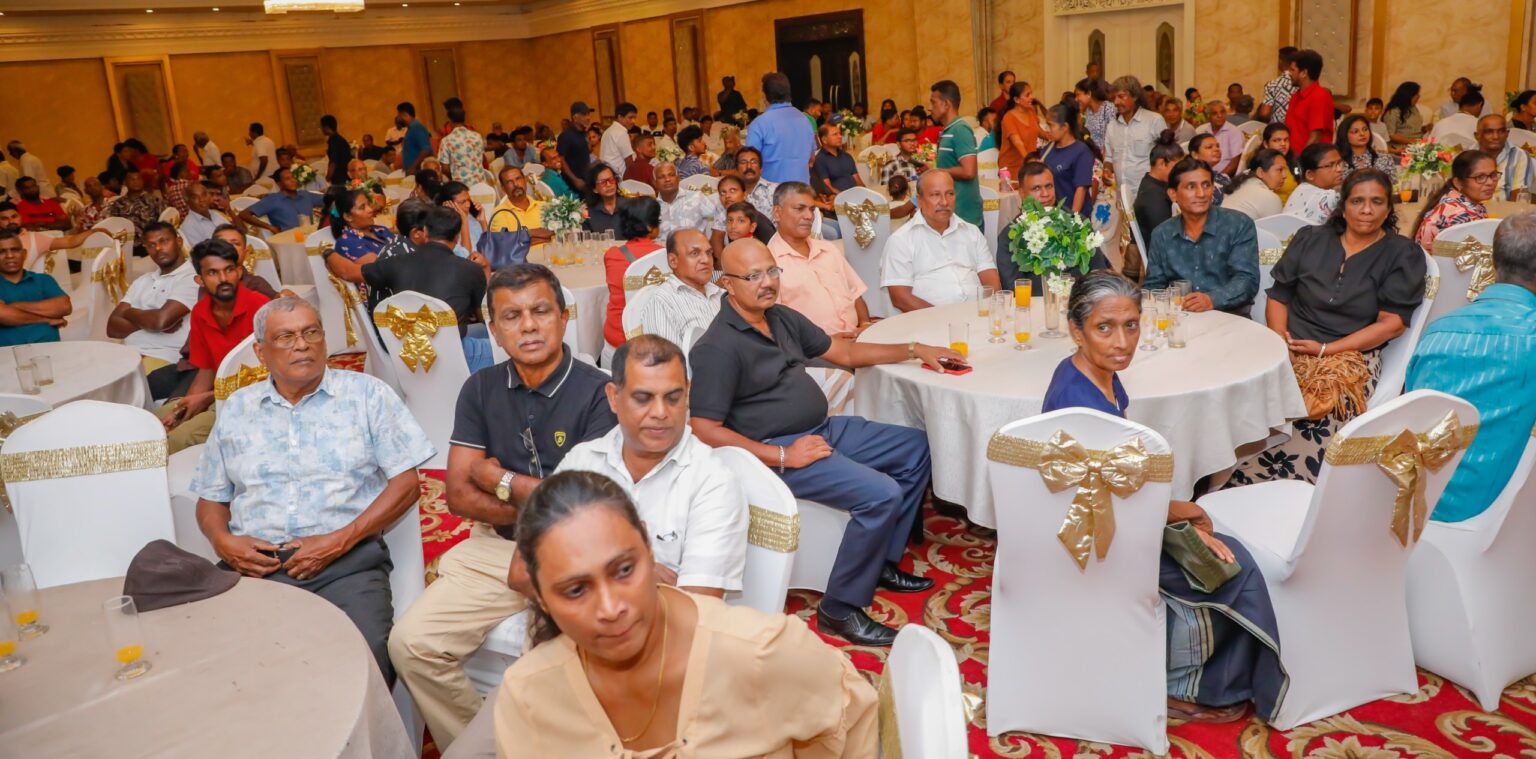
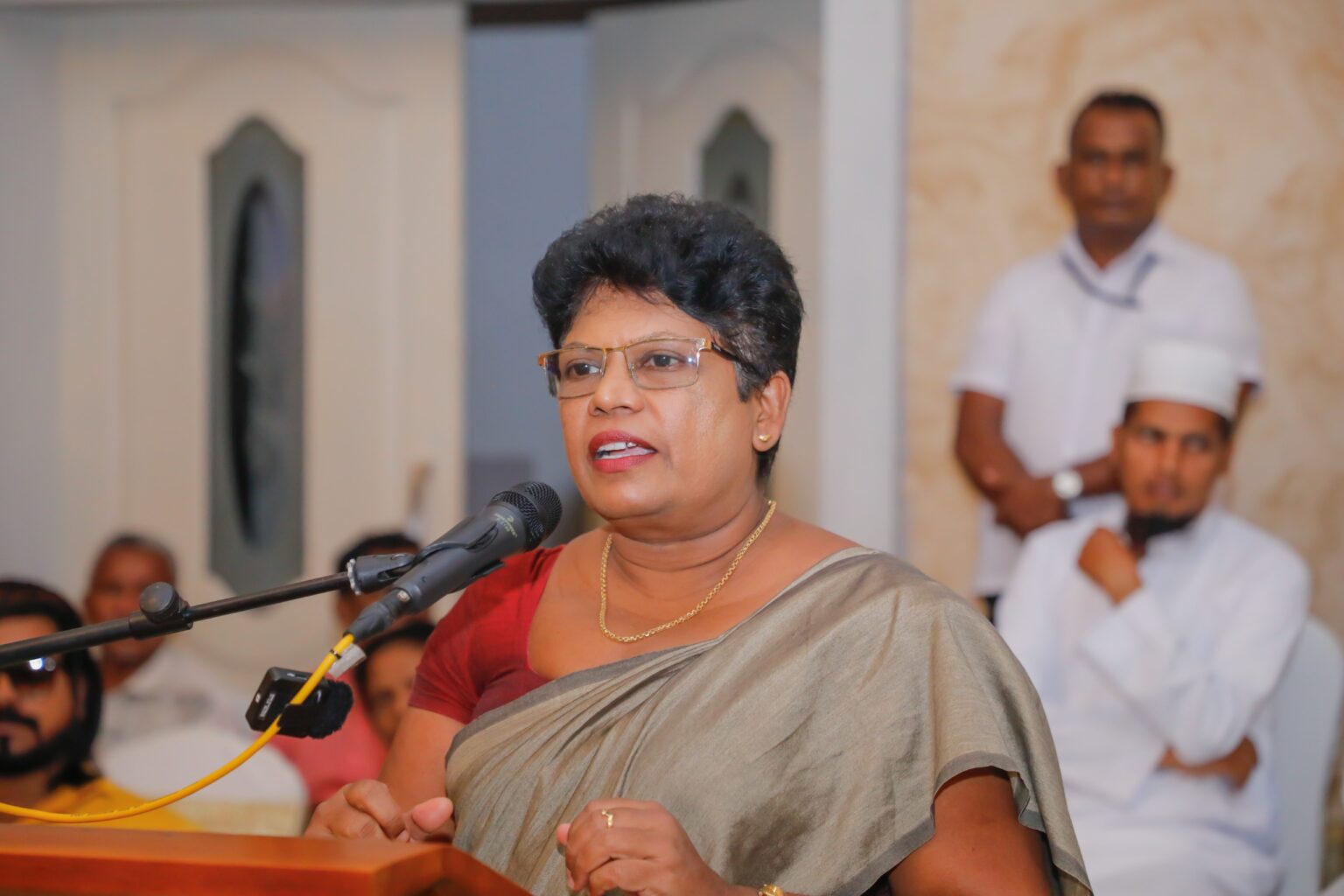
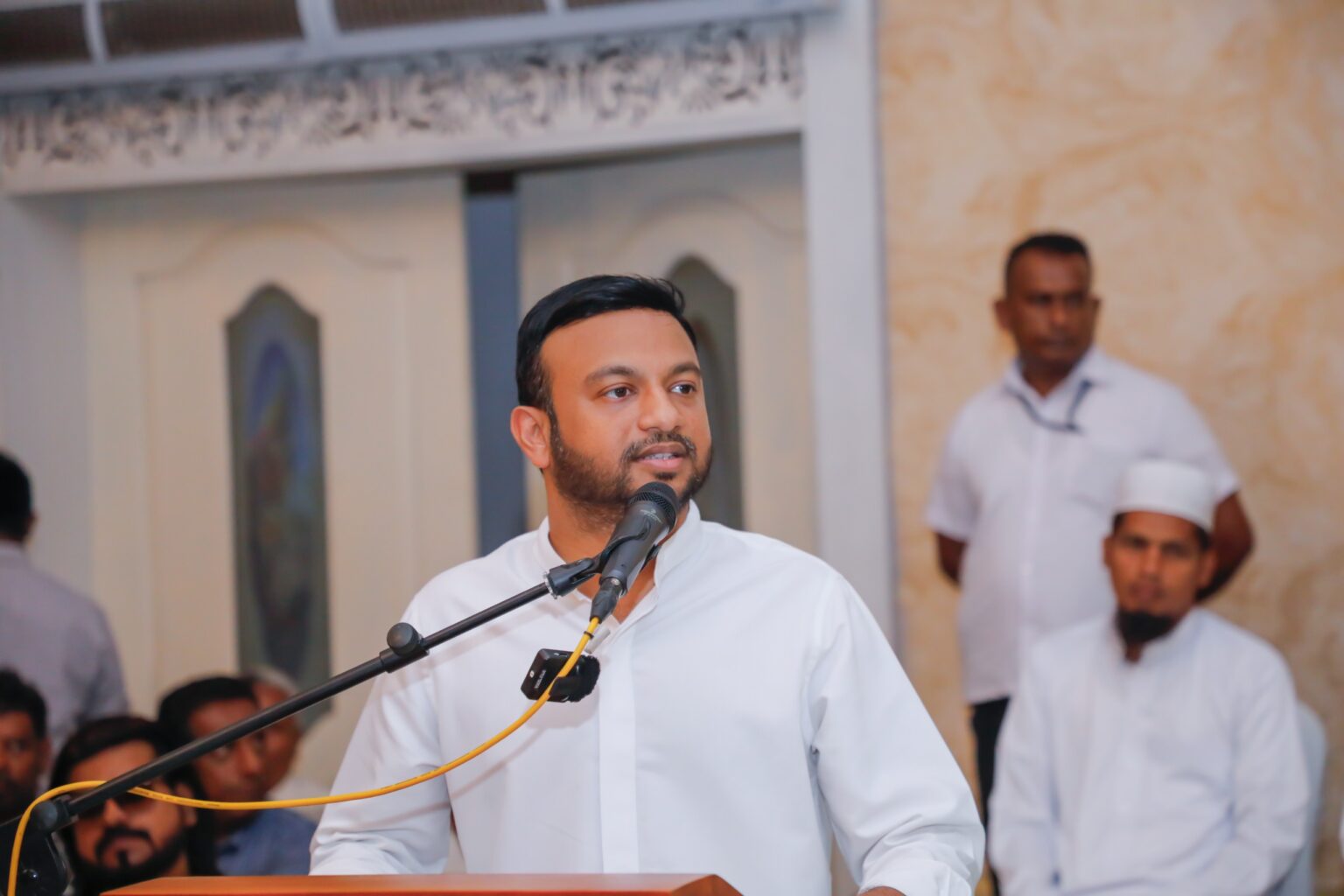
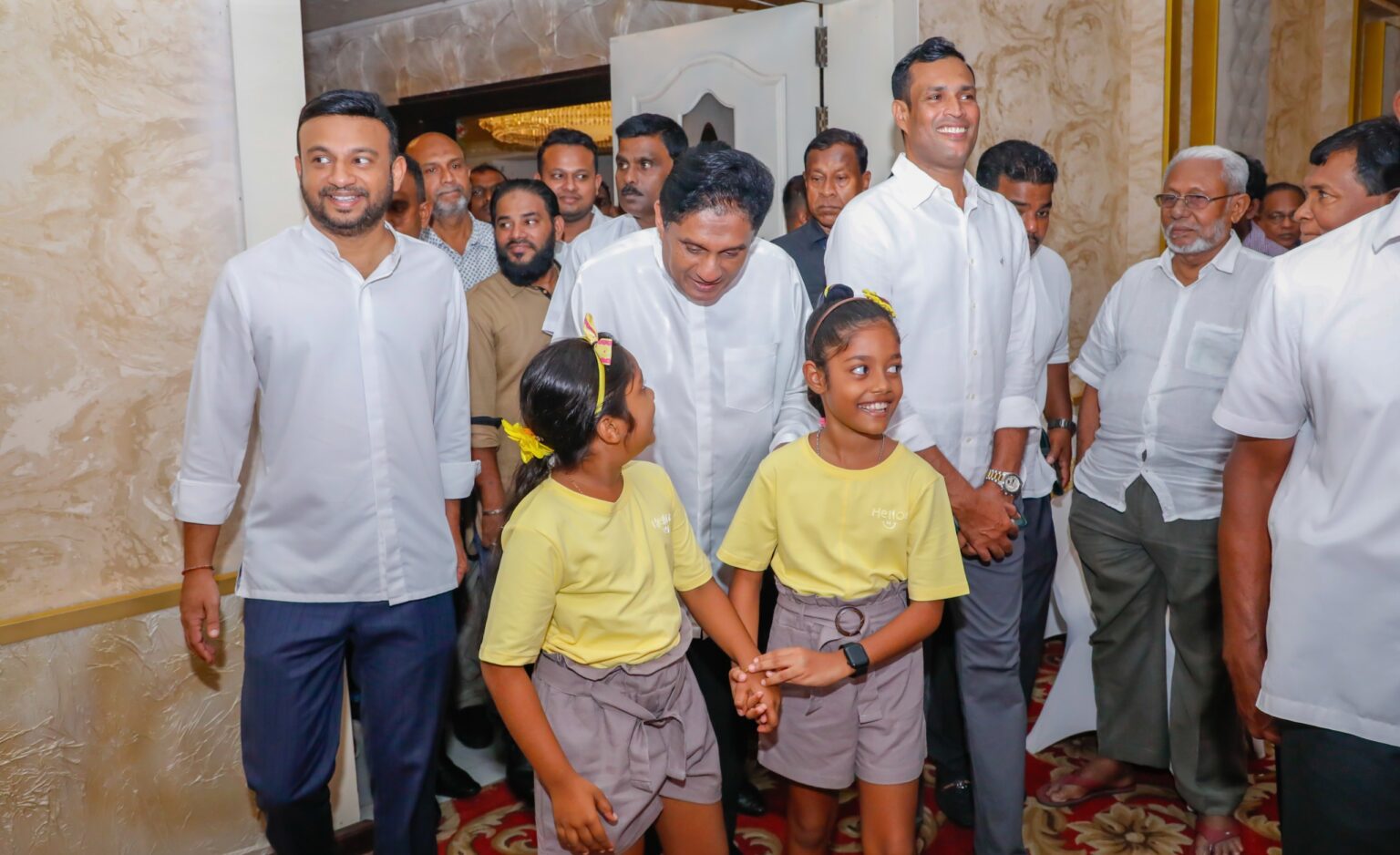
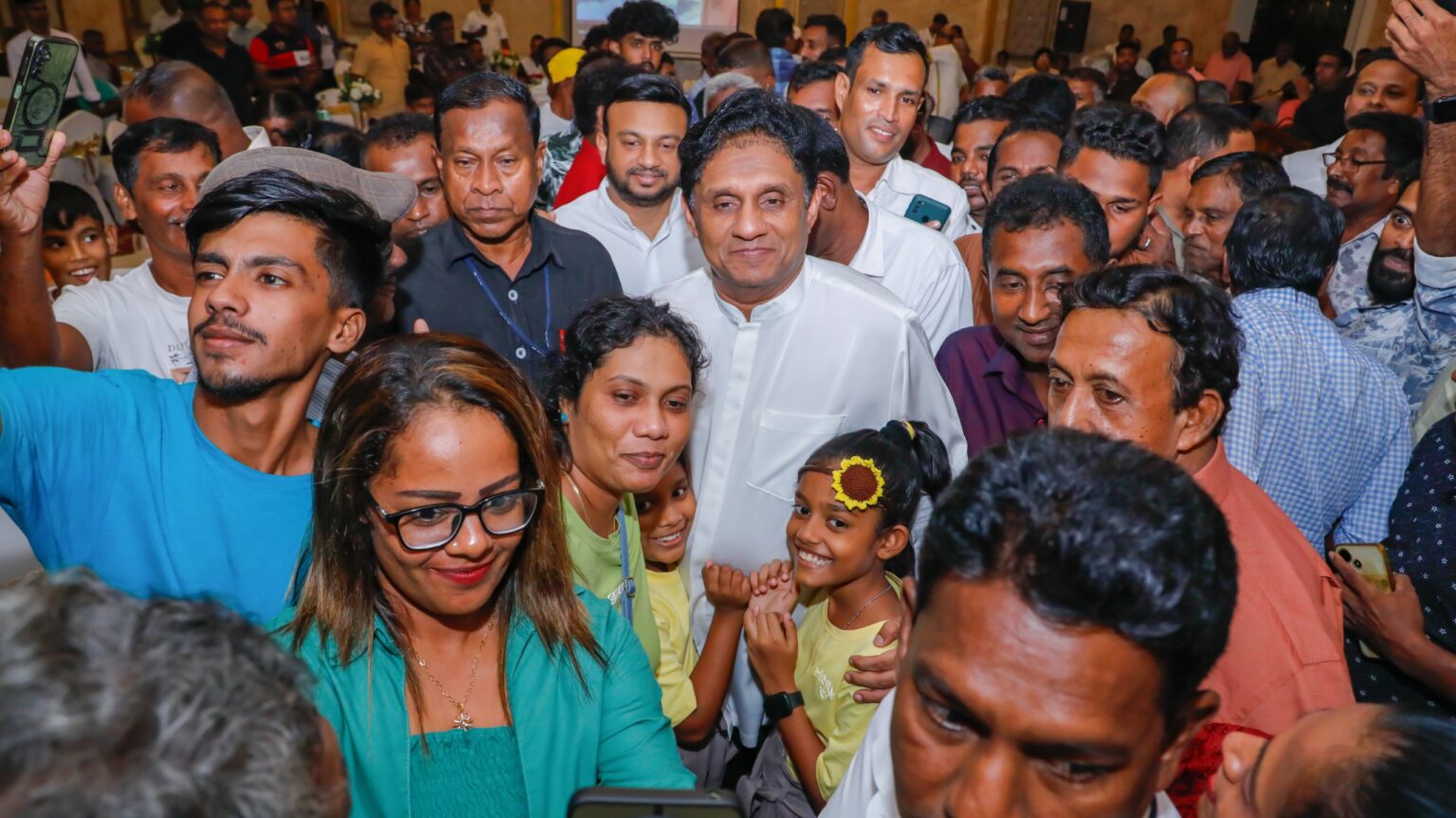
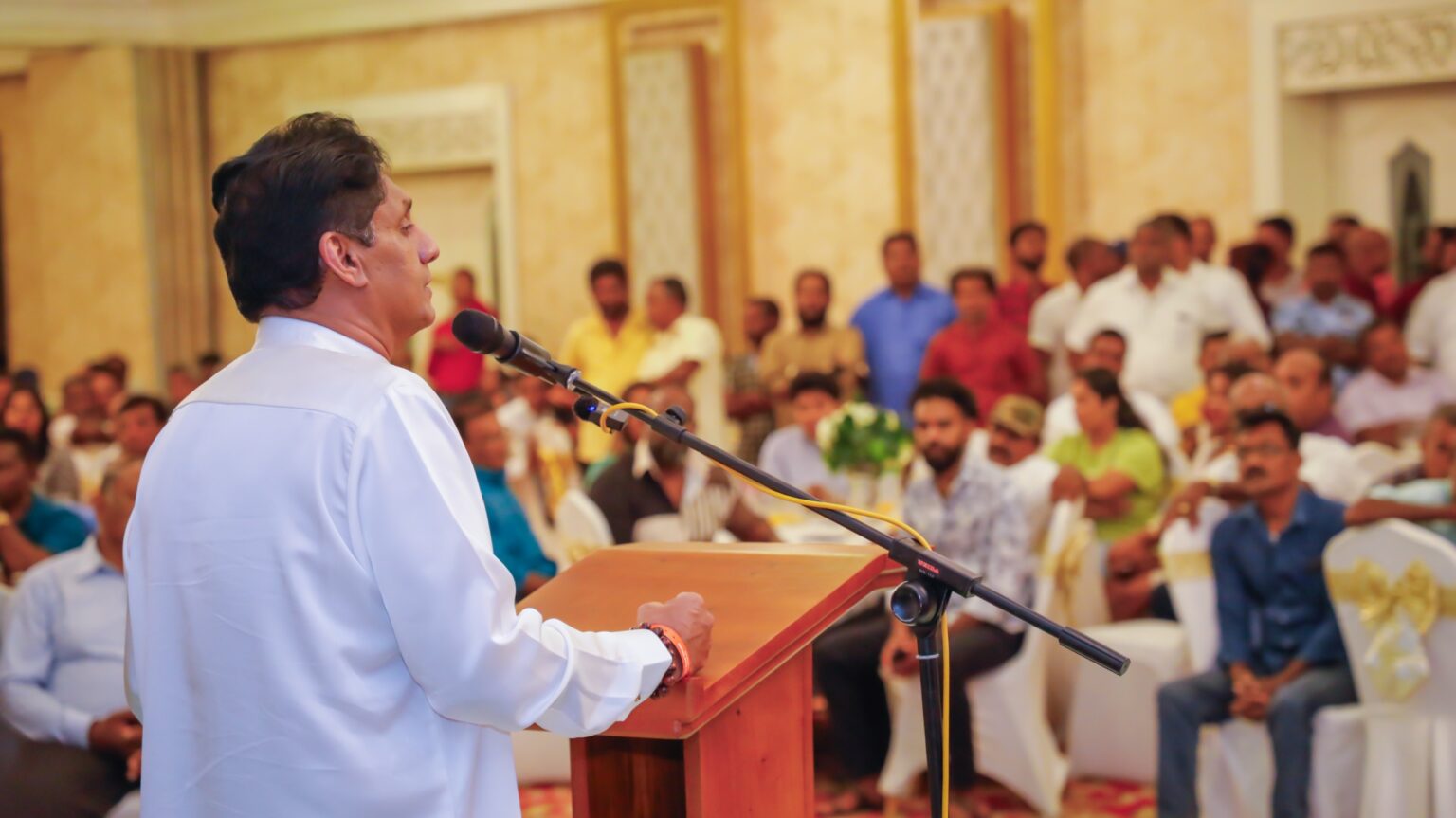
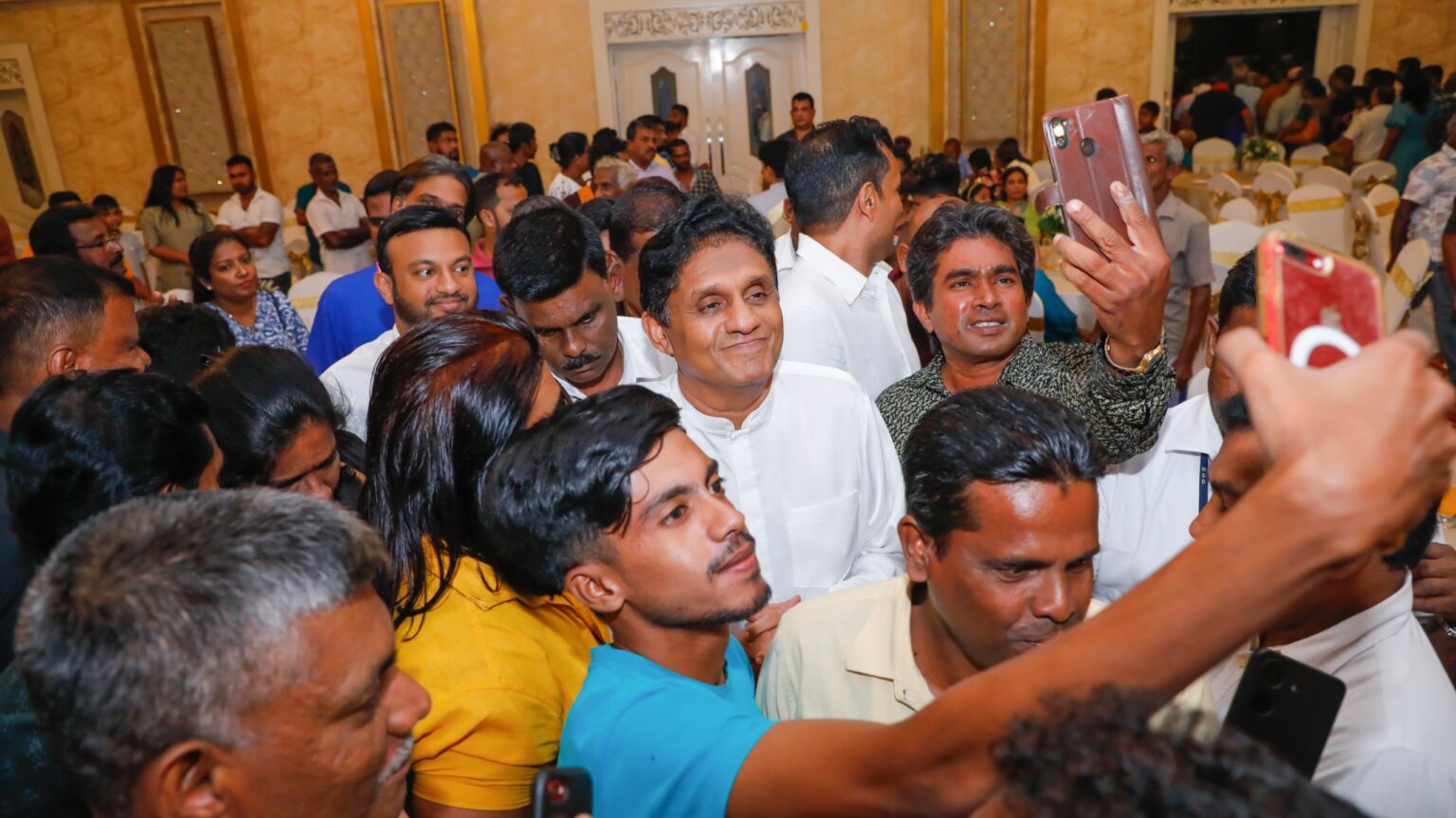
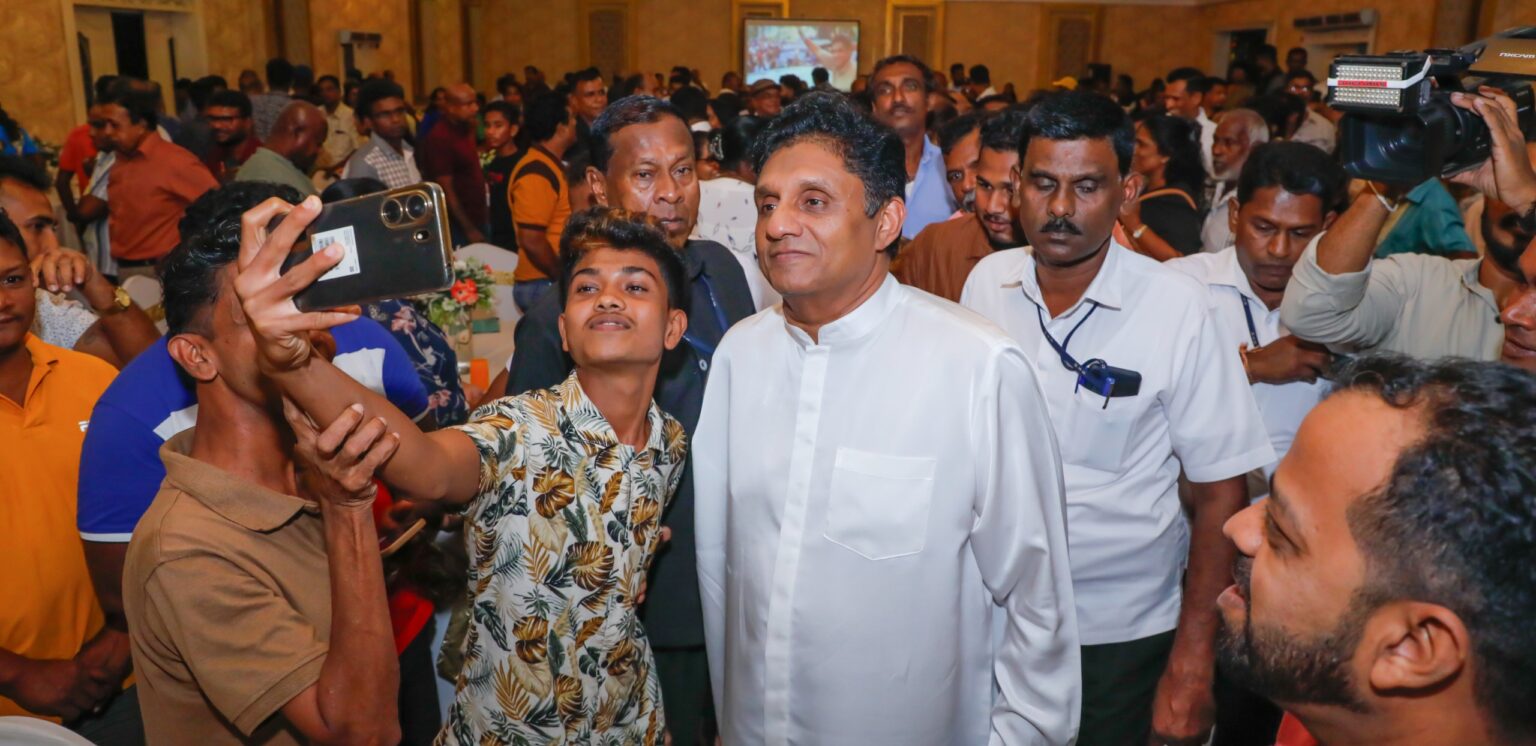
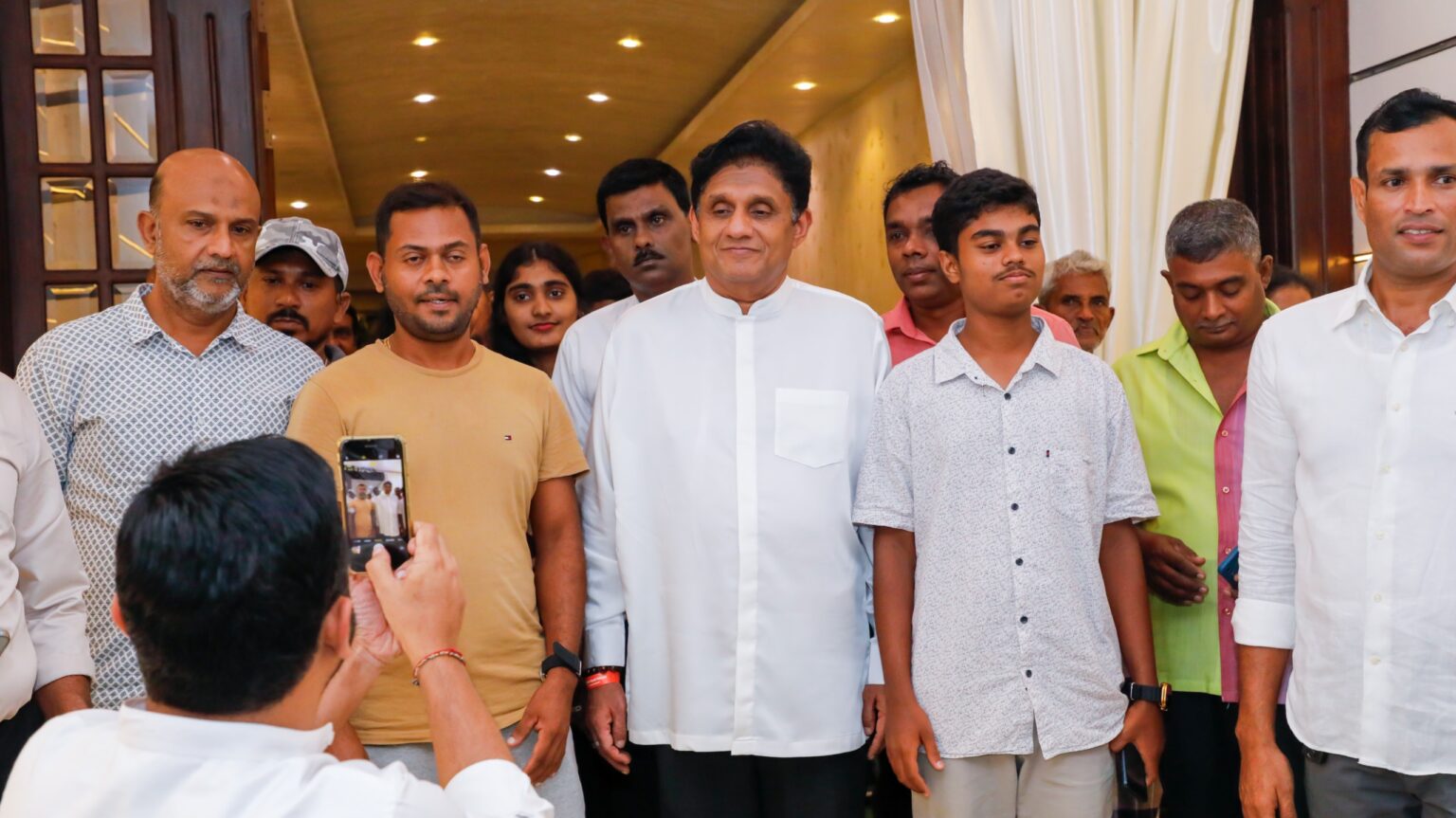
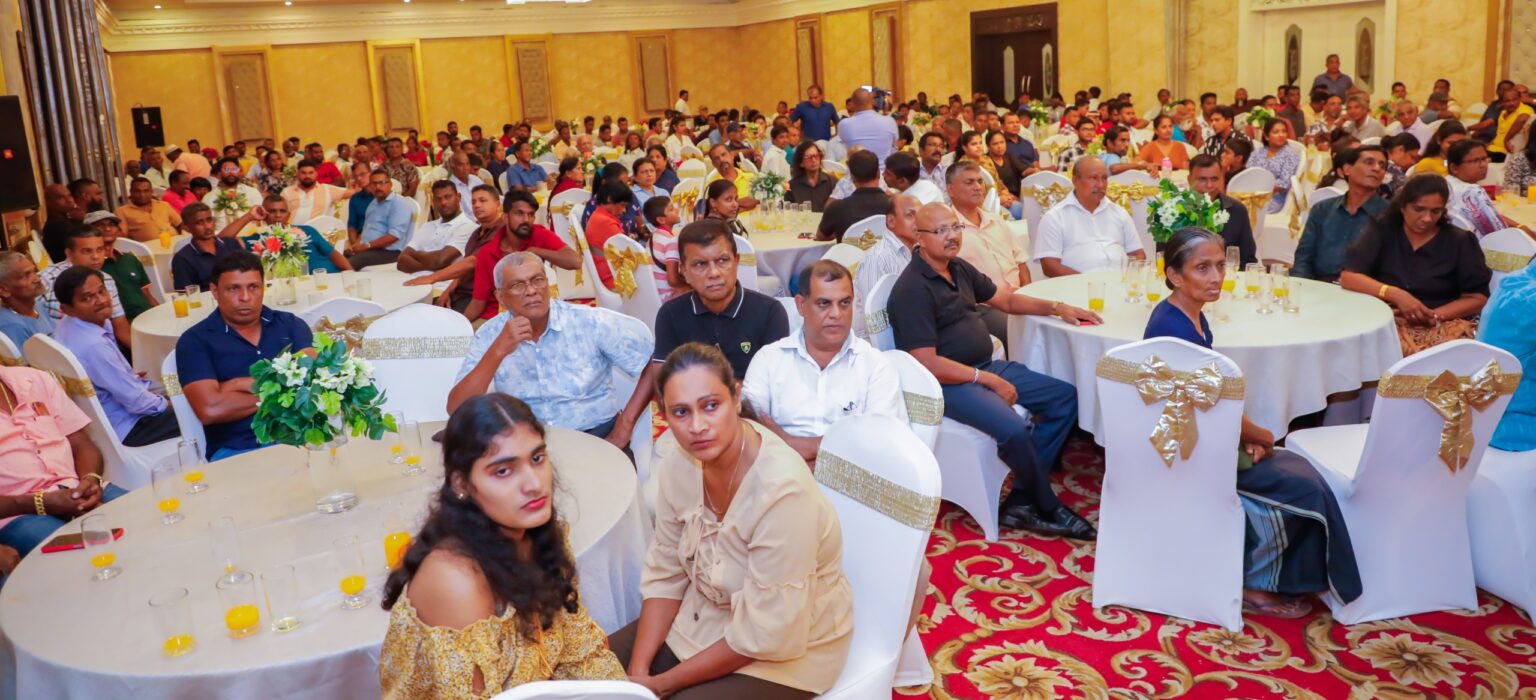
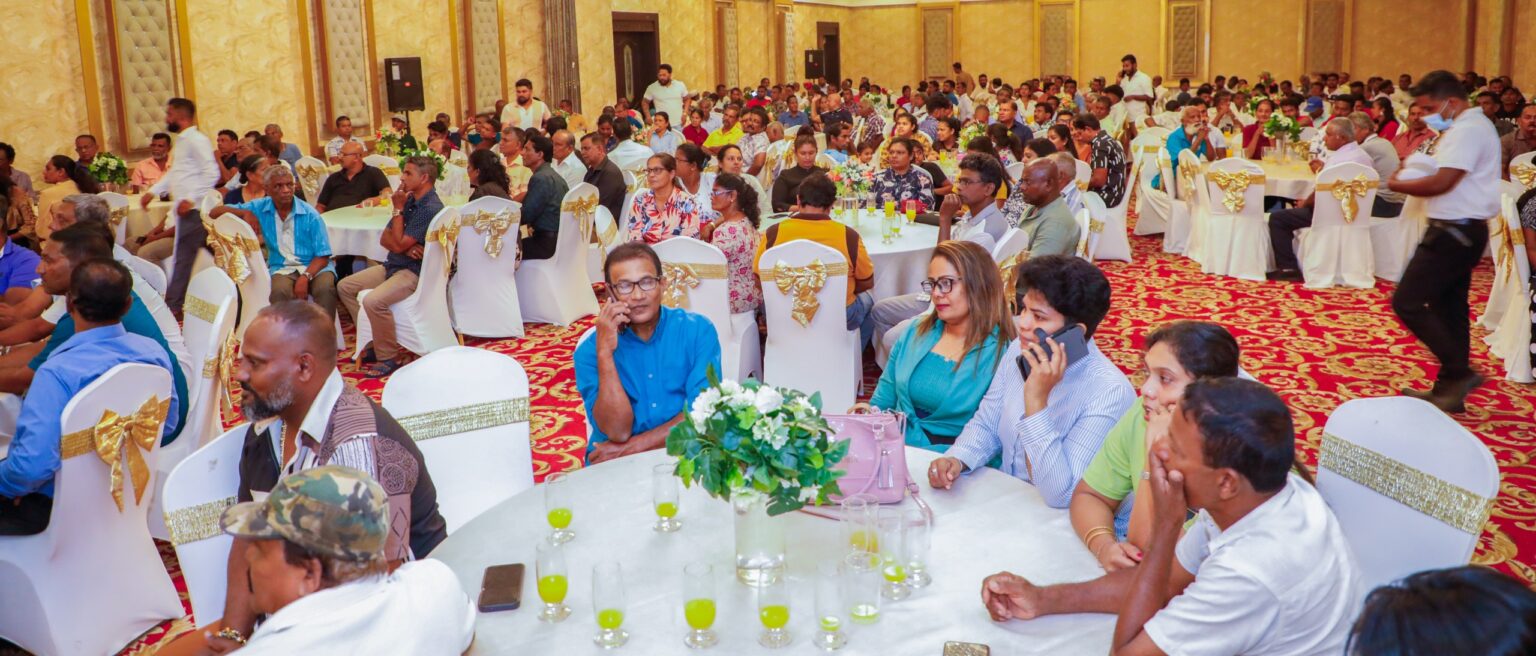
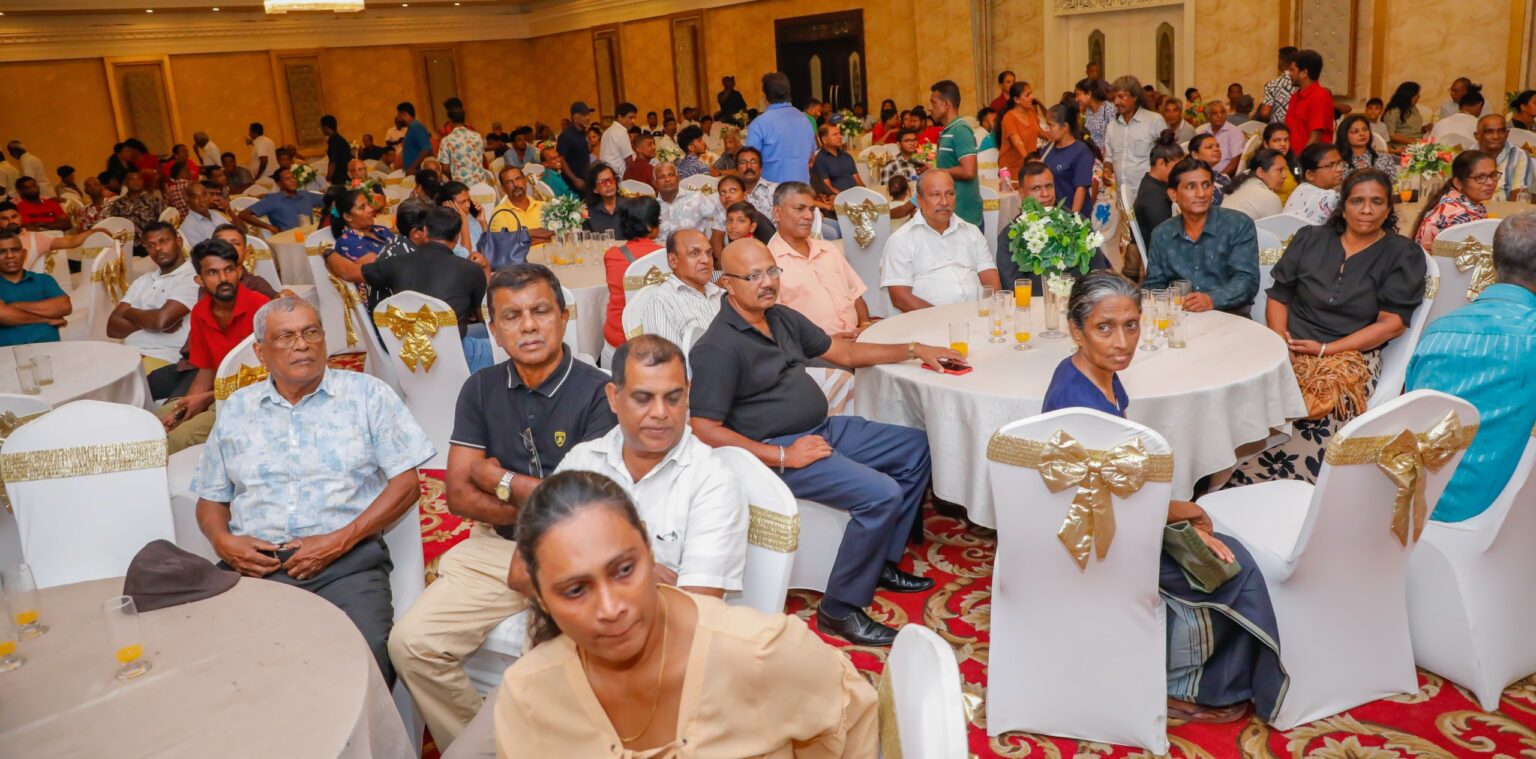
Speaking at a public meeting in Negombo, held under the leadership of Member of Parliament Kavinda Jayawardena, Premadasa criticized the government for its policy reversal. He highlighted that, while in opposition, the ruling party had condemned the shortcomings of the IMF agreement and pledged to renegotiate a better deal for the country. However, after coming to power, those promises were abandoned.
Premadasa underscored that during Sri Lanka’s efforts to restructure its debt with bilateral and international creditors, both the SJB and the Janatha Vimukthi Peramuna (JVP) emphasized the need for a new IMF agreement that would be more beneficial to the country and its people. He alleged that the government disregarded these concerns and entered into an agreement that fails to alleviate the people’s financial burdens.
“The result has been increased discomfort, pressure, and debt for the people, especially the most vulnerable groups, including infants, mothers, and youth,” Premadasa stated. He pointed out that, under the current agreement, Sri Lanka will need to repay an additional $2.3 billion, further exacerbating the country’s debt load instead of achieving meaningful debt relief.
Premadasa also criticized the government’s handling of negotiations with international bondholders, highlighting the involvement of Lazard and Clifford Chance, firms representing Sri Lanka in the debt restructuring process. He noted that Ghana, represented by the same firms, secured a 37% reduction in its debt, whereas Sri Lanka has been burdened with even more debt instead of achieving similar relief.
Calling for greater parliamentary oversight, Premadasa urged that any agreement impacting the nation’s debt should first be reviewed by Parliament. “We must avoid entering into agreements that are detrimental to Sri Lanka’s interests,” he stressed. He warned that increased debt burdens would lead to significant challenges in critical sectors such as health, education, agriculture, and fisheries, and called on the public to remain vigilant.