
Sri Lanka has recently surpassed Malaysia to become the second-largest transnational education (TNE) partner for UK-based universities, now accounting for an impressive 10% of the UK’s total TNE enrollments. This notable shift underscores TNE’s emerging role as a significant pathway for higher education in Sri Lanka, addressing long-standing challenges in accessibility, skills gaps, and the quality of tertiary education in the country.
In Sri Lanka, six types of TNE partnerships have been established, with most UK TNE enrollments delivered through collaborations between UK universities and local institutions.
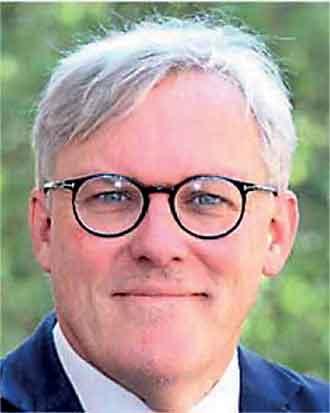
Reflecting on this shift, British High Commissioner to Sri Lanka Andrew Patrick remarked, “In just one year, Sri Lanka advanced from being the third-largest transnational education partner to the second. Considering Sri Lanka’s size, that’s an extraordinary statistic.” Patrick was speaking at the Pearson BTEC Higher Education Forum 2024 held in Colombo.
Between 2022 and 2023, Sri Lanka also became the fastest-growing among the top ten TNE host countries for the UK, with Sri Lankan enrollments increasing by 50% to 53,915 students in the past two years. Patrick noted that this TNE growth in Sri Lanka has occurred almost entirely without significant intervention from the British government.
With only a quarter of eligible students gaining admission to public universities, a British Council study highlighted TNE partnerships as a vital option for students who would otherwise be unable to pursue higher education. The study also noted that beyond expanding access, TNE partnerships help bridge gaps in curriculum quality within Sri Lanka’s education framework by aligning local offerings with UK standards.
Another study emphasized TNE’s role in supplying skilled professionals to Sri Lanka’s workforce. In countries like Sri Lanka, Pakistan, and Malaysia, many judiciary members, for example, hold law degrees from the University of London.
The flexibility of TNE programs also helps eliminate delays often associated with state university admissions, allowing students to begin their studies without prolonged waits. “This addresses the enrollment backlog, where students commonly wait 1-2 years to commence their studies,” the study added, highlighting how TNE enhances learning by introducing innovative educational strategies.
However, research on TNE’s impact within Sri Lanka’s higher education system remains limited. Under the previous administration, there was a proposal to formalize TNE through dedicated regulation and monitoring, aimed at supporting private higher education institutions with incentives and guidelines.
“I hope we continue to see organic growth. I’ll work with local stakeholders to emphasize the benefits of sustained expansion,” Patrick commented. Additionally, he encouraged Sri Lankan graduates to explore career opportunities within Asia, particularly in India, rather than focusing solely on Western countries. “The epicenter of growth in the 21st century is going to be just north of here, in Tamil Nadu,” he concluded.