

The World Meteorological Organisation (WMO) has forecast that the El Niño weather phenomenon, which contributes to warmer global temperatures, is likely to intensify between July and September. | Sri Lanka Latest News
El Niño events are classified into four categories: weak, moderate, strong, and very strong. The current El Niño has been classified at the third-highest intensity level (strong).
El Niño is a naturally occurring climate pattern characterised by unusually warm sea surface temperatures in the central and eastern Pacific Ocean.
It typically occurs once every two to seven years and can last for nine months to a year.
A third-level (strong) El Niño means that sea surface temperatures are 1.5°C to 2.0°C above the long-term average.
Countries located close to the equator, including Sri Lanka, are directly affected by El Niño conditions.
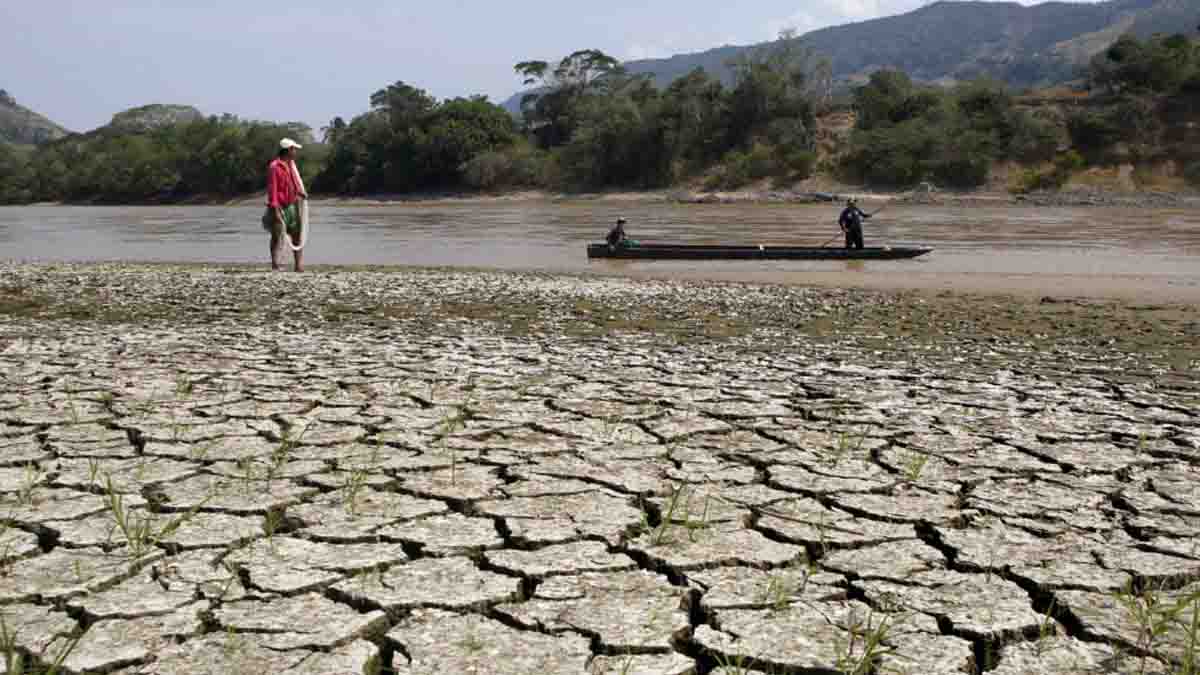
Reduced rainfall can lead to water shortages for paddy cultivation and other crops, resulting in lower agricultural yields.
Rapid declines in water levels at major reservoirs could also disrupt hydroelectric power generation.
The intense heat increases the risk of dehydration, heatstroke, and the spread of heat-related illnesses.
Environmental scientists say that human-induced greenhouse gas emissions, which are driving global climate change, have made naturally occurring El Niño events significantly more severe than in the past.