The U.S. Department of Veterans Affairs (VA) has reached record levels in suicide risk screening and follow-up evaluations, marking a significant milestone in its ongoing efforts to address one of the most persistent public health challenges affecting former service members.
According to VA data, 6,398 veterans died by suicide in 2023, averaging just over 17 deaths per day. The suicide rate among veterans stood at 35.2 per 100,000 people, more than double that of the general U.S. population.
In a news release dated May 6, the department reported that 88 percent of veterans who received VA care in the previous year completed an annual suicide risk screening as of March 2026—the highest rate recorded since tracking began in 2021.
At the same time, 96 percent of veterans identified as being at risk received a comprehensive follow-up evaluation within 24 hours, also a record high.
What the VA Has Changed
These improvements follow years of scrutiny over gaps in suicide prevention efforts. A 2024 watchdog report identified significant shortcomings in screening and follow-up care, prompting the VA to strengthen protocols and expand oversight.
In response, the department increased outreach efforts, improved compliance with its standardized screening system, and expanded efforts to connect more veterans—especially those not enrolled in VA care—with mental health services.
This outreach is considered critical, as more than 60 percent of veterans who die by suicide were not engaged in VA care during the two years prior to their death, highlighting a major gap in access and continuity of support.
The Scale of the Problem
Despite recent improvements, suicide among veterans remains a serious public health concern.
According to Stop Soldier Suicide, more than 140,000 veterans have died by suicide since 2001, and suicide is the second-leading cause of death among veterans under the age of 45.
Research consistently identifies multiple contributing risk factors, including post-traumatic stress disorder (PTSD), depression, chronic pain, substance use, and challenges in transitioning to civilian life. Younger veterans and those recently separated from active duty face particularly elevated risks.
“In the first year after leaving the military, the suicide rate among veterans reaches 46.2 per 100,000,” Stop Soldier Suicide noted on its website. “This is one of the most vulnerable periods in a veteran’s life—when immediate intervention can make all the difference.”
The VA also reports that access to firearms remains a major risk factor. “Unsecured firearms in the home increase the risk of suicide death,” the department stated in its 2025 National Veteran Suicide Prevention report. “In 2023, firearms were involved in 73.3 percent of veteran deaths by suicide.”
What This Means for Veterans and Families
The data suggests progress in earlier identification of at-risk individuals and faster intervention—both considered essential components of effective suicide prevention.
For veterans engaged with the VA system, higher screening and evaluation rates mean more consistent check-ins, quicker access to care, and more structured follow-up planning. For families, it may provide some reassurance that warning signs are more likely to be identified within clinical settings.
However, the data also underscores a key concern: many of those at highest risk remain outside the system. As a result, families, friends, and communities continue to play a crucial role as a first line of support.
What Veterans Can Do if They Need Help
Veterans in crisis—or those concerned about someone else—have several immediate options:
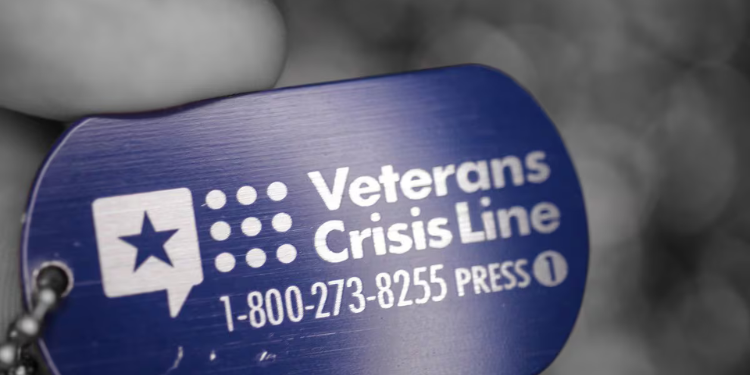
- Call the Veterans Crisis Line: Dial 988 and press 1 (available 24/7)
- Text: 838255
- Online chat: VeteransCrisisLine.net
The VA emphasizes that support is free, confidential, and available to all individuals, including those not enrolled in VA benefits or health care.
The department also encourages veterans to seek help through local VA medical centers, emergency departments, or by contacting a suicide prevention coordinator.
In addition, experts recommend practical preventive steps such as reaching out to trusted individuals, reducing access to lethal means, and seeking mental health support early—before a crisis escalates.