
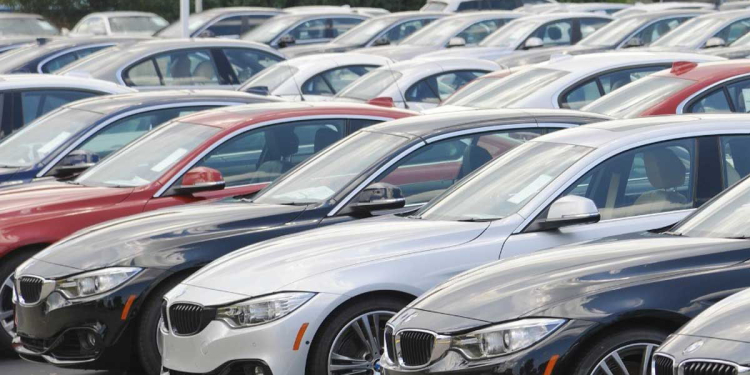
Sri Lanka is currently experiencing a period of very low interest rates, which could have a detrimental effect on the country’s balance of payments if vehicle imports are allowed, warned Professor Wasantha Athukorala, Director of the Department of Humanities and Statistics at the University of Peradeniya.
Professor Athukorala highlighted that Sri Lanka’s interest rates were similarly low during the years 2017-2019, leading to a notable surge in imports. During this period, the Central Bank’s Standing Lending Facility Rate ranged between 7% and 8%. As a result, the country’s import expenditure, which stood at approximately $20.98 billion in 2014, rose to $22.23 billion by 2018.
Analyzing data from the Central Bank, the professor emphasized a clear trend: whenever interest rates are reduced, import expenditure tends to rise.
Currently, the Central Bank’s policy interest rate is at 8%, while the Standing Lending Facility Rate is set at 8.5%. In this context, liberalizing imports, particularly by permitting private vehicle imports, could significantly increase the outflow of dollars. Such a move, Professor Athukorala cautioned, may exacerbate the balance of payments deficit and trigger further depreciation of the Sri Lankan rupee in the future.
This warning comes amid discussions about potential import policy adjustments and their implications for the national economy.