

President Anura Kumara Dissanayake announced that the government plans to allocate 1.35 trillion rupees as capital expenditure in the upcoming budget, marking the highest amount spent on capital investment by a government in recent times.
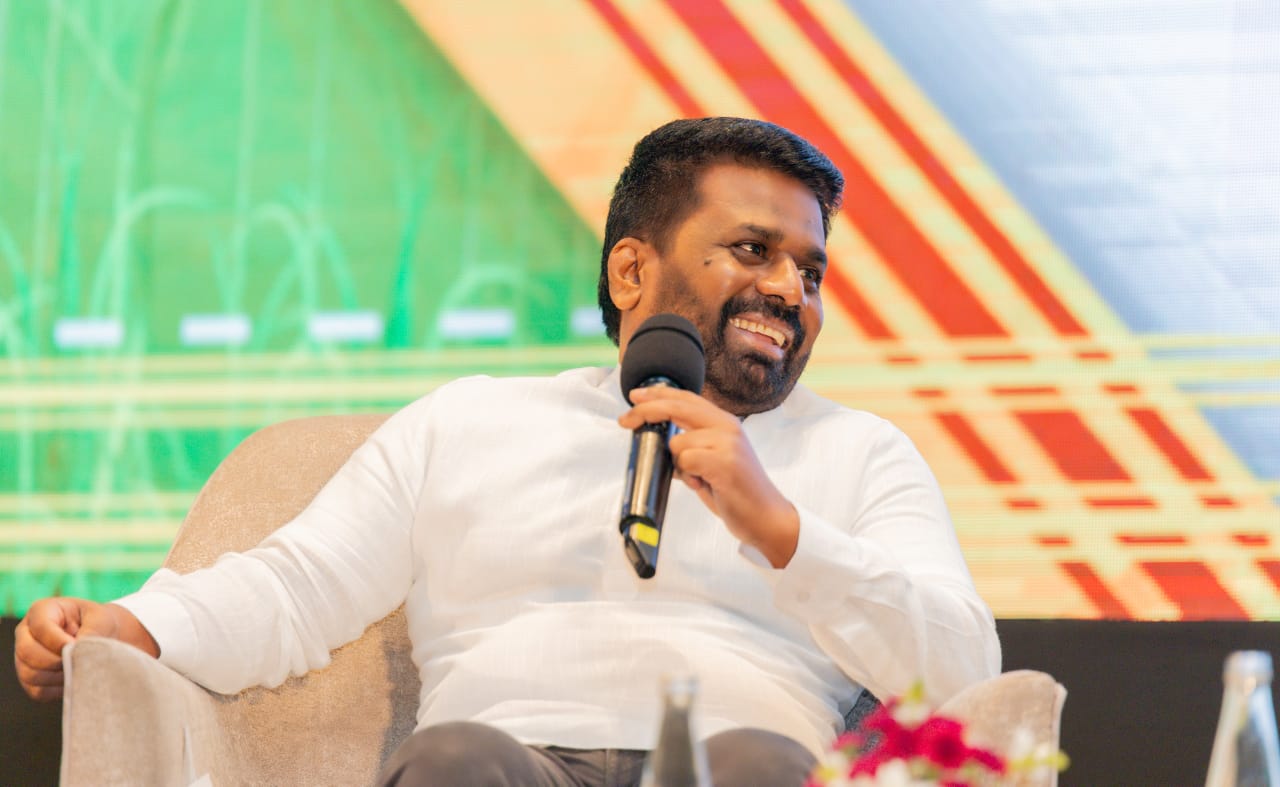
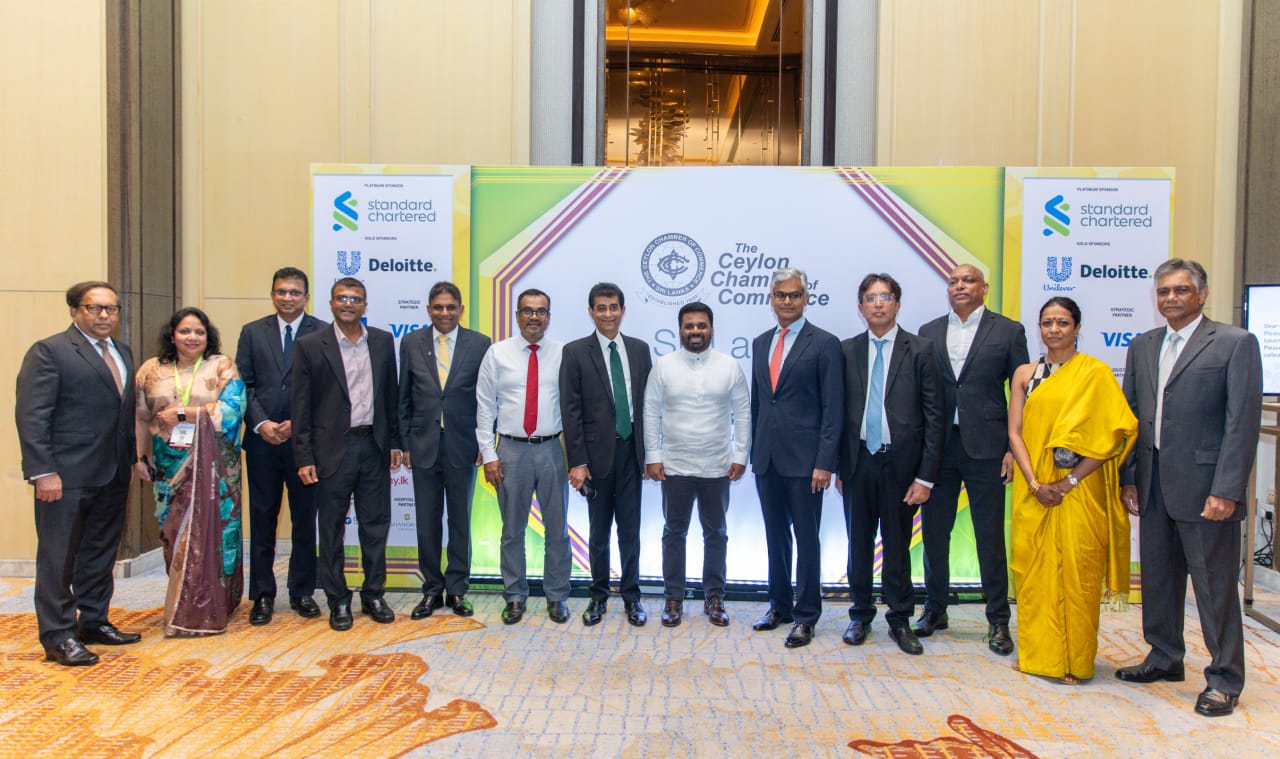
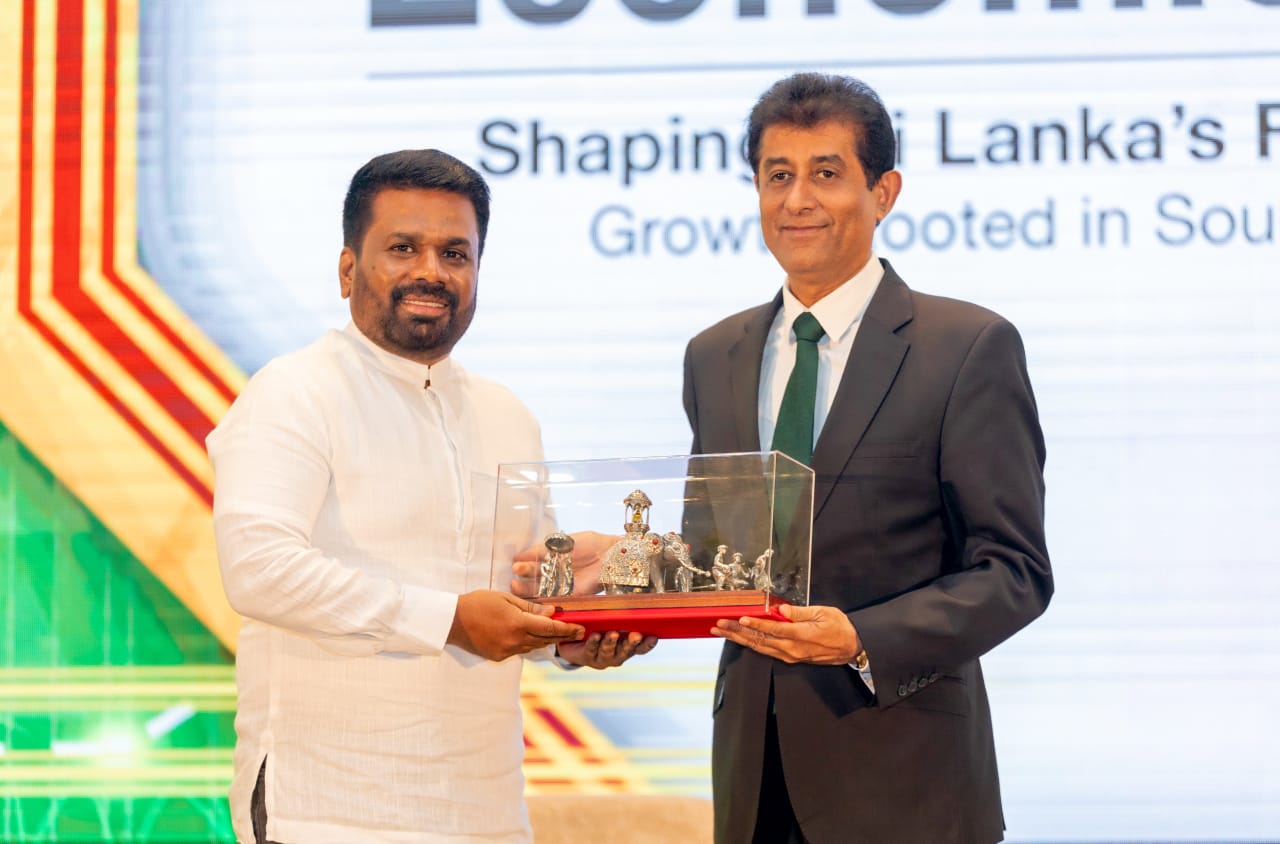
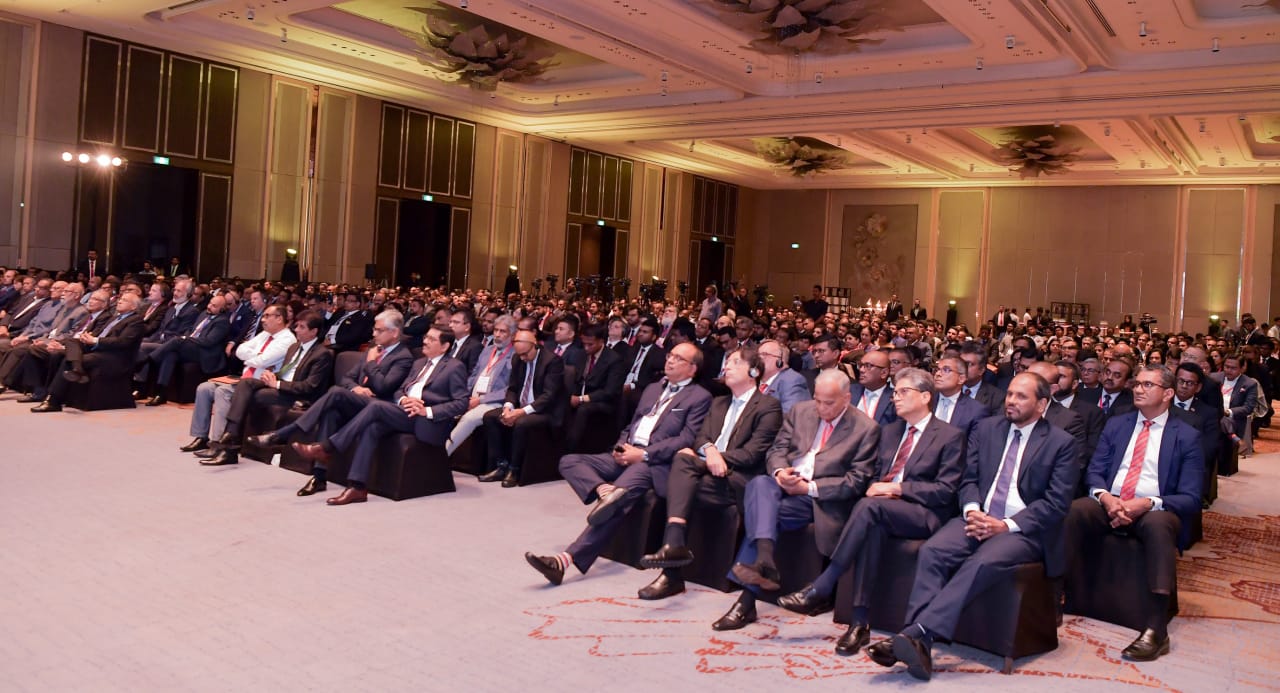
The President made this statement while addressing the 2025 Economic Summit, which took place yesterday (28) at the Shangri-La Hotel in Colombo.
The summit, organized by the Ceylon Chamber of Commerce under the theme “Economic Transformation,” aims to position Sri Lanka for significant economic progress in 2025. The event focuses on fostering political stability, implementing debt restructuring, and securing an upgrade in the country’s sovereign credit rating to facilitate economic transformation within Southeast Asia.
During his address, President Dissanayake stated that the government anticipates an economic growth rate exceeding 4% this year. To achieve this target, he emphasized the importance of creating a conducive environment for foreign direct investment.
He further elaborated on the government’s commitment to economic growth, stating:
“We represent a political movement that has not previously sought power. In the past, there may have been skepticism among business groups, investors, and certain international communities regarding our capabilities. However, over the past two months, we have successfully dispelled these doubts and instilled confidence in the government’s economic program and future direction. This is a significant achievement.”
He reiterated the government’s plan to allocate 1.35 trillion rupees for capital expenditure in the upcoming budget, emphasizing that it would be the largest such investment in recent history. However, he pointed out inefficiencies in past administrations, where only 75% to 80% of allocated funds were utilized. To address this issue, the government is implementing a robust mechanism to ensure that the full allocation is effectively spent.
President Dissanayake also highlighted bureaucratic hurdles that hinder investment. He revealed that a recent discussion with ministry secretaries and government officials from investment-related institutions exposed the complexity of the approval process. Currently, investors must secure permissions from 82 different institutions, a process that takes over two and a half years.
He noted that 11 institutions are specifically responsible for granting investment approvals and underscored the necessity of streamlining these procedures to attract and facilitate investments efficiently.
The President’s remarks at the summit reaffirmed the government’s commitment to fostering economic growth, improving investor confidence, and ensuring efficient utilization of allocated resources for national development.