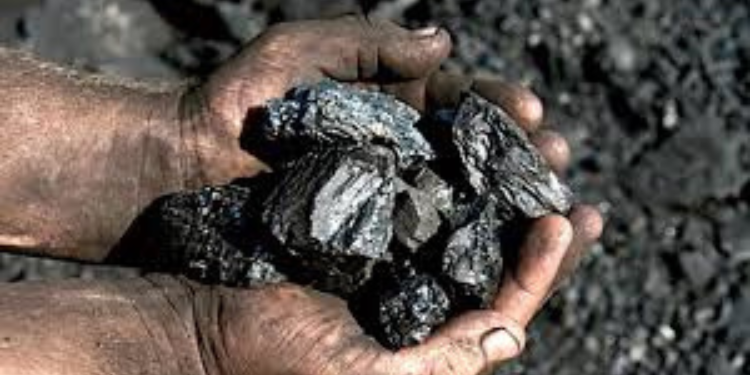
Just weeks after preliminary quality tests failed on a coal shipment from South Africa, the Sri Lankan government is considering two options—including emergency spot purchases—if tests on additional shipments from the same source also return negative results, potentially disrupting coal supplies for power generation.
The second option under consideration is to engage with the foreign supplier to test future coal samples at the port of origin. If quality issues are detected, the supplier would be required to provide stocks that meet the Lanka Coal Company’s specifications. The coal was procured through a tender for the Lakvijaya power plant.
Preliminary tests of the first shipment, part of a total 25 shipments (60,000 MT), reportedly failed due to low calorific value and high ash content. Further testing is underway at an independent laboratory, following objections from the Indian agent, Trident Chemphar Ltd, regarding the initial results.
The Sri Lankan government has already imposed a US$2 million penalty on the first shipment, while another vessel is waiting to unload.
A senior government official noted that, even if emergency spot purchasing is pursued, the acquisitions would need to be completed by mid-March to avoid monsoon-related delays, as unloading is suspended between April and September.
“It’s the last option, but we will need the coal supplies within the next few weeks if we are to generate power from the coal plant,” the official said.
The coal tender itself is also under scrutiny amid allegations of corruption. Critics claim that the tender conditions were allegedly altered to favor an Indian company responsible for importing the South African coal.
Raising the matter in Parliament this week, Opposition Leader Sajith Premadasa alleged that the tender timeline had been shortened—from the usual 42 days to just 21 days. He demanded that reports approving the tender, as well as technical instructions and conditions for both the previous and current coal tenders, be presented to Parliament.