
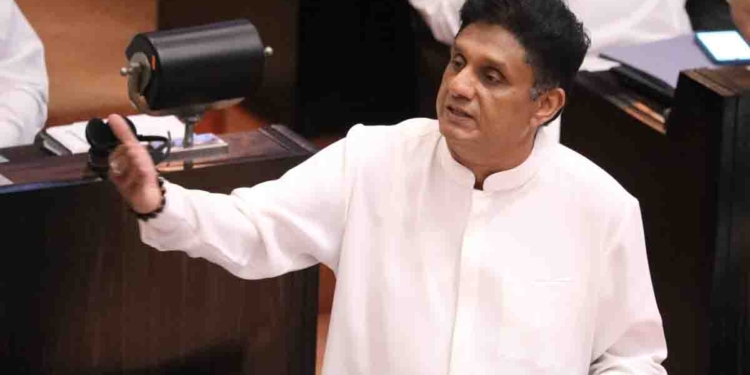
Opposition Leader Sajith Premadasa has raised concerns over the current vehicle import tax policy, stating that the system is overly complex and fails to meet the requirements of various stakeholders. He warned that the continued delay in implementing a simplified and transparent tax framework is resulting in significant government revenue losses, market imbalances, and considerable inconvenience to consumers.
Speaking under Standing Order 27 (2) in Parliament, Premadasa highlighted that both economic experts and the Samagi Jana Balawegaya believe the existing tax collection structure related to vehicle imports is inefficient. He emphasized the urgent need for reform to streamline the process.
The Opposition Leader questioned whether electric vehicles (EVs) are being taxed based on their maximum capacity or rated capacity, and called for clear disclosure of the criteria and tax rates applicable to each. He demanded that institutions importing new or used BYD electric vehicles disclose the specific capacity used to calculate taxes at the time of customs clearance.
He further requested that the reported maximum and rated capacities of models such as the BYD ATTO3 and other electric vehicles brought in by BYD’s official local representatives be made public. Premadasa also pressed the government to confirm whether any investigations have been initiated to verify the actual capacities of EVs currently at the center of controversy.
Citing the lack of a proper policy framework, Premadasa claimed that the government stands to lose approximately Rs. 4 to 4.5 million in tax revenue per vehicle. He sought information on how many vehicles are currently held at customs due to tax-related ambiguities and questioned whether these vehicles would remain detained until the confusion is resolved, or whether the government plans to take alternative action.
The Opposition Leader also questioned which authorities are accountable for the resulting revenue losses and what corrective steps the government intends to take. He noted reports indicating that efforts are underway to release detained vehicles by placing bank guarantees for the disputed tax amounts. If any errors have occurred in the tax assessment process, Premadasa stressed the importance of recovering the lost revenue.
In conclusion, he urged the government to consider amending its vehicle import tax policy based on lessons learned from the current crisis. He recommended looking to international models, particularly those used by developed countries, that balance fiscal responsibility with fairness and transparency.