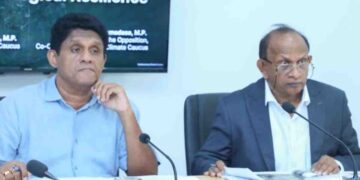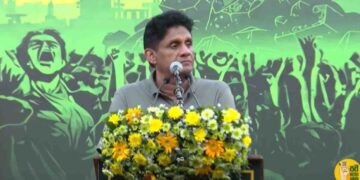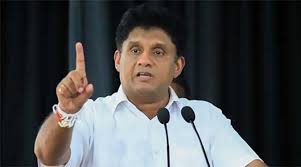
Sri Lanka’s Leader of the Opposition and Samagi Jana Balawegaya (SJB) leader Sajith Premadasa has said that India’s “Neighbourhood First” policy has produced tangible and meaningful benefits for Sri Lanka, particularly during periods of economic distress and natural disasters.
Speaking to ANI from Colombo, Premadasa said that India–Sri Lanka relations should not be viewed solely through a diplomatic lens, but rather as a partnership shaped by shared geography, history, culture, and economic destiny. “Our destinies are inextricably linked,” he said, emphasising that cooperation between the two neighbouring countries is essential to advancing their respective national interests.
Premadasa highlighted India’s critical role in supporting Sri Lanka during its economic collapse, noting that New Delhi extended assistance exceeding USD 4 billion through grants, concessional loans, and other financial support mechanisms. He said India’s support went beyond rhetoric, translating into concrete action when Sri Lanka faced bankruptcy and severe humanitarian challenges.
Referring to India’s response to Cyclone Ditwah, Premadasa commended New Delhi for acting as the first responder, providing financial assistance, disaster-relief resources, and deploying emergency personnel. He said the Modi administration had “walked the talk” by delivering immediate and meaningful assistance during one of Sri Lanka’s most difficult moments.
“The Neighbourhood First policy has been very beneficial to Sri Lanka,” Premadasa said, adding that India had correctly identified and responded to the fundamental human and developmental needs of the Sri Lankan people. He expressed gratitude to both the Government of India and the Indian public for their timely and generous support.
In December 2025, External Affairs Minister S. Jaishankar announced that India had proposed a comprehensive USD 450 million assistance package to support Sri Lanka’s reconstruction efforts following Cyclone Ditwah. The announcement came after the successful completion of the immediate humanitarian phase under Operation Sagar Bandhu, India’s rapid response initiative to the disaster.
Speaking in Colombo as a special envoy of Prime Minister Narendra Modi, Jaishankar reiterated India’s commitment to Sri Lanka during a uniquely challenging period. “The letter from PM Modi that I handed over builds on our first responder role and commits a reconstruction package of USD 450 million to Sri Lanka,” he said.
Reflecting on bilateral relations in 2025 and prospects for 2026, Premadasa said the partnership between the two countries has withstood multiple challenges and remains resilient. He stressed that deeper cooperation would help both nations achieve their national development goals.
Highlighting key areas of collaboration, Premadasa underscored India’s pivotal role in supporting Sri Lanka’s digital transformation, noting the country’s ambition to build a USD 30 billion digital economy by 2030. He identified strong opportunities for cooperation in information technology, business process outsourcing, and management services, adding that India’s expertise would be crucial to achieving these objectives.
Energy cooperation was cited as another priority, particularly in efforts to reduce energy costs and attract foreign investment. Premadasa also called for enhanced collaboration in tourism and foreign direct investment, encouraging Indian entrepreneurs and businesses to invest in export-oriented ventures that generate employment and strengthen Sri Lanka’s productive capacity.
India is Sri Lanka’s closest neighbour, and the relationship between the two countries spans more than 2,500 years, marked by deep civilisational and historical ties. Sri Lanka holds a central place in India’s “Neighbourhood First” policy and the MAHASAGAR (Mutual and Holistic Advancement for Security and Growth Across Regions) vision. (ANI)