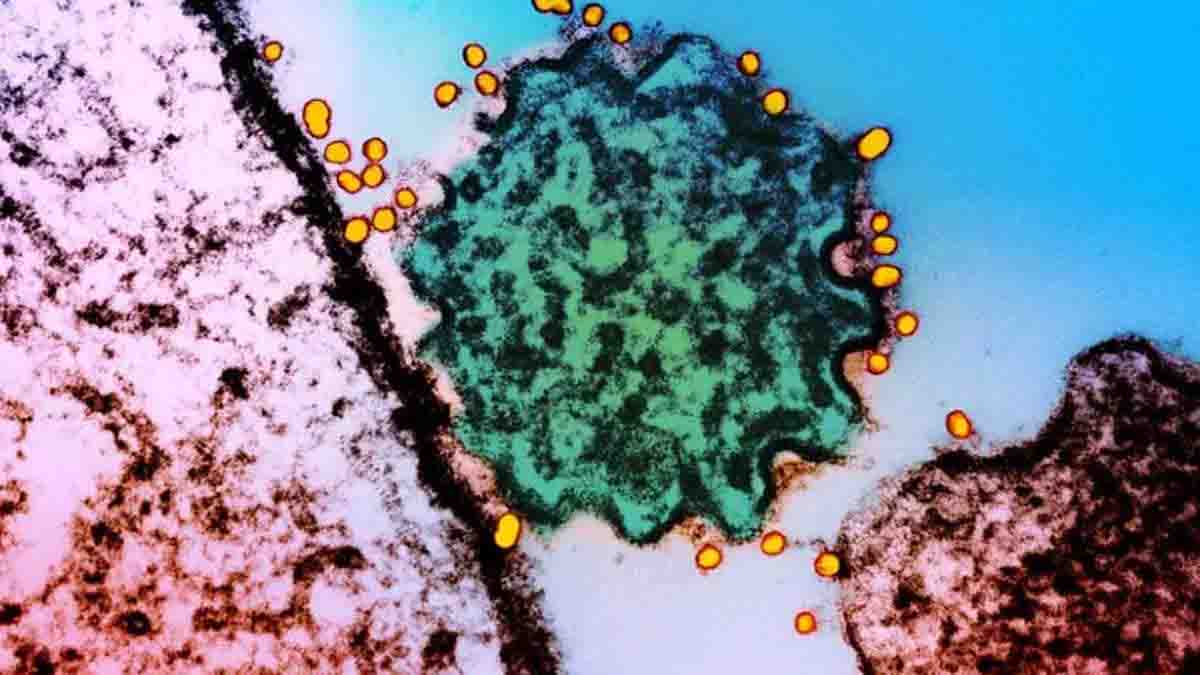
Foreign media reports that the “Neepa” virus, which is spreading very fast among humans, has now spread to India, Bangladesh, Singapore and the Philippines. Sri Lanka Latest News
Various information is currently being shared on social media about the Nipah virus that is spreading in India.
The Health Promotion Bureau of the Ministry of Health has issued a special announcement informing the people in this regard.
“After the global epidemic of COVID-19, which has caused great suffering to mankind, the international community as well as Sri Lankans are very concerned about infectious diseases.
At a time when various opinions are spreading about the Nipah virus, which is reported to be spreading in the state of Kelara, India, we are ready to share with you the current scientific knowledge about this situation.
This Nipah virus, which has been found to be zoonotic, was first identified in 1999 when it spread among a group of people who worked in pig farms in Malaysia. The virus has been transmitted to humans through unprotected contact with infected pigs through their tissues, body fluids and faeces.
After that, no more cases were reported from Malaysia, but in 2001, there were outbreaks of this disease in Bangladesh and East India. Kerala, which is in the spotlight this time, is facing this epidemic for the fourth time in the last five years.
The outbreak of these infections in India and Bangladesh is believed to be due to human consumption of fruit/juices stained with urine and saliva of infected bats naturally harbouring the Nipah virus.
According to current scientific data, this disease does not spread easily from human to human. It is likely to be spread through the bodily fluids and excrement of a sick person, and it should be mentioned that those who have been very close to the patient are often infected.
If the virus is ingested by a human, a wide range of conditions are possible, from showing no symptoms, showing symptoms of a common respiratory infection, to a fatal brain inflammation (encephalitis).
Within 4-14 days after the virus enters the body, basic symptoms such as fever, headache, abdominal pain, vomiting, and sore throat occur. Symptomatic treatment of identified patients is common practice.
To prevent human-to-human transmission, safe practices in handling patients prevent exposure to their bodily fluids. There is currently no vaccine available to prevent this.
When Nipah disease spreads in a certain area, public health instructions are issued in relation to it, and it is enough for us Sri Lankans to be strong and attentive with proper knowledge.
If there is a change in the future situation or if there is an update of scientific knowledge in this regard, we are ready to inform you immediately.”