

Nothing in this world exists beyond the authority of nature. This is a belief deeply rooted among those who live close to the jungle, and recent events have proven it to be an undeniable truth. As we reflect on the year 2025, it is evident that Sri Lanka, as a country and a nation, has endured a deeply tragic period. Sri Lanka Latest News.
Regardless of other contributing factors, it is clear that much of what we have experienced is the result of environmental destruction and extreme natural weather conditions. Nature has responded to the illegal, unjust, and irresponsible actions carried out against the environment and the animal kingdom over many years. As citizens of this country, we must acknowledge that we bear responsibility for these consequences.

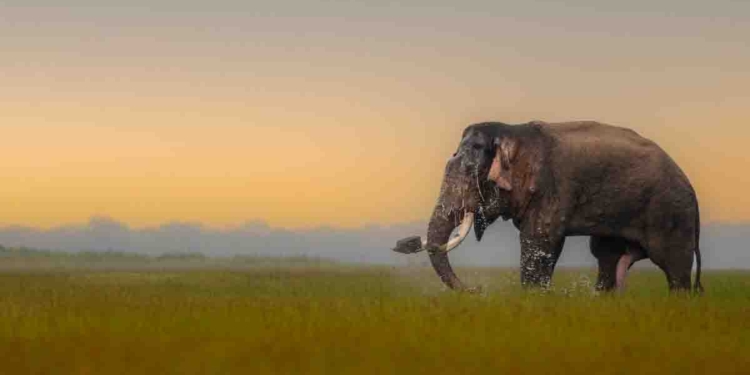
At the time of writing this article, more than 400 elephants have been killed in Sri Lanka. To date, authorities have remained silent on conducting a proper investigation or taking concrete action regarding these incidents. Alarmingly, 99% of these elephant deaths have been caused by human activities.
Nature has reacted harshly to destructive human actions such as deforestation, the blocking of natural waterways, mountain excavation, and unauthorized construction. If we, as a nation, fail to learn from these events and continue to neglect the implementation of sustainable environmental policies, it is inevitable that we will face even more severe natural disasters in the future.
So far, officials, authorities, and those in power have failed to provide lasting and effective solutions to these environmental crises. Proposals and recommendations presented by citizens and subject-matter experts remain ignored and discarded. This reflects a lack of genuine interest and commitment from decision-makers, who continue to rely on temporary and superficial measures rather than long-term solutions.
If even now the people of this country can understand that no matter how many fences or palaces are built, the destruction of the environment cannot escape the laws of nature, that realization alone would be a step in the right direction. Sri Lanka remains significantly behind in areas such as wildlife conservation, environmental literacy, and waste management. Informal development, unplanned settlements, and agriculture incompatible with modern technology further contribute to this crisis.
At Kele Kolam, we firmly believe that the time has come for the rulers and officials of our country—blessed with abundant natural resources and extraordinary biodiversity—to recognize the importance of environmental protection and the undeniable power of nature’s laws. It is essential to act decisively by enforcing necessary legislation at the right time to rebuild this beautiful nation. Failure to do so will undoubtedly condemn future generations to a country filled with sorrow and loss.
We at Kele Kolam sincerely hope that the year 2026 will offer us the opportunity to live in a country that is truly environment-friendly and in harmony with nature.

Saman Halloluwa