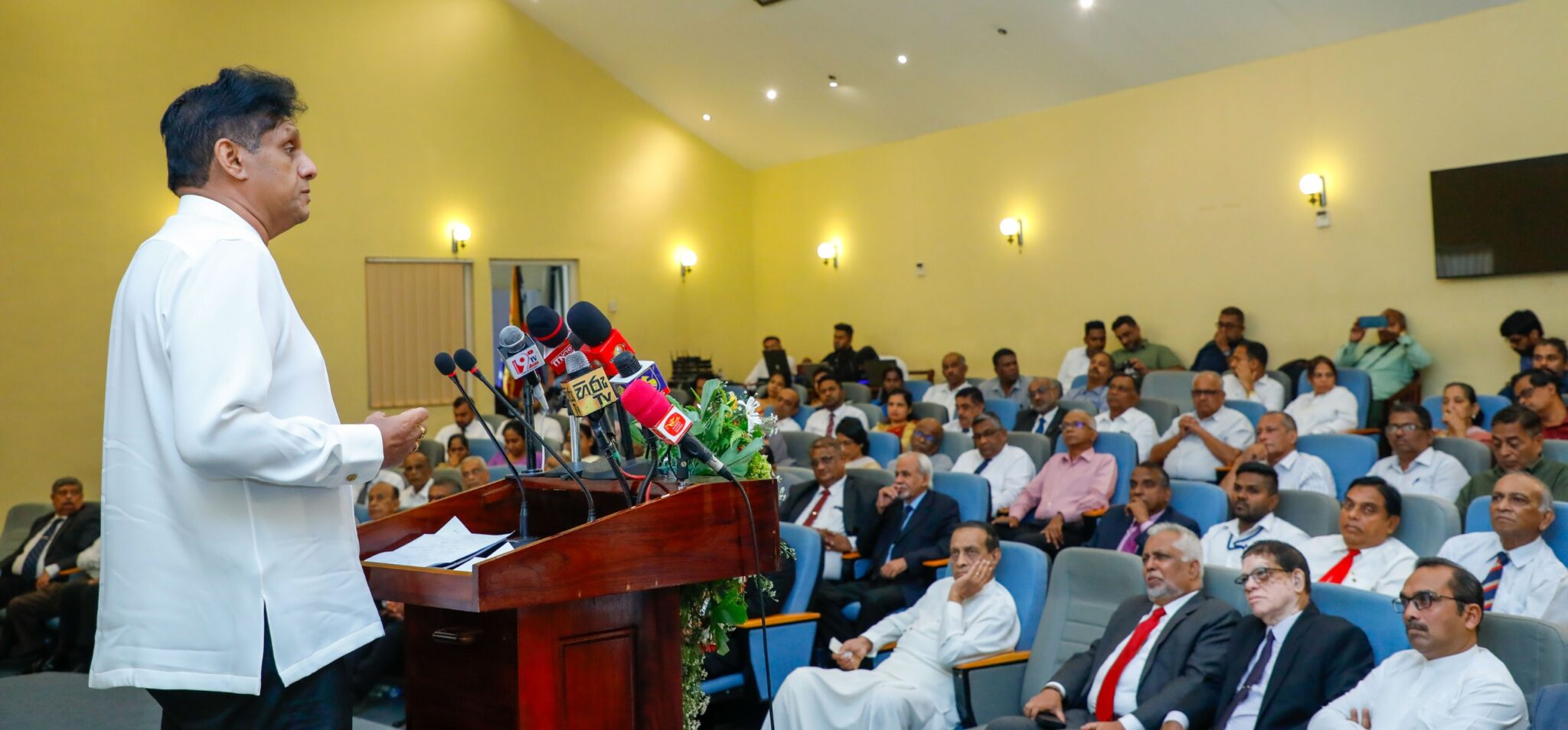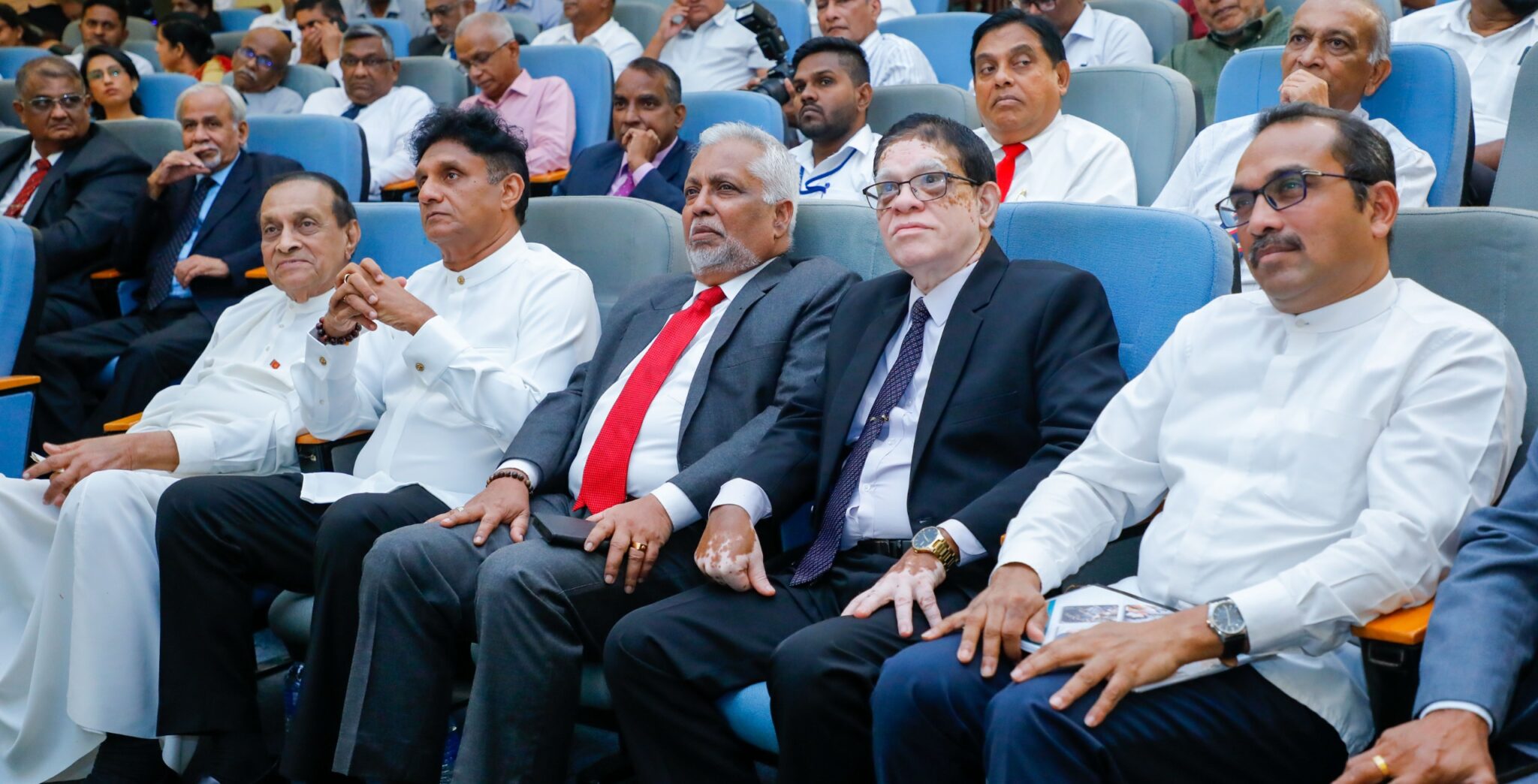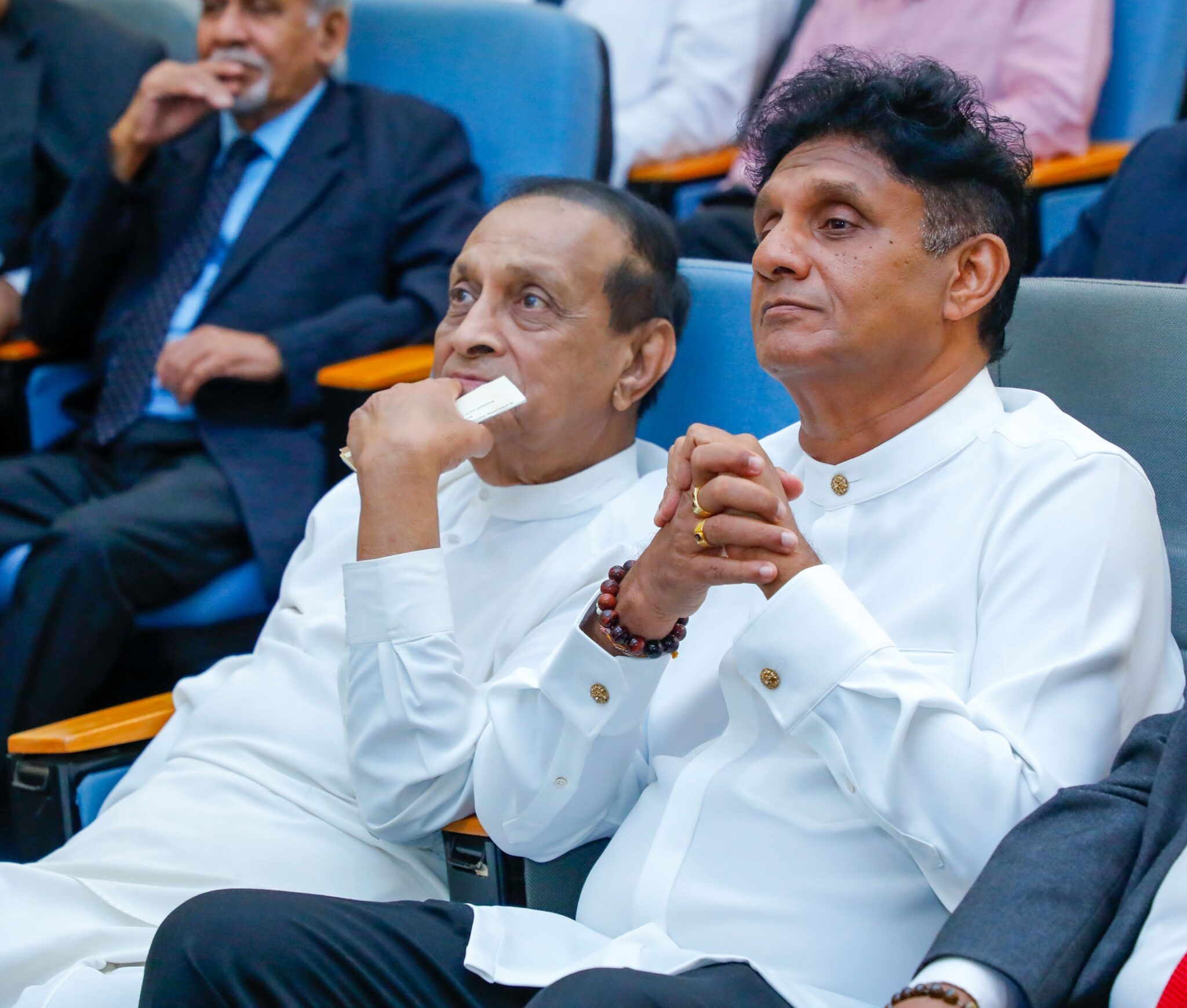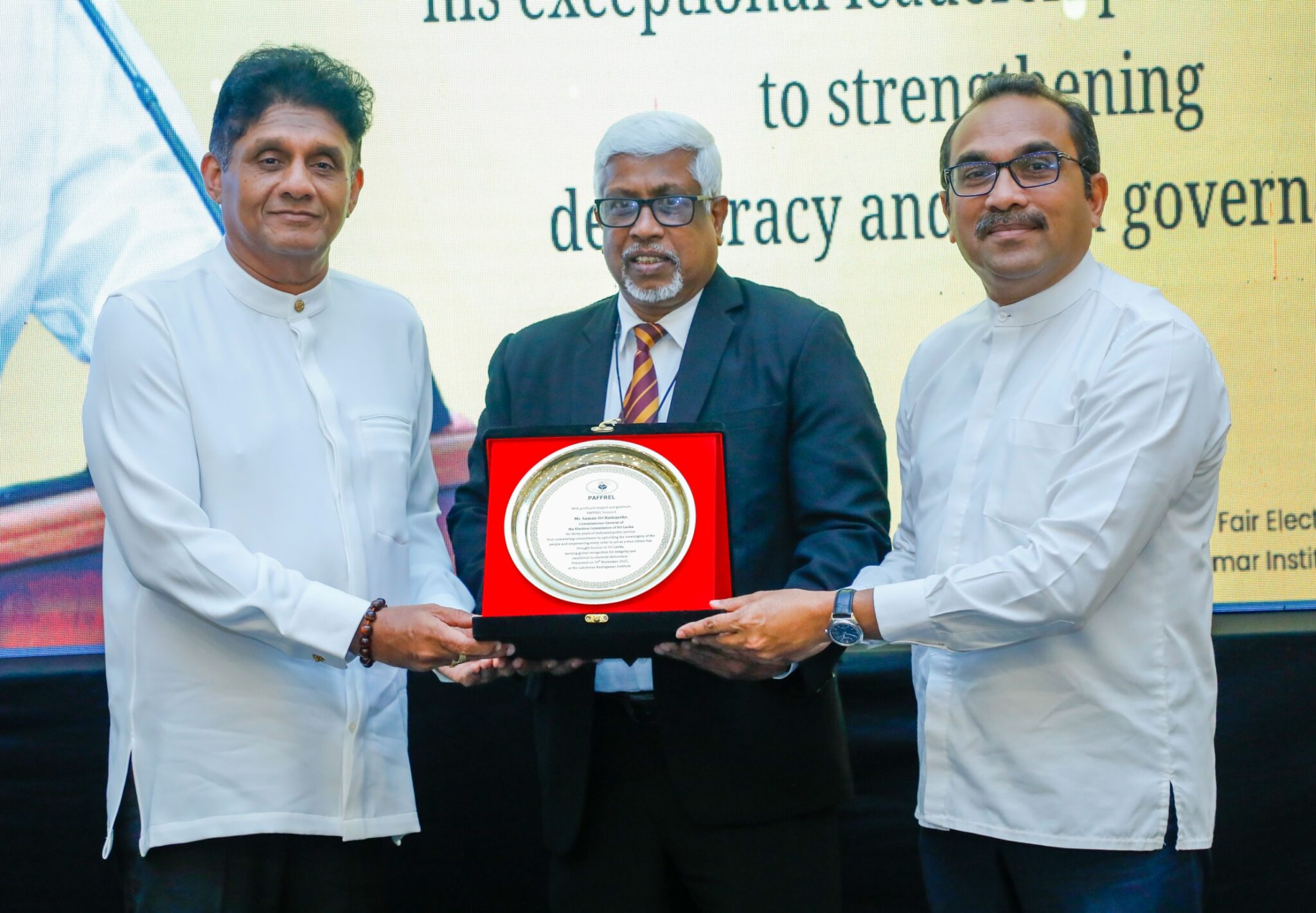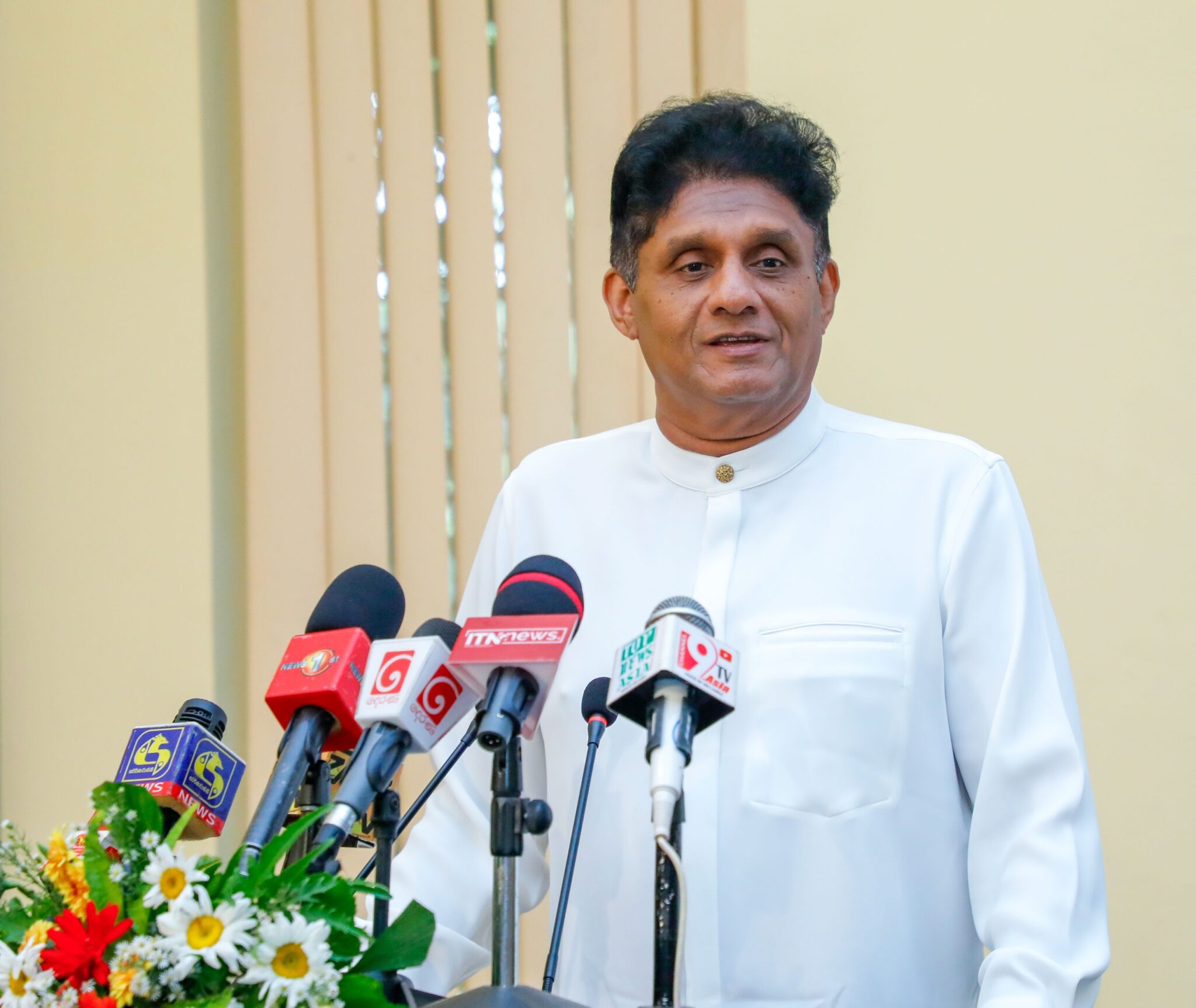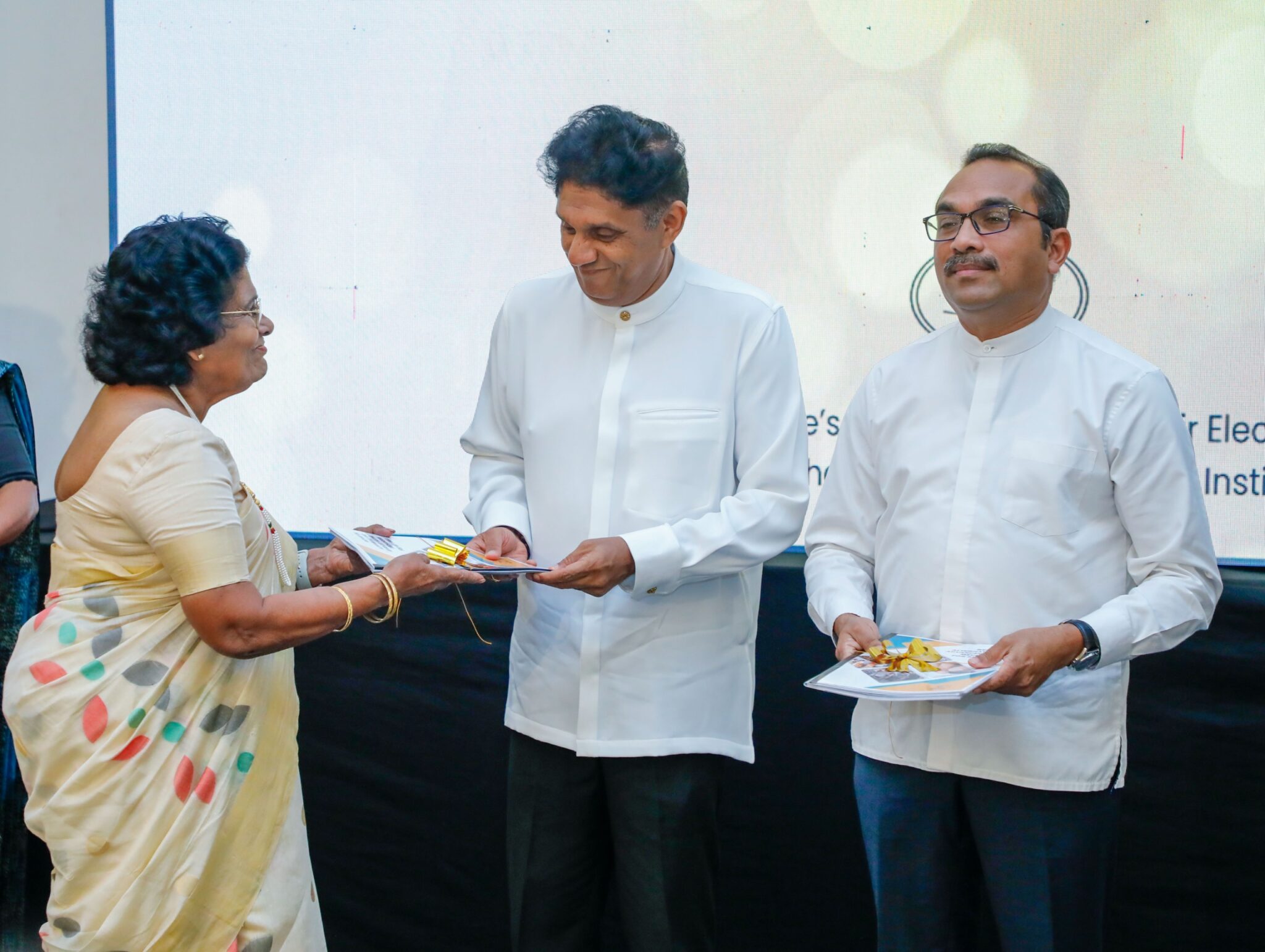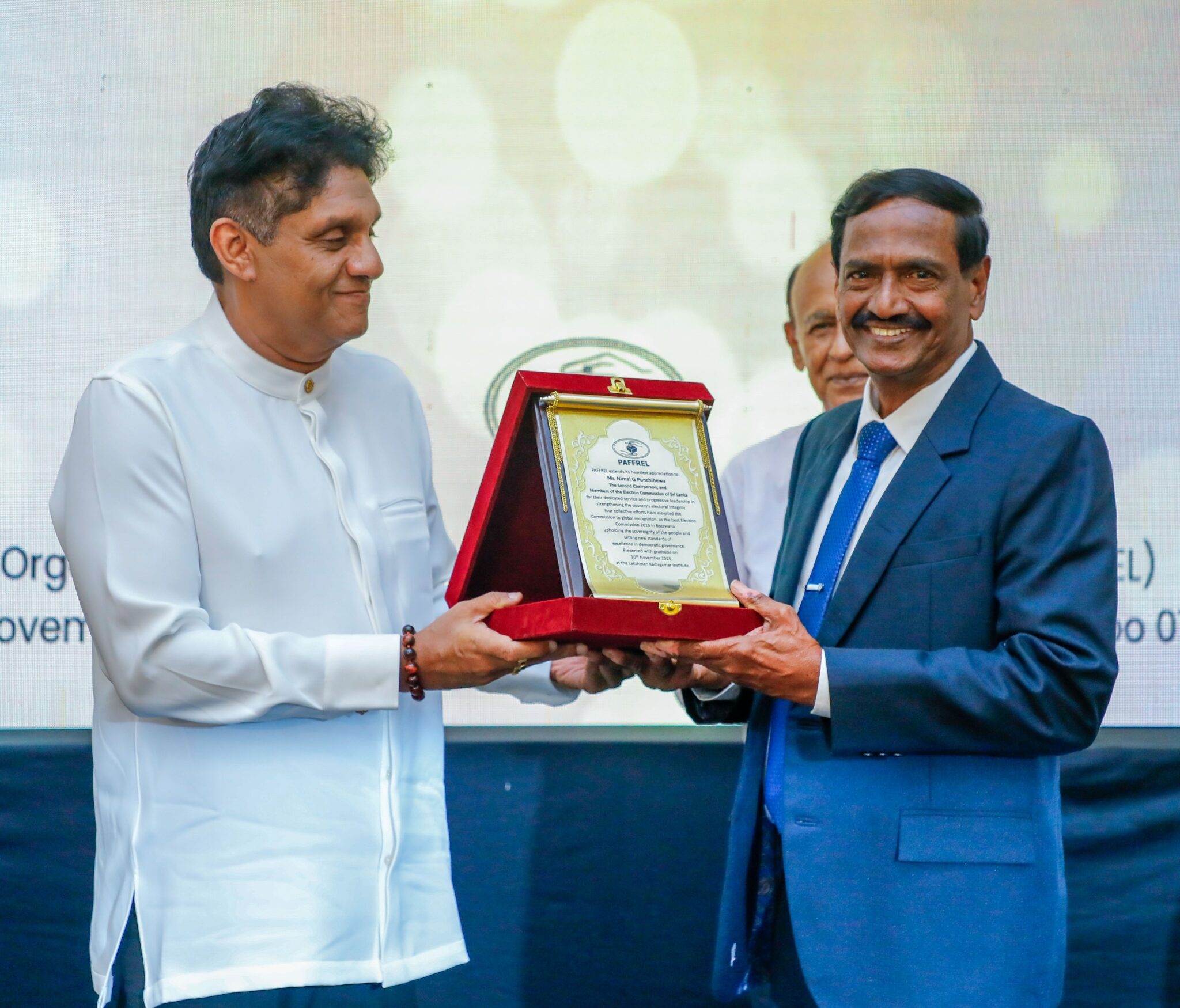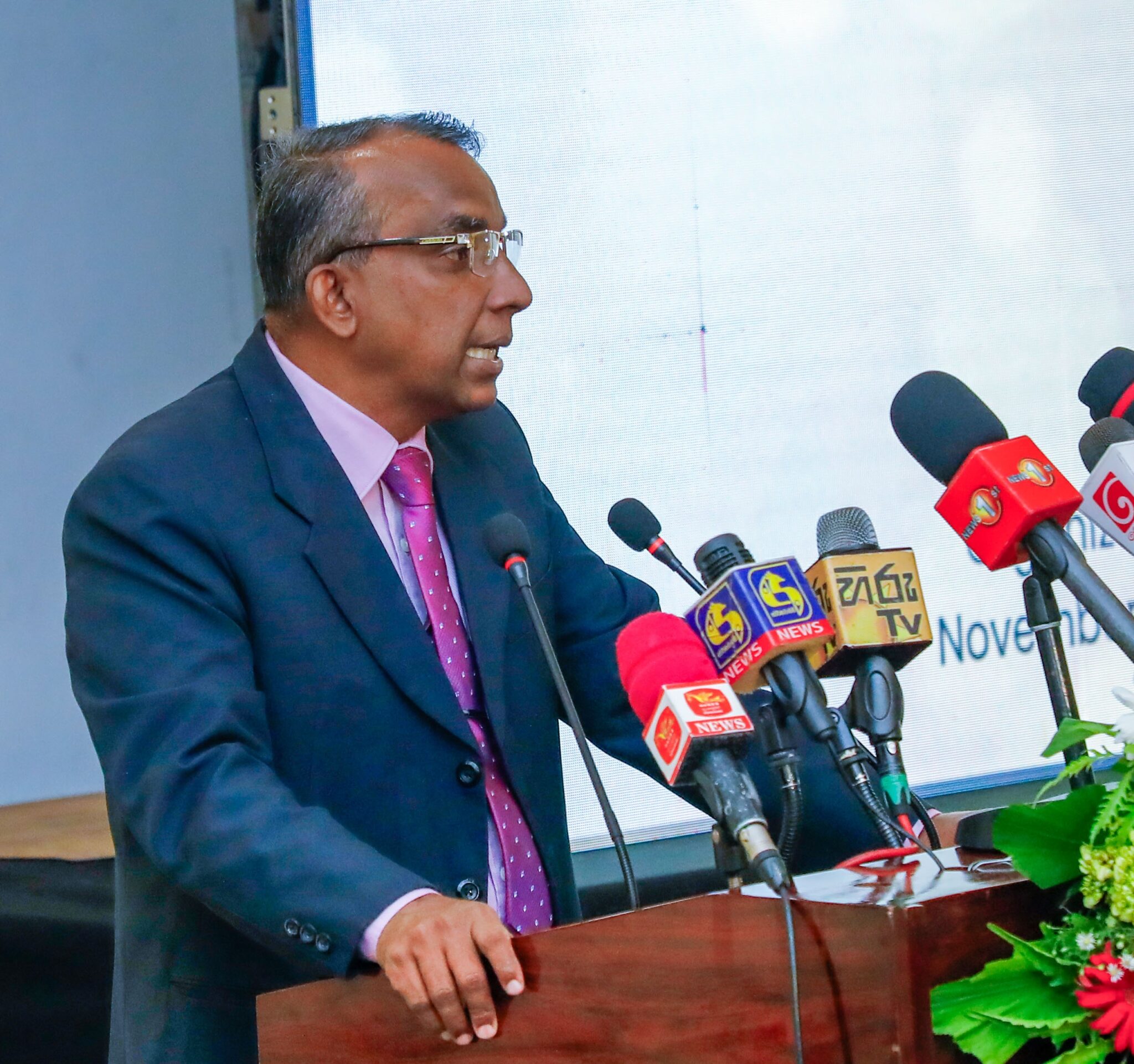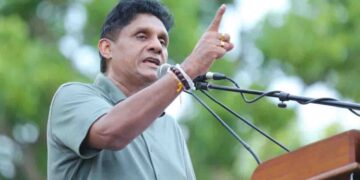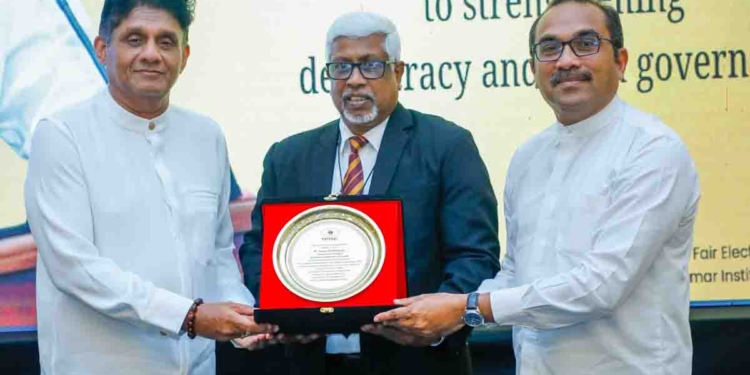
Opposition Leader Sajith Premadasa expressed his admiration for Sri Lanka’s Election Commission, stating that while India launched an exemplary Election Commission program in the 1950s, he is pleased that Sri Lanka’s Election Commission has now surpassed the electoral bodies of all democratic countries worldwide.
He emphasized that almost everyone within the Commission, including chairpersons and members, may hold political opinions. However, he noted that regardless of these affiliations, all members have gone beyond politics to uphold accountability, transparency, proper methodology, and the sovereignty of the people, and they deserve recognition for their efforts.
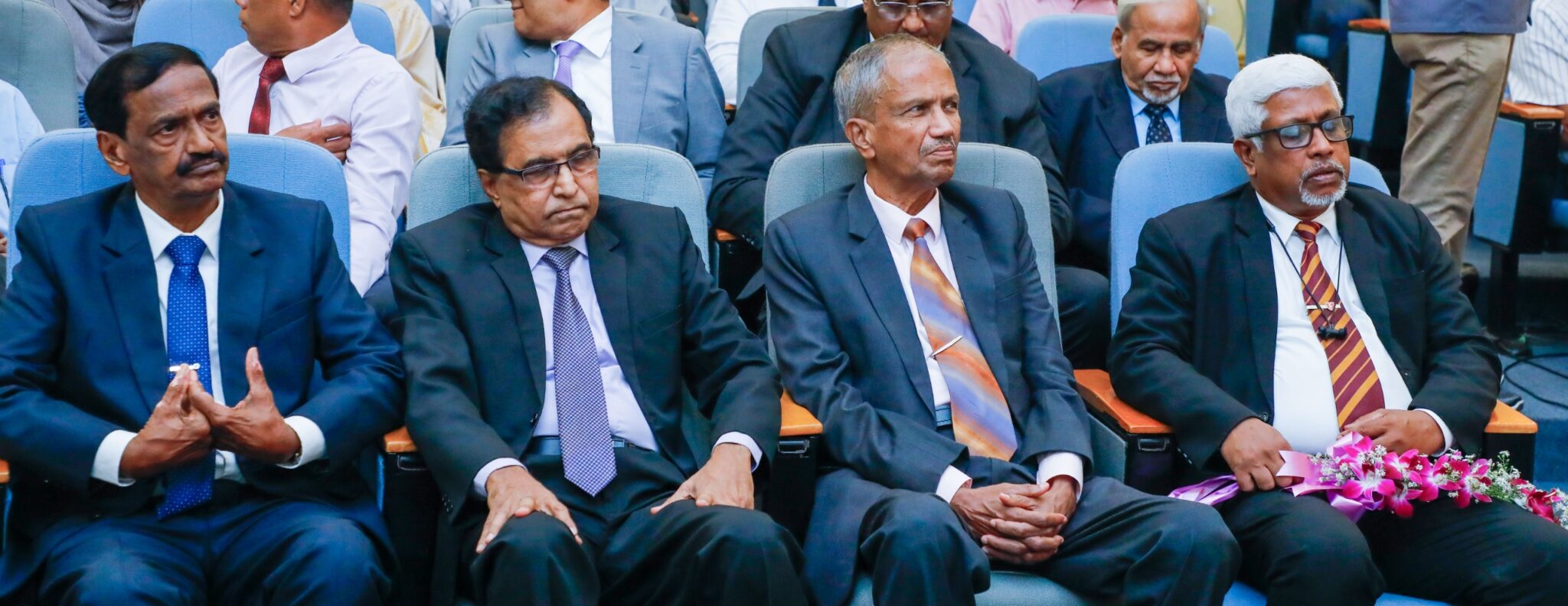
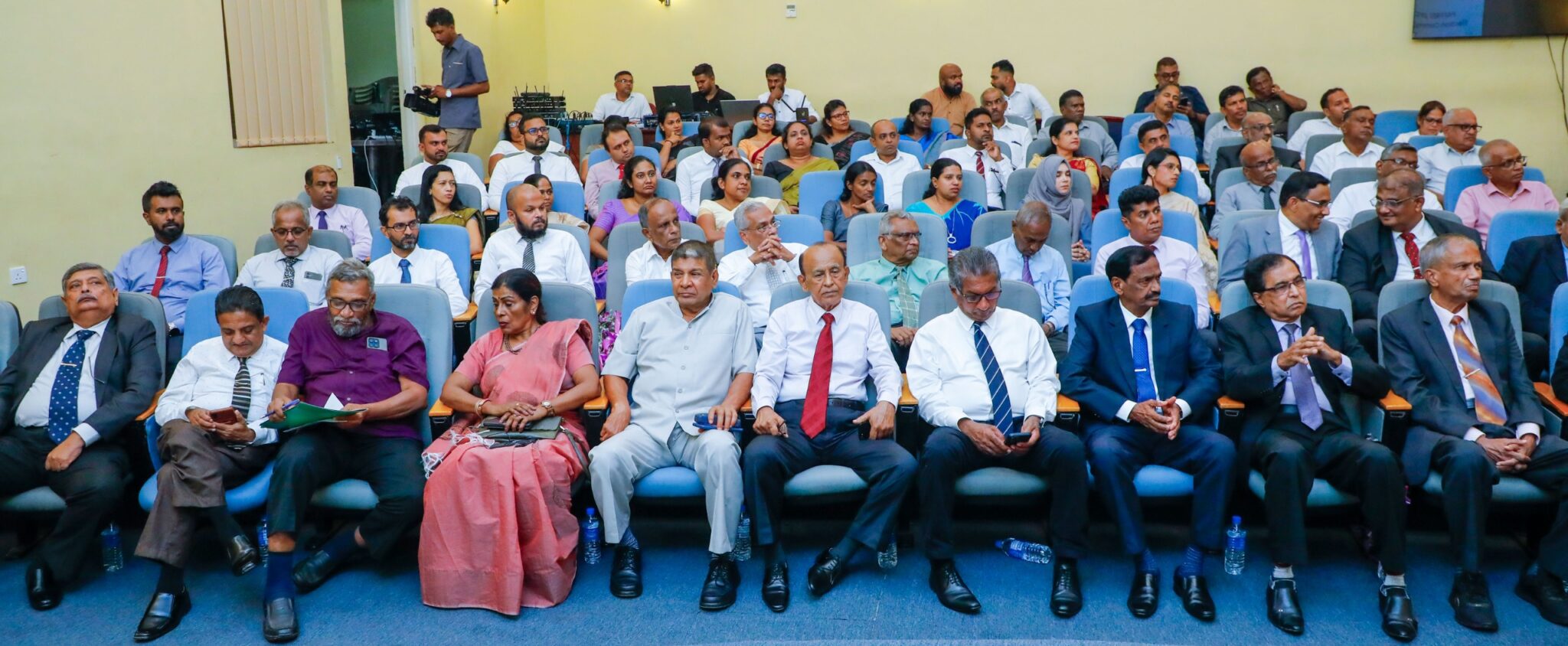
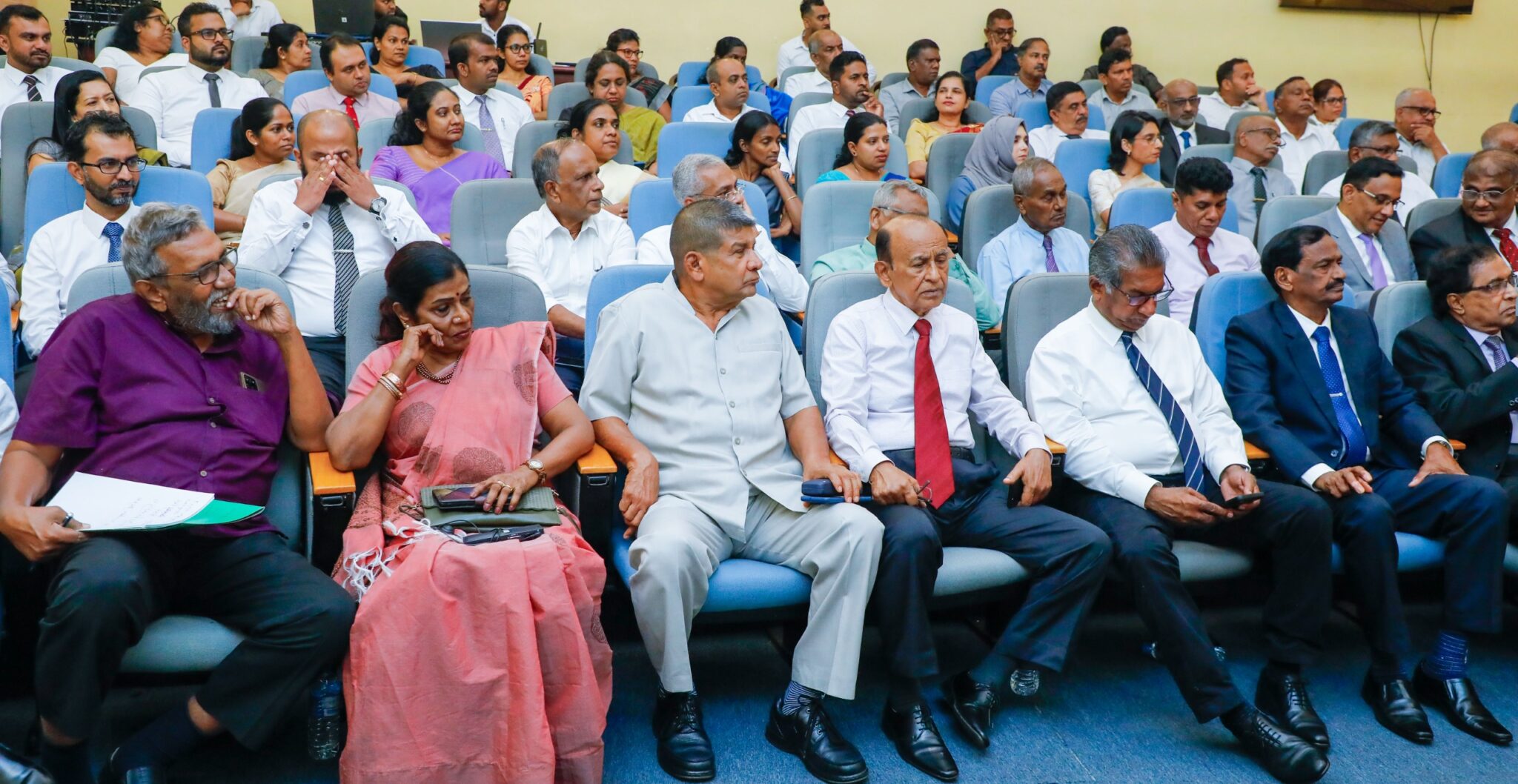
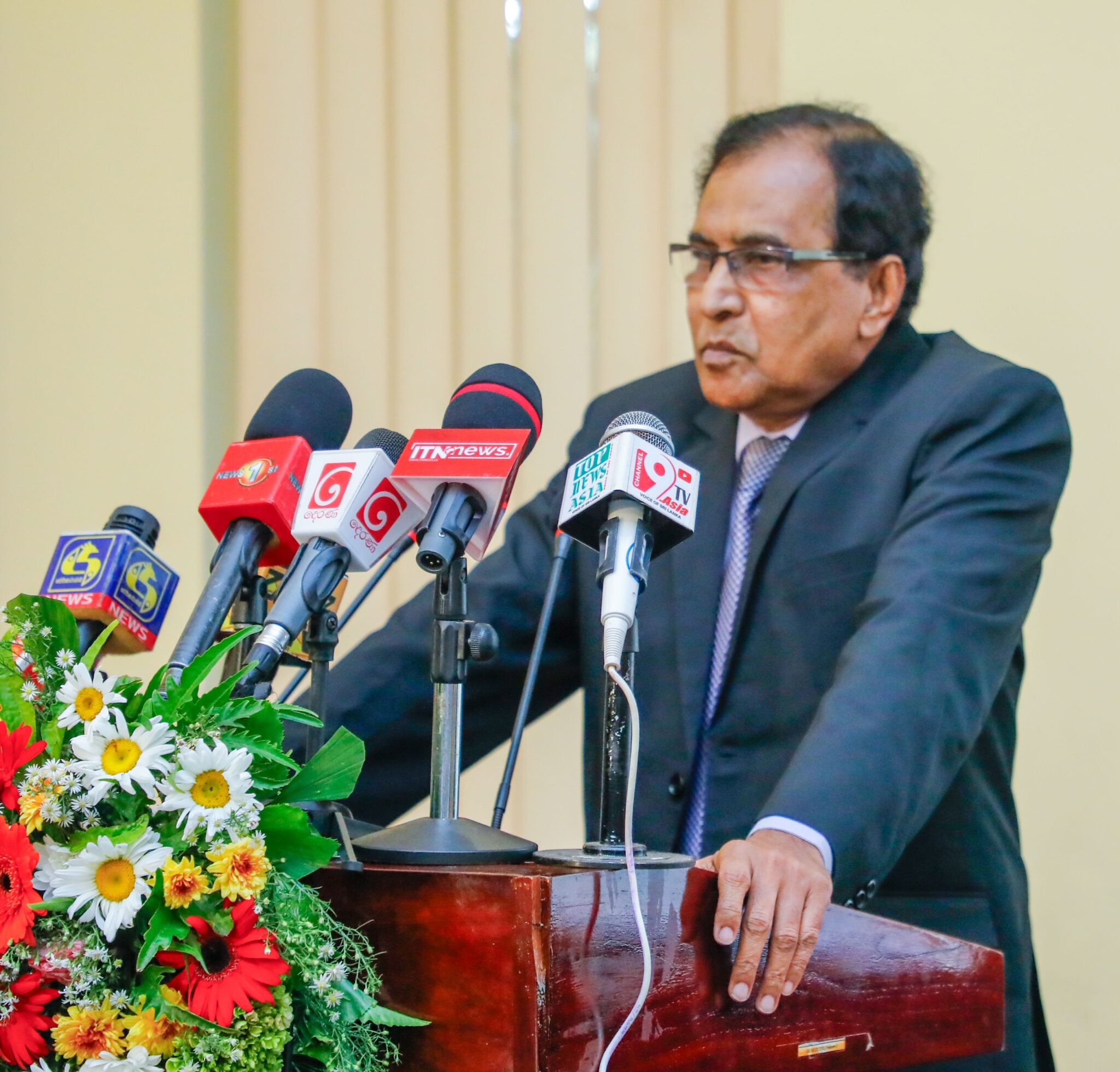
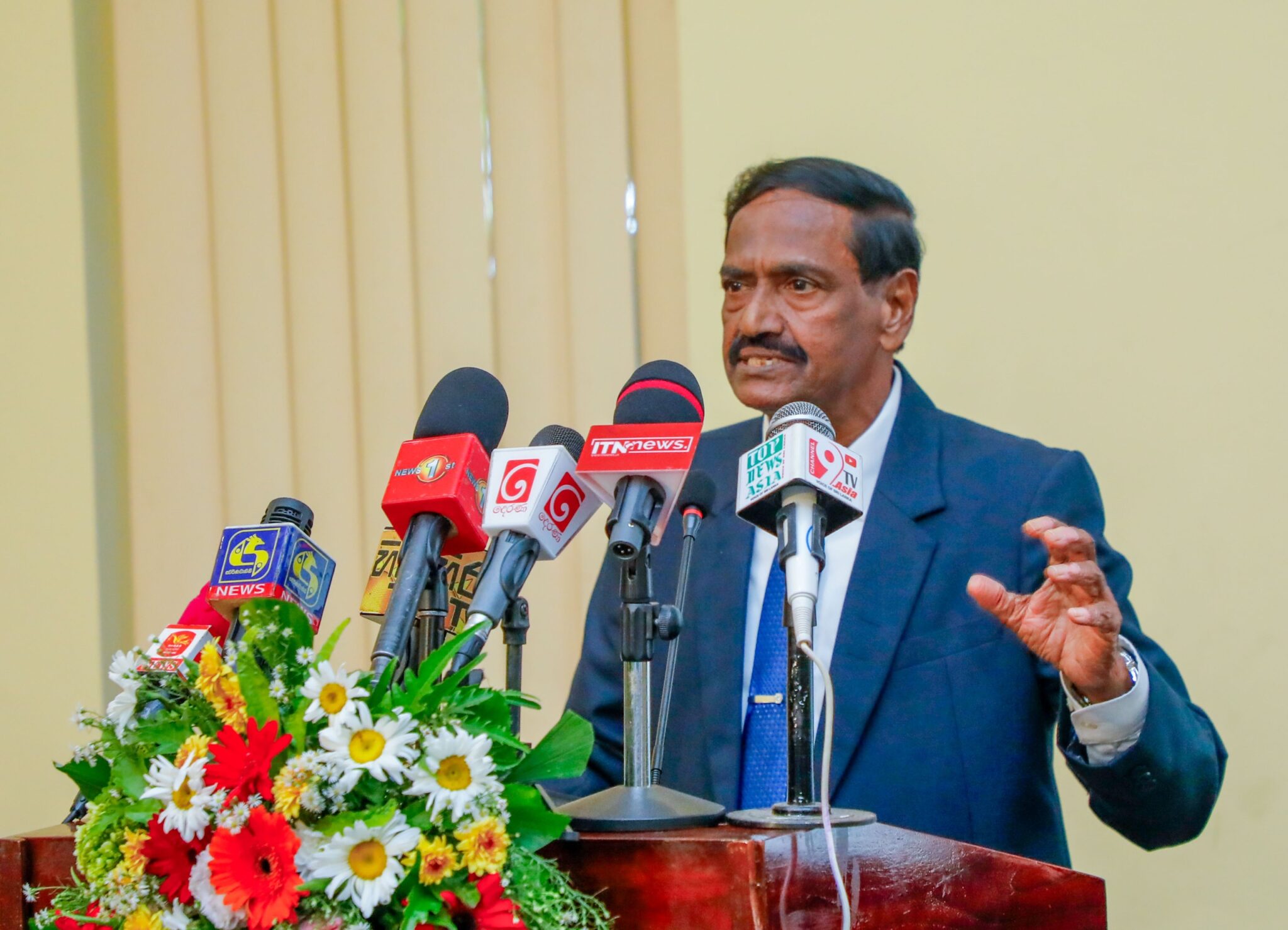
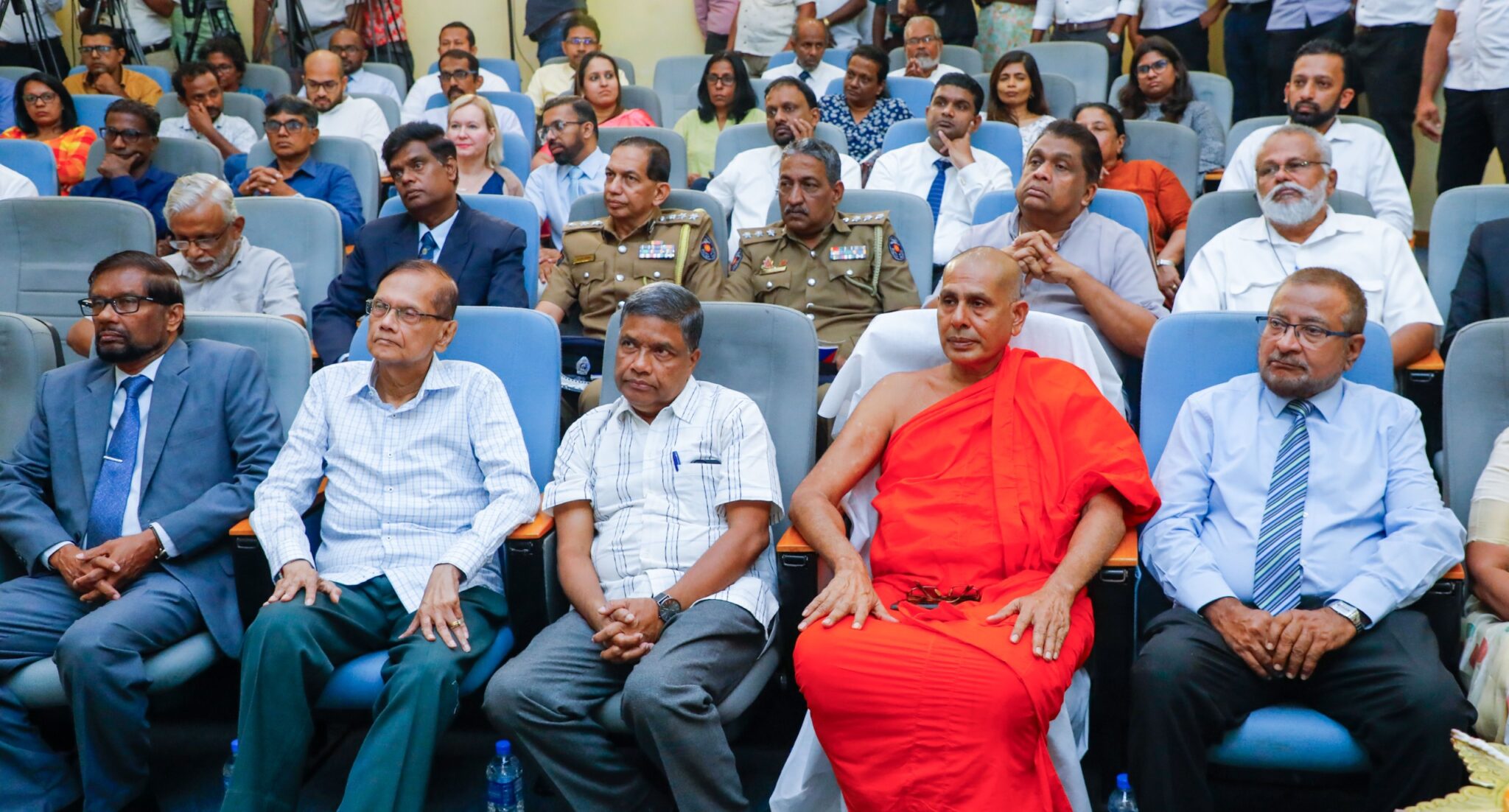
Premadasa made these remarks while addressing a meeting organized by the PAFFREL organization at the Lakshman Kadirgamar Institute today, which focused on discussing how Sri Lanka’s Election Commission has become one of the best in the world.
Highlighting the historical context, the Opposition Leader stated that, like in other countries, electoral institutions in Sri Lanka have experienced politicization over time. However, as democratic values matured and key principles gained recognition, these institutions gradually became independent. He described them as “guardian deities that protect democracy,” emphasizing that public trust in the system is crucial to strengthen people’s integrity, sovereignty, and aspirations.
Premadasa also acknowledged the challenges faced by election commissions, including combating misinformation and falsehoods. He expressed satisfaction that every commission has worked to provide protection and security to marginalized groups, including persons with disabilities and women, demonstrating responsibility and accountability. According to him, Sri Lanka’s Election Commission is now considered a “brand of excellence” in modern democracy.
He further praised the Commission for going beyond standard frameworks, maintaining accepted democratic values, and performing services that contribute to the country’s progress and the protection of democracy. Premadasa suggested that this international recognition should continue and proposed several measures to further strengthen the independence, transparency, responsibility, and accountability of the electoral system.
On the topic of election timing, the Opposition Leader recommended holding elections within fixed periods rather than leaving the schedule to the discretion of the incumbent government. He stressed that funding for elections should be constitutionally mandated and suggested exploring the possibility of mandatory voting to safeguard democracy and the sovereignty of the people. Additionally, he highlighted the need to protect voters’ rights in the face of ongoing technological transformations globally.