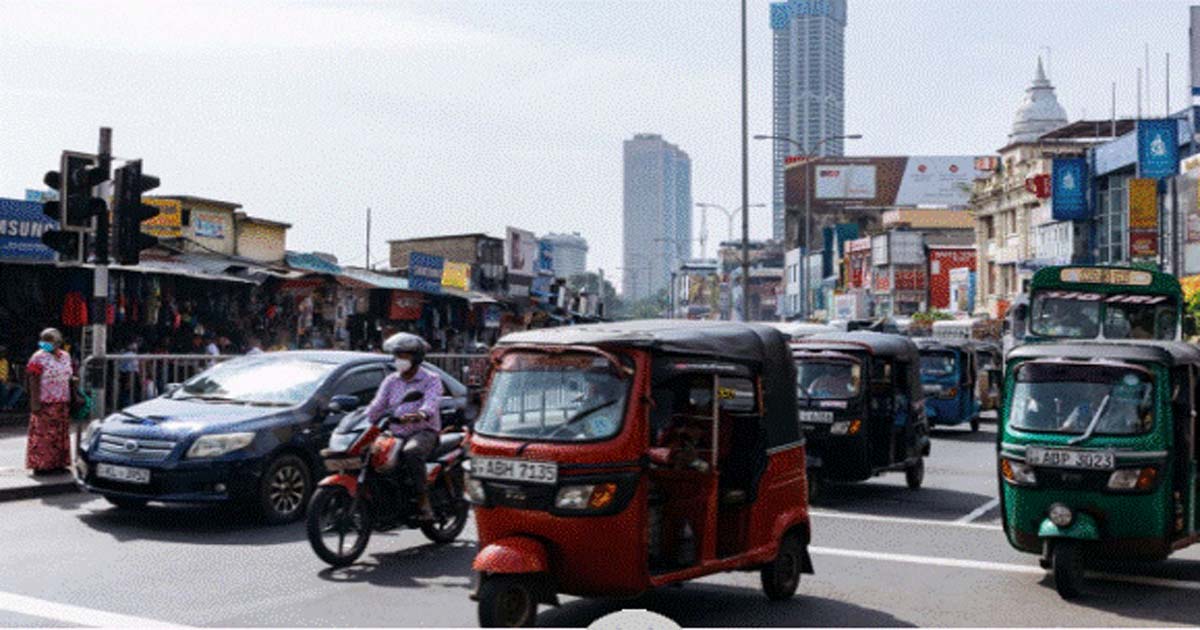
A recent visit to Sri Lanka exposed the author to the struggles of ordinary Sri Lankans as well as their resilience during times of adversity
Sri Lanka, a country known for its rich culture, pristine beaches, and warm hospitality, continues to face an unprecedented economic crisis today. The state of affairs is evident from the moment you step into the country. I experienced the changes first-hand when I arrived at the Bandaranayake Airport on 4 April, 2023.
The airport looked neat and clean with duty-free shops filled with wines and alcohol, but the changes became noticeable when we approached immigration.
Usually, Sri Lanka provides online visas for tourists and the application and approval are done online. In the past, upon arrival at immigration with an approved online visa, officials would affix a white-coloured visa sticker with a barcode onto the passport.
However, this time, the visa stamp was not there, just a stamp of the immigration arrival seal. The second blow came at the booth of a bank when we got about 330 Sri Lankan rupees against each dollar, which was significantly lower than a few years ago.
More changes lay ahead. When I purchased a local SIM card with an internet data package, the vendor did not give a paper-based receipt, but instead sent an SMS to my mobile phone to acknowledge the payment. Although seemingly insignificant, these changes, to me, reflected the resilience of the Sri Lankan people.
Until 2021, Sri Lanka was considered a country in a relatively better position than other South Asian countries in terms of social and economic indicators. The country had a higher ranking on the Human Development Index with a life expectancy of 77 years – the highest in the region.
But things turned for the worse. For the uninitiated, Sri Lanka underwent political instability, and high levels of public debt – on top of the reeling effects of the Covid-19 pandemic.
The country now has the highest inflation in the world, and the Sri Lankan rupee is trading at an all-time low. There is a severe shortage of food, fuel, essentials like medicines, and life-saving medical equipment. The situation is so dire that students were unable to write their exams due to a lack of paper and ink. Many citizens have died after long hours of waiting for fuel and groceries.
Despite these challenges, the people continue to persevere. On the streets of Colombo, I witnessed how car drivers were giving way to pedestrians passing by, and how they were welcoming others with a smile and “Ayubhuwaan” (long live). These small acts of kindness and generosity in the face of adversity give me hope for the country’s future.
In Negombo, a city located just half an hour from the capital by car, I found the streets near the beach areas full of lights and bustling with people. While there may not be as many tourists as before, the restaurants are still filled with locals and foreigners alike, which is on track to recover. The sight of people cheering and enjoying themselves at the blue swimming pool and on the beach near the beach resorts and hotels also gives hope.
The Sri Lankan crisis provides a stark reminder of the dangers of short-sighted politics. The country’s economy suffered a major blow due to policies that aimed to provide free stuff to the population in return for votes. The Sri Lankan government reduced taxes to gain popular support, but this decision turned out to be disastrous in the long run, as it deprived the country of the much-needed revenue to sustain its economy.
The Rajapaksa family’s control over 75% of the country’s budget led to their misuse of power and the destruction of the country’s economy. Unfortunately, the citizens of Sri Lanka ignored the corruption charges against the family and elected them again.
The Sri Lankan crisis teaches us the importance of not losing focus on the key sectors and industries of the economy. The tourism and agricultural sectors were crucial to the country’s GDP, but unpredictable circumstances such as the Covid-19 pandemic, ongoing war and Easter bombings (2019 in Sri Lanka) dealt a severe blow to the tourism industry.
On the other hand, the government’s mismanagement and incompetent decisions killed the agricultural sector. The lesson learned from this crisis is that a country should never lose focus on its core revenue sources and have a strong hold on them. Another lesson is the need to be cautious of foreign debt, because there is always a risk of falling into a debt trap.
The Sri Lankan crisis underscores the importance of keeping spending in check. While investments in infrastructure and essential sectors are necessary for growth, such investments should be viable and made after a thorough cost-benefit analysis. When resources are limited, it is essential to spend wisely and prioritise investments that have a long-term view, taking into account the consequences of failure if any.
And it is crucial for policymakers and regulators to be mindful of the possibility of “strategic misrepresentation” when undertaking significant development projects. Moreover, it is essential to have the courage to resist succumbing to the “sunk-cost fallacy.”
Source: tbsnews.net