

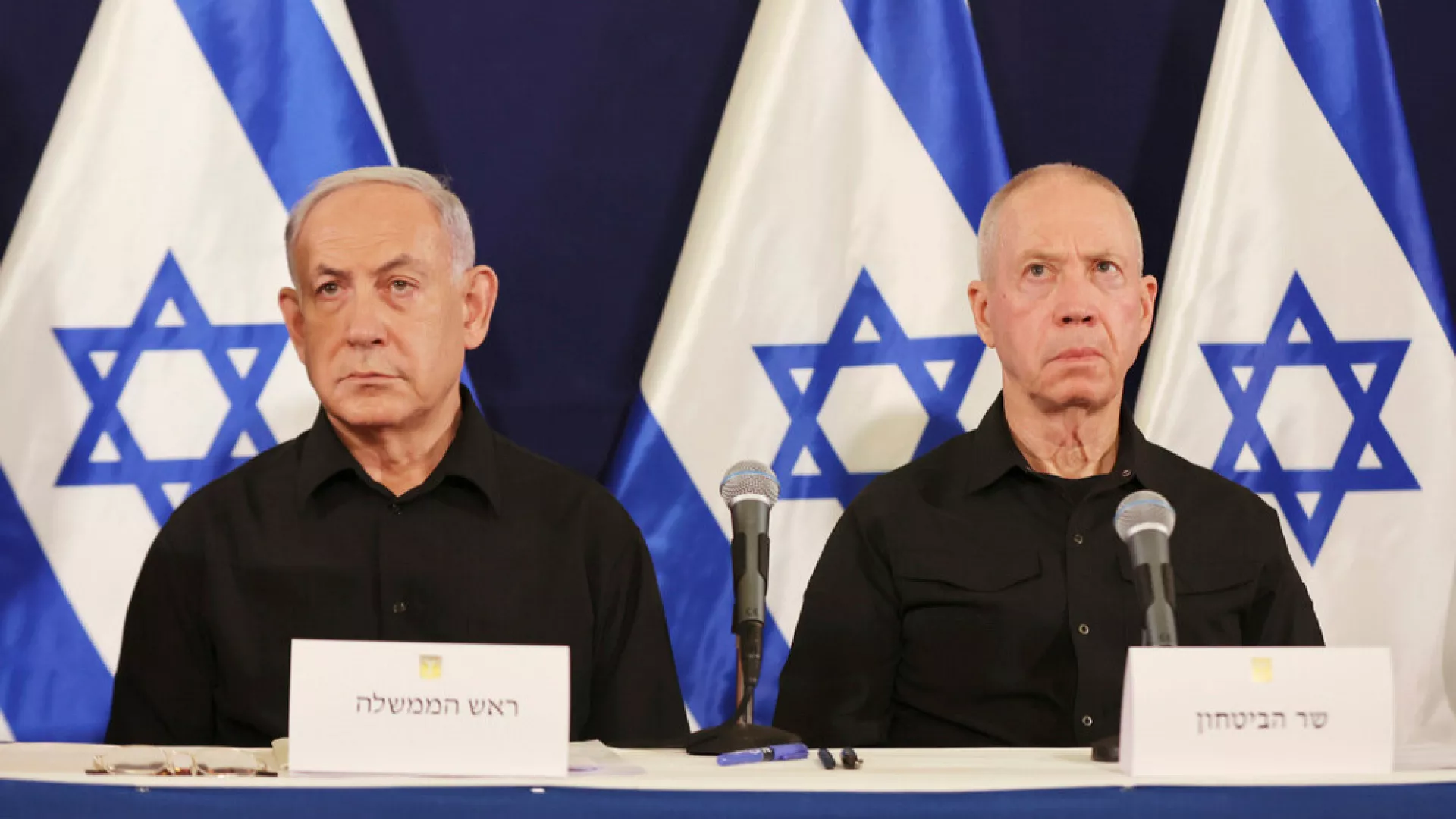
The International Criminal Court (ICC) has issued arrest warrants for Israeli Prime Minister Benjamin Netanyahu, Defense Minister Yoav Gallant, and Hamas military commander Mohammed Deif, citing serious allegations of war crimes and crimes against humanity.
Allegations Against Netanyahu and Gallant
According to the ICC’s Pre-Trial Chamber I, there are reasonable grounds to believe that Netanyahu and Gallant bear criminal responsibility as co-perpetrators for multiple offenses. These include the war crime of using starvation as a method of warfare and crimes against humanity, such as murder, persecution, and other inhumane acts.
This decision follows the ICC’s rejection of Israel’s objections to its jurisdiction over the matter.
Charges Against Hamas Commander
The ICC has also issued an arrest warrant for Mohammed Deif, the Hamas military leader, alleging his involvement in crimes against humanity and war crimes. These include murder, extermination, torture, rape, and other forms of sexual violence, as well as cruel treatment, taking hostages, and outrages upon personal dignity.
Israel has claimed that Deif was killed in an airstrike in Gaza in July. However, the ICC stated it is still verifying his status, as his death remains unconfirmed as of November 15.
Continued Investigations
The ICC emphasized that its investigation into the ongoing conflict is active and additional arrest warrants may follow. Prosecutors had previously sought warrants for other senior Hamas leaders, Ismail Haniyeh and Yahya Sinwar, but withdrew these requests after confirming their deaths.
Transparency in the Interest of Victims
While the arrest warrants are classified as “secret” to protect witnesses and ensure the integrity of ongoing investigations, the ICC decided to release some details publicly. This decision was influenced by the ongoing conflict in the Occupied Palestinian Territory, particularly the continued holding of hostages in Gaza.
“The Chamber considers it is also in the interest of victims and their families to be aware of the warrant’s existence,” the Court stated.
About the ICC
The International Criminal Court operates independently from the United Nations but maintains a cooperative relationship. Established by the Rome Statute in 1998, which came into effect in 2002, the ICC serves as a judicial body to address serious international crimes and hold individuals accountable when national courts are unable or unwilling to act.
The Court continues to gather evidence and pursue accountability for alleged violations of international law amidst the conflict.