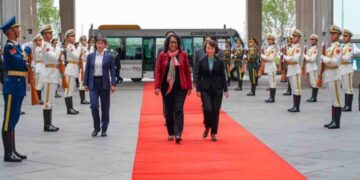

Following the 2024 general elections, the Chinese ambassador made notable comments regarding the NPP’s victory in Jaffna, stating:
“The fact that the NPP won the election in Jaffna shows that the Tamil community has gone beyond traditional protests. They are now considering the larger national context and striving to foster broader and closer cooperation for the future. We are very pleased to see this, and it is also something China is very happy to see.”
“This demonstrates that the Tamil community has embraced larger aspirations and is looking toward the future. It shows that all groups, ethnicities, religions, and communities are now working together in unity.”
These statements suggest the ambassador may have interpreted the results as indicating a shift away from Indian influence in the North and East, potentially creating opportunities for Chinese engagement in these regions.
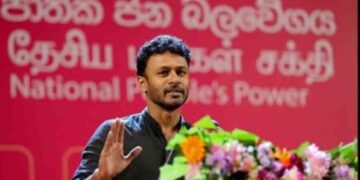
The NPP leadership was similarly enthused by their electoral success in the North and East, viewing it as unprecedented for a southern-based political party. The government effectively showcased this victory in diplomatic engagements with the United States and European nations.
During discussions regarding American tariffs and IMF agreements, government representatives emphasized their success in winning northern loyalty as a significant accomplishment, noting that the war-affected northern population had entrusted the NPP with their economic empowerment.
This political shift intrigued not only China but also the United States and European nations, who had historically attempted to collaborate with the central government while supporting northern Tamil parties to reach compromises for regional development. They perceived a fundamental change in the northern electorate’s rejection of traditional Tamil parties in favor of the central government.
During his visit to India, when asked by the Indian Prime Minister about implementing the 13th amendment, Anura Kumara responded that such measures were unnecessary given the mandate his government had received from Tamil voters.
To maintain this international perception following the Local Government elections, President Anura Kumara participated in an unusually high number of campaign rallies across the North and East provinces. The NPP also promoted what some considered pro-LTTE messaging through their MPs, including songs referencing the erection of Prabhakaran’s statue and establishing infrastructure named after his parents.
However, the NPP failed to achieve their expected results in the North and East during these elections. The Tamil vote, which had briefly served as a valuable geopolitical asset for the NPP, appeared to have a limited political lifespan of only six months.