

The Iranian leadership is tightening its hold on power despite sustained military pressure, according to recent U.S. intelligence assessments. After more than two weeks of relentless airstrikes, officials believe the regime in Iran is unlikely to collapse in the near term. Instead, it is emerging weakened—but more rigid and uncompromising.
At the center of this consolidation is the Islamic Revolutionary Guard Corps (IRGC), which is increasingly asserting dominance over the country’s political and security landscape. Intelligence officials suggest that as external pressure mounts, the IRGC’s influence is expanding, effectively sidelining moderate voices within the government.
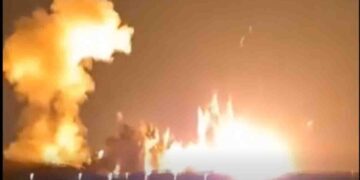
While the air campaign has inflicted damage on infrastructure and military assets, it has not achieved a decisive political breakthrough. Analysts warn that the strikes may, in fact, be reinforcing hard-line elements in Tehran, strengthening their narrative of resistance against foreign aggression.
The emerging picture is one of a regime that, though bruised, is far from broken. Instead of fracturing, the power structure appears to be consolidating—raising concerns that future policies from Tehran could become more defiant, less flexible, and increasingly driven by security priorities.
For now, U.S. officials assess that any hopes of rapid political change in Iran remain unlikely, as the leadership doubles down and prepares for a prolonged period of confrontation.