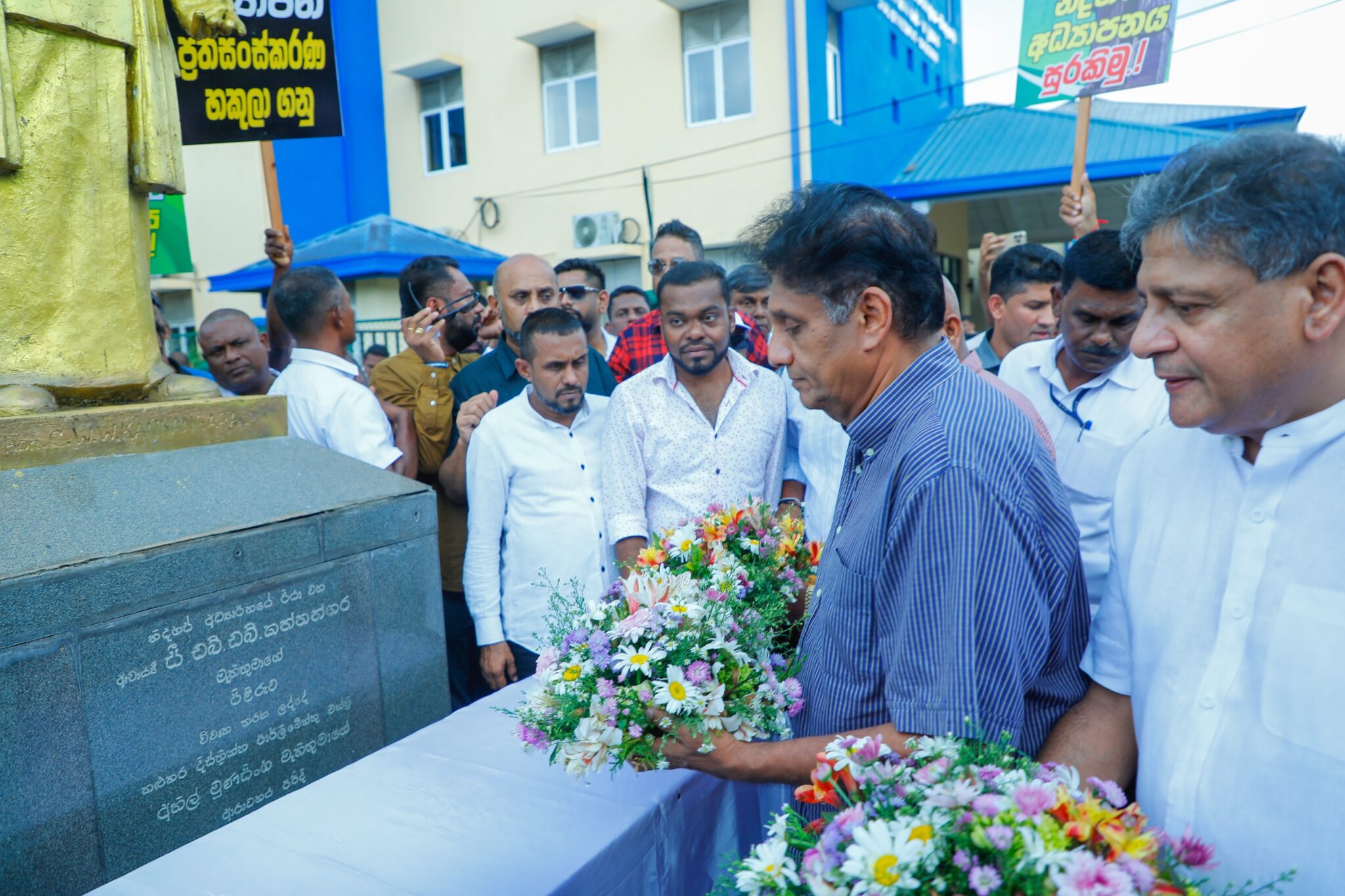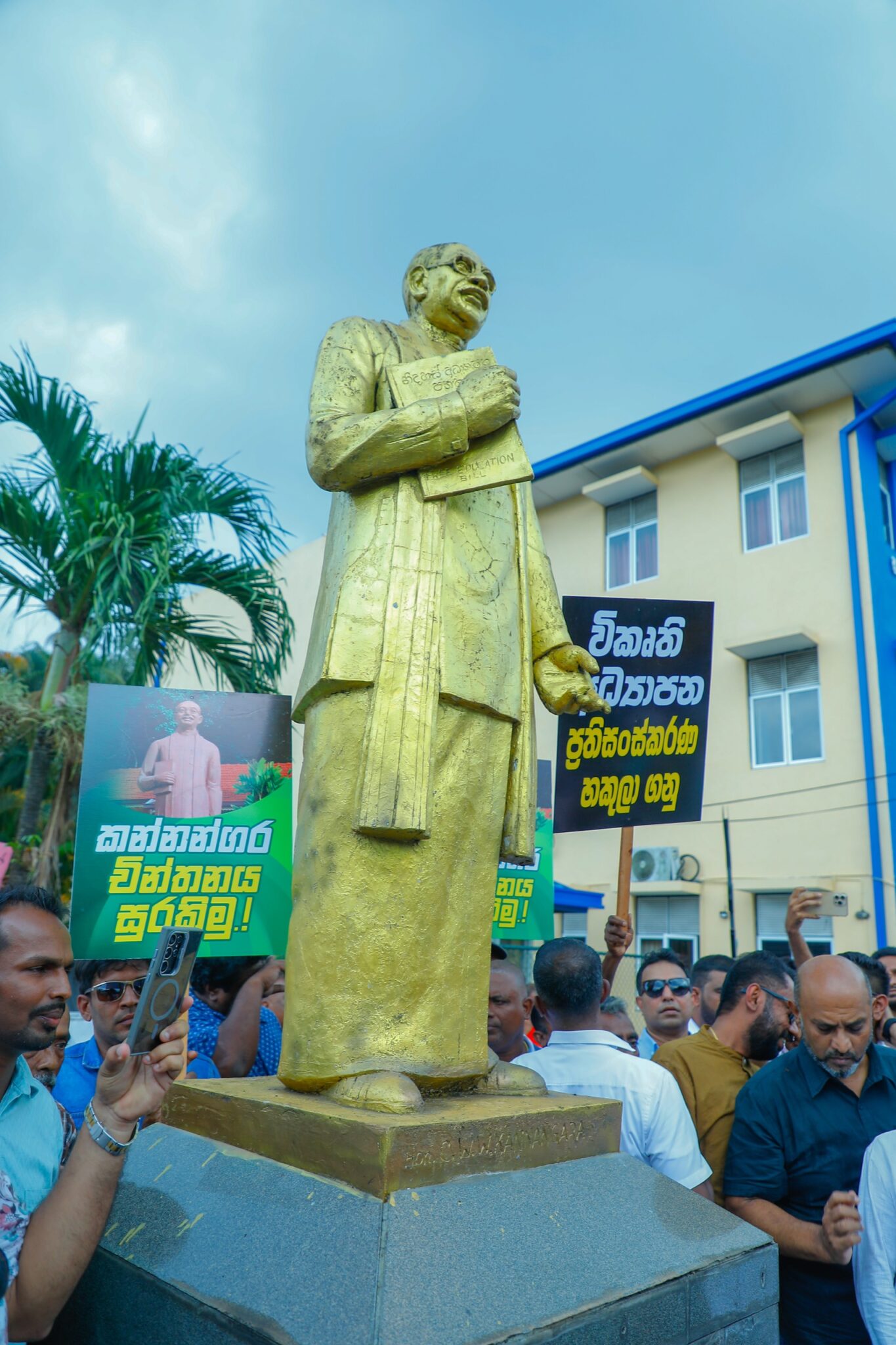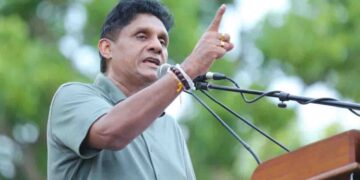


The Opposition Leader stated that Sri Lanka’s literacy rate and economy improved, maternal and child mortality rates declined, and life expectancy increased because all these areas advanced due to the country’s free education system. He emphasized that Mr. C. W. W. Kannangara had to engage in a major struggle to introduce the concept of free, universal education. At that time, elite and wealthy groups with family-based power structures opposed it, claiming that if free education were introduced, they would lose the laborers who plucked coconuts on their estates. Despite such resistance from the elite and capitalist classes, free education was established by overcoming these obstacles, the Opposition Leader said.
He further stated that while free education must be strengthened, protected, and safeguarded, the education sector should also be modernized without losing national identity, village values, urban culture, history, and civilization. He stressed that access to smart boards, tablets, and computers should not be limited only to the children of those who can afford them, but that all 4.1 million students within the free education system should have this right. While reforms should preserve national identity, civilization, and culture, he warned that if education continues in its current direction, it has no future.
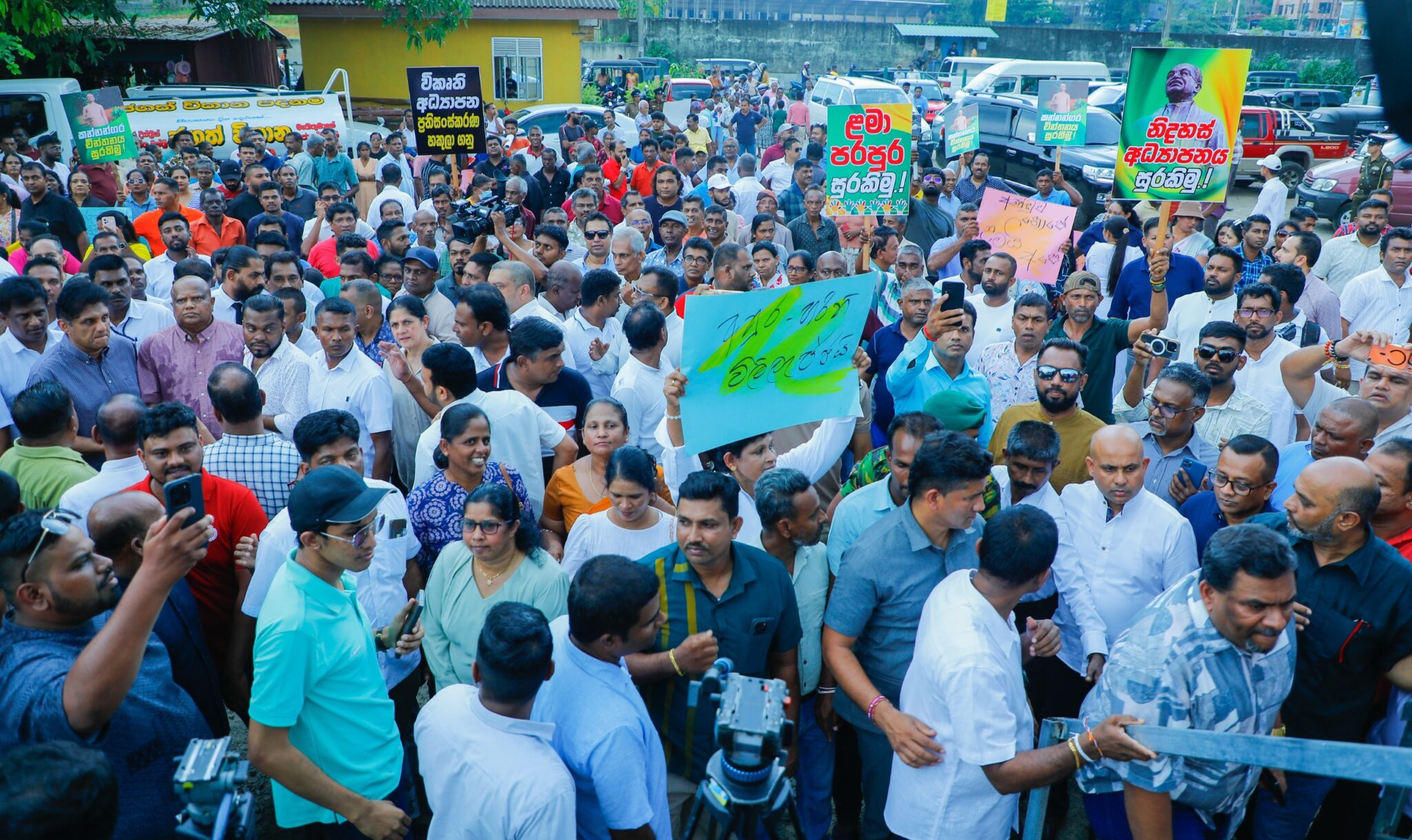
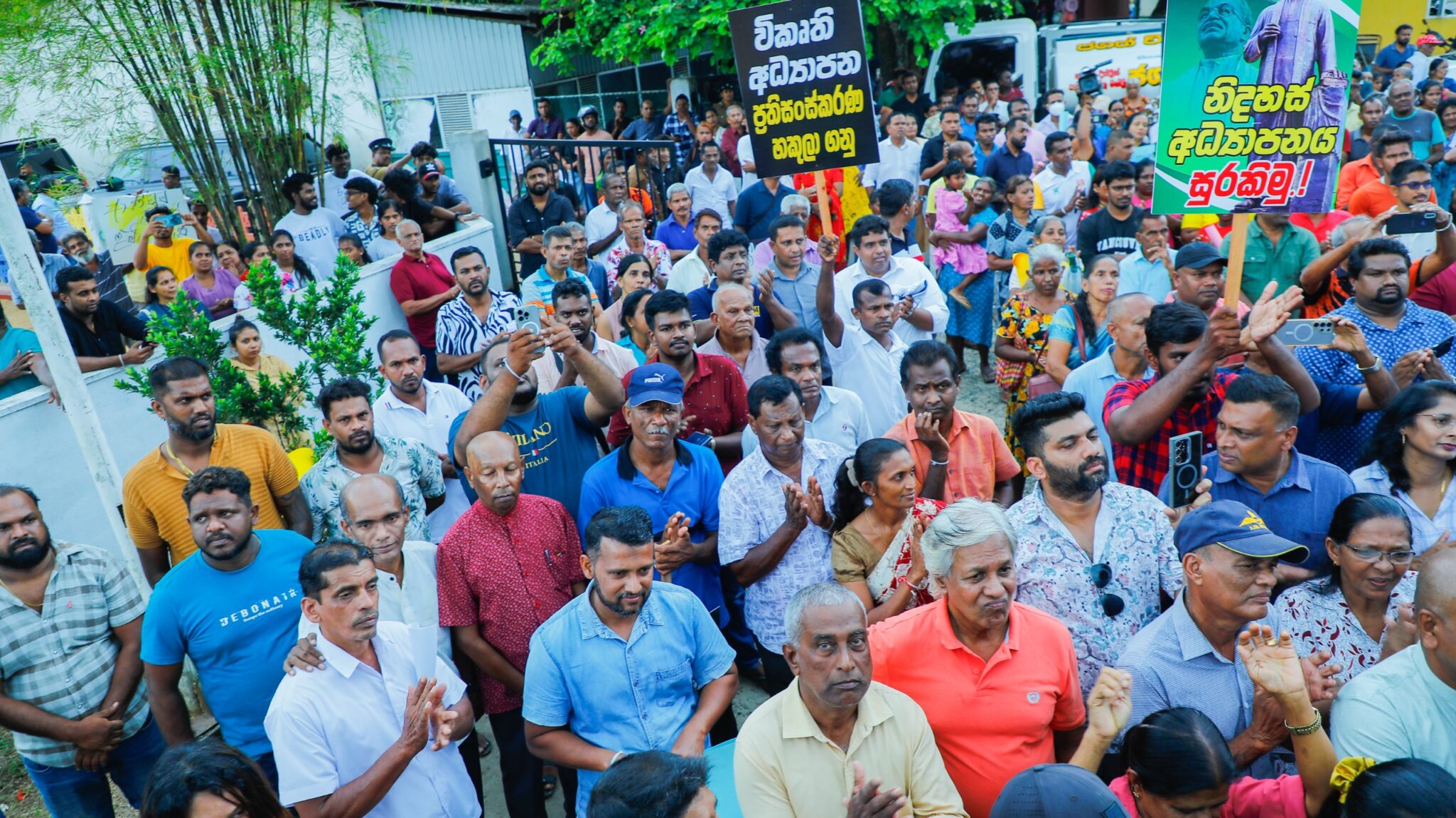
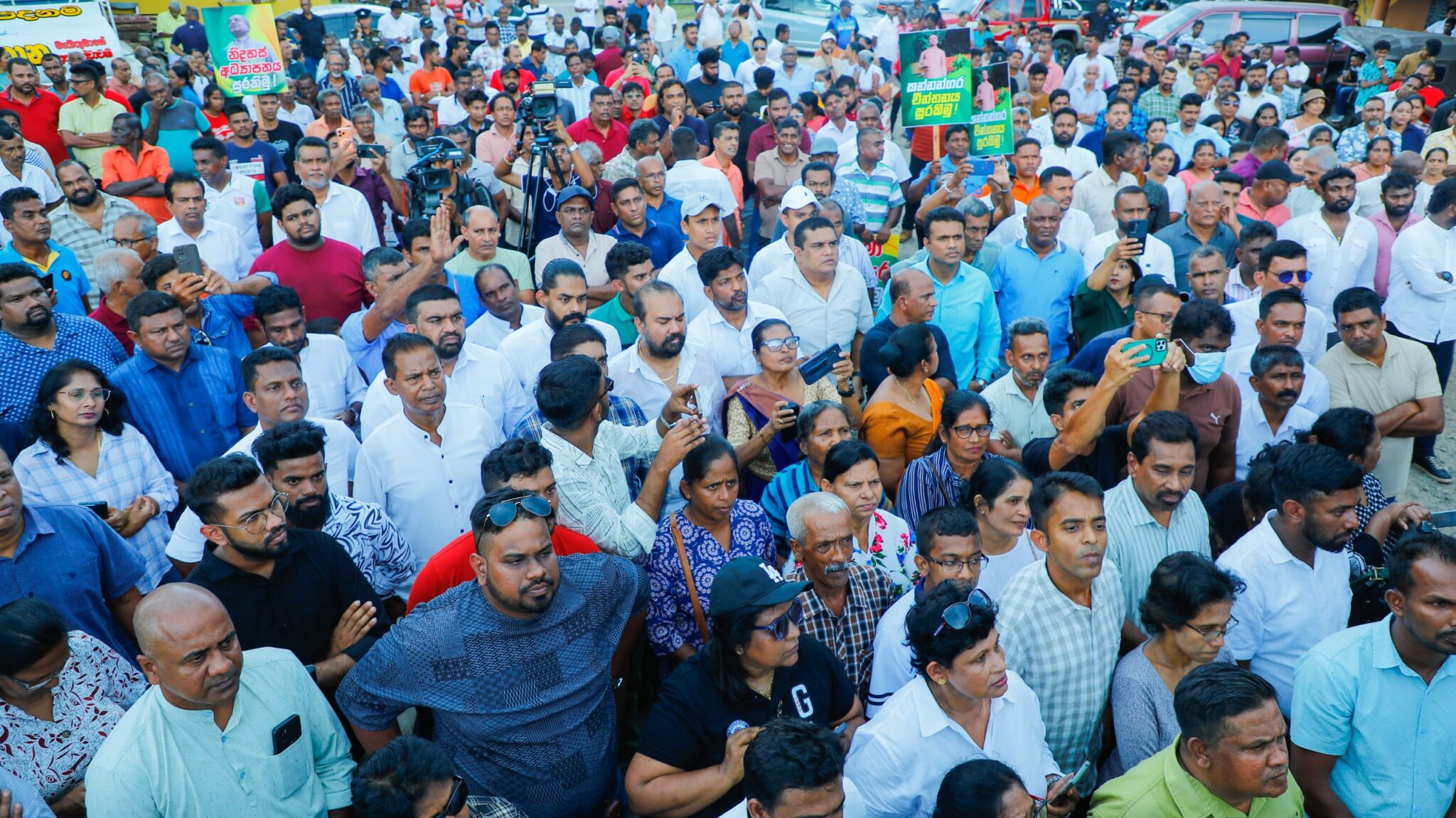
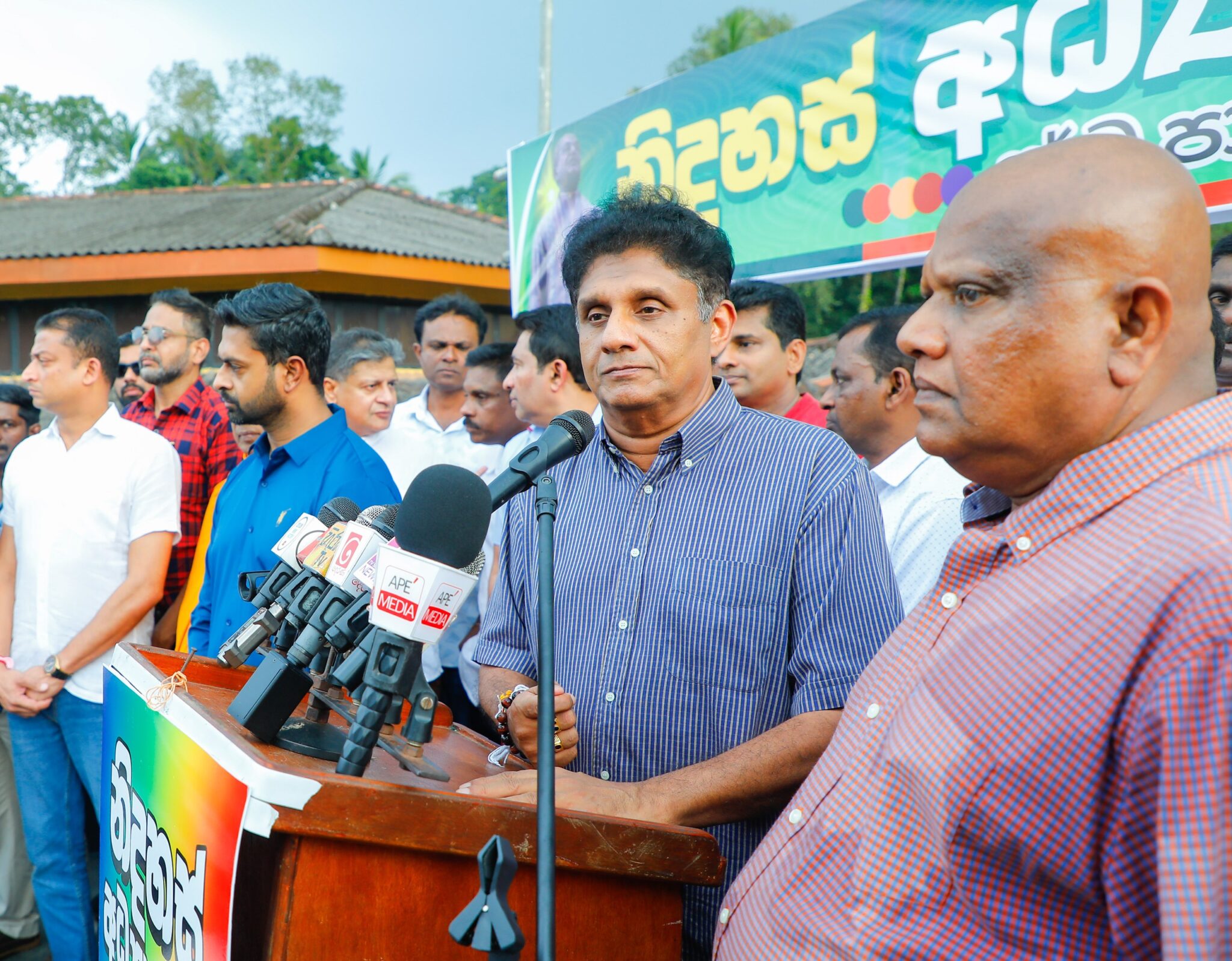
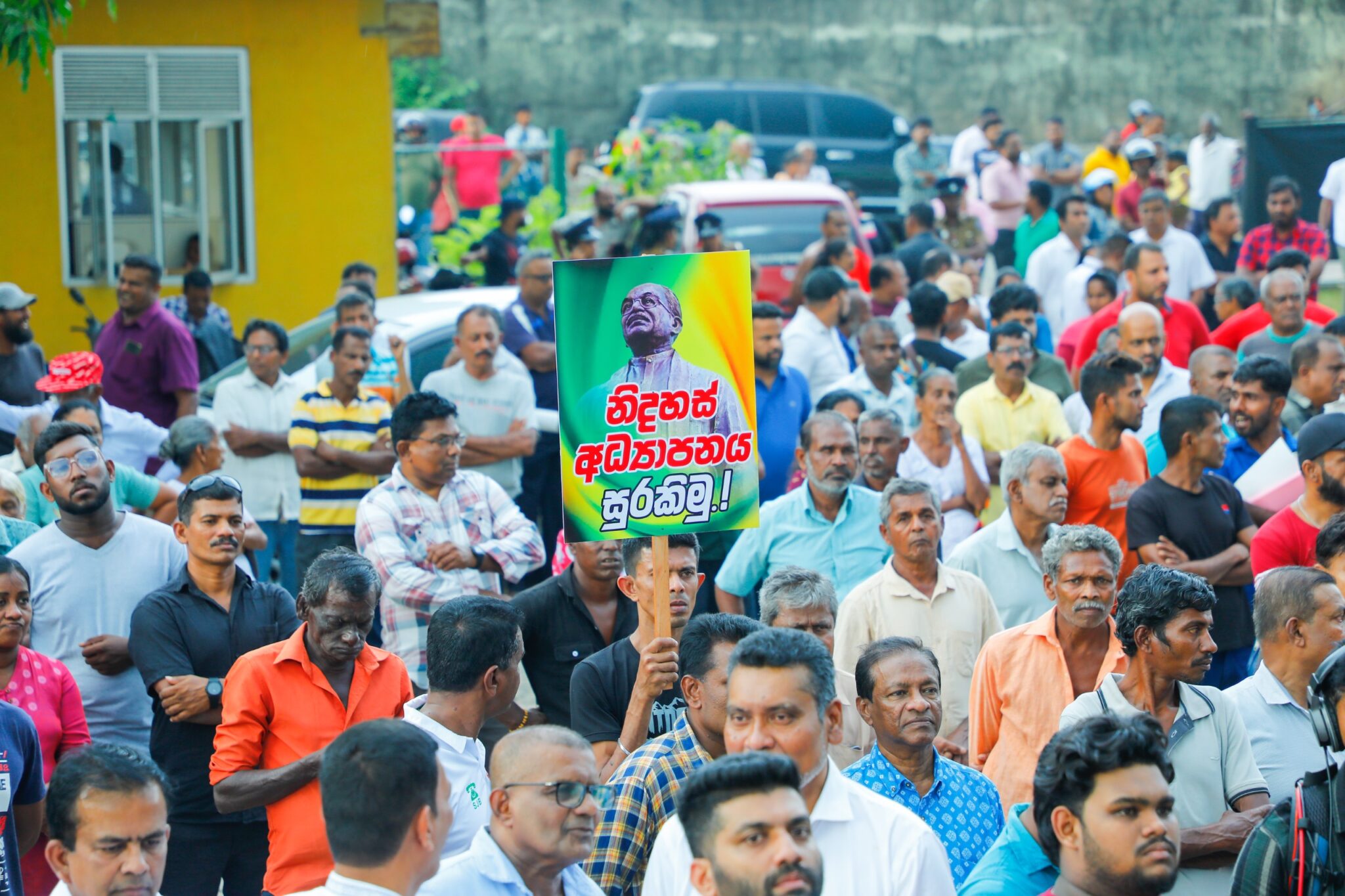
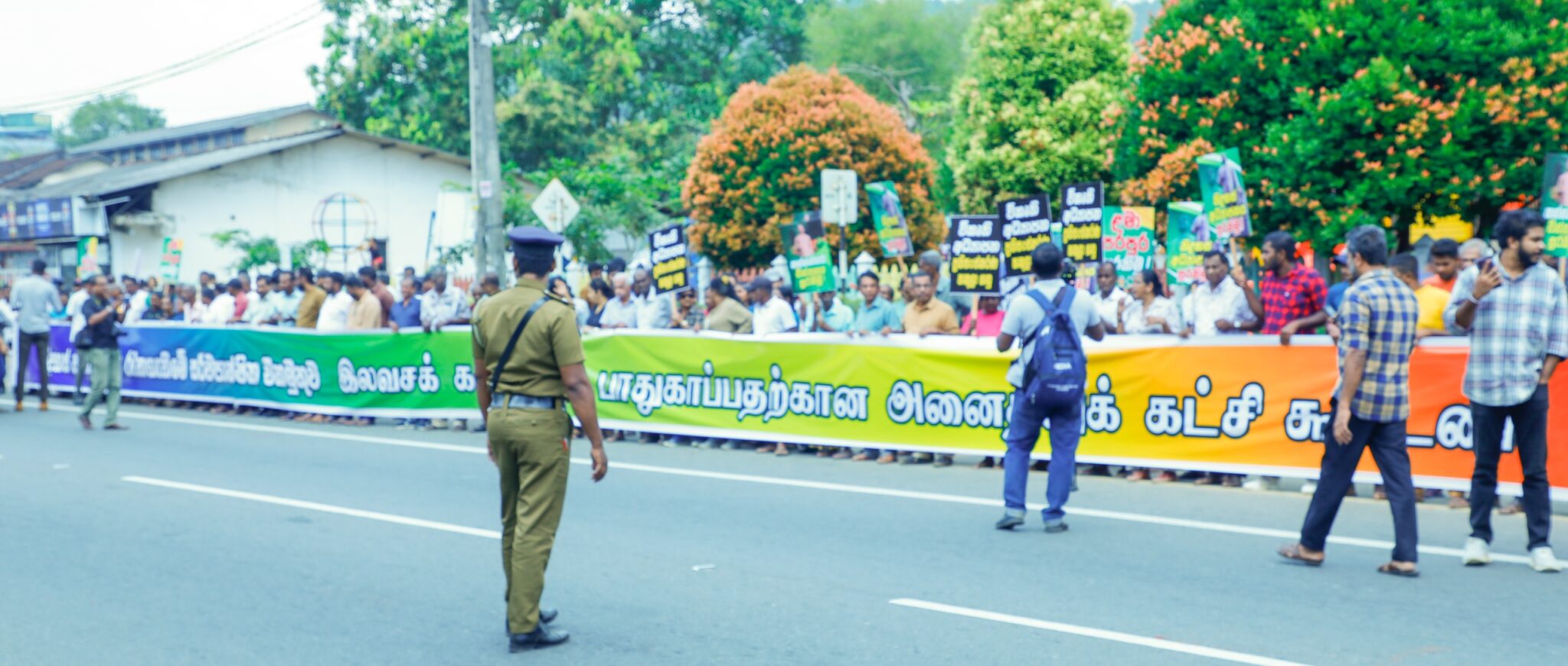
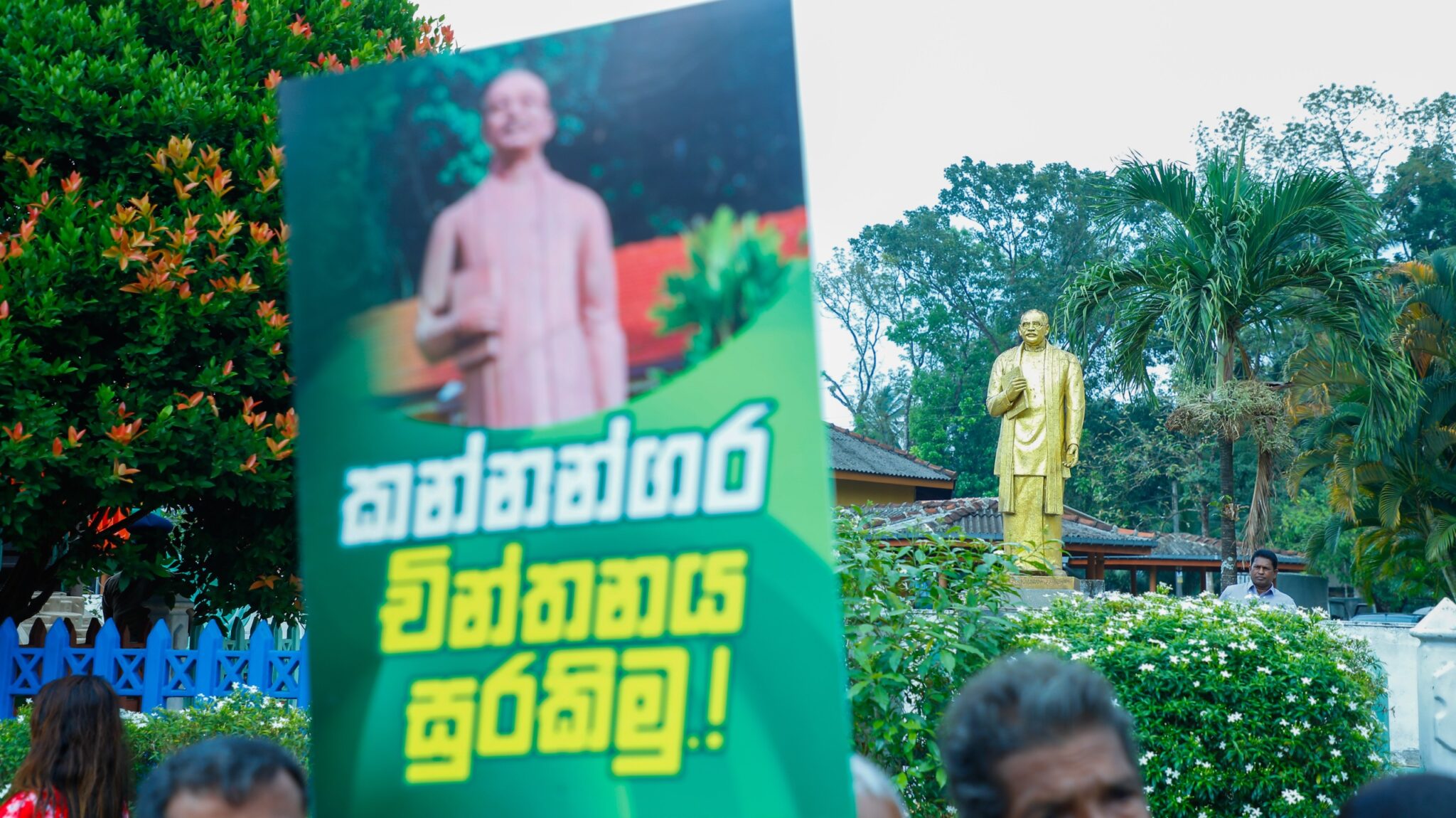
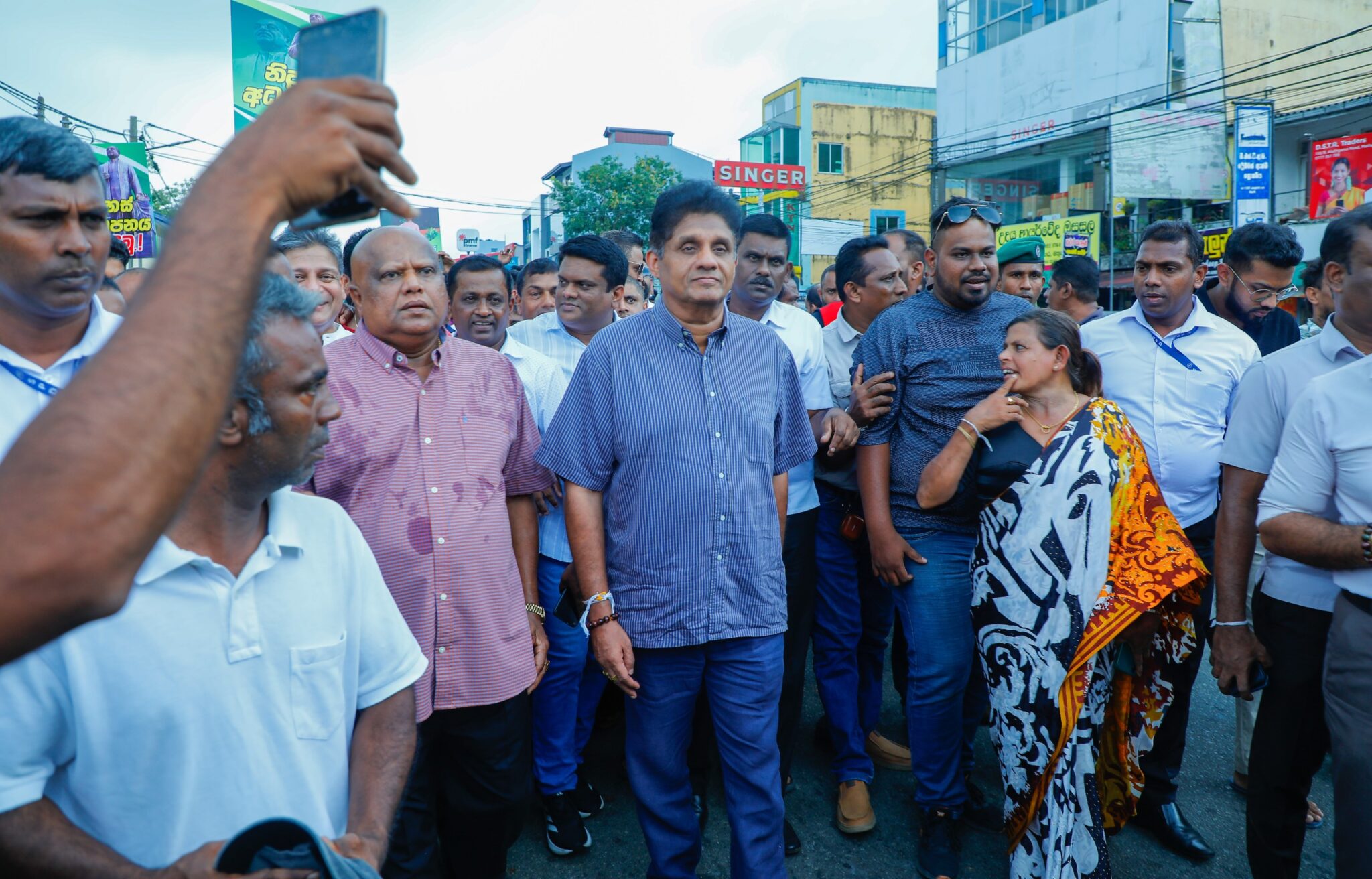
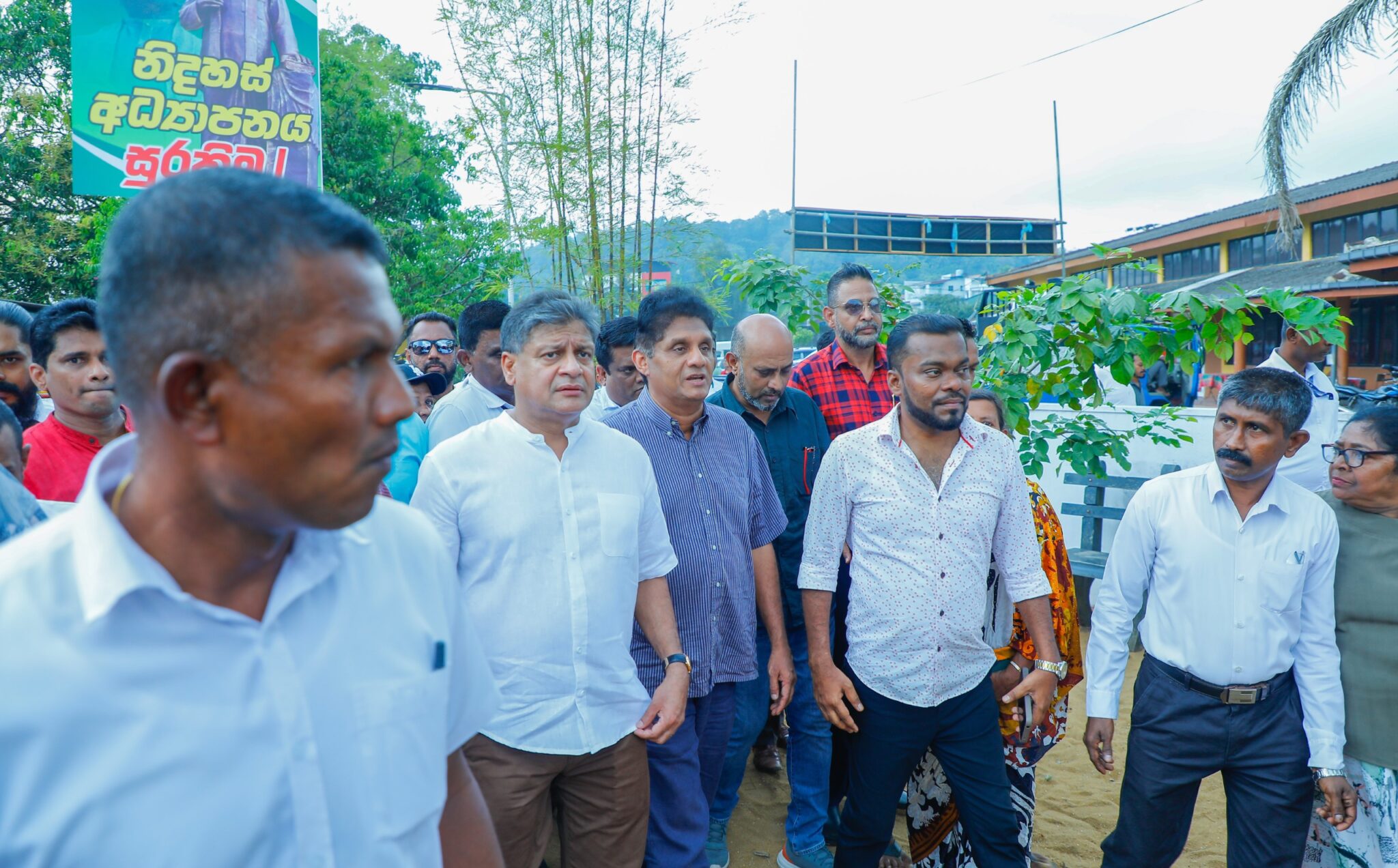
The Opposition Leader made these remarks today in Matugama, in front of the statue of C. W. W. Kannangara, while participating in a public awareness meeting themed “Let Us Protect Free Education.” The event was attended by opposition party leaders and a large gathering, and focused on informing the public about the inclusion of obscenity in modern education reforms.
He stated that modernizing education does not mean introducing obscenity into it. He added that there are lessons the country must learn from the world, as well as aspects it must reject. Drawing lessons from global education rankings, he said safeguards placed to prevent obscenity in online education must be further strengthened and implemented. He noted that the public has now mobilized against obscenity in education and announced that by mid-next week, a national alliance to strengthen free education will be launched. Through this, a broad national dialogue on necessary education reforms will be initiated to build an intelligent, culturally grounded citizenry capable of facing any skill demand in the international labor market.
Education Must Be a Fundamental Right
The Opposition Leader said that for the country to progress, an intelligent nation must be built, beginning with intelligent students and youth nurtured through preschools and schools. He emphasized that free education reforms must be carried out within a civilized framework aligned with Sri Lanka’s culture and identity. While creating a new education system, he said education should be recognized as a fundamental and human right—similar to civil and political rights—in the Constitution. In addition, free healthcare should also be recognized as a fundamental right.
When We Spoke of White Papers and Green Papers, the Government Mocked Us
He pointed out that when the opposition proposed White Papers and Green Papers within the Westminster system during the formulation of current education reforms, government ministers ridiculed and insulted those proposals. He criticized the government for reducing reforms to mere PowerPoint presentations without any meaningful substance, leading to the collapse of education. He stressed that for Sri Lanka to move forward, priority must be given to STEAM education, while also making history a compulsory subject.
Personal Preferences Cannot Be Forced on the People
He said that the personal lifestyles and preferences of those who proposed these reforms should remain limited to their private lives and should not become national policy. One individual’s freedom and choices cannot be forcibly imposed on the entire population. Since such ideas do not reflect village values, national identity, or cultural values, he said the country must adopt a program that uplifts and protects these traditions.
The Divide Between Private and Public Schools Must End
To ensure justice to the free education vision of C. W. W. Kannangara, he said the disparity between international schools and private schools must be eliminated. Since this issue even affects the job market, all schoolchildren should be able to confidently use English and other languages. He urged the public to move away from an insular mindset of claiming superiority and instead compete confidently with more than 193 countries around the world.