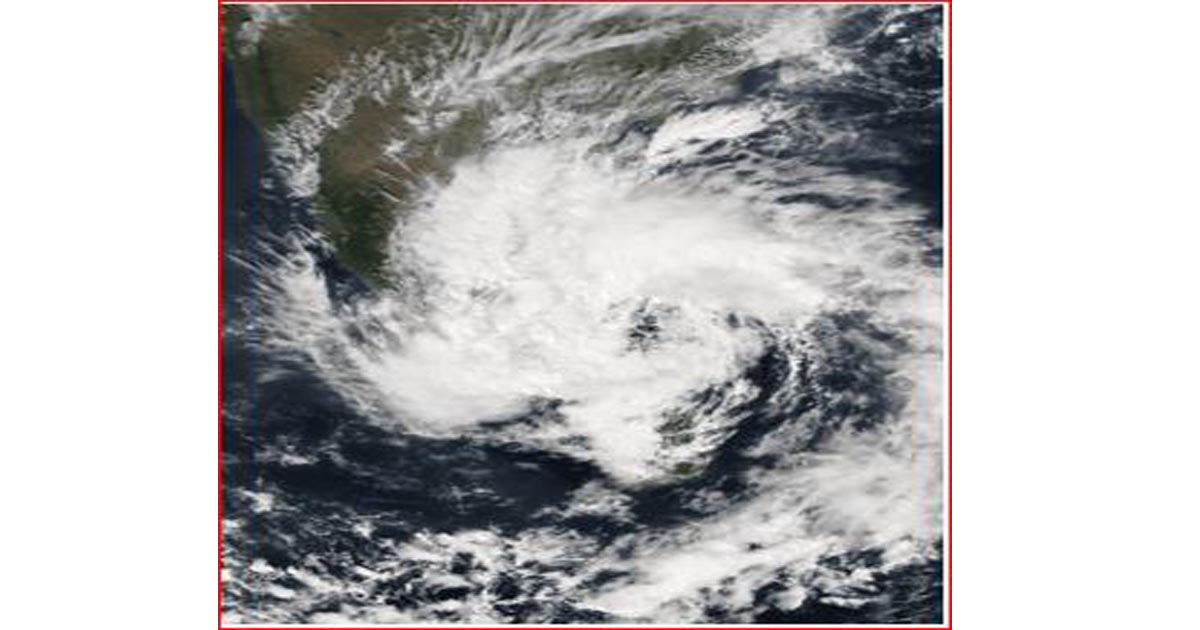
Sri Lanka is confronting a severe economic setback in the wake of Cyclone Ditwah, with early estimates placing potential losses between Rs.210 billion and Rs.320 billion. Economists warn that the disaster constitutes a national balance-sheet shock, far exceeding the scale of a typical localised natural calamity.
The cyclone’s path cut across districts responsible for 82–84% of national GDP, crippling key economic arteries from Western Province’s industrial zones to the agricultural regions that sustain food production.
Lanka Rating Agency CEO and economist Dr. Kenneth De Zilwa said the impact must be understood as a direct shock to the country’s financial and real sectors. His preliminary estimates suggest total losses amount to 0.75%–1.0% of GDP, including:
- Rs.70–110 billion in production losses
- Rs.55–75 billion in infrastructure damage
- Rs.35–50 billion in agricultural destruction
- Rs.50–85 billion in losses to household and SME assets
The scale of disruption is especially acute in the Western Province, which contributes nearly 40% of GDP and anchors logistics, finance, trade and industrial activity.
Market analysts at Asia Securities Research warn of a short-term drag on GDP growth, citing damaged road and rail networks that are obstructing cargo flows and driving up transport and delivery costs. The firm also signals likely declines in export earnings—particularly from agriculture and tourism—adding pressure to foreign exchange inflows.
Agriculture is among the hardest-hit sectors. Crop damage in major tea-producing districts and interruptions to cultivation cycles threaten both yield and long-term soil health. Asia Securities cautions that shrinking output could fuel food price inflation amid tightening domestic supply.
Dr. De Zilwa echoed these warnings, underscoring risks to food security and highlighting possible increases in import bills for essential goods and reconstruction materials. These pressures, he noted, could weigh on the exchange rate and deepen fiscal strain.
Industrial and manufacturing activities are also disrupted, with factories facing temporary shutdowns due to floods, supply chain breaks and power outages. Energy-intensive industries are expected to confront rising operational costs—from fuel procurement to transportation.
The disaster, Dr. De Zilwa argues, exposes deeper structural weaknesses in Sri Lanka’s economic model, including reliance on food imports and outdated approaches to national planning. He called for a shift toward a modern, resilient balance-sheet strategy that aligns with the realities of climate-driven shocks.
The financial sector is preparing for aftershocks. Insurance companies are likely to face elevated motor and property claims, while the banking sector may see rising non-performing loans, especially from SMEs struggling to service their debts after extensive damage.
Still, analysts anticipate renewed activity in the construction and materials sector as large-scale rebuilding begins—offering a medium-term boost.
Looking ahead, Dr De Zilwa emphasised that recovery must extend beyond patchwork repairs. His proposal for an “Industrialisation 6.0” framework emphasizes resilient, technology-driven capital formation to ensure the country emerges stronger and better protected against future climate threats.