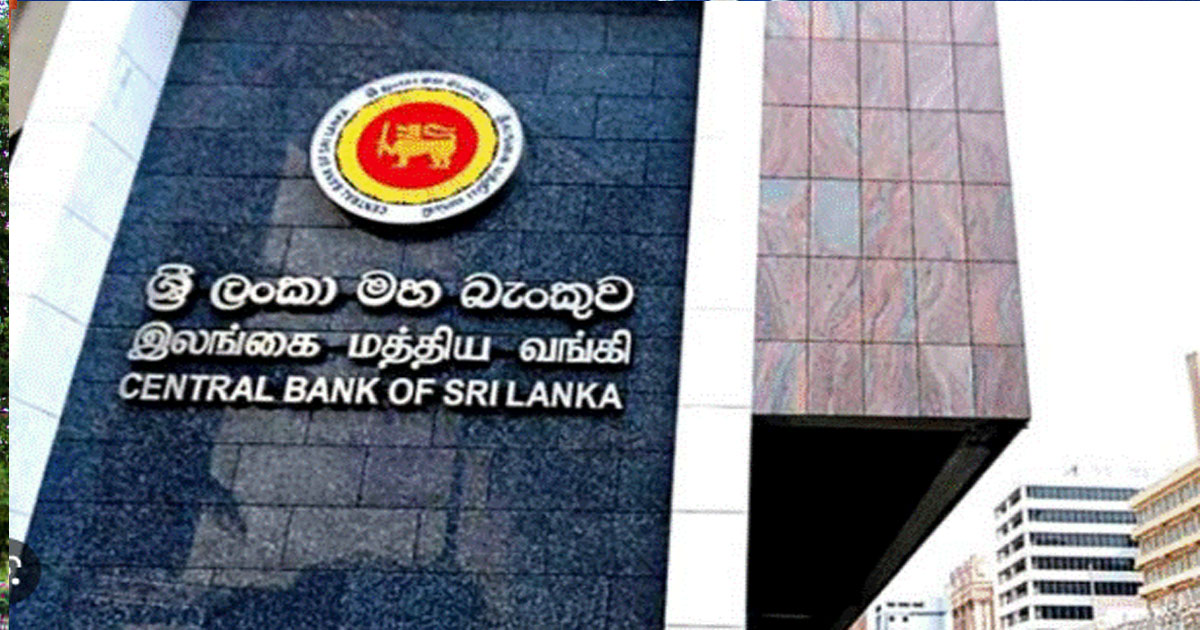
Central Bank of Sri Lanka has introduced an 8.00 per cent overnight policy rate, replacing the previous policy corridor. The standing facilities are set at 8.50 per cent for injecting liquidity and 7.50 per cent for absorbing excess liquidity.
The new rate is 75 basis points lower than the midpoint of the earlier corridor, which was defined by the central bank’s standing facilities.
Historically, the central bank has implemented broadly deflationary policies, including withdrawing liquidity from dollar purchases through outright sales of Treasuries. These measures targeted call money rates and contributed to the most recent currency crisis. Despite this, such market-driven rates have facilitated a balance of payments surplus.
Over the past 12 months, the currency’s appreciation, supported by central bank policies, has resulted in absolute price reductions (deflation).
The central bank noted that the decision to further ease monetary policy was driven by several factors:
- Deeper-than-anticipated deflationary conditions.
- A further moderation in underlying inflationary pressures and expectations.
- Positive developments on the external front.
- Limited room for additional reductions in market lending rates.
The central bank stated:
“With this change, the effective reduction in the policy interest rate would be around 50 basis points from the current level of the Average Weighted Call Money Rate (AWCMR), which continues to serve as the operating target of the Flexible Inflation Targeting (FIT) framework.”
In a balance of payments surplus, commonly seen in de facto pegged exchange rate regimes, the standing deposit facility acts as a backstop to prevent interest rates from falling further by sterilizing inflows overnight.
Analysts have cautioned that narrowly targeting market rates may lead to excessive credit growth, external imbalances, and moral hazard, as seen during mid-corridor targeting since the end of the civil war.