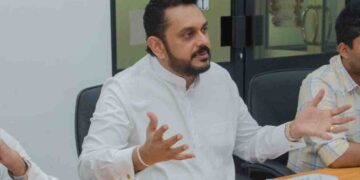

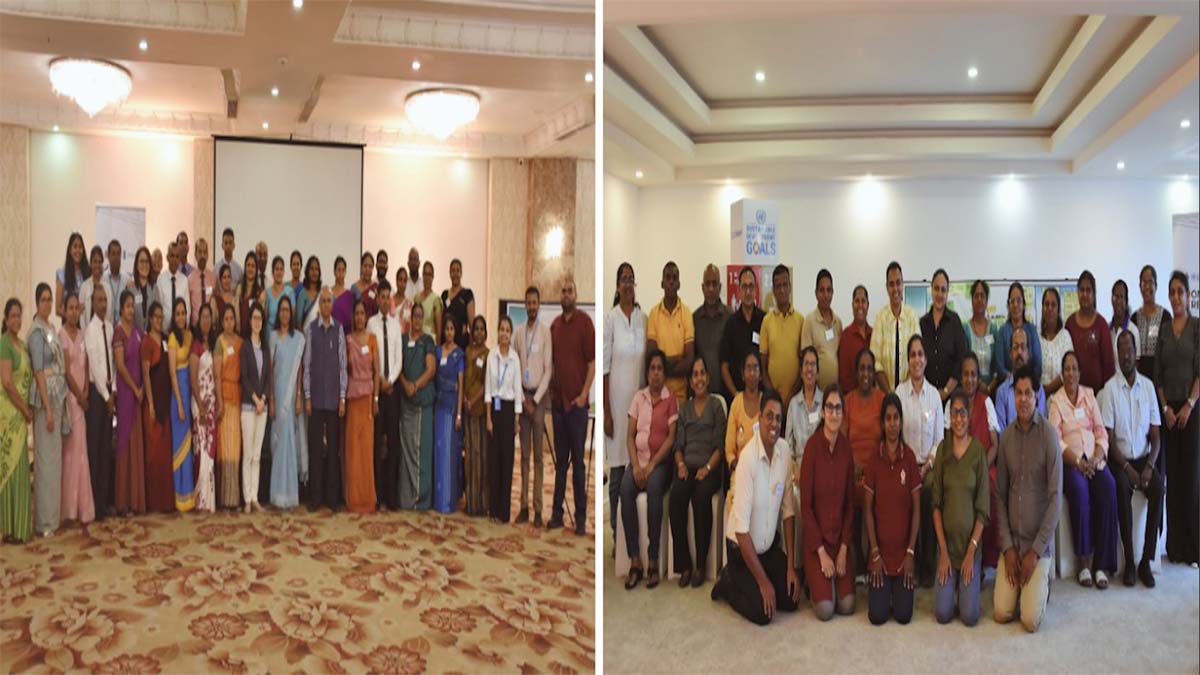
Recognizing that successful digital transformation requires strong institutional leadership, the Registrar General’s Department (RGD), together with the United Nations Development Programme (UNDP) and the World Health Organization (WHO), through the OneRegistry initiative funded by the UN Sri Lanka SDG Fund, recently concluded the ‘RGD to Digital Excellence (RGD2DX)’ leadership development programme for 61 senior management officials of the Registrar General’s Department.
The initiative was designed to strengthen the leadership, strategic thinking, and adaptive capacities of senior officials responsible for guiding the Registrar General’s Department through the ongoing modernisation of Sri Lanka’s Civil Registration and Vital Statistics (CRVS) system. The programme forms part of broader efforts to build a digitally enabled, integrated, and citizen-centric civil registration system that delivers more efficient and accessible services to the public.
The RGD2DX programme was conducted through two residential cohorts held in Kandy bringing together 61 members of the senior management of the Registrar General’s Department, including senior administrators and decision-makers who will play a pivotal role in driving institutional transformation in the years ahead.
Facilitated by international experts from Malaysia, the programme introduced participants to adaptive leadership, systems thinking, institutional change management, and approaches to leading organisations through periods of digital transition. Through interactive discussions, experiential learning exercises, and collaborative problem-solving activities, participants explored practical strategies to strengthen organisational resilience while maintaining public trust and service quality.
Recognising that sustainable institutional transformation extends beyond residential learning, the programme also included a series of virtual follow-up clinics conducted over three months, enabling participants to reflect on the practical application of their learnings, share experiences and challenges, and receive continued guidance from facilitators.
Participants highlighted the practical value of the programme in supporting the department’s ongoing transition towards digital systems.
Dasun Hettiarachchi, Additional District Registrar – Matale, said, “When moving from the traditional system to the new system, we discussed the gaps and obstacles, as well as how to resolve them, and received useful advice.”
Similarly, Kumudu Dissanayake, Additional District Registrar (Legal Division), noted, “The higher management and the RGD staff who participated in this training have been able to adopt new methods, and we are highly motivated. This has been very beneficial to our department.”
The RGD2DX programme underscores the importance of investing not only in digital systems and technology, but also in the people responsible for leading change. By strengthening leadership capacities within the senior management of the Registrar General’s Department, the initiative contributes towards building a more agile, responsive, and future-ready institution capable of delivering improved public services to citizens across Sri Lanka. As Sri Lanka continues its digital transformation journey, initiatives such as RGD2DX demonstrate the importance of cultivating adaptive public sector leadership that can effectively navigate complexity, champion innovation, and drive sustainable institutional change for the benefit of all Sri Lankans