
“I need to meet you.”
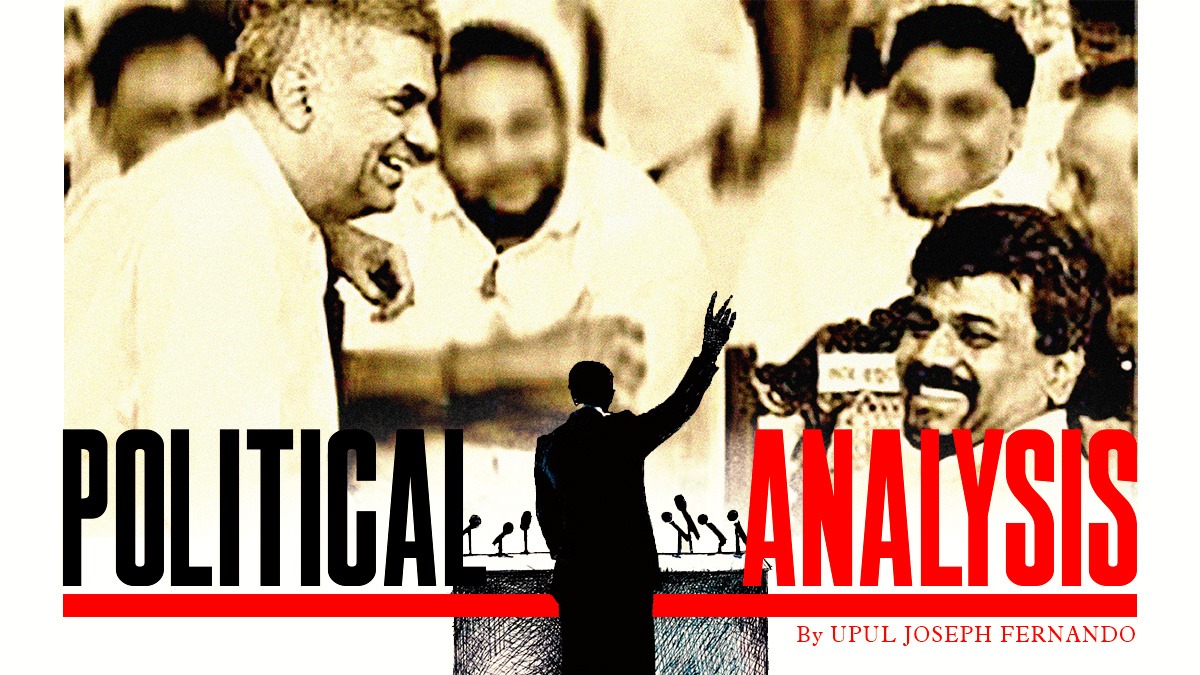
One day, former UNP strategist and parliamentarian Mangala Samaraweera unexpectedly telephoned then Opposition Leader Ranil Wickremesinghe.
“There is something important we need to discuss. Malik and I would like to meet you,” Mangala told him.
At the time, relations between Ranil and Mangala were far from cordial. The source of the tension was Mangala’s campaign within the UNP to prevent Ranil from contesting the 2015 presidential election. Mangala firmly believed that the opposition could defeat Mahinda Rajapaksa only through a common candidate. He had even convinced Ranil’s close ally and UNP Chairman Malik Samarawickrama to support the idea.
While Mangala and influential international actors were pressuring Ranil to back a common candidate, Ranil remained adamant that he himself should contest.
“If there is a common candidate, that person cannot come from the UNP. And if the UNP fields a candidate, it can only be me,” Ranil reportedly insisted.
He imposed this condition because Ven. Maduluwawe Sobitha Thera, who spearheaded the common-candidate campaign, was considering Karu Jayasuriya for the role. Many within the UNP, meanwhile, believed Deputy Leader Sajith Premadasa would have the best chance of winning.
“I agree to a common candidate. But it cannot be Karu or Sajith. If it is not me, then the common candidate should not come from the UNP,” Ranil maintained.
Eventually, he agreed to the common-candidate strategy on the understanding that no other UNP leader would be nominated.
At the time, many UNPers privately argued that Ranil feared losing control of the party leadership if another UNP figure became president.
It was against this backdrop that Mangala and Malik met Ranil with what they considered an innovative proposal.
“I have spoken with the JVP and with Anura. Anura is willing to become the common candidate. What do you think? We would also gain the JVP vote,” Mangala suggested.
Ranil reportedly agreed immediately.
“Then let us field Anura.”
According to this account, Ranil calculated that whether Anura Dissanayake won or lost, his own positions as party leader and Opposition Leader would remain secure.
Mangala then took the proposal to former President Chandrika Bandaranaike Kumaratunga, one of the strongest advocates of a common opposition candidate.
“Have you lost your mind, Mangala? You want to hand the Presidency to the JVP?” she reportedly responded.
The proposal went nowhere. Instead, Chandrika later helped bring Maithripala Sirisena into the race as the common candidate. Had she accepted Mangala’s proposal, Anura Dissanayake might well have become President in 2015.
Throughout those years, Ranil found Anura politically useful. The JVP frequently targeted rising UNP leaders who threatened Ranil’s position. During the internal struggle between Ranil and Sajith Premadasa for control of the party, JVP criticism was directed largely at Sajith.
Even after the 2020 election, when Sajith became Opposition Leader, JVP’s Sunil Handunnetti publicly argued that Ranil should be Opposition Leader and should return to Parliament without delay.
The JVP, however, had its own calculations. As long as Ranil remained UNP leader, repeated electoral defeats would continue driving disillusioned UNP voters toward the JVP. A revitalised UNP under new leadership would have reduced that opportunity.
Ironically, the proposal Mangala floated in 2014 became a reality a decade later.
By 2024, Ranil had reasons of his own for preferring an Anura victory. Beyond his rivalry with Sajith, he also wanted to teach a lesson to MPs who had abandoned him. His apparent calculation was that a defeated Sajith would lose the confidence of his parliamentary group, allowing many SJB MPs to eventually return to the UNP and restore Ranil’s influence within the opposition.
As the 2024 presidential election approached, ministers in Ranil’s own government reportedly warned him that Anura was likely to win.
“That would not be so bad for us,” Ranil allegedly replied. “Let things run for a year. The government will come back to us.”
Ranil’s expectation, according to this narrative, was that an NPP administration would abandon the IMF programme, trigger another economic crisis, and ultimately collapse under the weight of its own decisions.
Instead, the opposite happened.
Anura retained the IMF framework almost intact. The foreign reserves rebuilt under Ranil were preserved. Government revenues continued to benefit from tax measures introduced during the Wickremesinghe administration. Rather than dismantling the economic recovery programme, Anura embraced much of it and presented himself as the leader capable of delivering stability.
Former Central Bank Governor Indrajit Coomaraswamy, who had advised Ranil, repeatedly argued that Sri Lanka would not return to bankruptcy if it remained on its current IMF-backed path.
The underlying message was clear: the new government was effectively continuing the economic course laid down by the previous administration.
Yet in recent weeks, social media circles aligned with Ranil have been flooded with speculation.
“The dollar is surging. The economy is collapsing.”
“Anura has called Ranil.”
“Ranil is preparing to take over again.”
Such claims reflect a growing eagerness among some former members of Ranil’s camp to see the current administration fail.
Ironically, few were more instrumental in Anura’s rise than Ranil himself and many of the ministers who served under him.
Had they not spent years undermining Sajith Premadasa, had they not elevated Anura through television debates and political platforms while portraying Sajith as irrelevant, and had they held the JVP accountable when it suited them politically, Sri Lanka’s political landscape might look very different today.
Instead, many believed that destroying Sajith was enough. In the end, it was not Sajith who disappeared from the political stage, but Ranil and much of his own political establishment. Not a single major minister from his administration secured a parliamentary seat in 2024. Among those who stood firmly with Ranil, only a handful survived politically.
Today, many of those same figures appear impatient for Anura’s downfall.
Yet they handed him a government supported by billions of dollars in foreign reserves, a functioning IMF programme, and a tax structure that, however unpopular, strengthened state revenues.
How, then, is Anura expected to fail?
If his government eventually falters, it is more likely to be because ordinary citizens can no longer tolerate the burden of IMF-driven taxation and rising living costs. When that moment arrives, voters may not be looking for another Ranil Wickremesinghe. They may instead seek a leader capable of offering a credible alternative to the IMF-centred economic model itself.
For now, however, those waiting for the government’s imminent collapse may need to be patient.
As Gotabaya Rajapaksa once told the student protesters who surrounded the Presidential Secretariat:
“This government is not falling today. You can all go home.”