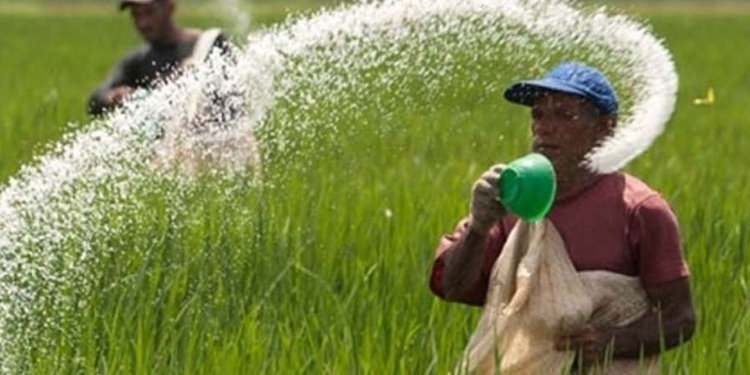
As shipments are cancelled and prices continue to surge, serious concerns have emerged over whether already ordered fertiliser stocks will arrive in time for the upcoming Yala season. The Maha season has already recorded a 10 per cent drop in yields, while the country continues to operate without a formal food security plan.
“We don’t have a food security plan for Sri Lanka at the moment,” Senior Professor Buddhi Marambe of the University of Peradeniya’s Department of Crop Science told the Sunday Times Business.
Amid the ongoing war, the availability of fuel has become critical for farmers. With the Maha harvesting season underway and land preparation for the Yala season already beginning in some areas, the demand for fuel has intensified.
Professor Marambe noted that, unlike in previous international conflicts, the current situation has made the availability of oil and gas a major concern. In Sri Lanka, the most pressing issue remains the insufficient supply of key agricultural inputs, including fuel, fertiliser, and hybrid seeds.
He further stated that Sri Lanka is expected to face a 10 per cent shortfall in Maha season yields. Of the total 85,000 hectares of paddy land affected by the Ditwah cyclone, 60,000 hectares were completely destroyed, and only 50 per cent of that extent has been re-cultivated.
At present, the country maintains adequate stocks of phosphorous and potassium, exceeding the requirements for paddy cultivation. However, the availability of urea remains a major concern. Although Sri Lanka had placed orders for 67,000 metric tonnes of urea, more than 50 per cent of these shipments have been cancelled due to rising prices and transportation costs. The price of urea has increased significantly, from US$350 per metric tonne to US$710 per metric tonne.
Sri Lanka’s total urea requirement includes approximately 98,000 metric tonnes for paddy cultivation, 13,000 metric tonnes for maize, 42,000 metric tonnes for fruits and vegetables, and an additional 62,000 metric tonnes for tea, rubber, coconut, and other crops.
Professor Marambe emphasized that the country is currently facing a difficult situation, with local urea prices reaching Rs. 9,500 per 50 kg bag. The Government is reportedly engaged in discussions with several countries to secure fertiliser stocks, although escalating global prices remain a significant challenge.