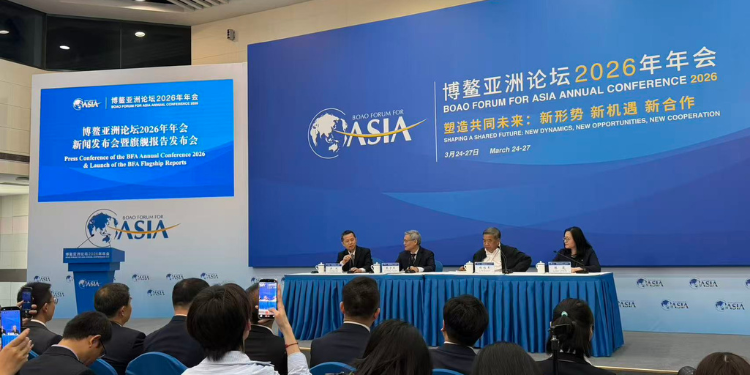
The Boao Forum for Asia (BFA) 2026 Annual Conference officially opened on Tuesday, March 24, in Boao, Hainan province, south China, with a press conference outlining the event’s agenda, themes, and key participants.
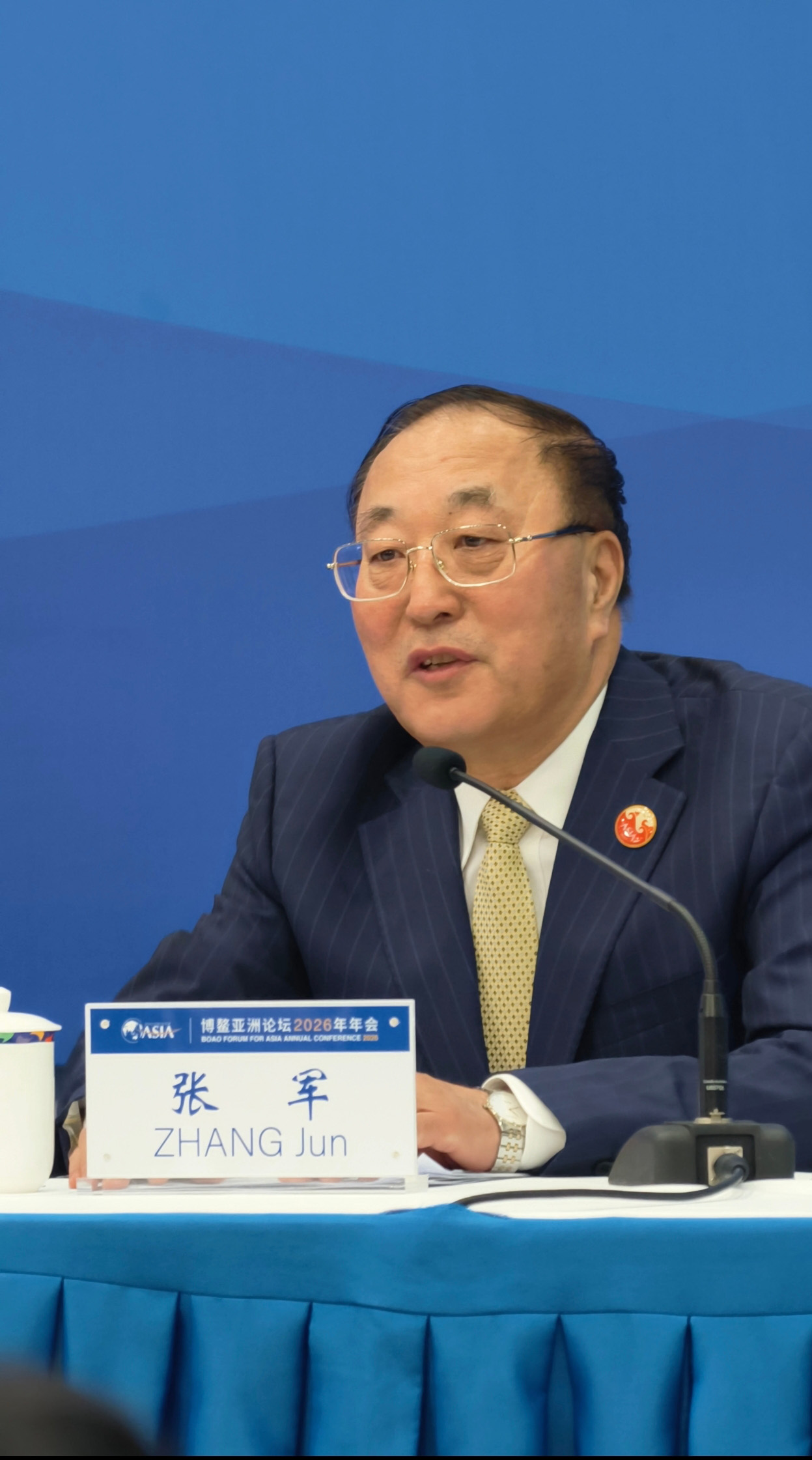
BFA Secretary-General Zhang Jun described this year’s gathering as high-level, widely participated, and strongly represented. Zhao Leji, chairman of the Standing Committee of the National People’s Congress of China, will attend and deliver a keynote speech at the plenary session, alongside meetings with global leaders, business representatives, and BFA board members.
Other prominent participants include Singapore Prime Minister Lawrence Wong, Azerbaijani National Assembly Speaker Sahiba Gafarova, Sri Lankan Parliament Speaker Jagath Wickramaratne, and Kazakhstan’s First Deputy Prime Minister Roman Sklyar. South Korean Prime Minister Kim Minseok will address the forum via video link.
Around 2,000 delegates from over 60 countries and regions are attending, alongside more than 1,100 journalists from about 150 media outlets. Participants include policymakers, former leaders of international and regional organizations, business executives, and scholars.
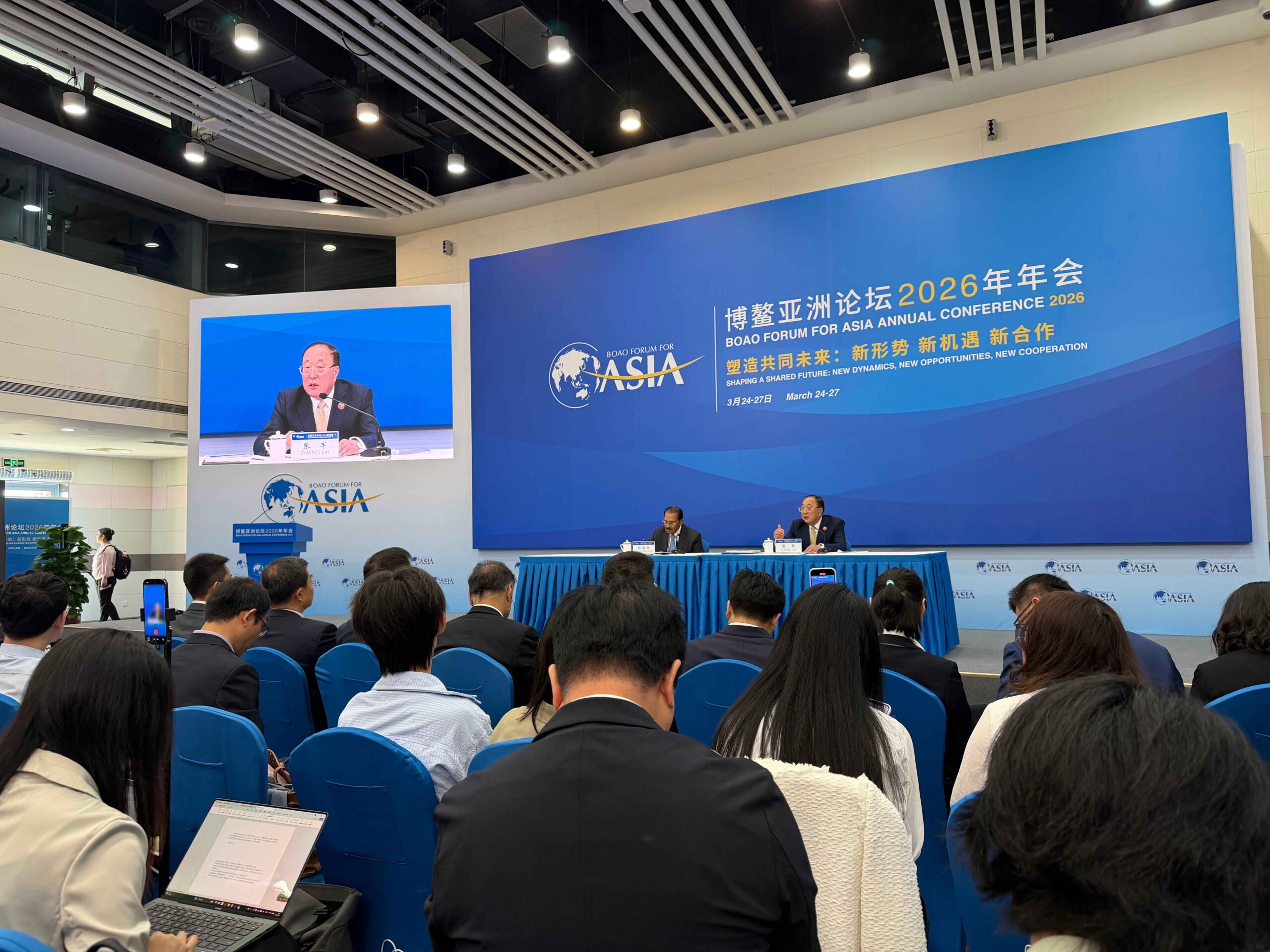
This year’s theme, “Shaping a Shared Future: New Dynamics, New Opportunities, New Cooperation,” reflects both the profound transformations and growing uncertainties facing the world. Zhang emphasized that the forum aims to convey a clear message: despite ongoing challenges, opportunities remain, and cooperation is essential for building a better future and a community with a shared future for humanity.
More than 50 events are scheduled, organized around four main areas. The first focuses on global trends, including economic uncertainty, shifts in global trade, climate governance, and the role of Global South countries. The second area centers on regional cooperation, with discussions on the Regional Comprehensive Economic Partnership, Asia-Pacific integration, and cross-border payment systems.
The third area highlights innovation and transformation, covering industrial upgrading, humanoid robotics, artificial intelligence in healthcare, green development, and the blue economy. The fourth area emphasizes partnerships and inclusive development, with sessions on corporate strategy, ESG, and the role of young entrepreneurs.
China’s development outlook remains a key focus. This year marks the start of the 15th Five-Year Plan and a new phase for the Hainan Free Trade Port. Sessions such as “China Economic Outlook” and “Invest in China, Share the Future” aim to showcase opportunities for investment and cooperation.
Two flagship reports were also released: the Asian Economic Outlook and Integration Progress Annual Report and the Sustainable Development: Asia and the World Annual Report. They highlight that despite global challenges, Asian economies continue to demonstrate resilience and make significant contributions to global growth and trade.
The reports stress that multilateralism, economic globalization, and sustainable development remain crucial forces. They call for deeper regional integration, increased innovation, green transition efforts, and stronger cooperation to tackle global challenges.
Zhang expressed confidence that Asian economies can achieve high-quality development and play a leading role in the Asian Century, provided countries maintain unity, confidence, and a firm commitment to cooperation.