
Hundreds of Iranians crossed into Türkiye on Monday afternoon as the expanding conflict between the United States and Israel against Iran fueled anxiety at home, according to a Reuters witness. Many of those arriving spoke of growing fear in Tehran and long queues at petrol stations.
Earlier in the day, Türkiye announced that day-trip passenger crossings at its three border gates with Iran had been mutually suspended, allowing entry only to Turkish citizens and third-country nationals. On Sunday, some travellers told Reuters that Iranian citizens had been prevented from crossing.
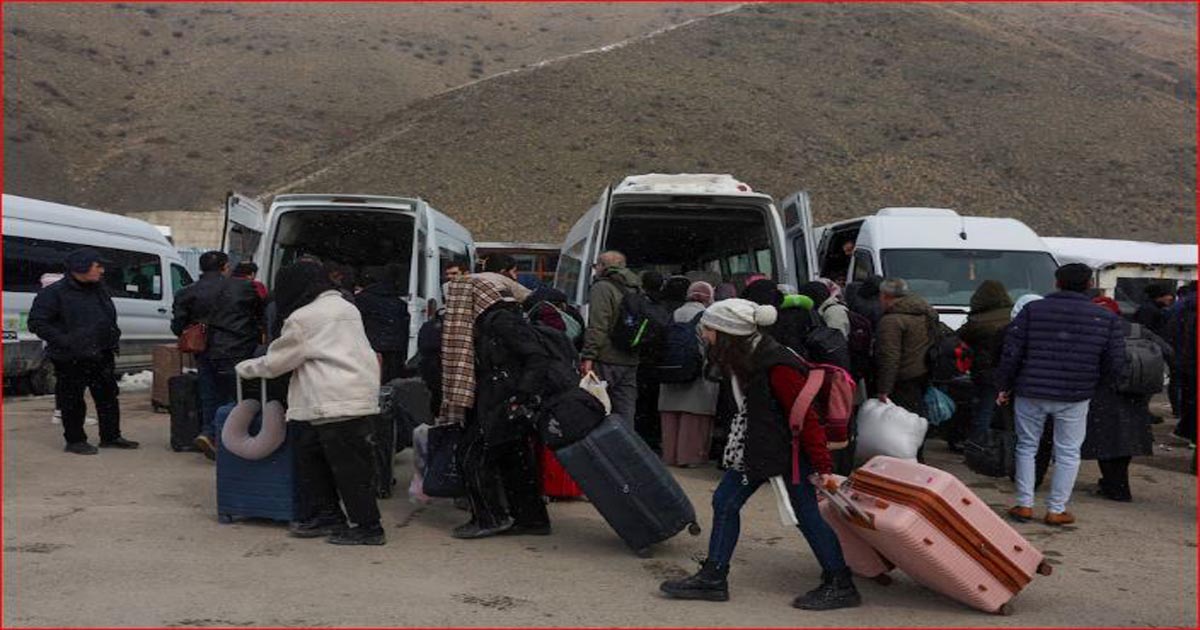
By Monday afternoon, however, Iranians were seen entering Türkiye through the Kapıköy border gate, with snow-covered hills visible on the Iranian side.
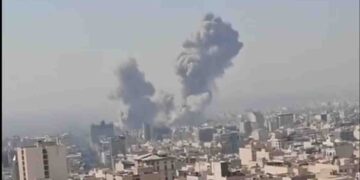
“The situation in Tehran is already difficult,” said a man from the Iranian capital who declined to give his name but noted that his wife and children were in Istanbul. He described bombings in parts of the city and said many residents were frightened, though ordinary civilians had not been directly harmed. He added that shops were packed on the first day of the war, as people rushed to buy household goods.
Binali Kılıç, an Iranian Azeri from the Qazvin region near the Turkish border, said daily life there continued but was overshadowed by frequent strikes on military sites. “Everyone is staying inside their homes,” he said, recalling the sound of explosions in nearby areas. Travelers wheeled suitcases through light snowfall toward waiting minibuses on the Turkish side.
Kılıç said there were no shortages of food, but fuel had become a concern. “There are queues at petrol stations,” he said, adding that people were anxious about securing enough fuel for both short and long journeys.
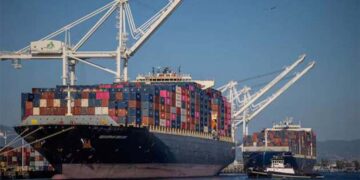
Meanwhile, Turkish Trade Minister Omer Bolat said Iran was allowing its citizens to return home via Türkiye, and that commercial cargo transit at all three border gates was continuing under controlled conditions.
“All our units remain on high alert to ensure the uninterrupted continuation of Turkey’s border crossing services and trade flows,” Bolat said.