

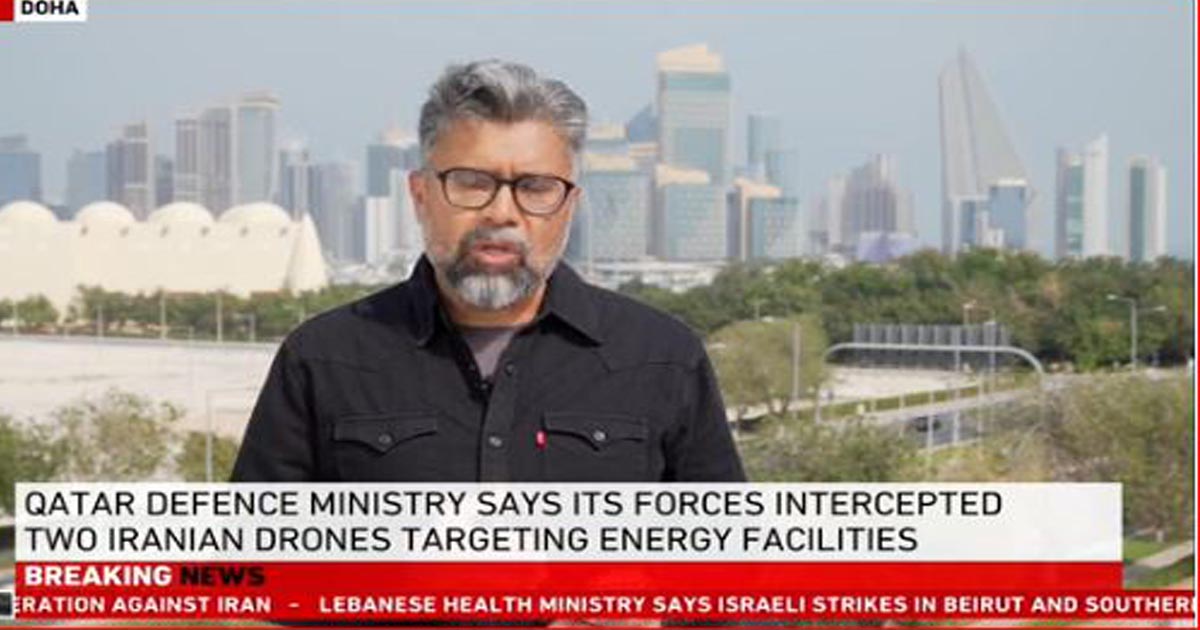
Tensions across the Gulf deepened dramatically on Monday as Kuwait confirmed that several US warplanes had crashed on its territory, even as Iran ruled out any negotiations with US President Donald Trump and vowed to press ahead with retaliatory strikes.
Kuwait’s Defence Ministry said “several” American warplanes went down inside the country. All crew members survived, according to officials, though the circumstances surrounding the crashes were not immediately disclosed.
The developments come as Iran continues to target US assets across the Gulf following joint US-Israeli attacks that Tehran says killed more than 550 people, including Supreme Leader Ayatollah Ali Khamenei. Iranian authorities have described the strikes as a “declaration of war” and pledged sustained retaliation.
In a clear sign of hardened positions, Ali Larijani, secretary of Iran’s National Security Council, rejected US media reports claiming he had sought to revive nuclear negotiations with Washington. Tehran, he said, would not engage in talks under fire, dismissing what he called attempts to portray Iran as seeking concessions.
Meanwhile, Israel signaled it was expanding its military campaign. Israeli officials said their forces were striking at the “heart of Tehran” and confirmed fresh attacks on Lebanon after Hezbollah launched a barrage of rockets into northern Israel. Lebanon’s Health Ministry reported that more than 30 people were killed in the Israeli strikes.
US President Donald Trump warned that operations against Iran would continue until all military objectives were achieved. He also vowed to avenge the deaths of three US soldiers, underscoring Washington’s determination to escalate pressure despite growing regional instability.
With Gulf states on high alert and cross-border attacks intensifying, fears are mounting that the conflict could spiral into a broader regional war, drawing in multiple actors and further destabilizing an already volatile Middle East.