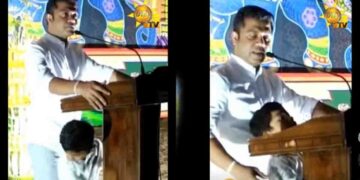

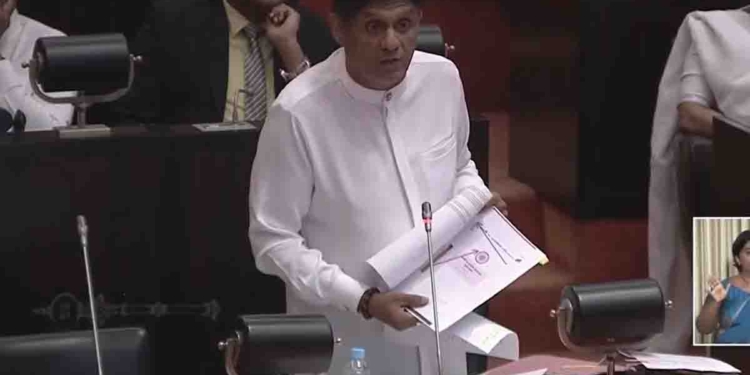
Opposition Leader Sajith Premadasa today raised concerns in Parliament over the tender process for coal supply to the Lakvijaya Power Plant in Norochcholai, a critical facility for the country’s electricity production, highlighting a lack of transparency in decision-making.
Speaking under Standing Order 27(2), Premadasa said that the tender for coal supply, the planned use of 2,500 metric tons of coal, and the allocation of 1.5 million annually for the 900-megawatt power plant had deviated from the original program. He noted that although the order was issued in April, the government faced delays in delivery due to the May monsoon season.
The Opposition Leader further questioned the shortened timeline for the tender, stating that although a tender is normally valid for 42 days, this period had been reduced to just 21 days. He demanded that reports approving the tender, as well as technical instructions and conditions for both the previous and current coal tenders, be presented.
Premadasa also asked for details on the number of bids submitted, the experience of suppliers selected by the government for such power plants, and whether responsibility for the country’s primary electricity production had been assigned to an unsuitable company.
Regarding the coal specifications, he emphasized that the net NCP value of the coal should be 5,900. If there are reports indicating that the tendered coal does not meet this value, such reports should be submitted to Parliament. He also requested a detailed explanation if coal had been included in the boilers before test reports were received, and whether samples had been sent to India for testing, with the corresponding reports presented.
Premadasa questioned whether the government had incurred a loss of more than Rs. 10 lakh due to the tender, and requested details on the reasons for the shortfall, the reduction in the annual coal requirement due to additional coal burning, and any damage caused to the boilers by substandard coal.
He suggested that an investigation be conducted into the tender procedure and called for a forensic audit, noting that deficiencies in the process had already been acknowledged during questioning through the Sectoral Oversight Committee.