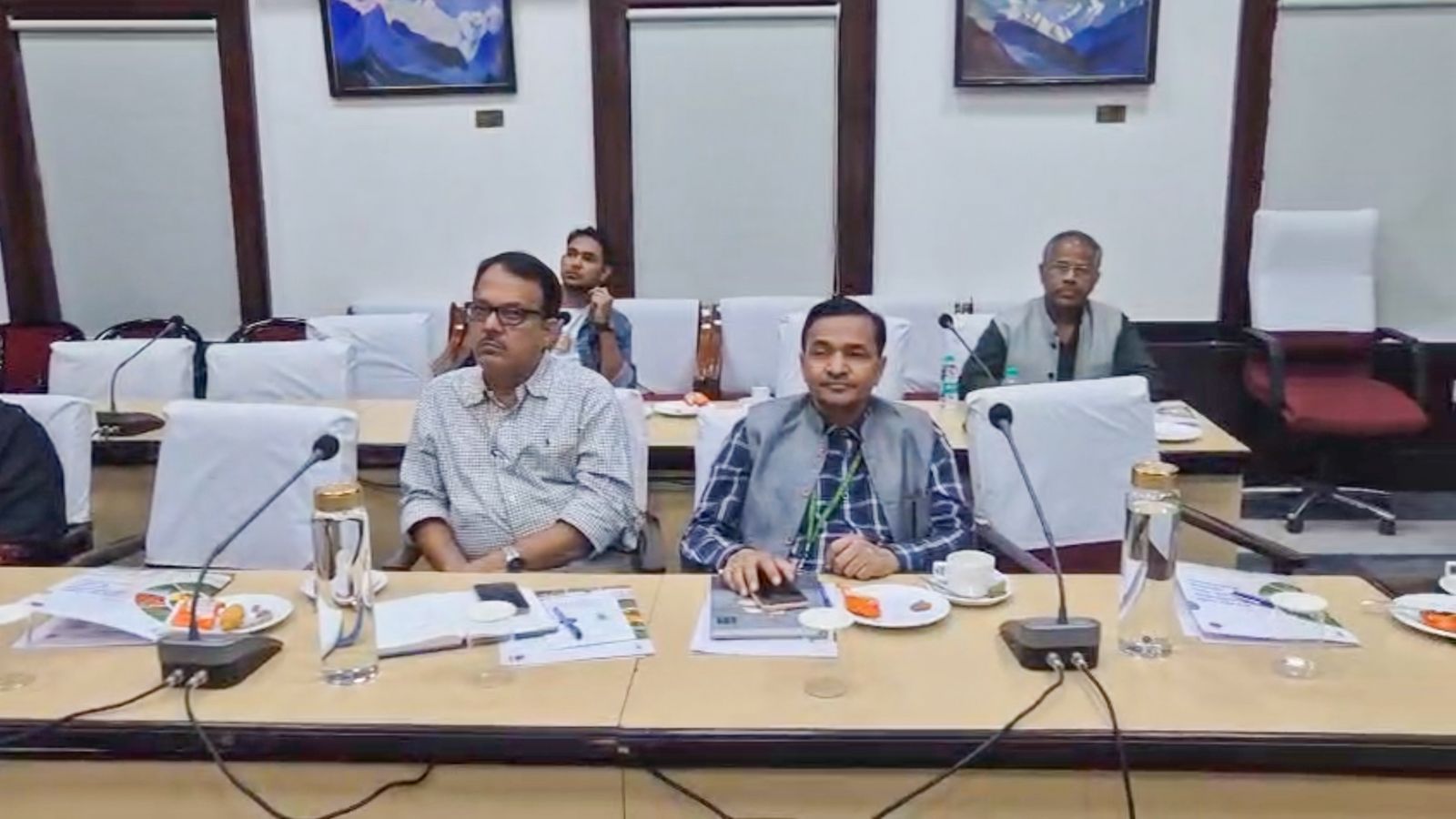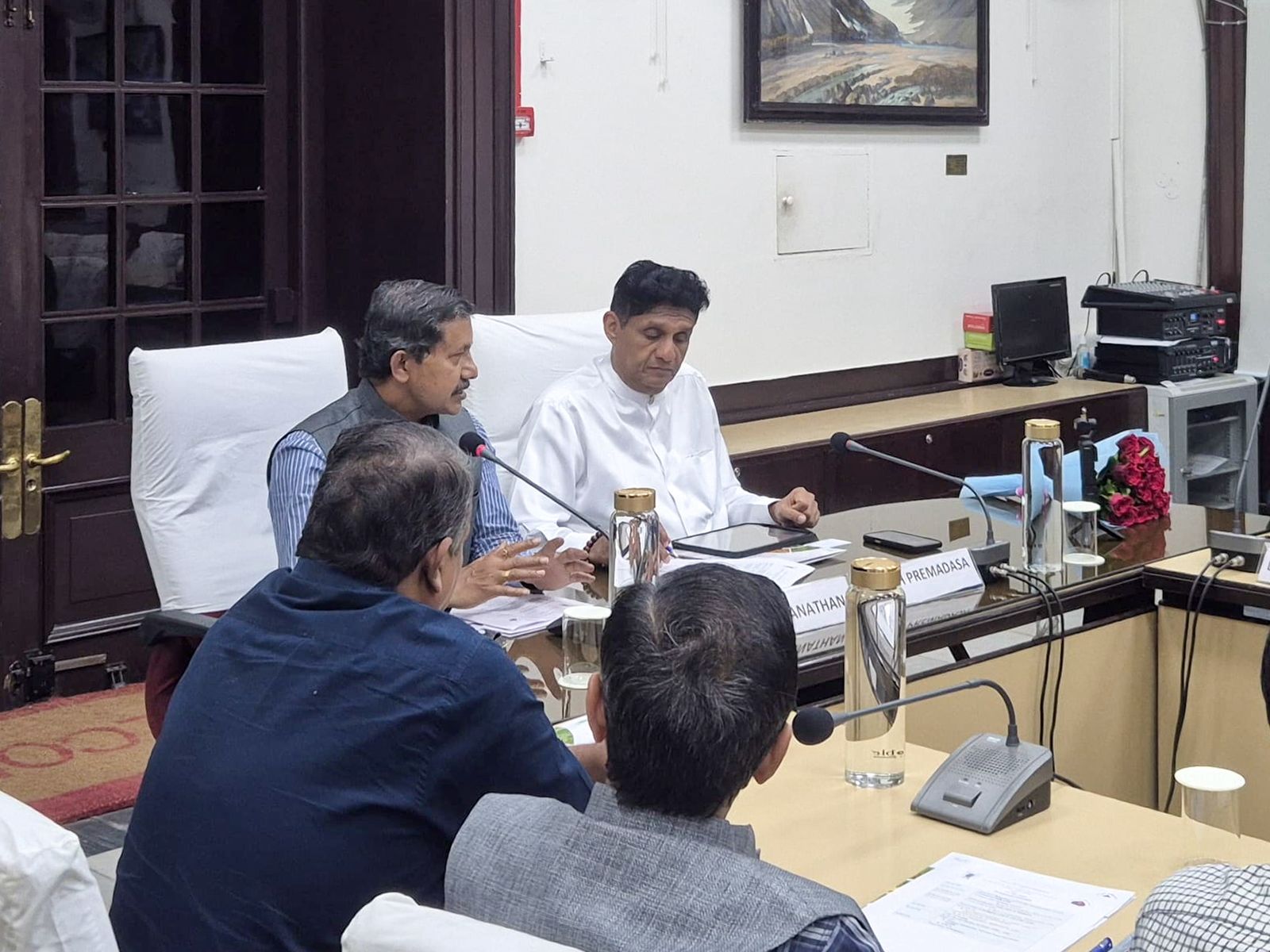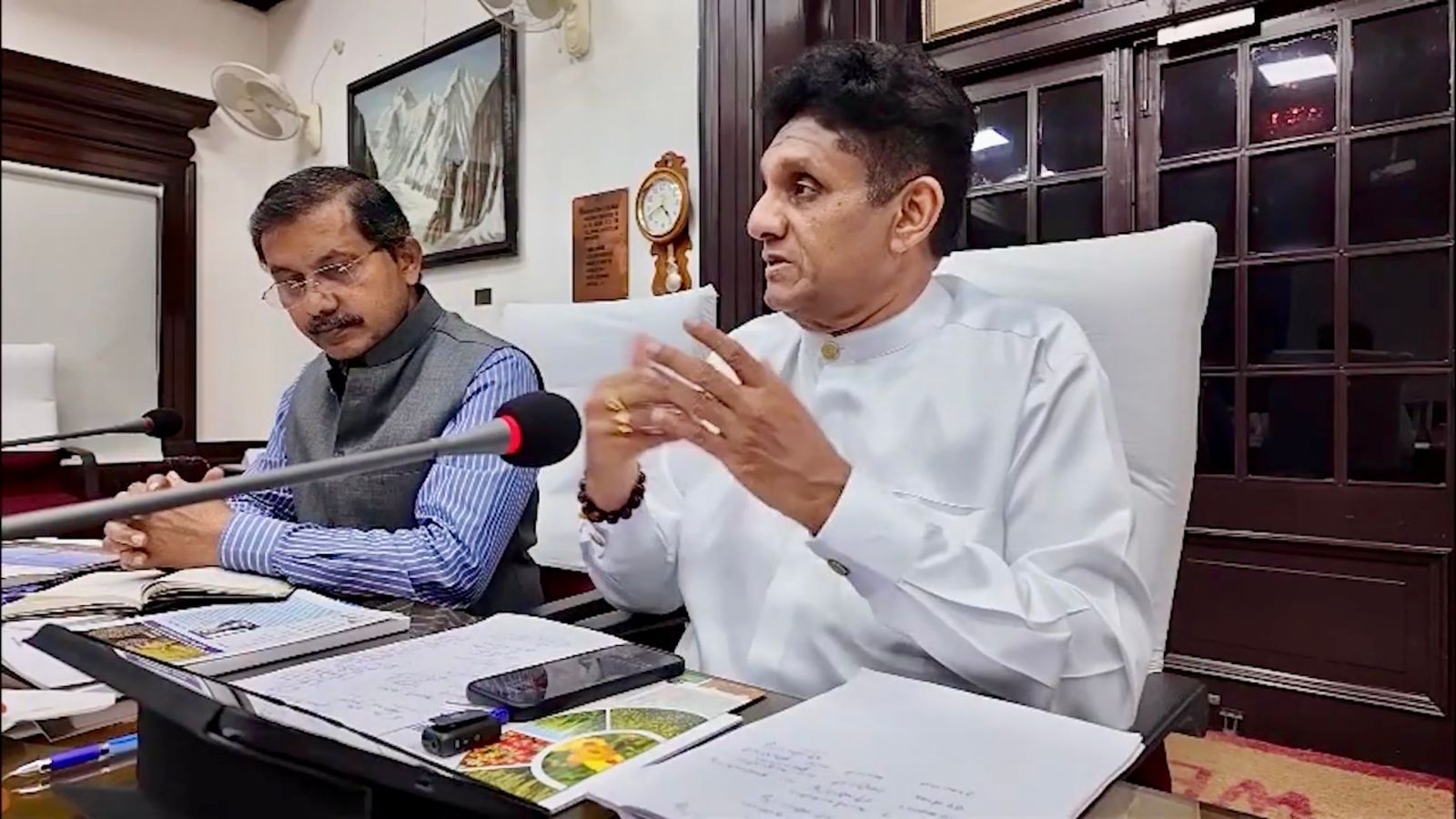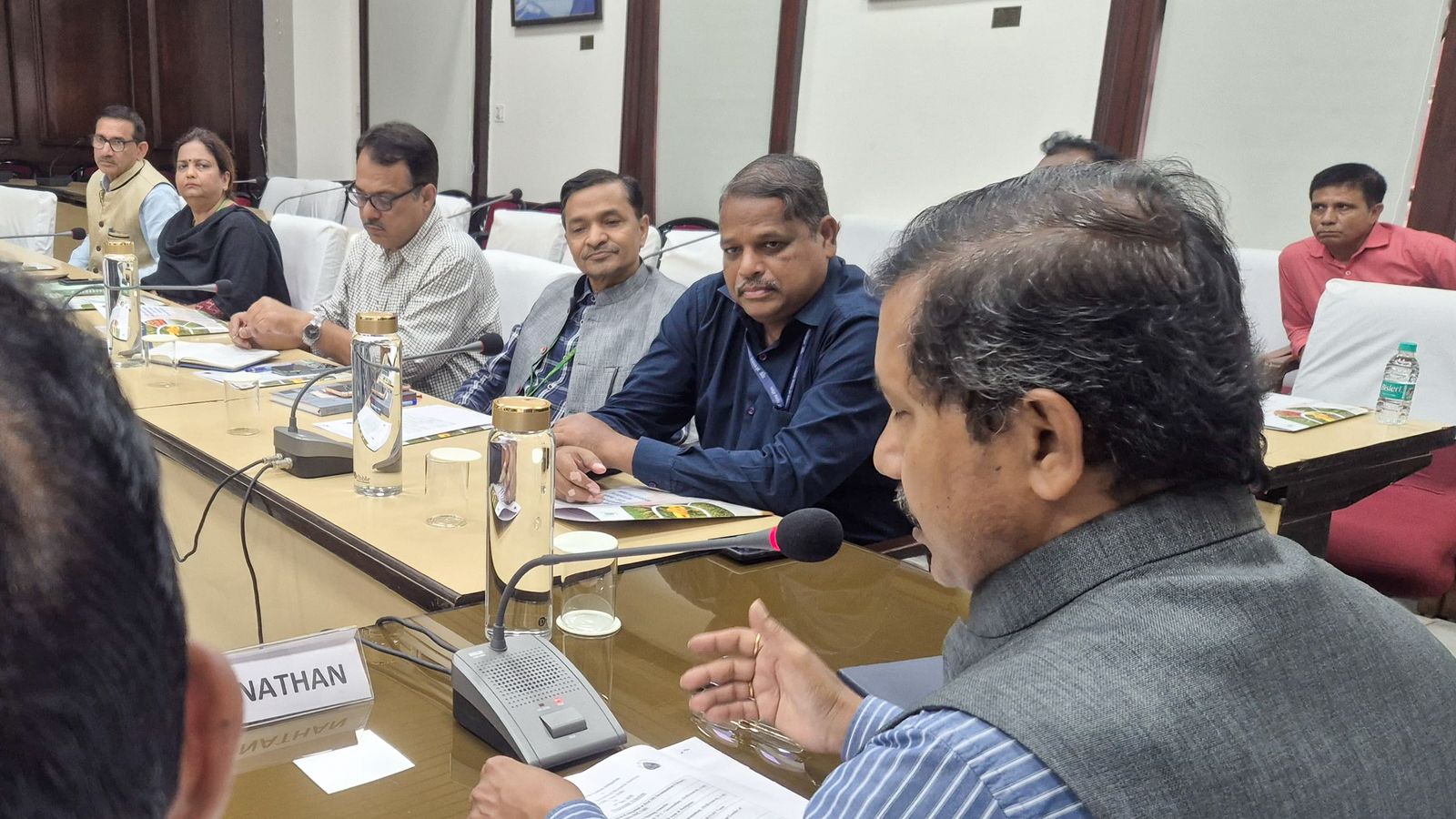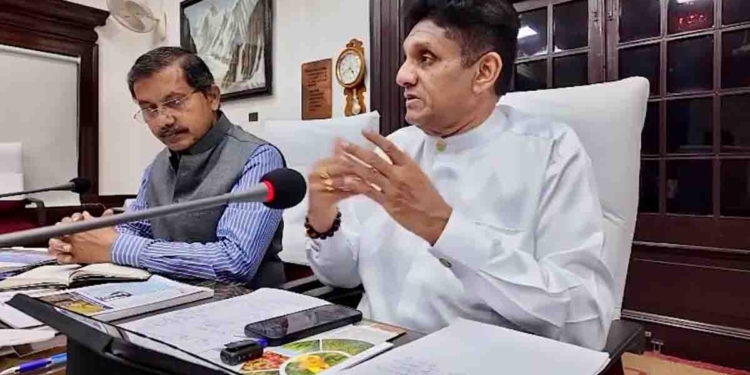
Opposition Leader Sajith Premadasa, who is currently on an official visit to India, visited the Indian Agricultural Research Institute (IARI) in Pusa, New Delhi, where he highlighted the crucial role of agriculture in advancing human development and ensuring food security.
Upon his arrival, Premadasa was welcomed by IARI Joint Director (Research) C. Viswanathan Chinnusamy, along with several senior officials of the institute. During the visit, he focused on strengthening collaboration between Sri Lanka and India in key areas such as agricultural research, technology transfer, and innovation.
Addressing the gathering, Premadasa stressed that agriculture forms the foundation of economic stability, social progress, and national resilience. He explained that food security is built upon four essential pillars: availability, access, utilization, and sustainability. Achieving this, he noted, not only fosters economic and political stability but also helps reduce hunger, malnutrition, and conflict.
Citing comparative data, Premadasa pointed out that agriculture accounts for approximately 16 percent of India’s GDP, whereas in Sri Lanka the figure stands at about 8 percent. He stated that Sri Lanka has much to learn from India’s successful multi-agricultural revolution and sustainable agricultural policies, and emphasized that India has placed agriculture at the forefront of its national development agenda.
Premadasa invited IARI and other relevant Indian institutions to work closely with Sri Lankan counterparts to enhance food security and modernize Sri Lanka’s agricultural practices. He noted that Sri Lanka can benefit significantly from India’s experience in agricultural innovation and institutional capacity building.
During the discussions, several key areas of potential cooperation were identified, including research partnerships, knowledge exchange, start-up pre-registration, precision agriculture, climate modeling, and fertilizer quality enhancement.
Concluding his visit, Premadasa said the dialogue offered valuable insights, expressing his hope that Sri Lanka and India will continue to deepen collaboration on agricultural innovation, research, and sustainability for the mutual benefit of both nations.