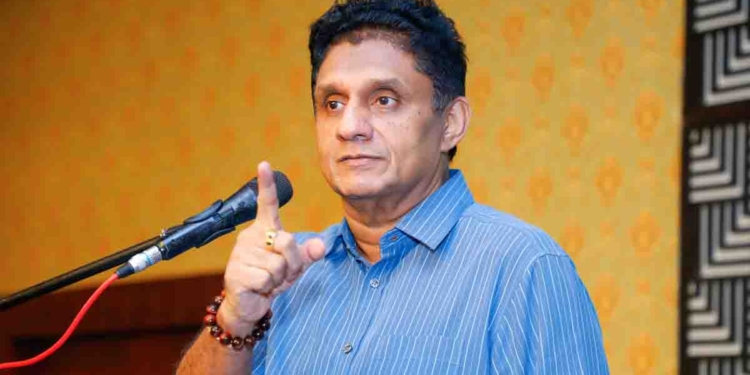
Opposition Leader Sajith Premadasa has warned that the potential closure of the Strait of Hormuz — a critical maritime passage linking the Persian Gulf to the Arabian Sea — will severely impact global oil and natural gas sectors, with significant consequences for Sri Lanka.
Citing a recent decision by the Iranian Parliament to initiate measures to block the strait, Premadasa noted that the passage currently facilitates 20–30% of the world’s oil supply and over one-third of the global natural gas supply. Given the vital role of the strait in global energy transportation, many stakeholders have already raised alarms over an impending surge in oil and gas prices.
“This is not a time for us to remain spectators,” Premadasa stressed in a special statement today. “An urgent meeting of the National Security Council must be convened to address this developing crisis and to explore viable solutions to the serious threat at hand.”
He further emphasized the need for immediate alternative strategies to mitigate the impact on Sri Lanka’s energy sector. Highlighting India’s move to increase oil imports from Russia as a proactive response, Premadasa urged Sri Lanka to consider similar options.
In addition to the energy concerns, he also expressed deep concern for Sri Lankan migrant workers employed in the Middle East. “We must ensure their safety. If job losses occur as a result of this geopolitical tension, the economic impact on our country will be serious. This situation must be thoroughly investigated,” he said.
The Opposition Leader also pointed to broader economic challenges, stating that Sri Lanka’s tourism sector is currently under strain, affecting key economic indicators such as inflation, production, exports, and foreign reserves.
“In such a situation, the government must implement a comprehensive national program to counter the adverse effects on all sectors contributing to economic growth — including industry, agriculture, and services. This crisis can only be resolved through inclusive dialogue involving all relevant stakeholders,” Premadasa said.
He underscored the urgency of adopting a national emergency economic plan, calling for immediate discussions with international financial institutions to facilitate its implementation. “We must strengthen bilateral and multilateral relations and engage with the international community to address these challenges. Strategic discussions with the IMF are essential to move toward a more flexible and sustainable economic path,” he added.
Premadasa also highlighted the strategic role Sri Lanka could play in the Global South, particularly through active leadership in regional bodies such as SAARC. He proposed that Sri Lanka take diplomatic steps to bring international attention to the challenges faced by nations in the Global South and to de-escalate rising military tensions through strategic diplomacy.
“In light of these pressing global developments, an emergency session of the National Security Council should be convened to deliberate on the international implications and develop a coordinated national response,” he concluded.